Germany · Nordrhein-Westfalen
Where to Stay in Euskirchen, Nordrhein-Westfalen
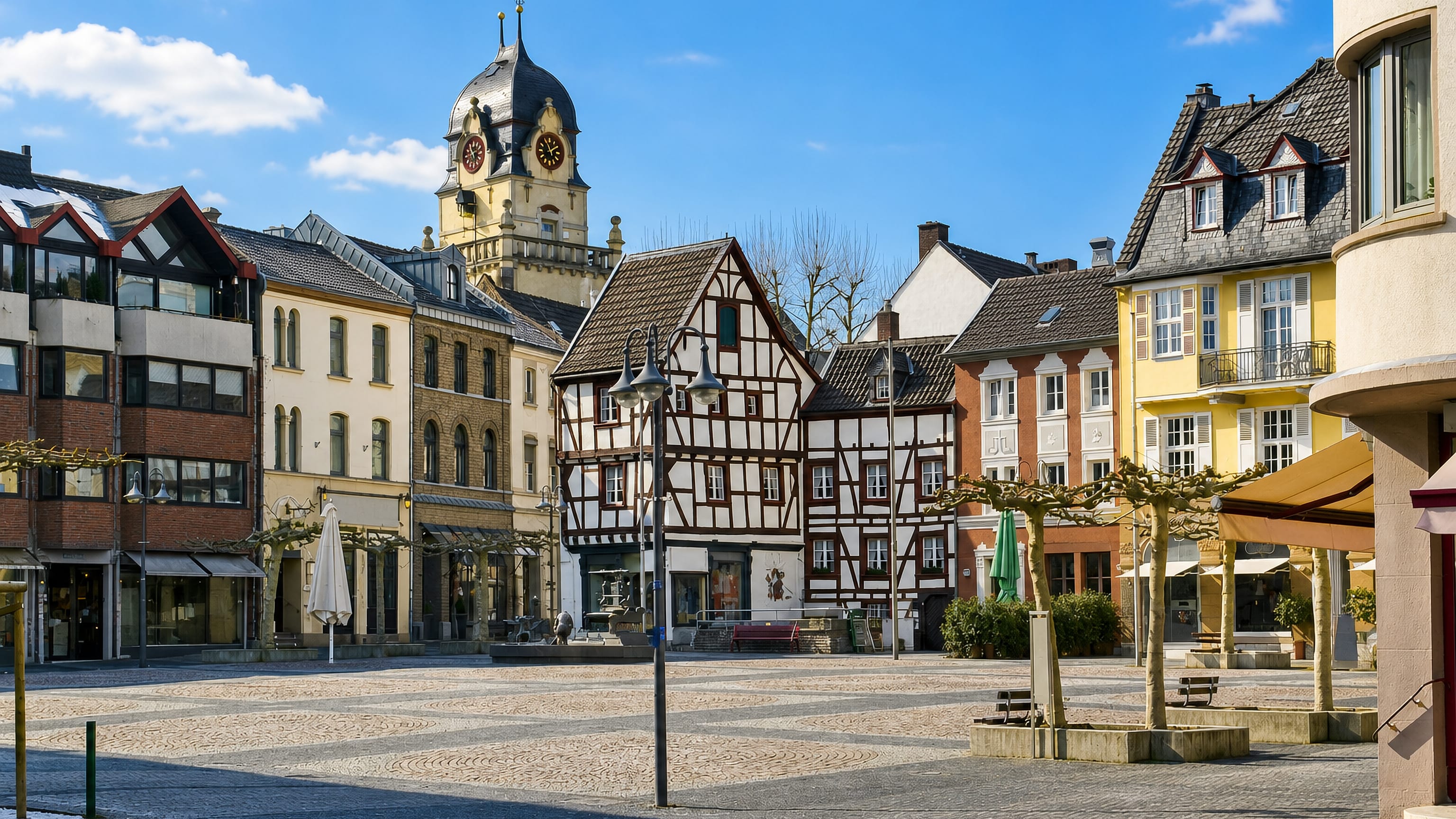
Euskirchen took its town charter in 1302 and runs the district that carries its name, a shopping town in Nordrhein-Westfalen ringed by old villages.
Hotel links are affiliate links: booking through them may earn us a commission, at no extra cost to you. It never affects how places are ranked. How this works


Where to stay in Euskirchen
The practical side of choosing where to sleep.
The centre is compact and built for walking, with St. Matthias, the Evangelical Church and the Stadtmuseum Euskirchen all inside the same few streets as the shops that give the town its reputation. Lodging concentrates in that core. A room in these streets suits anyone using Euskirchen as a base for the district rather than a destination in itself, and Kreuzauffindung stands within an easy stroll.
Therme Euskirchen is the other pull, and a stay chosen for the baths rather than the shops changes the shape of the day entirely. Kuchenheim is the other option. Two castles stand in that village, the Untere Burg and the Obere Burg, and St. Nikolaus serves the same ground, which gives Kuchenheim a quieter register than the shopping streets.
A car earns its keep out there. Großbüllesheim, Kleinbüllesheim, Wißkirchen and Roitzheim each hold a parish church of their own, so a driver based outside the centre has a full afternoon of village churches within a short radius. Euskirchen itself stays the practical choice for anyone without a car, since the district seat keeps the services the villages send people into town for anyway.
Find hotels in Euskirchen
Direct booking searches for these neighbourhoods.
The centre around St. Matthias
St. Matthias, Kreuzauffindung and the Stadtmuseum Euskirchen share the same few streetsFind hotels in The centre around St. MatthiasDrivers who want the Untere Burg and the Obere Burg at the doorKuchenheim
One village holding two castle seats and the parish church of St. Nikolaus. Rooms are few around here — worth securing early.Find hotels in KuchenheimStays built around the baths rather than the shopping streetsBy Therme Euskirchen
Therme Euskirchen sets the rhythm of the day instead of the town centre. Beds are limited here, so book early.Find hotels in By Therme EuskirchenHotel links are affiliate links: booking through them may earn us a commission, at no extra cost to you. It never affects how places are ranked. How this works
Things to do in Euskirchen
Ranked by global recognition; descriptions from Wikidata (CC0).
Churches & Religious Sites
8- St. Michael (Großbüllesheim) Heritage
- Evangelical Church Heritage
- St. Nikolaus (Kuchenheim) Heritage
- St. Peter und Paul (Kleinbüllesheim) Heritage
- Kreuzauffindung Heritage
Show 3 more →
- St. Mariä Himmelfahrt (Weidesheim) Heritage
- St. Medardus (Wißkirchen) Heritage
- St. Brictius (Euenheim) Heritage
Castles & Historic Sites
4- Kleeburg Heritage
- Burg Kessenich Heritage
- Burg Großbüllesheim Heritage
- Untere Burg (Kuchenheim) Heritage
worth knowingacross 2 categories in Euskirchen
About Euskirchen
Cloth built the modern town.
What is Euskirchen known for?
The Mueller Cloth Mill still stands for that trade, and Euskirchen counts seven castles besides, most of them out in the villages the town absorbed rather than in its own centre. Therme Euskirchen pulls a different crowd again, and the Stadtmuseum Euskirchen holds the town's own account of how a charter of 1302 turned into a shopping street.
What are the main landmarks in Euskirchen?
Parish churches top the count here. Thirteen church buildings are counted across Euskirchen and its villages, running from the Kreuzauffindung and the Evangelical Church in the centre out to the Marienkapelle and St. Cyriakus. Older ground shows up too, since Samian ware has been recovered at Billig and in Euskirchen itself, and the Kleeburg, the Schallenburg and the Auelsburg account for three of the seven castles on the list.
What is the history of Euskirchen?
The oldest finds are Roman. Samian ware has been recovered at Billig and at a second site in Euskirchen itself, which puts settled occupation on this ground long before anyone thought to write a charter. Town status followed in 1302.
Seven castles are counted across the same landscape, the Burg Großbüllesheim and the Burg Kessenich among them, with the Untere Burg and the Obere Burg both at Kuchenheim, so one village carries two seats. Kleeburg, Schallenburg and Auelsburg fill out that tally. Cloth changed the register.
The Mueller Cloth Mill stands for the industrial century that turned a chartered market town into a working one, and the Stadtmuseum Euskirchen sets that shift alongside the charter it followed. Officialdom shaped what came after. Euskirchen became the seat of the district that carries its name, and the shops, offices and services that follow a district capital gradually reshaped the middle of the town.
The village churches held on regardless, with St. Medardus at Wißkirchen, St. Michael at Großbüllesheim and the rest keeping their parishes intact through all of it. Therme Euskirchen belongs to the newest layer, a leisure draw grafted onto a town whose older business was cloth and whose oldest was Roman pottery.
Where is Euskirchen?
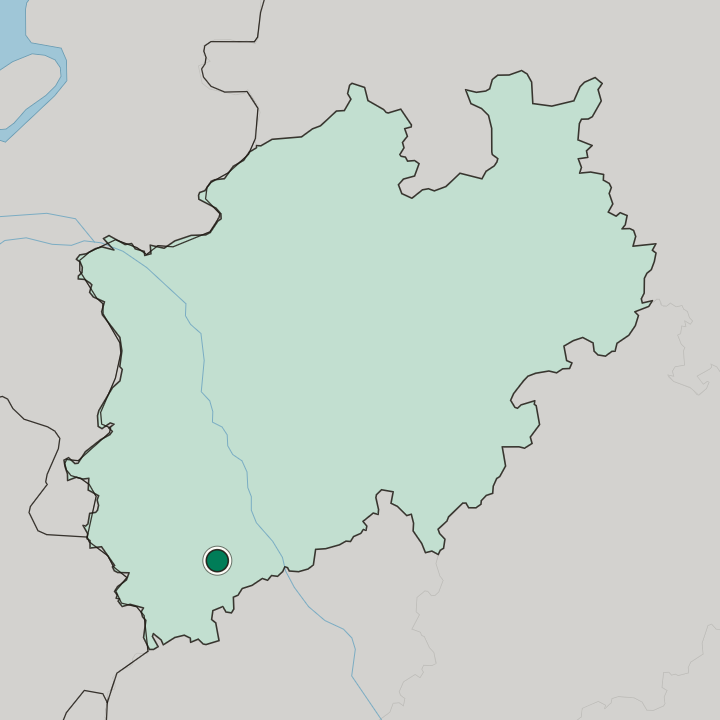
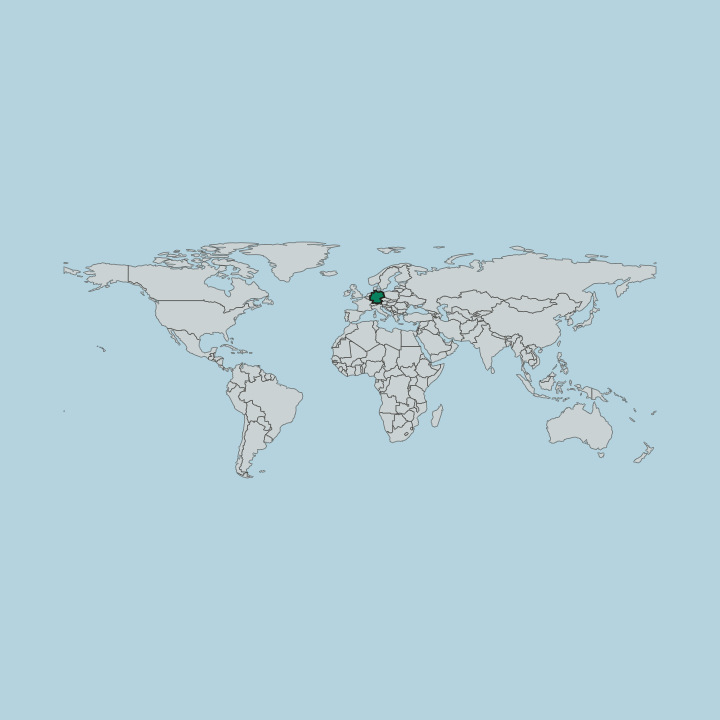
Euskirchen covers a wide municipal area for its size, roughly a hundred and forty square kilometres, with the built-up centre taking up only a part of that. The rest is villages. Kuchenheim, Roitzheim, Euenheim, Weidesheim, Wißkirchen, Großbüllesheim and Kleinbüllesheim all sit inside the same municipality, each with its own church, and Billig adds an archaeological site to the list.
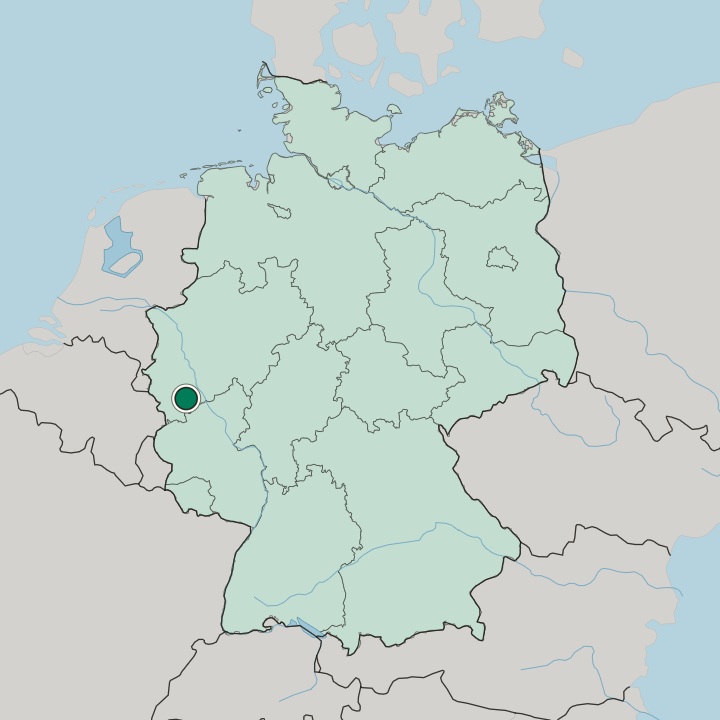
Nordrhein-Westfalen sets the wider frame, and Euskirchen holds the administrative seat for the district around it.
What is the climate of Euskirchen?
Open farmland around Euskirchen leaves little to break the weather, so the temperate pattern arrives whole: grey stretches in winter, warmth without severity in summer, and rain spread across the year. Nothing here is extreme. The villages feel it the same way the centre does, since the whole municipality shares one shallow, open landscape.
How do you get to Euskirchen?
Arrivals almost all come through the district seat, since Euskirchen holds the shops, the offices and the services that the surrounding villages travel in for. Distances inside it stay short. Kuchenheim, Wißkirchen and Großbüllesheim all lie inside the same municipality, so moving between the Mueller Cloth Mill, Therme Euskirchen and the centre is a short drive rather than a journey.
Common questions
What is the best area to stay in Euskirchen?
The centre around St. Matthias: Guests using the district seat as a base with no car. Kuchenheim: Drivers who want the Untere Burg and the Obere Burg at the door. By Therme Euskirchen: Stays built around the baths rather than the shopping streets.
Good for
More cities in Nordrhein-Westfalen
Updated October 2026