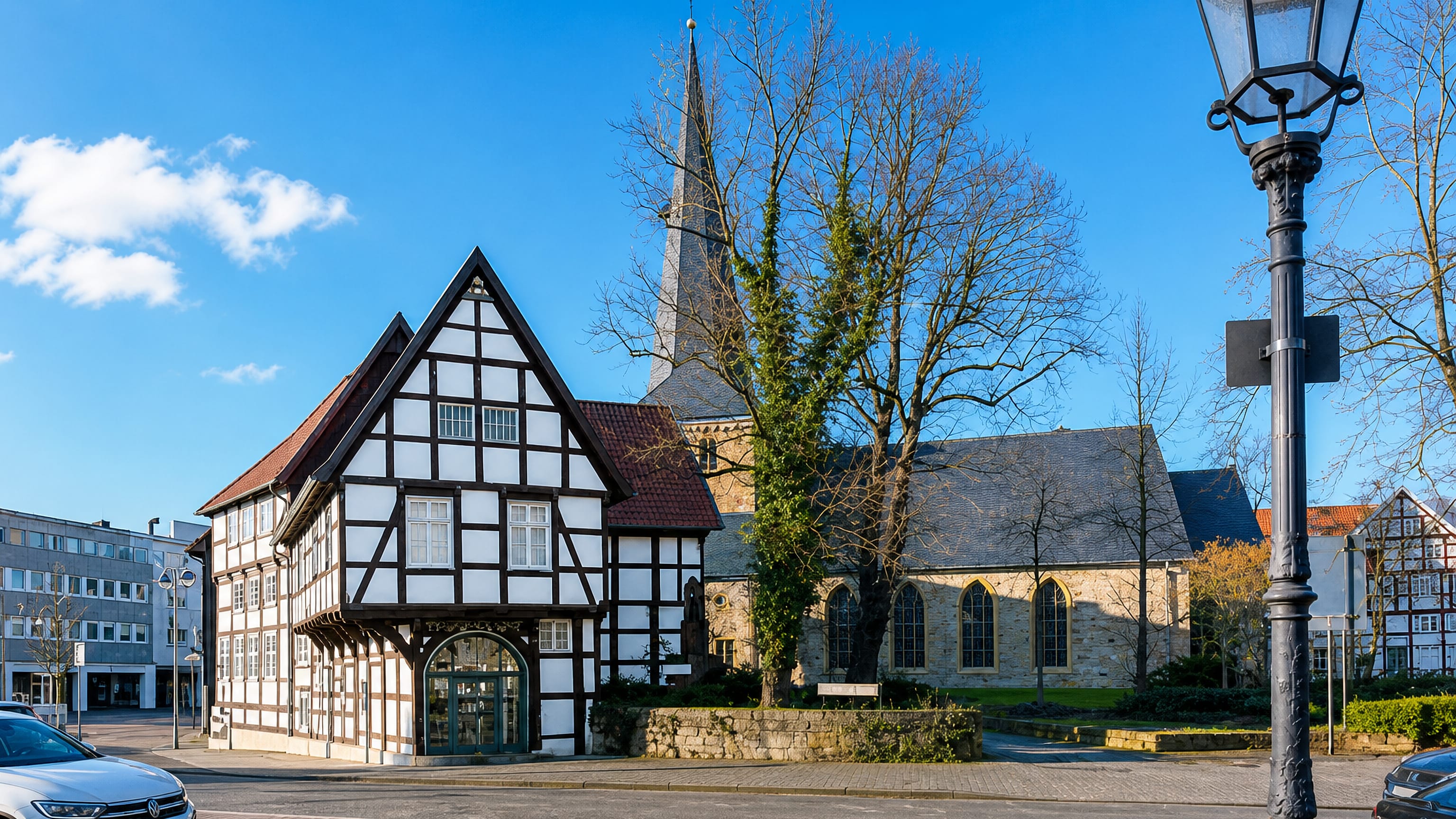
Germany · Nordrhein-Westfalen
Where to Stay in Gütersloh, Nordrhein-Westfalen
Gütersloh is the administrative centre of its district in Nordrhein-Westfalen, a Westphalian town of five churches and the Miele-Museum.
Hotel links are affiliate links: booking through them may earn us a commission, at no extra cost to you. It never affects how places are ranked. How this works


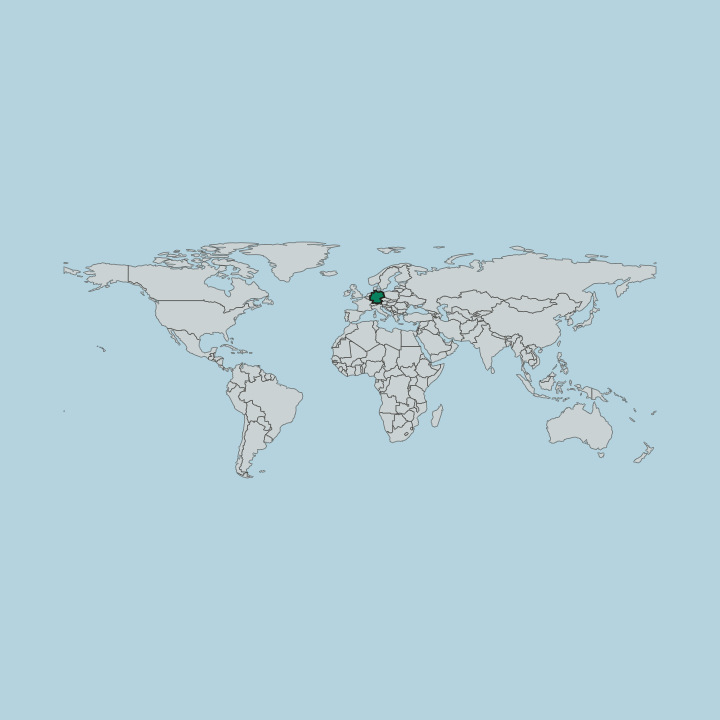
Where to stay in Gütersloh
Where you base yourself shapes the visit — here's the character of each area.

 GüterslohGermany
Pavenstädt
Pavenstädt sits inside Gütersloh. The quarter covers close to eight square kilometres, with the Johanneskirche standing near its built-up core.Where to stay → GüterslohGermany
Nordhorn
Nordhorn is a quarter of Gütersloh. The name covers roughly six and a half square kilometres of city ground, without a landmark of its own.Where to stay →GüterslohGermanyAvenwedde
Avenwedde is a district of Gütersloh in Nordrhein-Westfalen, Germany, with the Christuskirche and St. Marien as its named churches.Where to stay →Hotel links are affiliate links: booking through them may earn us a commission, at no extra cost to you. It never affects how places are ranked. How this works
Find hotels in Gütersloh
Direct booking searches for these neighbourhoods.
Around the Apostelkirche
The Apostelkirche stands in the built-up heart of Gütersloh, which puts the Gütersloh Town Museum and the Lutherkirche inside an easy walk of a room.Find hotels in Around the ApostelkircheTrips built around the Miele-Museum and district businessNear the Miele-Museum
A room near the Miele-Museum suits a visit with one fixed appointment, leaving the Christ-König-Kirche and the Evangeliumskirche for the hours around it.Find hotels in Near the Miele-MuseumStays that prefer a parish quarter to the district-centre streetsBy St. Pankratius
St. Pankratius anchors a quieter side of Gütersloh, so a bed here trades the convenience of the Miele-Museum for a calmer street. Few places to stay nearby — book ahead.Find hotels in By St. PankratiusHotel links are affiliate links: booking through them may earn us a commission, at no extra cost to you. It never affects how places are ranked. How this works
Things to do in Gütersloh
Ranked by global recognition; descriptions from Wikidata (CC0).
Museums & Galleries
1- Miele-Museum
Churches & Religious Sites
4- St. Pankratius Heritage
- Apostelkirche Heritage
- Lutherkirche, Gütersloh Heritage
- Evangeliumskirche (Gütersloh) Heritage
worth knowingacross 2 categories in Gütersloh
About Gütersloh
Five churches and two museums.
What is Gütersloh known for?
The Miele-Museum is the unusual one, sitting alongside the Gütersloh Town Museum in a town that also serves as the administrative centre of the district carrying its name. Church names tell much of the rest. Apostelkirche, Christ-König-Kirche, Evangeliumskirche, Lutherkirche and St. Pankratius account for the parish buildings, and a Memorial for the Forced Labourers of the Second World War marks a harder chapter.
What are the main landmarks in Gütersloh?
The churches come first. St. Pankratius, Apostelkirche, Christ-König-Kirche, Evangeliumskirche and Lutherkirche account for the five parish buildings on the list. After them come two museums.
The Gütersloh Town Museum handles the local record, and the Miele-Museum stands beside it as a second museum of an entirely different kind. The Memorial for the Forced Labourers of the Second World War commemorates those made to work here, and it belongs on the same list as the churches and the museums.
What is the history of Gütersloh?
One date Gütersloh cannot supply is its founding year. The town sits in Westphalia, inside the region of Ostwestfalen-Lippe and under the administrative region of Detmold, and it serves as the administrative centre for the district that shares its name. Parish buildings date the rest.
Five churches in one town is the clearest evidence of how Gütersloh grew, since a single parish does not need Apostelkirche, Christ-König-Kirche, Evangeliumskirche, Lutherkirche and St. Pankratius all at once. The Gütersloh Town Museum keeps that record. The twentieth century left a harder mark.
A Memorial for the Forced Labourers of the Second World War stands in Gütersloh, commemorating those brought here to work against their will, and it is the one landmark on the list that exists to record what was done rather than what was built. The record is kept deliberately. Alongside it the Miele-Museum and the Gütersloh Town Museum carry the rest of the town's history between them, two collections with quite different subjects under one district centre.
Detmold and Ostwestfalen-Lippe sit above it administratively, but the history that matters on the ground is the parish and civic history held inside Gütersloh itself.
Where is Gütersloh?
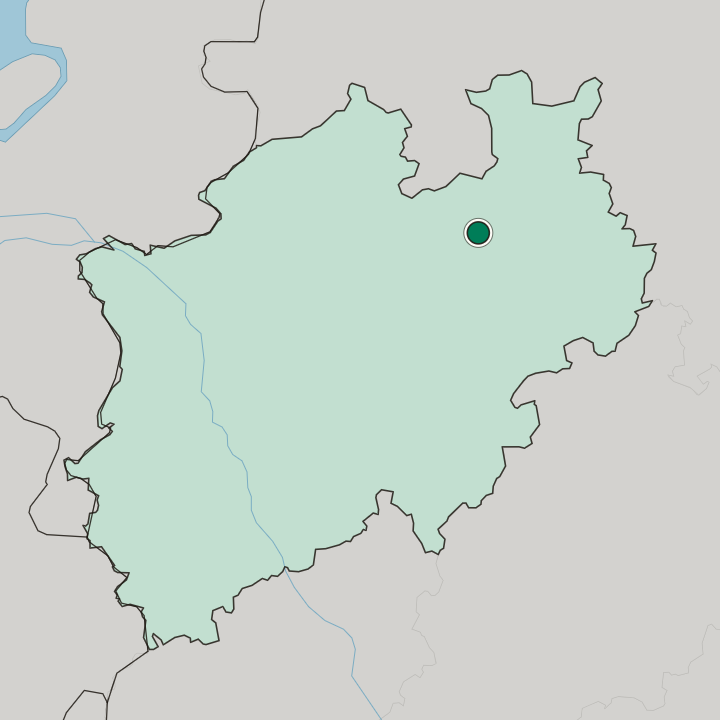
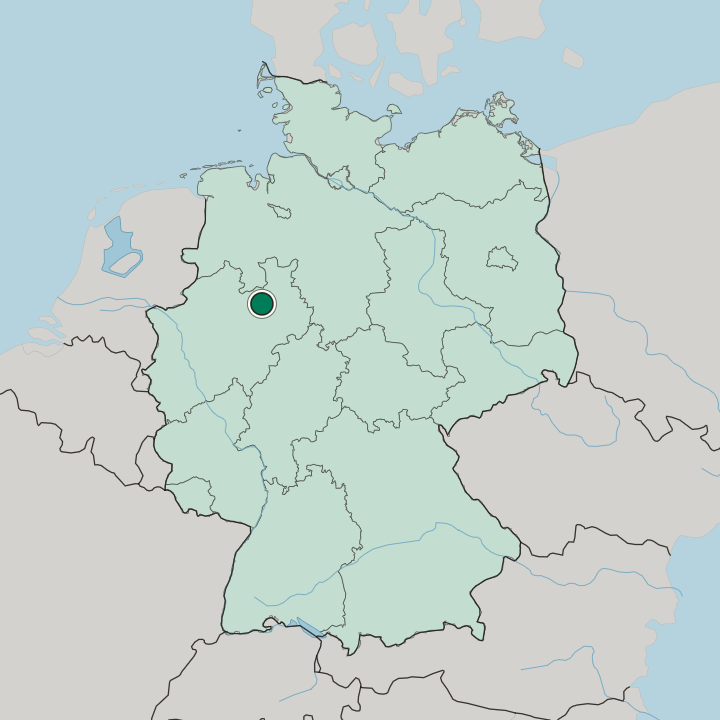
Gütersloh covers about 112 square kilometres. The town lies in Westphalia, within the region of Ostwestfalen-Lippe, and the administrative region of Detmold takes in the district for which Gütersloh is the centre. Five churches spread across it.
Apostelkirche, Christ-König-Kirche, Evangeliumskirche, Lutherkirche and St. Pankratius are distributed through the built-up area rather than gathered on one square, which is what a district centre of this footprint looks like from the ground.
What is the climate of Gütersloh?
Two museums cover the wet days. Gütersloh belongs to the temperate band, so the weather rarely dictates a plan, and the Gütersloh Town Museum and the Miele-Museum absorb whatever the sky does to an afternoon in Ostwestfalen-Lippe. Nothing about the seasons here is extreme.
A walk between the Apostelkirche and St. Pankratius works in most months, which is the practical test in a town where the sights are spread rather than stacked.
How do you get to Gütersloh?
Gütersloh is a district centre, which is the practical fact for arrivals. The town holds the administrative offices for the district of the same name and sits inside the administrative region of Detmold, so it draws movement from across Ostwestfalen-Lippe rather than only from outside the region. Once here, walk.
The Apostelkirche, the Lutherkirche, the Evangeliumskirche and the Gütersloh Town Museum all sit inside the built-up part, while the Miele-Museum and St. Pankratius ask for a little more effort across a town of some 112 square kilometres.
Common questions
What is the best area to stay in Gütersloh?
Around the Apostelkirche: Walkers who want the Apostelkirche and the Gütersloh Town Museum on one block. Near the Miele-Museum: Trips built around the Miele-Museum and district business. By St. Pankratius: Stays that prefer a parish quarter to the district-centre streets.
Good for
More cities in Nordrhein-Westfalen
Updated October 2026