Germany · Nordrhein-Westfalen
Where to Stay in Hattingen, Nordrhein-Westfalen
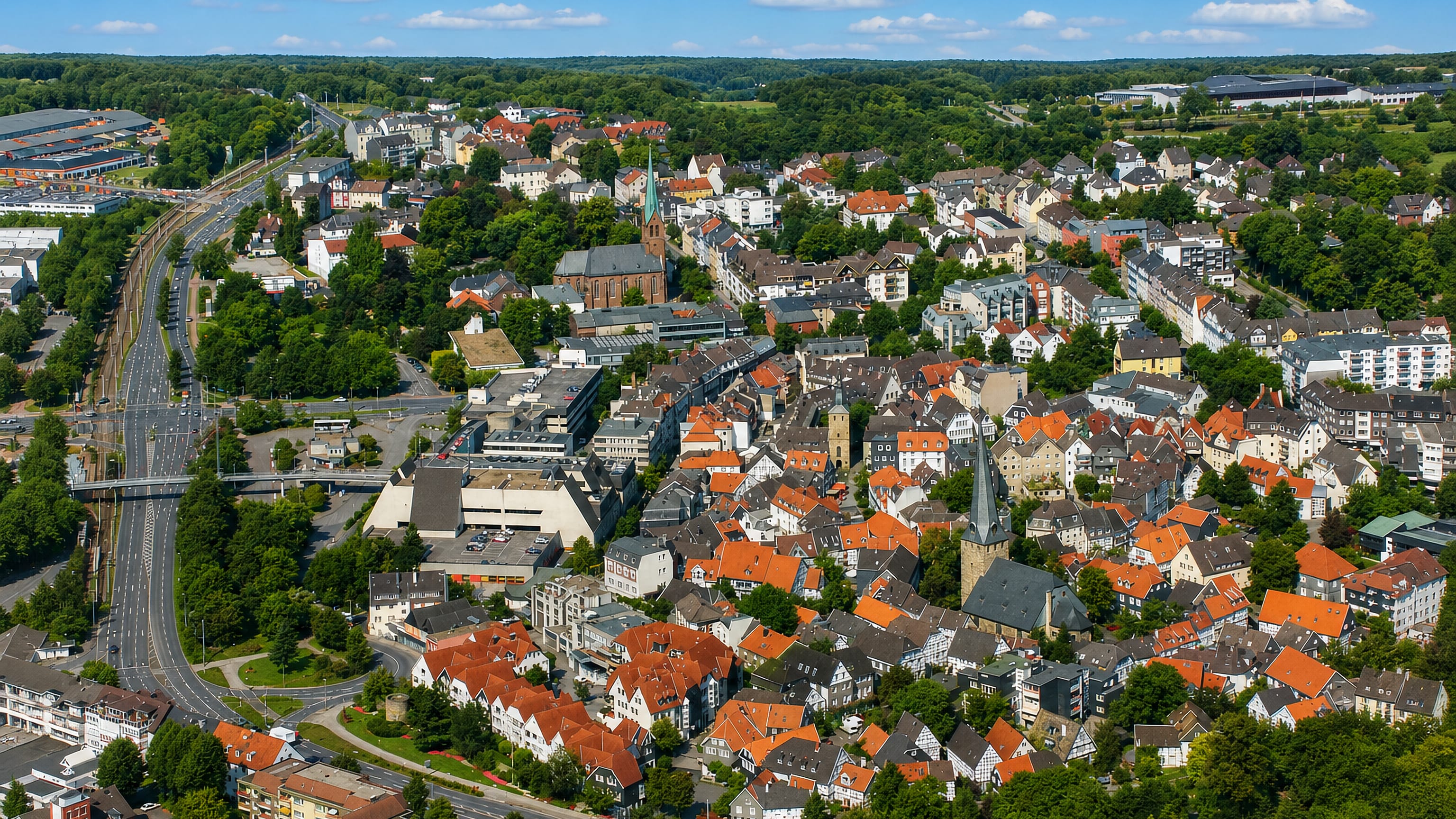
Hattingen pairs a medieval old town with the Henrichshütte, a former steel works turned museum, in the northern Ennepe-Ruhr-Kreis.
Hotel links are affiliate links: booking through them may earn us a commission, at no extra cost to you. It never affects how places are ranked. How this works


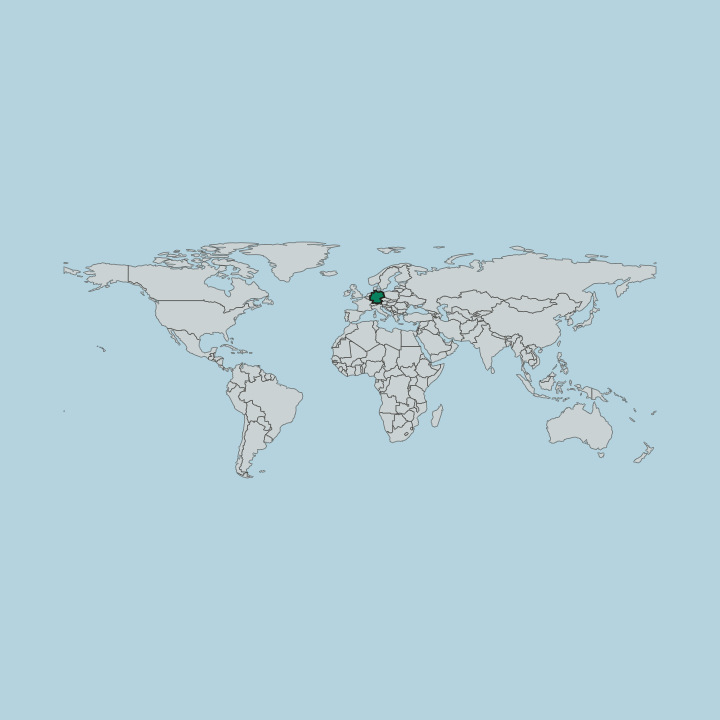
Where to stay in Hattingen
How the choice of base plays out on the ground.
The old town is the obvious answer. Hattingen keeps a medieval core that draws the visitors, and a room inside it puts the Bügeleisenhaus, St. Georg and the Stadtmuseum Hattingen within a few minutes of the door. That is where a short city break works best, since the medieval streets carry the shops, the museum and most of the reason to come.
Henrichshütte is the other pole. The former steel works is a large site with a museum inside it, and a bed nearby suits anyone giving the industrial half of Hattingen more than a passing hour. Blankenstein sits apart from both.
Blankenstein Castle and the Evangelische Kirche Blankenstein mark a settlement of its own inside the town, and a room there trades the old-town streets for a quieter set around the castle. Bochum is the neighbour. Stiepeler Dorfkirche, the Christuskirche and Our Lady Church at Linden, and the Sternwarte Bochum all sit on that side of the boundary, close enough that a Hattingen base reaches them without difficulty. Isenburg, Burg Horkenstein and Burg Rauendahl are scattered rather than central, and reaching all three from one bed means a car or a long day on foot.
Find hotels in Hattingen
Direct booking searches for these neighbourhoods.
The medieval old town
The medieval core holds the Bügeleisenhaus and St. Georg, so a room inside it makes the oldest part of Hattingen the view from the door.Find hotels in The medieval old townStays built around the Henrichshütte and its steel-works museumBy the Henrichshütte
The Henrichshütte is the largest single site in Hattingen, and a bed near it turns a half-day at the old works into a whole one.Find hotels in By the HenrichshütteNights under Blankenstein Castle rather than in the Hattingen coreBlankenstein
Blankenstein Castle and the Evangelische Kirche Blankenstein give this side its own centre, a separate settlement inside the same town. Lodging is scarce in this area; reserve in advance.Find hotels in BlankensteinHotel links are affiliate links: booking through them may earn us a commission, at no extra cost to you. It never affects how places are ranked. How this works
Things to do in Hattingen
Ranked by global recognition; descriptions from Wikidata (CC0).
Museums & Galleries
2- Henrichshütte
- Sternwarte Bochum - Institut für Umwelt- und Zukunftsforschung e. V.
Churches & Religious Sites
6- St. Georg Heritage
- St. Peter und Paul Heritage
- Evangelische Kirche Blankenstein Heritage
- Evangelische Kirche Niederwenigern Heritage
- St. Mauritius Heritage
Show 1 more →
- Reformierte Johanniskirche Hattingen Heritage
Castles & Historic Sites
3- Blankenstein Castle Heritage
- Isenburg Heritage
- Burg Rauendahl
worth knowingacross 3 categories in Hattingen
About Hattingen
Two things, and they could not be less alike.
What is Hattingen known for?
The old town keeps a medieval core with the Bügeleisenhaus among its landmarks, while the Henrichshütte stands as an abandoned steel works turned into a museum. Castles fill in the rest. Isenburg, Blankenstein Castle, Burg Horkenstein and Burg Rauendahl give the town four castle names, and the Stadtmuseum Hattingen and the Westfälisches Feuerwehrmuseum add two collections beside them.
What are the main landmarks in Hattingen?
Four castles, nine churches, two museums. Isenburg, Blankenstein Castle, Burg Horkenstein and Burg Rauendahl make the first group, and the Bügeleisenhaus stands apart from them as a house rather than a fortification. Churches spread the widest of all.
The Reformierte Johanniskirche Hattingen, the Evangelische Kirche Niederwenigern, St. Georg and St. Mauritius belong to Hattingen, while the Stiepeler Dorfkirche and the churches at Linden fall on the Bochum side. The Stadtmuseum Hattingen and the Westfälisches Feuerwehrmuseum are the two collections, and the Henrichshütte adds an industrial works kept as a monument.
What is the history of Hattingen?
Hattingen's founding year went unrecorded. The medieval core is the evidence instead, a street pattern kept intact with the Bügeleisenhaus standing in it, and four castle names, Isenburg, Blankenstein Castle, Burg Horkenstein and Burg Rauendahl, marking the ground around it. Four castles is a lot.
A town of some 71 square kilometres with four of them took in more than one settlement, and the Evangelische Kirche Blankenstein and the Evangelische Kirche Niederwenigern name two of the parts. Steel is the modern chapter. The Henrichshütte worked as a steel plant and stands abandoned as a works, its buildings kept and turned into a museum, which is why an industrial site sits on the same visitor list as a medieval street plan.
Conflict added a chapter of its own. The Russischer Ehrenfriedhof Zur Maasbeck is a Russian war cemetery within the town, and it belongs on the record beside the castles and the steel works rather than apart from them. The Stadtmuseum Hattingen keeps the account.
Between it and the Westfälisches Feuerwehrmuseum the town holds two collections, and the Henrichshütte adds a third that is the object it describes rather than a building put up to house one.
Where is Hattingen?
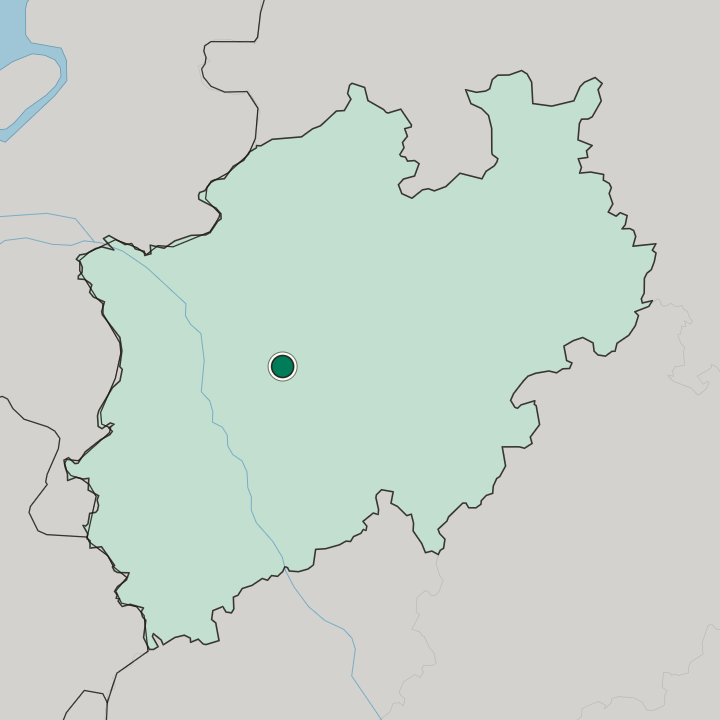
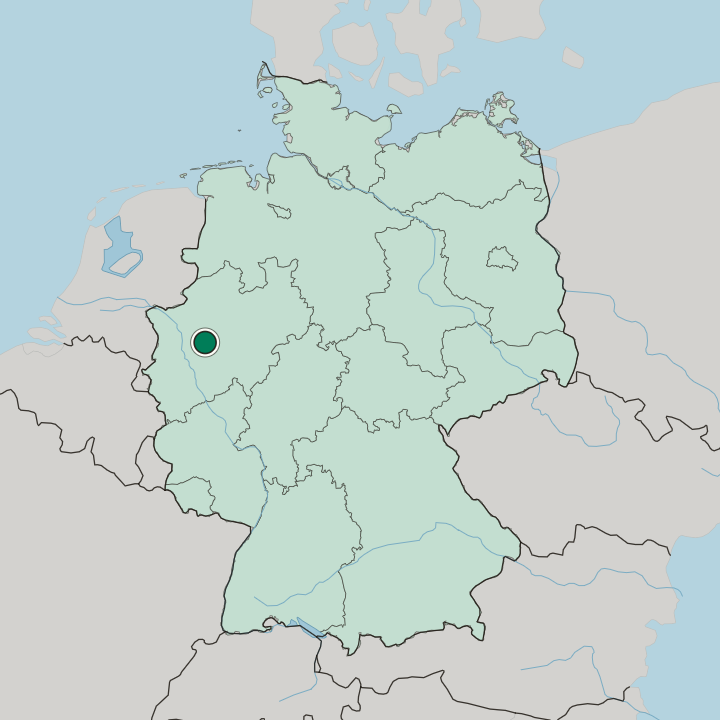
Hattingen covers about 71 square kilometres. The town lies in the northern part of the Ennepe-Ruhr-Kreis, inside the Ruhr, with Bochum immediately beyond its boundary on one side. The parts are not continuous.
Blankenstein, Niederwenigern and the old town each carry their own church, and the four castle sites, Isenburg, Blankenstein Castle, Burg Horkenstein and Burg Rauendahl, are spread across that ground rather than gathered at the centre.
What is the climate of Hattingen?
Temperate, with nothing to guard against. Hattingen sits in the Ruhr, where the seasons are moderate enough that the medieval streets stay walkable through most of the year and a walk out to Blankenstein rarely depends on the weather at all. Rain sends visitors indoors.
The Henrichshütte, the Stadtmuseum Hattingen and the Westfälisches Feuerwehrmuseum between them cover a wet day, which is more indoor choice than a town of this size usually manages.
How do you get to Hattingen?
Bochum is the way in. Hattingen sits at the northern end of the Ennepe-Ruhr-Kreis with Bochum on the other side of the boundary, which puts the town inside the Ruhr's network of towns rather than out beyond it. You can cross the medieval core on foot.
Blankenstein, Niederwenigern and the Henrichshütte are separate errands across some 71 square kilometres, so a car turns four castles and two museums into one day instead of three.
Common questions
What is the best area to stay in Hattingen?
The medieval old town: Short city breaks with the Bügeleisenhaus and St. Georg on the doorstep. By the Henrichshütte: Stays built around the Henrichshütte and its steel-works museum. Blankenstein: Nights under Blankenstein Castle rather than in the Hattingen core.
Good for
More cities in Nordrhein-Westfalen
Updated October 2026