Germany · Nordrhein-Westfalen
Where to Stay in Marl, Nordrhein-Westfalen
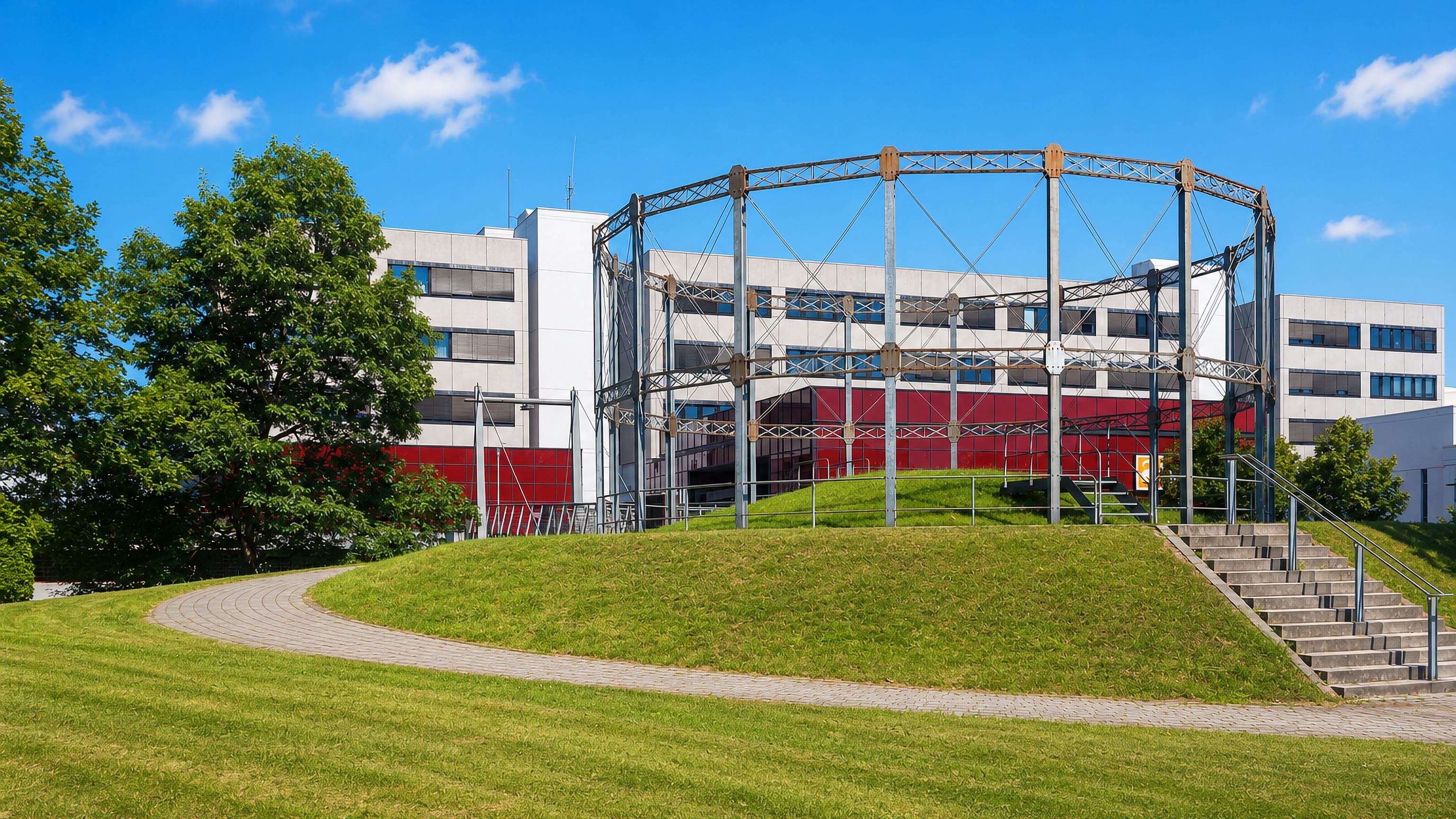
Marl is a city in Nordrhein-Westfalen whose best-known institution is the Glaskasten, a museum of modern sculpture. Churches mark the rest.
Hotel links are affiliate links: booking through them may earn us a commission, at no extra cost to you. It never affects how places are ranked. How this works


Where to stay in Marl
The practical side of choosing where to sleep.
Marl reads as a set of separate quarters rather than as one centre, so a base here is chosen by which cluster suits the visit. The ground around the Glaskasten is the obvious first choice, since the sculpture collection is the one draw that brings people from outside and the civic buildings sit within the same short walk. Parish quarters ring it.
Erlöserkirche and Christkönig-Kirche anchor pieces of the built-up area where rooms are residential rather than touristic, quiet after dark and close to ordinary shops instead of to anything aimed at visitors. Herz Jesu marks another. The Marl City and Local History Museum gives a second reason to stay near the middle when the visit is about the place itself rather than about art.
Beds thin towards the municipal edges, where housing gives way to open ground and the walk back in stops being a walk. Anyone drawn to older fabric should look for the streets around Saint George, the kind of ground a settlement keeps in use long after the buildings standing on it have been replaced. St. Barbara holds a quarter of its own.
Denkmal für einen Gefangenen makes a short detour on foot, and St. Marien closes the round for anyone working through the parishes one at a time.
Find hotels in Marl
Direct booking searches for these neighbourhoods.
Around the Glaskasten
The Glaskasten and the civic buildings beside it put the one outside draw of Marl within a few minutes on foot.Find hotels in Around the GlaskastenResidential quiet near Erlöserkirche and Christkönig-Kirche instead of anything aimed at visitors.The parish quarters
Rooms among the Marl parishes sit beside everyday shops, with Herz Jesu and St. Barbara marking the separate clusters. Few places to stay nearby — book ahead.Find hotels in The parish quartersAnyone tracing the older fabric of Marl on foot before the museums open.Around Saint George
The streets around Saint George cover the longest-used ground in the municipality, with the Marl City and Local History Museum an easy walk off. Lodging is scarce in this area; reserve in advance.Find hotels in Around Saint GeorgeHotel links are affiliate links: booking through them may earn us a commission, at no extra cost to you. It never affects how places are ranked. How this works
Things to do in Marl
Ranked by global recognition; descriptions from Wikidata (CC0).
Museums & Galleries
1- Sculpture museum of Glaskasten
Churches & Religious Sites
5- Saint George Church (Marl) Heritage
- Erlöserkirche Heritage
- Herz Jesu Heritage
- St. Marien Heritage
- St. Barbara Heritage
worth knowingacross 2 categories in Marl
About Marl
The Glaskasten sets Marl apart.
What is Marl known for?
Its collection of modern sculpture gives a working municipality a cultural draw that is not explained by its churches, its housing or its size, and it is the reason most outsiders know the name. The Marl City and Local History Museum handles the rest of the record. Denkmal für einen Gefangenen stands as a memorial.
Little else declares itself.
What are the main landmarks in Marl?
Modern sculpture heads the list. The Glaskasten holds it, and the Marl City and Local History Museum sits alongside as the place where the documentary record of the municipality is kept and shown. Church dedications supply most of the rest: Saint George, Erlöserkirche, Christkönig-Kirche, Herz Jesu, St. Barbara and St. Marien, spread across the quarters rather than gathered into one old centre.
Denkmal für einen Gefangenen stands apart as a memorial.
What is the history of Marl?
Marl is first documented in 890, in the urbarium of the abbey of Werden, and the rest of its past is read off its buildings. Saint George is the oldest dedication on the list, and a church of that name usually marks ground a settlement was already working before much about it was written down. Then the quarters multiplied.
Erlöserkirche, Christkönig-Kirche, Herz Jesu and St. Barbara belong to the phase when new housing districts each wanted a church of their own, which is why the parishes sit spread across the map instead of clustering. St. Marien joins them. The Marl City and Local History Museum was set up to hold what buildings cannot say, the papers and objects that carry the ordinary business of a municipality through its changes.
Its collection is civic rather than artistic. The Glaskasten came later and took the opposite direction, putting modern sculpture into a working town and giving Marl a name outside the region that nothing else here had won for it. Denkmal für einen Gefangenen sits apart from the church and museum line entirely, a memorial whose title names a prisoner rather than a victory.
What survives is a layered map, not a single old centre.
Where is Marl?
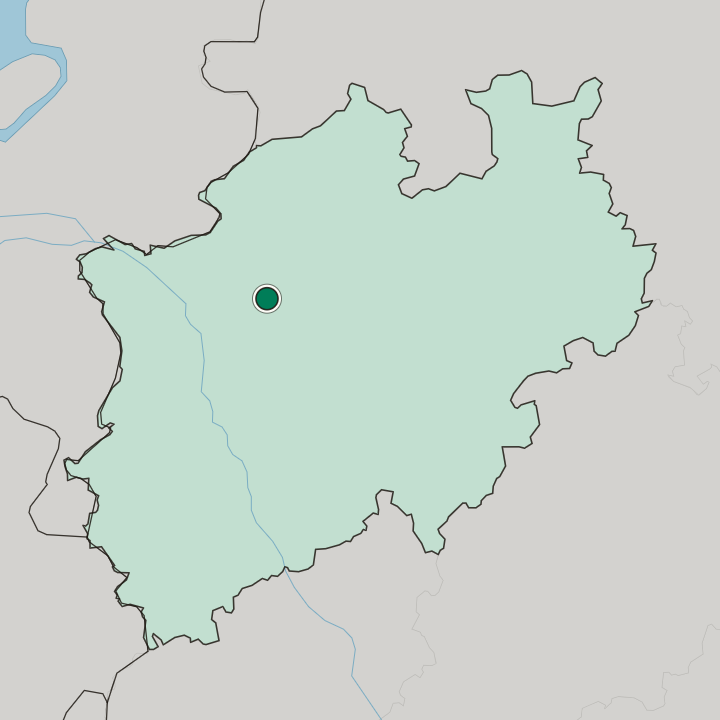
Marl takes in a wide municipal area within Nordrhein-Westfalen, and its parts are strung out rather than packed together. The centre is modest. Around it the parish quarters of Erlöserkirche, Herz Jesu and Christkönig-Kirche sit well apart from one another, each with shops of its own, so the built-up ground reads as a chain of settlements that grew into contact rather than as a single town spreading outward.
Saint George holds older ground.
What is the climate of Marl?
Wet skies are the norm here. Marl lies in the temperate band, and its weather can change several times in a day without ever going to extremes. Winters stay damp and grey.
Summer warmth builds slowly and seldom holds, so the open ground between the quarters keeps its green well into the year, and a walk between the parish churches happens under cloud more often than under sun.
How do you get to Marl?
Marl is entered by road from the towns around it, and nothing about the approach announces a destination: the built-up area begins, the quarters follow one another, and the centre appears without ceremony. Distances inside are the real question. The Glaskasten and the Marl City and Local History Museum stand near each other, while the outlying parishes need wheels rather than shoe leather.
Common questions
What is the best area to stay in Marl?
Around the Glaskasten: Visitors whose trip is built around the modern sculpture held in the Glaskasten.. The parish quarters: Residential quiet near Erlöserkirche and Christkönig-Kirche instead of anything aimed at visitors.. Around Saint George: Anyone tracing the older fabric of Marl on foot before the museums open..
Good for
More cities in Nordrhein-Westfalen
Updated October 2026