Germany · Nordrhein-Westfalen
Where to Stay in Moers, Nordrhein-Westfalen
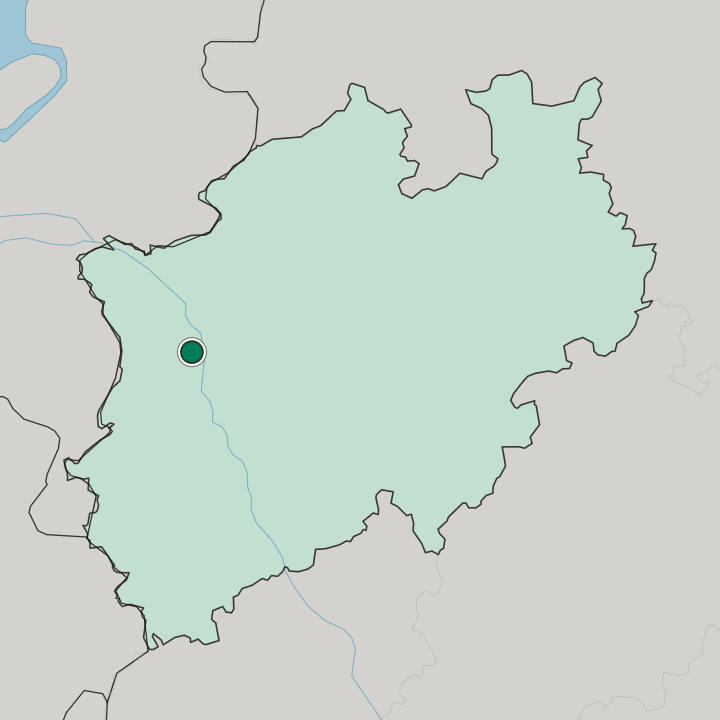
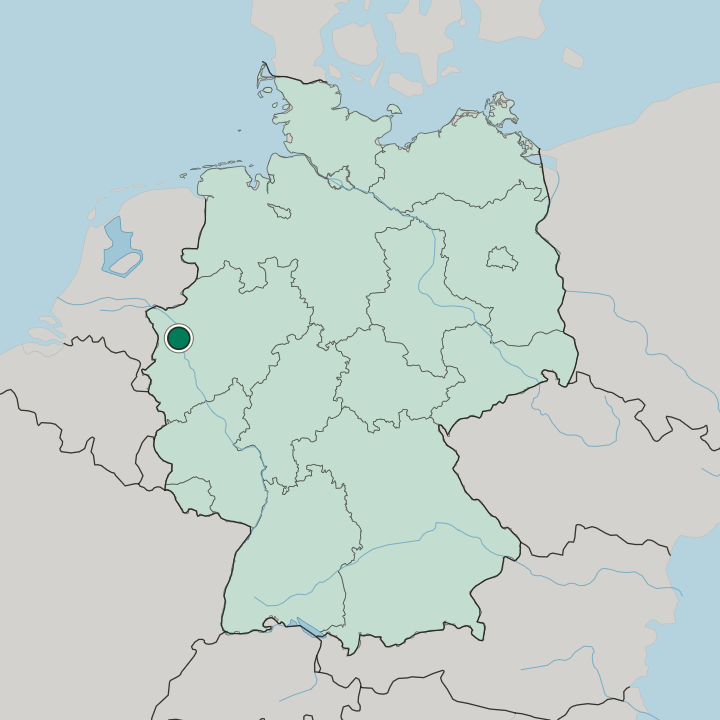
Moers sits on the western bank of the Rhine near Duisburg, in the district of Wesel, with its castle museum at the centre. A tower marks it.
Hotel links are affiliate links: booking through them may earn us a commission, at no extra cost to you. It never affects how places are ranked. How this works


Where to stay in Moers
Where the beds are, and what that means for the visit.
The ground around the Moerser Schloss is the first choice, since the Grafschafter Museum, the shops and the Evangelische Stadtkirche Moers all fall inside the same short walk and the castle grounds double as the town park. St. Marien and St. Josef mark the parish quarters just outside that ring, where rooms are quieter and the walk in takes a few minutes rather than none. Fernmeldeturm Moers gives a bearing from anywhere.
Neukirchen-Vluyn lies off to one side with its village church, and a stay out there is rural in feel, with the Rhine and Duisburg both further away than they look on a map. Moers-Asberg suits a different visit again: the Roman find ground is there, and beds nearby put an early walk over the site within reach before the traffic builds. Karmelitenkloster Moers sits in the older fabric.
Anyone using the town as a base for the wider district of Wesel will want to be near the through roads rather than in the middle, since the castle quarter is built for walking and not for parking, and the Friedhofskapelle end of town is quiet enough that nothing there will keep you awake.
Find hotels in Moers
Direct booking searches for these neighbourhoods.
The castle quarter
The Moerser Schloss and its grounds put the museum, the shops and the Evangelische Stadtkirche Moers into one short walk.Find hotels in The castle quarterA rural stay near the village church rather than in the middle of Moers.The Neukirchen-Vluyn side
Neukirchen-Vluyn keeps a village church and open ground of its own, so nights there are quiet and the town is a drive off. Lodging is scarce in this area; reserve in advance.Find hotels in The Neukirchen-Vluyn sideEarly walks over the Roman find ground before the through roads fill.Moers-Asberg
Moers-Asberg holds the Samian ware discovery site, which makes it the one part of town with something older than the castle. Lodging is scarce in this area; reserve in advance.Find hotels in Moers-AsbergHotel links are affiliate links: booking through them may earn us a commission, at no extra cost to you. It never affects how places are ranked. How this works
Things to do in Moers
Ranked by global recognition; descriptions from Wikidata (CC0).
Museums & Galleries
1- Grafschafter Museum im Moerser Schloss
Churches & Religious Sites
4- St. Josef (Moers) Heritage
- Evangelische Stadtkirche Moers Heritage
- St. Marien Heritage
- Friedhofskapelle Heritage
Castles & Historic Sites
1- Moers-Asberg (Samian Ware Discovery Site)
Landmarks & Notable Places
1- Fernmeldeturm Moers
worth knowingacross 4 categories in Moers
About Moers
The Moerser Schloss anchors everything.
What is Moers known for?
Its Grafschafter Museum tells the story of the county the castle once administered, and the building sits in grounds that give the middle of town its shape rather than standing off on an edge. Fernmeldeturm Moers is visible from further out. Karmelitenkloster Moers keeps a monastic name on the map, and Moers-Asberg carries a Roman find of Samian ware that pushes the record back well beyond either.
What are the main landmarks in Moers?
The Moerser Schloss carries the Grafschafter Museum inside it. Fernmeldeturm Moers is the other structure visible from a distance, a communications tower that settles any argument about which way the middle of town lies. Churches account for most of the rest.
Evangelische Stadtkirche Moers, St. Marien and St. Josef serve the built-up quarters, the Friedhofskapelle stands in a cemetery, Karmelitenkloster Moers keeps the monastic name, and Neukirchen-Vluyn has a village church of its own.
What is the history of Moers?
Moers-Asberg holds the oldest evidence. Samian ware turned up there, Roman tableware that does not arrive on a site by accident, and it is the earliest thing the record for Moers offers. Counts came later.
The Moerser Schloss was the seat of the county whose story the Grafschafter Museum now tells, and a castle of that sort sets the shape of everything built afterwards, since streets bend around it and the market takes the ground it leaves. Karmelitenkloster Moers belongs to the religious layer. A Carmelite house inside a small town meant land, income and a second authority beside the count, and the name survives even where the function does not.
Two confessions ended up side by side. Evangelische Stadtkirche Moers, St. Marien and St. Josef stand for a division worked out over centuries rather than settled at once. Duisburg lies close, and the two have long shared a stretch of the same bank.
Neukirchen-Vluyn stayed a village of its own through most of it, the Friedhofskapelle kept its cemetery, and Fernmeldeturm Moers went up in a century that measured a town by what it could broadcast rather than by what it could defend.
Where is Moers?
Moers occupies the western bank of the Rhine, close to Duisburg and inside the district of Wesel. Open country begins quickly. Neukirchen-Vluyn sits out on that side and Moers-Asberg is a quarter of the town itself, so the difference between the two is the difference between open farmland and a street with something Roman under it.
Fernmeldeturm Moers is the fixed point in every view.
What is the climate of Moers?
The Rhine keeps it mild. Frost is short-lived on this bank, fog lingers in the low ground on still mornings, and rain is spread through the year rather than saved for a season. Summers are warm and grey by turns.
A walk from the Moerser Schloss out towards Neukirchen-Vluyn is comfortable in most months, though the open ground on that side gives no cover when a squall comes through.
How do you get to Moers?
Duisburg is the near neighbour, and the Rhine decides most approaches, since a crossing either has to be made or avoided depending on which bank the journey starts from. Wesel governs the district. Once here, the Moerser Schloss and its museum are walkable from the middle, while Neukirchen-Vluyn and Moers-Asberg each need a leg of their own.
Common questions
What is the best area to stay in Moers?
The castle quarter: Walkers who want the Grafschafter Museum and the castle grounds outside the door.. The Neukirchen-Vluyn side: A rural stay near the village church rather than in the middle of Moers.. Moers-Asberg: Early walks over the Roman find ground before the through roads fill..
Good for
More cities in Nordrhein-Westfalen
Updated October 2026