Germany · Nordrhein-Westfalen
Where to Stay in Oberhausen, Nordrhein-Westfalen
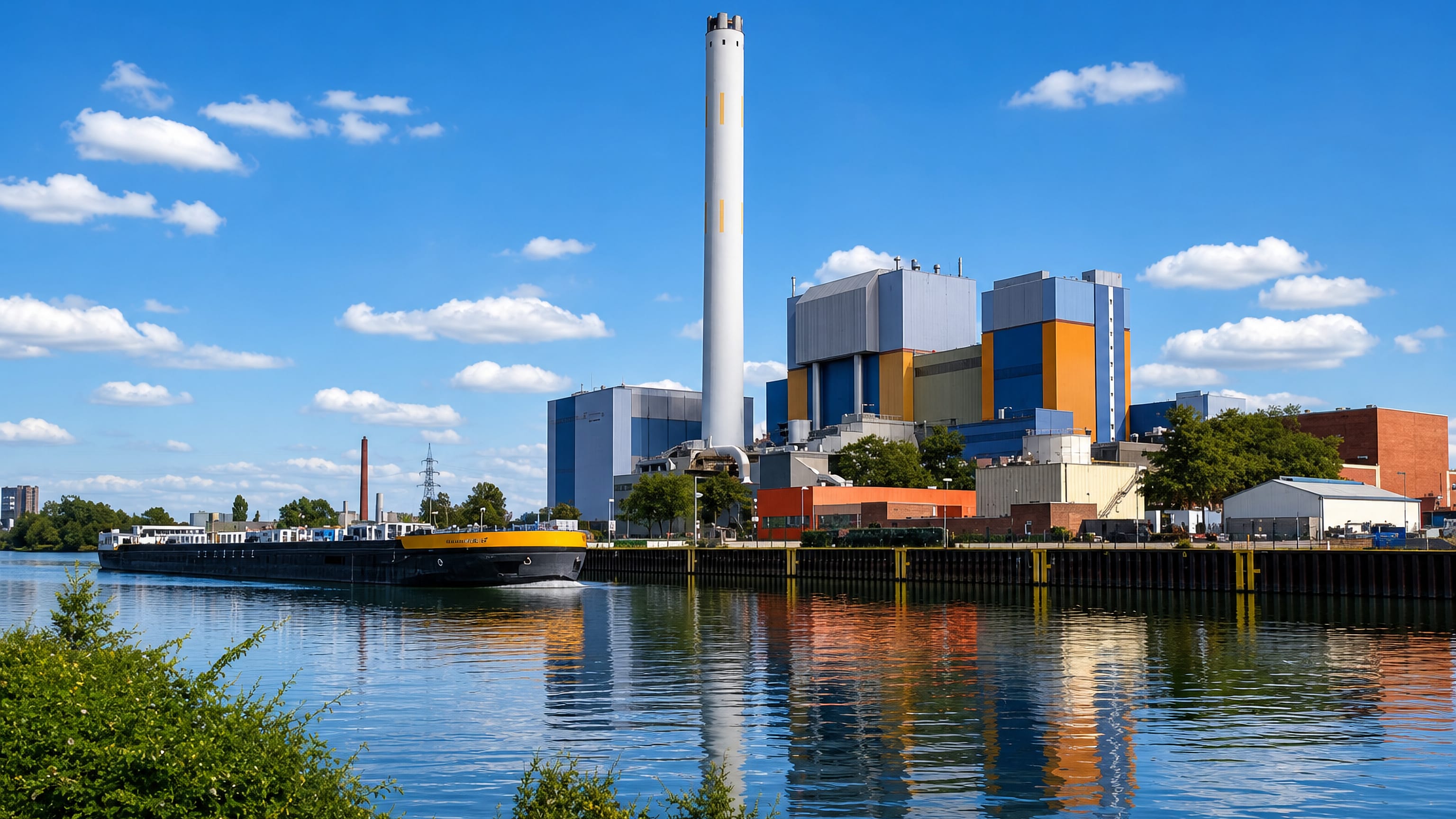
Oberhausen, founded in 1862, turned its industry into museums and put its gasometer on the European Route of Industrial Heritage.
Hotel links are affiliate links: booking through them may earn us a commission, at no extra cost to you. It never affects how places are ranked. How this works


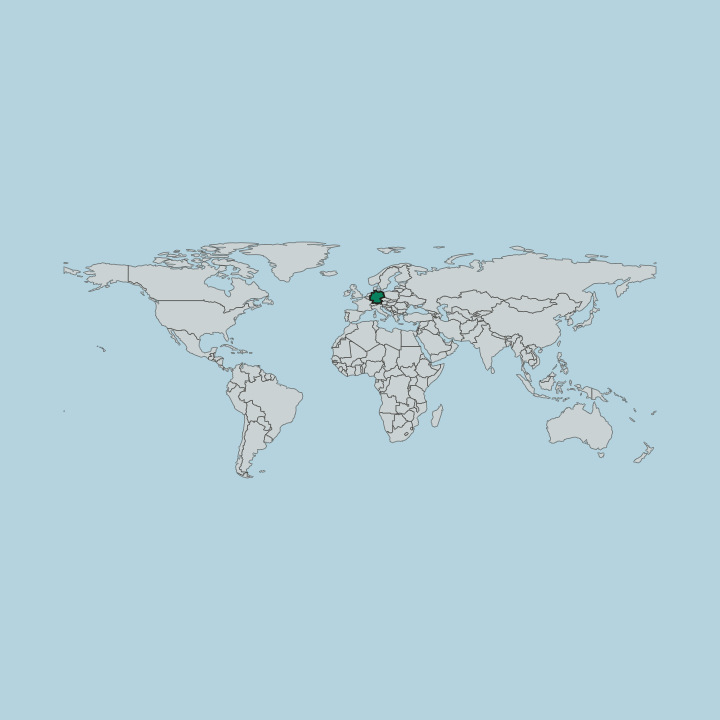
Where to stay in Oberhausen
Each area has its own feel; here's who each one suits.

 OberhausenGermanyQuiet nights by the Lutherkirche Buschhausen
Buschhausen
The Lutherkirche Buschhausen names this outer part of Oberhausen, and a room here sits nearer Museum Eisenheim than the LVR-Industriemuseum Oberhausen. Lodging is scarce in this area; reserve in advance.Buschhausen →OberhausenGermanyAlstaden
Alstaden is one of Oberhausen's smaller districts, not quite four square kilometres of housing gathered around the Evangelische Kirche Alstaden.Where to stay → OberhausenGermany
Osterfeld
Osterfeld is an Oberhausen district where the Centro-Park and the green of the OLGA-Park sit within reach of plain parish streets.Where to stay →OberhausenGermanyBorbeck
Borbeck is a district of Oberhausen whose landmark is Burg Vondern, with the Essen quarter of Dellwig lying just over the boundary.Where to stay → OberhausenGermany
Sterkrade
Sterkrade is a district of Oberhausen whose Friedenskirche marks the middle of a quarter that kept a town's shape of its own.Where to stay →OberhausenGermanyKlosterhardt
Klosterhardt is an Oberhausen district whose centrepiece is an LVR industrial museum housed at the St. Antony ironworks.Where to stay → OberhausenGermany
Biefang
Biefang is a Stadtteil in the west of the Sterkrade district of Oberhausen, first named on 2 February 1282 as Byvanc.Where to stay → OberhausenGermany
Dunkelschlag
Dunkelschlag is a housing-estate district of Oberhausen, recorded as the Siedlung Dunkelschlag and anchored by the Christuskirche.Where to stay →OberhausenGermanyHolten
Holten is an Oberhausen district built around Kastell Holten, a fortified site that gave the quarter its name and its one clear landmark.Where to stay →OberhausenGermanySterkrade Nord
Sterkrade Nord is a district of Oberhausen carrying the official name LSG-Sterkrade-Nord und Schlaegerheide, dated to 1996.Where to stay →Hotel links are affiliate links: booking through them may earn us a commission, at no extra cost to you. It never affects how places are ranked. How this works
Find hotels in Oberhausen
Direct booking searches for these neighbourhoods.
Centro-Park
Centro-Park and the Snooker Arena Germany put a whole indoor weekend on one site, which is the reason to sleep on this side of Oberhausen rather than by the Schloss.Find hotels in Centro-ParkGallery days at Schloss OberhausenSchloss Oberhausen
The Ludwig Galerie Schloss Oberhausen and the Gedenkhalle Schloss Oberhausen occupy the same house, so a bed nearby covers a gallery and a memorial without a second journey. Lodging is scarce in this area; reserve in advance.Find hotels in Schloss OberhausenHotel links are affiliate links: booking through them may earn us a commission, at no extra cost to you. It never affects how places are ranked. How this works
Things to do in Oberhausen
Ranked by global recognition; descriptions from Wikidata (CC0).
Museums & Galleries
3- Aquarius-Wassermuseum Heritage
- Ludwig Galerie Schloss Oberhausen
- Museum Eisenheim
Churches & Religious Sites
8- Saint Joseph Church (Styrum, Oberhausen) Heritage
- Christuskirche Heritage
- Friedenskirche (Oberhausen-Sterkrade) Heritage
- St. Antonius Heritage
- Kirche der Heiligen Erzengel Heritage
Show 3 more →
- St. Josefkirche Buschhausen Heritage
- Pauluskirche Heritage
- St. Katharina Heritage
Castles & Historic Sites
3- Schloss Oberhausen Heritage
- Kastell Holten Heritage
- Burg Vondern
Stadiums & Sports
2- Luise-Albertz-Halle
- Snooker Arena Germany
Parks & Gardens
1- Centro-Park
worth knowingacross 5 categories in Oberhausen
About Oberhausen
Industry became the exhibit.
What is Oberhausen known for?
The gasometer is an anchor point of the European Route of Industrial Heritage, and the LVR-Industriemuseum Oberhausen and Museum Eisenheim carry the same story indoors across a city founded in 1862. Film fills a week. An international short film festival brings screens to Oberhausen each year, and the Luise-Albertz-Halle stands among the larger venues.
What are the main landmarks in Oberhausen?
The gasometer is the anchor. That structure holds Oberhausen's place on the European Route of Industrial Heritage, and the LVR-Industriemuseum Oberhausen and Museum Eisenheim take the same subject indoors. Water has its own museum.
The Aquarius-Wassermuseum sits on the list beside Burg Hagen, Centro-Park, the Luise-Albertz-Halle and the Bunkermuseum Oberhausen im ehemaligen Knappenbunker, which between them cover industry, defence and leisure.
What is the history of Oberhausen?
The city dates from 1862. Most of what the register lists for Oberhausen is industrial or modern, the LVR-Industriemuseum Oberhausen, Museum Eisenheim, the Aquarius-Wassermuseum and the gasometer that anchors its stretch of the European Route of Industrial Heritage. Two names sit outside that.
Burg Hagen and Schloss Oberhausen carry castle and palace titles rather than industrial ones, and the second now holds the Ludwig Galerie Schloss Oberhausen and the Gedenkhalle Schloss Oberhausen. Parishes grew with the works. The Christuskirche, the Pauluskirche, the Auferstehungskirche Heilig Kreuz and the Lutherkirche Buschhausen mark one tradition, while the Saint Anthony of Padua Church in Alstaden and the Saint Joseph Church in Styrum mark another.
Districts kept their names. Alstaden, Styrum and Buschhausen still appear attached to their churches, which is how the older settlements survive on a map otherwise drawn by industry. Memory has two halls.
The Gedenkhalle der Stadt Oberhausen and the Gedenkhalle Schloss Oberhausen both carry that word, and the Bunkermuseum Oberhausen im ehemaligen Knappenbunker preserves a shelter from the same century. Leisure is the newest layer. Centro-Park, the Snooker Arena Germany and the Luise-Albertz-Halle belong to a different register again, and the Aussichtsturm Knappenhalde and the OLGA-Park Observation Tower give the city two viewpoints over its own ground.
Where is Oberhausen?
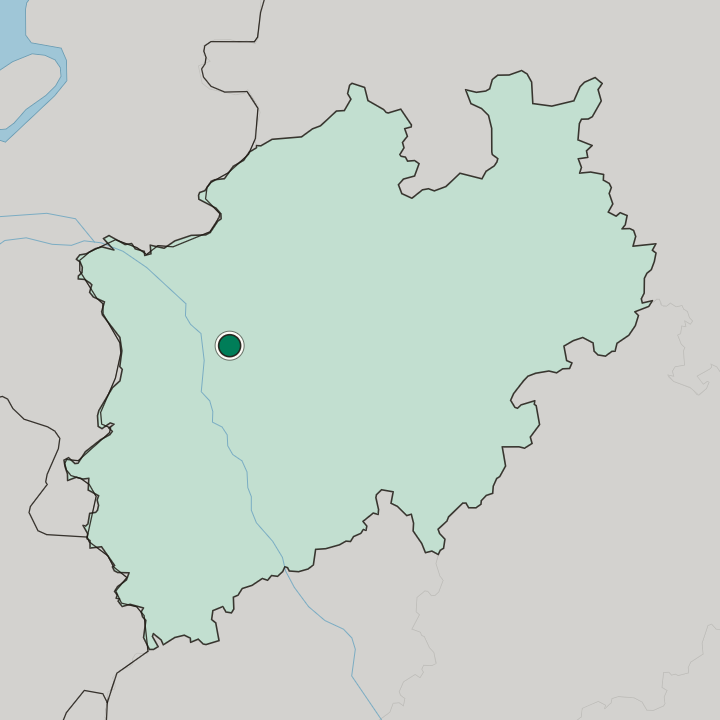
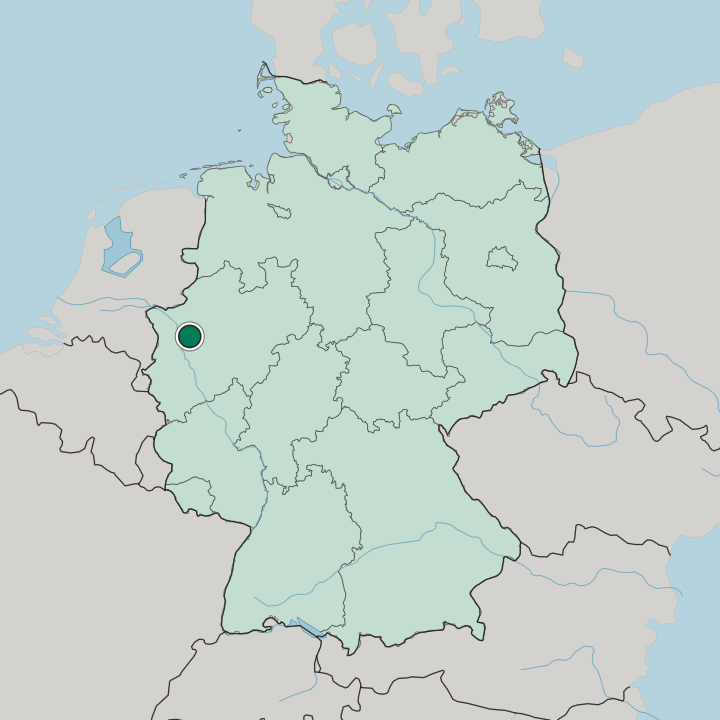
Seventy-seven square kilometres, no more. Oberhausen is a compact municipality in Nordrhein-Westfalen whose named parts, Alstaden, Styrum and Buschhausen among them, sit close enough that no corner is far from another. Two towers give the overview.
The Aussichtsturm Knappenhalde and the OLGA-Park Observation Tower are the places to read that shape from.
What is the climate of Oberhausen?
The towers decide the day. A clear temperate spell makes the Aussichtsturm Knappenhalde and the OLGA-Park Observation Tower worth the climb, and the same weather turns Centro-Park into the fallback rather than the plan. Rain has its uses.
The LVR-Industriemuseum Oberhausen and the Aquarius-Wassermuseum are indoor from end to end.
How do you get to Oberhausen?
Everything is close together. Seventy-seven square kilometres means the LVR-Industriemuseum Oberhausen, Schloss Oberhausen and Centro-Park are all short hops apart once inside the city, whichever direction the arrival comes from. The districts spread the load.
Alstaden, Styrum and Buschhausen each sit away from the middle, so a stay in one of them works better with wheels than without.
Common questions
What is the best area to stay in Oberhausen?
Centro-Park: Indoor weekends at Centro-Park. Schloss Oberhausen: Gallery days at Schloss Oberhausen. Buschhausen: Quiet nights by the Lutherkirche Buschhausen.
Good for
More cities in Nordrhein-Westfalen
Updated October 2026