Germany · Nordrhein-Westfalen
Where to Stay in Paderborn, Nordrhein-Westfalen
Paderborn takes its name from the Pader, a river rising in more than 200 springs beside the cathedral where Saint Liborius is buried.
Hotel links are affiliate links: booking through them may earn us a commission, at no extra cost to you. It never affects how places are ranked. How this works


Where to stay in Paderborn
How the choice of base plays out on the ground.
The cathedral fixes the centre. Paderborn Cathedral, the Diözesanmuseum Paderborn and the Marktkirche give the middle of Paderborn its weight, and the springs of the Pader rise beside the cathedral, so a central room covers the oldest ground and the water at once. Saint Bartholomew's Chapel belongs to the same layer, and the Benedictine Abbey of Abdinghof, the Busdorfkirche and the Michaelskloster Paderborn fill out a religious core dense enough that one bed can serve all of it.
Kaiserpfalzen in Paderborn is the other draw. That palace site carries an imperial name rather than a religious one, and it gives a first-time visitor a second subject entirely. Outer ground is different.
The Ahorn-Sportpark, the Heiersburg and the Deutsches Traktoren- und Modellauto-Museum lie across 180 square kilometres of municipality, and beds near them suit a car and a longer stay. Chapels are scattered. The Alexiuskapelle, the Ikenbergkapelle and the Liboriuskapelle each name a small building of their own, and the Kapuzinerkirche, Sankt Ulrich and Saint Lawrence Church add three more parishes to a city already thick with them.
Stay central unless you have a reason. The reason, when it exists, is usually the Ahorn-Sportpark or a museum out on the edge.
Find hotels in Paderborn
Direct booking searches for these neighbourhoods.
Pader springs
More than 200 springs feed the Pader beside Paderborn Cathedral, and a room here puts that water and the Diözesanmuseum Paderborn at the start of the day.Find hotels in Pader springsStays split between Kaiserpfalzen in Paderborn and the cathedralKaiserpfalz side
Kaiserpfalzen in Paderborn adds an imperial subject to a city otherwise read through the Marktkirche and the Benedictine Abbey of Abdinghof. Rooms are few around here — worth securing early.Find hotels in Kaiserpfalz sideDrivers heading for the Ahorn-SportparkOuter municipality
The Ahorn-Sportpark, the Heiersburg and the Deutsches Traktoren- und Modellauto-Museum lie out across the wider municipality, where beds come with parking rather than a cathedral view. Beds are limited here, so book early.Find hotels in Outer municipalityHotel links are affiliate links: booking through them may earn us a commission, at no extra cost to you. It never affects how places are ranked. How this works
Things to do in Paderborn
Ranked by global recognition; descriptions from Wikidata (CC0).
Museums & Galleries
3- Kaiserpfalzen in Paderborn Heritage
- Heinz Nixdorf MuseumsForum
- Diözesanmuseum Paderborn
Churches & Religious Sites
8- Paderborn Cathedral Heritage
- Saint Bartholomew's Chapel Heritage
- Benedictine Abbey of Abdinghof, Paderborn Heritage
- Marktkirche Heritage
- Busdorfkirche Heritage
Show 3 more →
- Sankt Ulrich Heritage
- Franziskanerkloster Paderborn Heritage
- Michaelskloster Paderborn Heritage
Castles & Historic Sites
1- Heiersburg
Stadiums & Sports
1- Ahorn-Sportpark
worth knowingacross 4 categories in Paderborn
About Paderborn
Springs made the name.
What is Paderborn known for?
The Pader rises in more than 200 of them near Paderborn Cathedral, where Saint Liborius is buried, and the old German word Born for a river source supplies the rest of the city's name. Computing has a museum here. The Heinz Nixdorf MuseumsForum stands apart from the churches on every count.
What are the main landmarks in Paderborn?
Paderborn Cathedral outranks the rest. The Diözesanmuseum Paderborn holds the diocesan collection, and Kaiserpfalzen in Paderborn supplies the imperial counterweight. Chapels come in numbers.
Saint Bartholomew's Chapel, the Alexiuskapelle, the Ikenbergkapelle and the Liboriuskapelle share the register with the Marktkirche, the Busdorfkirche, the Kapuzinerkirche and the Benedictine Abbey of Abdinghof, while the Lichtenturm and the Heiersburg carry names that are not church names at all.
What is the history of Paderborn?
Paderborn began at the water. The Pader rises in more than 200 springs, and the city that grew around them took its name from that river and from Born, an old German word for the source of a river. Saint Liborius is buried in Paderborn Cathedral.
The Liboriuskapelle carries that name too, and the Diözesanmuseum Paderborn keeps the objects that belong with a cathedral of this rank. Emperors held court here. Kaiserpfalzen in Paderborn records the palace ground, and the Heiersburg and the Lichtenturm belong to the same secular register rather than to the diocese.
Monasteries filled the rest. The Benedictine Abbey of Abdinghof, the Franziskanerkloster Paderborn and the Michaelskloster Paderborn each name a house, and the Busdorfkirche and Sankt Ulrich add parish churches to a centre already crowded with them. Chapels multiplied alongside.
The Alexiuskapelle, the Ikenbergkapelle, the Liboriuskapelle and Saint Bartholomew's Chapel are all recorded, as are the Kapuzinerkirche, the Marktkirche and Saint Lawrence Church. Then came something entirely different. The Heinz Nixdorf MuseumsForum and the Deutsches Traktoren- und Modellauto-Museum put computing and machinery on a list that had otherwise run on churches and cloisters.
Where is Paderborn?
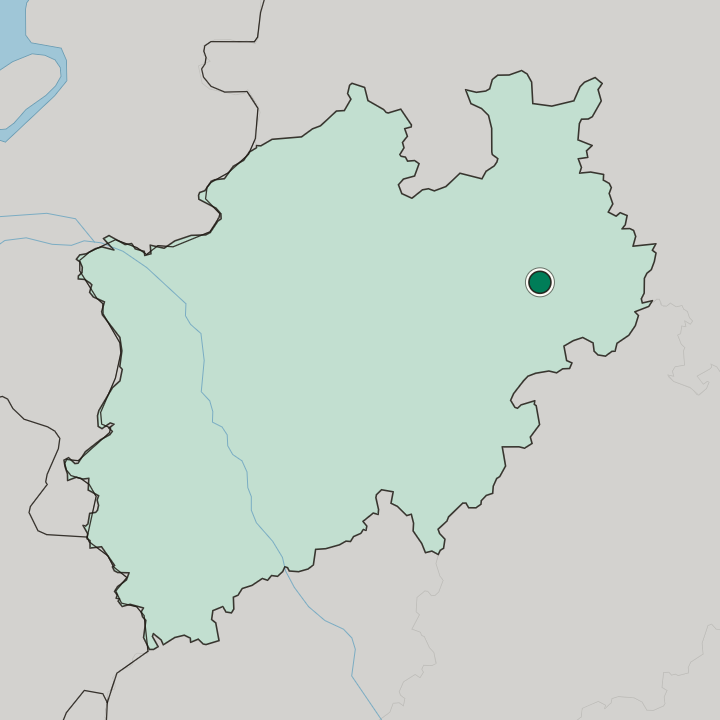
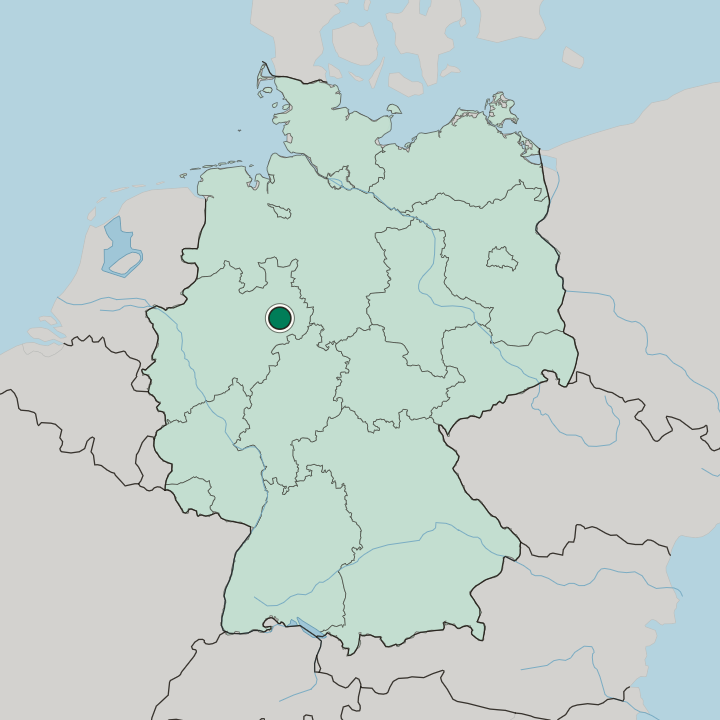
More than 200 springs feed one river. The Pader rises from them and gives Paderborn both its water and its name, and the municipality that grew from that point covers about 180 square kilometres. The district takes the name too.
Paderborn is its capital, which puts the cathedral, the Marktkirche and the Kaiserpfalzen in Paderborn at the centre of a wider administrative area.
What is the climate of Paderborn?
The springs run whatever the season. More than 200 of them feed the Pader through a temperate year without much in the way of extremes, which makes the walk beside Paderborn Cathedral reliable in a way few outdoor attractions are. Indoors always works.
The Heinz Nixdorf MuseumsForum and the Diözesanmuseum Paderborn are the wet-day pair.
How do you get to Paderborn?
Paderborn is a district capital. That status pulls the roads of the Paderborn district into one centre, and the cathedral quarter is where they end up rather than any outer edge. The far side needs wheels.
The Ahorn-Sportpark, the Heiersburg and the Deutsches Traktoren- und Modellauto-Museum sit out across the municipality, well beyond a walk from the Pader springs.
Common questions
What is the best area to stay in Paderborn?
Pader springs: Mornings among the Pader springs. Kaiserpfalz side: Stays split between Kaiserpfalzen in Paderborn and the cathedral. Outer municipality: Drivers heading for the Ahorn-Sportpark.
Good for
More cities in Nordrhein-Westfalen
Updated October 2026