Germany · Nordrhein-Westfalen
Where to Stay in Ratingen, Nordrhein-Westfalen
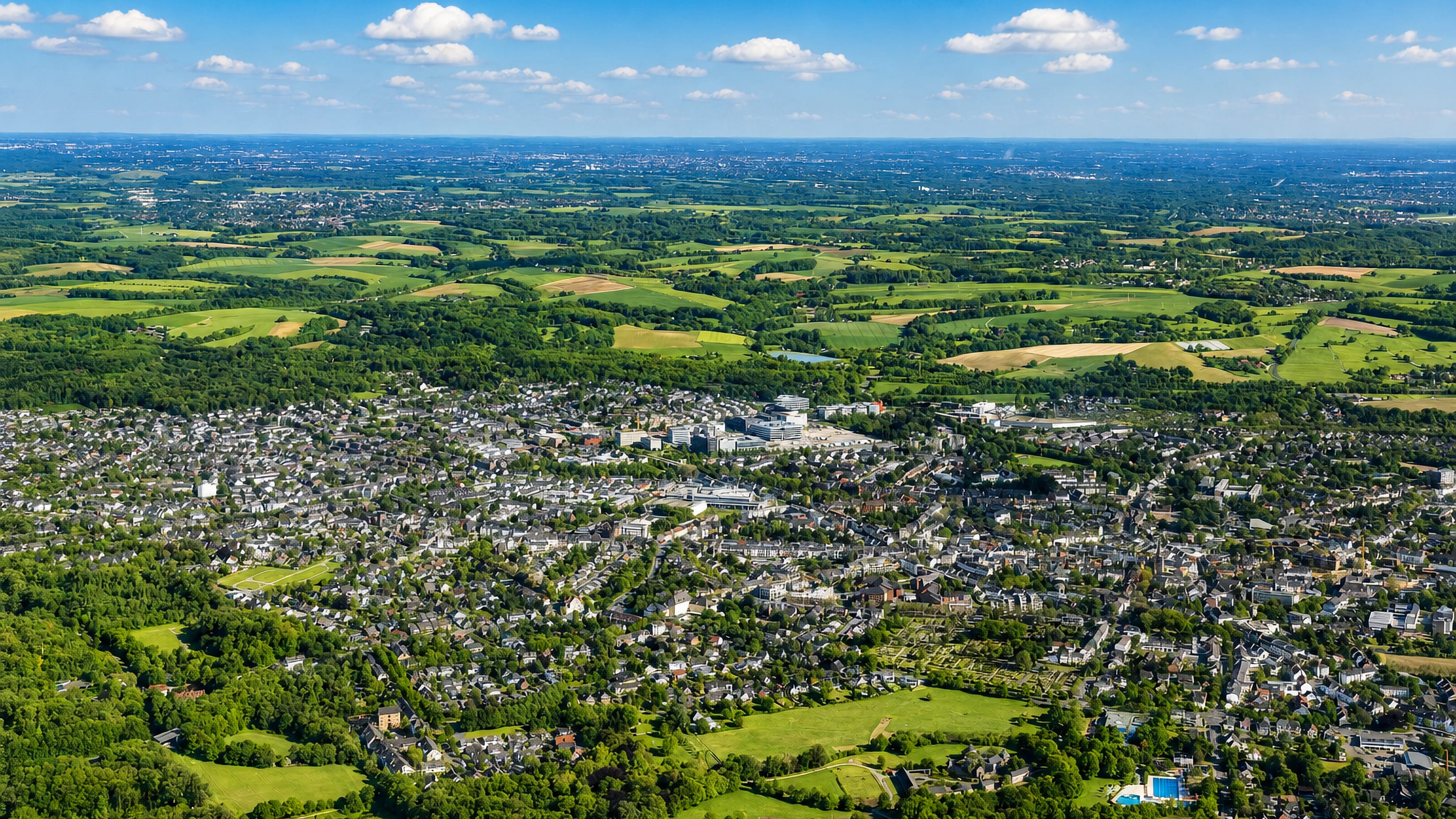
Ratingen stands twelve kilometres north-east of Düsseldorf, holding the Textilfabrik Cromford, Museum Ratingen and Gräfgenstein Castle.
Hotel links are affiliate links: booking through them may earn us a commission, at no extra cost to you. It never affects how places are ranked. How this works


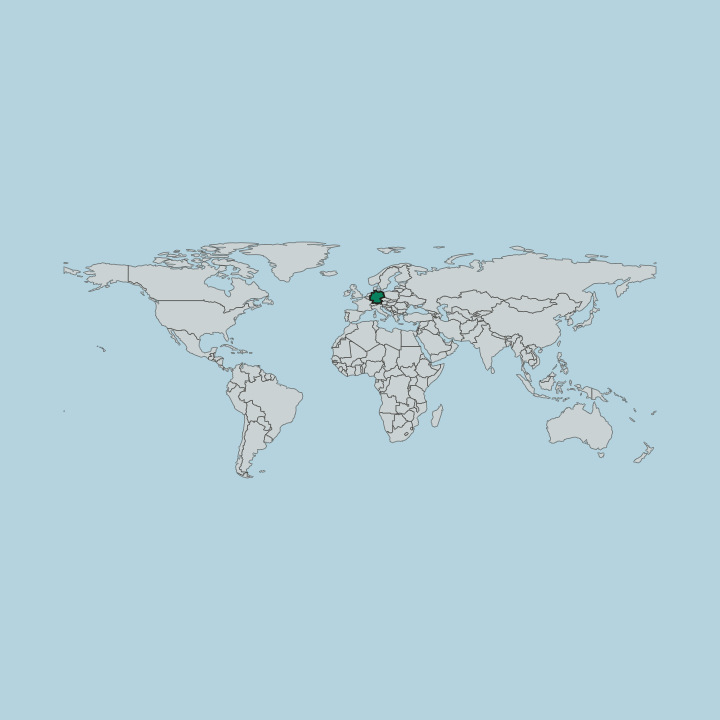
Where to stay in Ratingen
Where visitors usually base themselves, and why.
The centre answers most needs. Museum Ratingen, the Bürgerhaus and the Minorite Monastery Ratingen all sit within the built-up middle, so a room there puts the town's indoor stops and its shops on the same short walk, which is what a one-night stop wants. Der Rote Hahn is part of that fabric too.
The supply of rooms is thin outside the middle, so a late booker should look at the centre first and treat Lintorf as the fallback. Cromford is the other case. A stay near the Textilfabrik Cromford and the Herrenhaus Cromford puts the mill estate at the start of the day instead of at the end of a drive, and that matters more here than it would in a town with one central sight.
Lintorf sits further out again. Its own church and parsonage give the quarter a separate middle, and the quiet is real, though the choice of rooms thins the further the map runs from the centre. Düsseldorf lies twelve kilometres away.
That proximity means many visitors treat Ratingen as the quieter side of a Düsseldorf trip, and the Mettmann district around it fills the rest of the map with small towns rather than resorts.
Find hotels in Ratingen
Direct booking searches for these neighbourhoods.
The centre
Museum Ratingen, the Bürgerhaus and the Minorite Monastery Ratingen stand inside one walkable middleFind hotels in The centreVisitors who want the Textilfabrik Cromford mill estate on the doorstepCromford
The Textilfabrik Cromford and the Herrenhaus Cromford form one estate set apart from the Ratingen shops. Few places to stay nearby — book ahead.Find hotels in CromfordQuiet nights in Lintorf rather than the Ratingen centreLintorf
Lintorf keeps a church and parsonage of its own and a middle separate from the town's. Lodging is scarce in this area; reserve in advance.Find hotels in LintorfHotel links are affiliate links: booking through them may earn us a commission, at no extra cost to you. It never affects how places are ranked. How this works
Things to do in Ratingen
Ranked by global recognition; descriptions from Wikidata (CC0).
Museums & Galleries
2- Textilfabrik Cromford Heritage
- Museum Ratingen
Churches & Religious Sites
6- St. Peter und Paul, Ratingen Heritage
- Catholic Church St. Anna, Ratingen Lintorf Heritage
- Minorite Monastery Ratingen Heritage
- Evangelische Kirche und Pfarrhaus, Ratingen Lintorf Heritage
- St. Josef Heritage
Show 1 more →
- Hauser Kapelle, Ratingen Heritage
Castles & Historic Sites
1- Gräfgenstein Castle Heritage
worth knowingacross 3 categories in Ratingen
About Ratingen
Cotton made the difference here.
What is Ratingen known for?
The Textilfabrik Cromford and the Herrenhaus Cromford share one estate, works and manor house together, and the pair gives Ratingen an industrial monument rather than the usual inventory of churches and castles. Museum Ratingen keeps the town record. Gräfgenstein Castle, Volkardey Manor and the Minorite Monastery Ratingen carry the older layers.
Der Rote Hahn belongs to the same short list.
What are the main landmarks in Ratingen?
The mill estate leads. Textilfabrik Cromford and Herrenhaus Cromford make a works and a manor house on the same ground, and no other entry on the Ratingen list carries that industrial weight. Gräfgenstein Castle and Volkardey Manor follow, both country seats rather than town buildings.
Museum Ratingen and the Bürgerhaus handle the civic side, the Minorite Monastery Ratingen the religious one, and the Jüdischer Friedhof Werdener Straße records a community with a burial ground of its own.
What is the history of Ratingen?
The Cromford name repeats. It sits on the Textilfabrik Cromford and again on the Herrenhaus Cromford, works and manor house on one estate, which is the kind of pairing that only an industrial venture of some scale leaves behind. Both buildings survive.
Museum Ratingen keeps the town's own record, and the Minorite Monastery Ratingen marks a far earlier layer, when religious houses rather than works and manors ordered the settlement. Berg is the frame around all of it. Ratingen lies inside that old territory, twelve kilometres north-east of Düsseldorf, and it stayed a town of the Mettmann district rather than becoming a quarter of the larger city next door.
Lintorf keeps a name of its own. Its church and parsonage carry the Lintorf name rather than the town's, and the Jüdischer Friedhof Werdener Straße, Gräfgenstein Castle and Volkardey Manor put the rest of the record on ground well outside the built-up centre. Der Rote Hahn belongs to the same older stock, a named house rather than a public monument, and the Bürgerhaus stands at the other end of the sequence as the civic room the modern town gave itself.
Where is Ratingen?
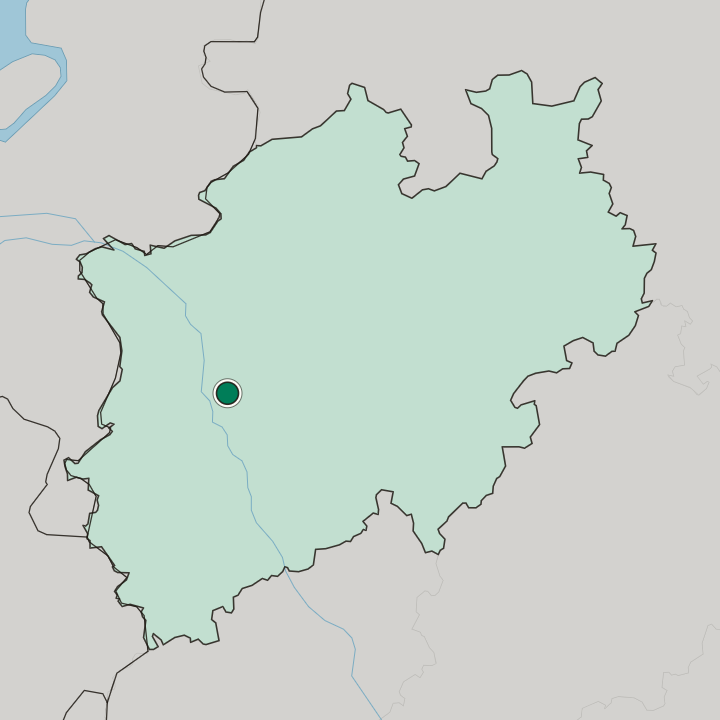
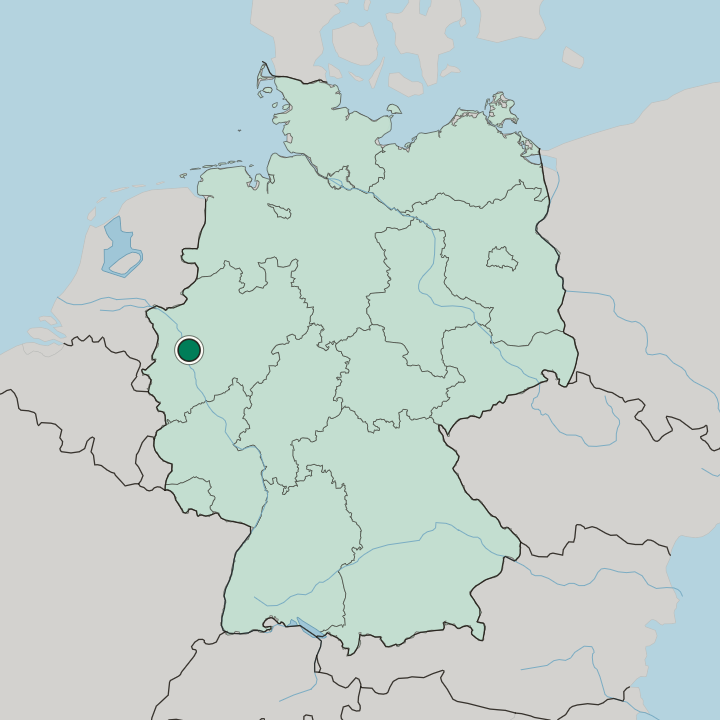
Ratingen covers close to ninety square kilometres, ground enough to hold Lintorf and the Cromford estate as separate places rather than as streets, and the town's outline runs well past the built-up middle. Düsseldorf is twelve kilometres away. Mettmann gives the district its name, Berg gives the wider country its older one, and Nordrhein-Westfalen is the state above both.
What is the climate of Ratingen?
Grey winters, moderate summers. Ratingen sits in the temperate band, close enough to Düsseldorf that the two share the same weather, so what reaches Lintorf reaches the Cromford estate and the centre in the same hour. Rain arrives in every season.
Museum Ratingen and the Bürgerhaus are the obvious indoor answers when a grey afternoon settles over the whole of the Mettmann district.
How do you get to Ratingen?
Düsseldorf is the way in. Ratingen stands twelve kilometres north-east of it, which is a short enough hop that the town works as a base for anyone whose business or sightseeing is really in the larger city. The sights are scattered.
Museum Ratingen and the Bürgerhaus sit in the centre, while the Textilfabrik Cromford, Gräfgenstein Castle and the Lintorf churches lie spread over nearly ninety square kilometres, and working through the full list means moving between quarters rather than walking one.
Common questions
What is the best area to stay in Ratingen?
The centre: One-night stops built around Museum Ratingen and the Bürgerhaus. Cromford: Visitors who want the Textilfabrik Cromford mill estate on the doorstep. Lintorf: Quiet nights in Lintorf rather than the Ratingen centre.
Good for
More cities in Nordrhein-Westfalen
Updated October 2026