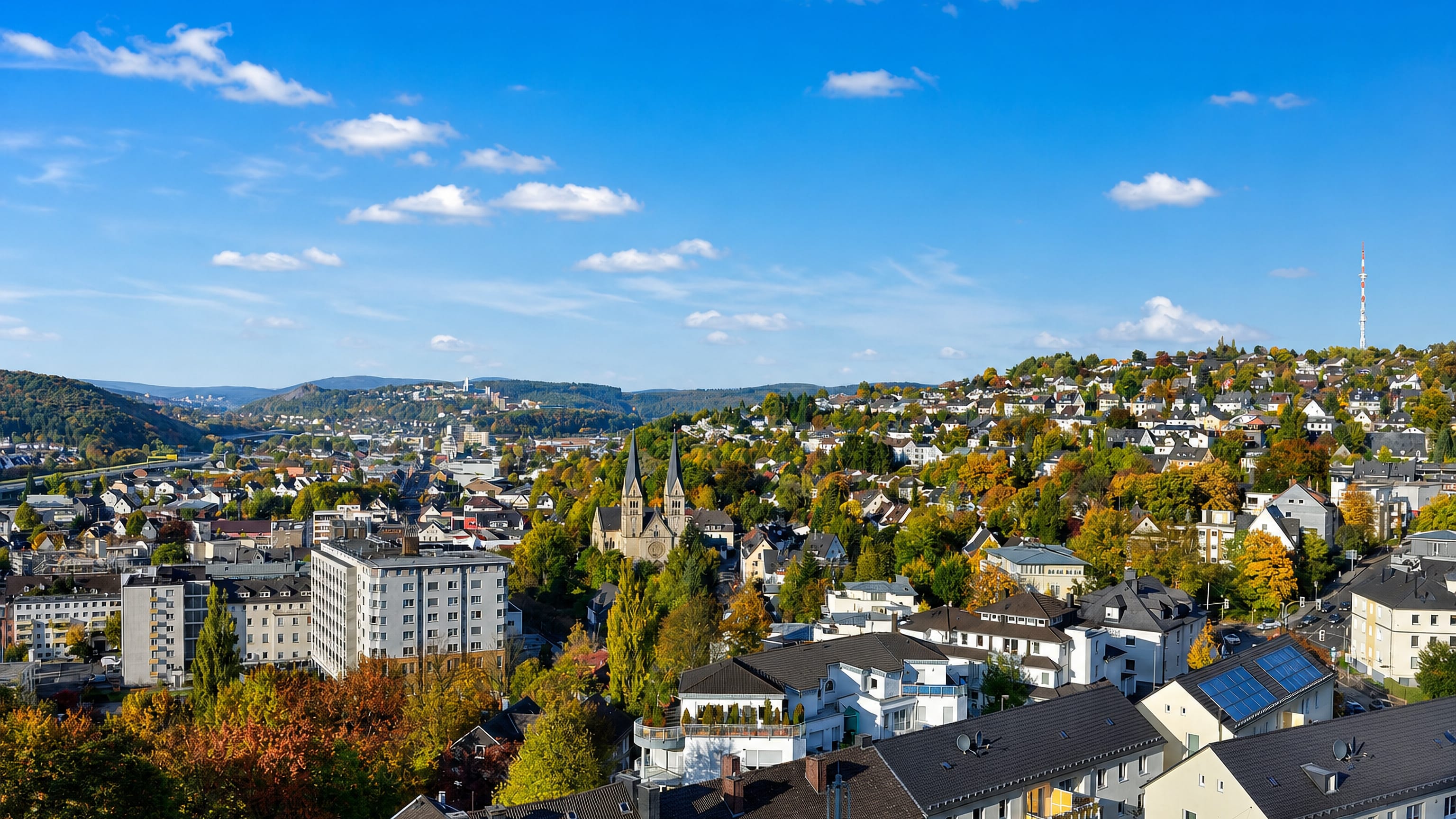
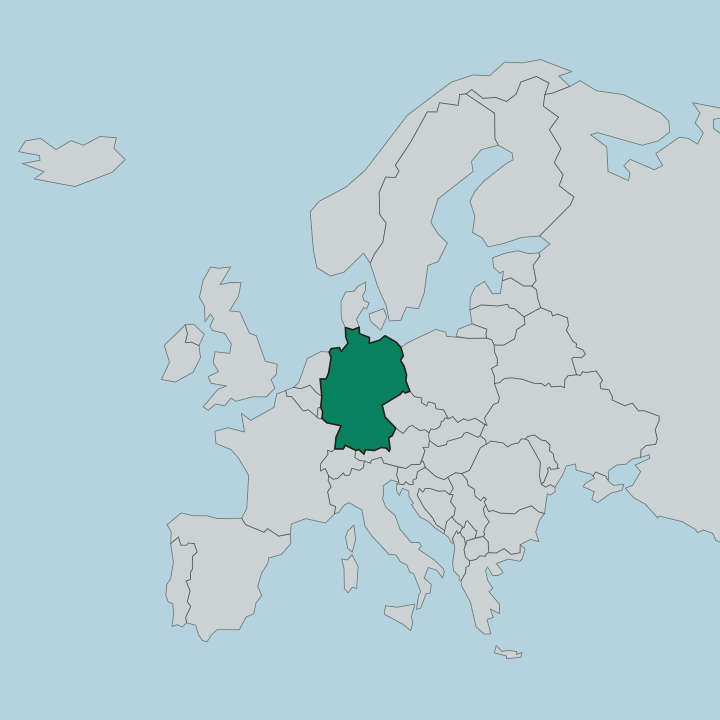
Germany · Nordrhein-Westfalen
Where to Stay in Siegen, Nordrhein-Westfalen
Siegen keeps two palaces, the Oberes Schloss and the Unteres Schloss, alongside the University of Siegen and four museums.
Hotel links are affiliate links: booking through them may earn us a commission, at no extra cost to you. It never affects how places are ranked. How this works


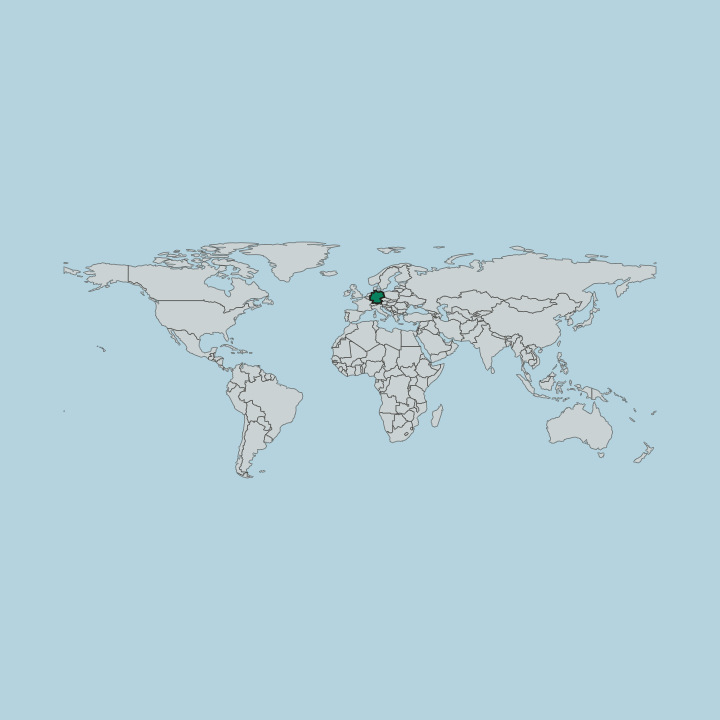
Where to stay in Siegen
Where the beds are, and what that means for the visit.
Two palaces split the choice. The Unteres Schloss belongs to the working town, and a room near it keeps the Marburger Tor, the Nikolaikirche and the shops on one circuit, which is the arrangement most short stays want. The Oberes Schloss is the other pole.
It holds the Siegerlandmuseum, so a base on that side turns the main collection into a first stop rather than an afternoon errand. Students change the picture. The University of Siegen and the FOM campus keep a student body in the town through term, so a bed can be harder to find than the size of the place suggests.
The rest spreads wide. Siegen covers a hundred and fourteen square kilometres, and the Haardter Kirche, the Gilbergturm and the Südwestfälisches Eisenbahnmuseum are spread across it rather than gathered at the palaces, so a car earns its keep on any stay longer than a night. The Museum für Gegenwartskunst Siegen and the Aktives museum Südwestfalen fill the same central day as the Unteres Schloss.
Anyone arriving without a booking should try the Unteres Schloss end first, where the town's own business keeps the rooms, rather than the outer quarters.
Find hotels in Siegen
Direct booking searches for these neighbourhoods.
Around the Unteres Schloss
The Unteres Schloss and the Marburger Tor belong to the everyday side of Siegen, away from the museum palaceFind hotels in Around the Unteres SchlossVisitors putting the Siegerlandmuseum and the Oberes Schloss firstAround the Oberes Schloss
The Siegerlandmuseum occupies the Oberes Schloss, so one palace doubles as the region's main collection. Lodging is scarce in this area; reserve in advance.Find hotels in Around the Oberes SchlossTerm-time stays tied to the University of SiegenThe university quarter
The University of Siegen and the FOM campus keep a student trade the palace end does notFind hotels in The university quarterHotel links are affiliate links: booking through them may earn us a commission, at no extra cost to you. It never affects how places are ranked. How this works
Things to do in Siegen
Ranked by global recognition; descriptions from Wikidata (CC0).
Museums & Galleries
2- Museum für Gegenwartskunst Siegen
- Aktives museum Südwestfalen
Churches & Religious Sites
4- Nikolaikirche (Siegen) Heritage
- Martinikirche Heritage
- Haardter Kirche Heritage
- Christuskirche Heritage
Castles & Historic Sites
2- Oberes Schloss Heritage
- Unteres Schloss Heritage
Landmarks & Notable Places
2- Marburger Tor
- Dicker Turm
worth knowingacross 4 categories in Siegen
About Siegen
Two palaces in one city.
What is Siegen known for?
The Oberes Schloss and the Unteres Schloss both stand in Siegen, and the Siegerlandmuseum occupies the upper of the two, which puts a regional collection inside a palace rather than in a purpose-built hall. Students fill the streets. The University of Siegen and a campus of the FOM University of Applied Sciences for Economics and Management both sit here, and the Museum für Gegenwartskunst Siegen adds contemporary art to a list otherwise made of castles and churches.
What are the main landmarks in Siegen?
Castles, towers and a gate. The Oberes Schloss and the Unteres Schloss are the two palaces, the Gilbergturm and the Dicker Turm the two towers, and the Marburger Tor the one surviving gate on the list. Six church buildings follow.
The Martinikirche, the Nikolaikirche, the Christuskirche and the Haardter Kirche are named among them, and four museums round out the inventory, from the Siegerlandmuseum to the Südwestfälisches Eisenbahnmuseum.
What is the history of Siegen?
Two palaces mark the older order. The Oberes Schloss and the Unteres Schloss are both seats of the kind a ruling house builds, and a town that ended up with two of them did not acquire them in one century. Defences came with them.
The Marburger Tor, the Dicker Turm and the Gilbergturm read as the surviving pieces of a fortified town, and their names alone place Siegen among the walled settlements rather than the open market villages of the region. Railways arrived later. The Südwestfälisches Eisenbahnmuseum keeps that chapter, and its name ties Siegen to the wider Südwestfalen rather than to the town alone.
Six parish churches followed. The Martinikirche, the Nikolaikirche and the Christuskirche belong to the town itself, while the Haardter Kirche carries a separate name and a separate ground. Teaching reshaped the modern city.
The University of Siegen and a campus of the FOM University of Applied Sciences for Economics and Management brought a student body into a place whose earlier record is all palaces, towers and parishes, and the Museum für Gegenwartskunst Siegen belongs to that same later turn. The Siegerlandmuseum sits inside the Oberes Schloss, which puts the region's record inside one of the two palaces.
Where is Siegen?
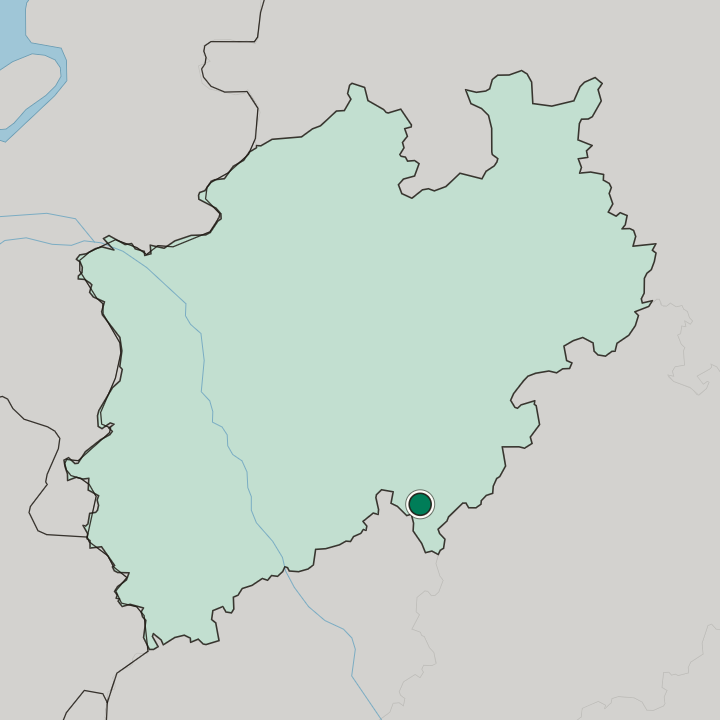
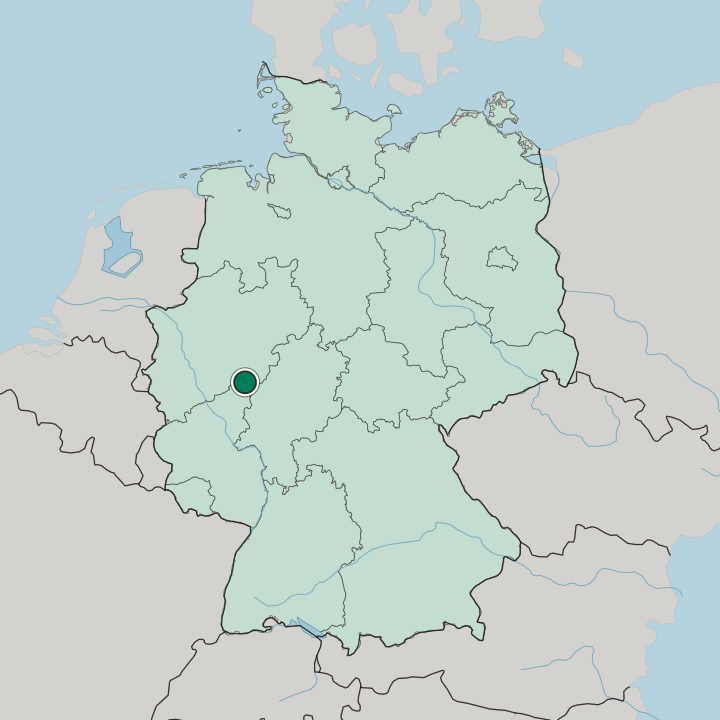
A hundred and fourteen square kilometres. Siegen spreads over that ground in the Westphalian part of Nordrhein-Westfalen, with the Haardter Kirche and the Gilbergturm among the outlying names and the two palaces at its core. Südwestfalen is the wider label, and the Siegerlandmuseum carries the older regional name on its own front.
What is the climate of Siegen?
Wet weeks are normal here. Siegen sits in the temperate band of Südwestfalen, where rain comes in every season and the winters stay grey rather than severe, so an itinerary built only on the Gilbergturm and the Haardter Kirche can lose a whole day. Four museums cover that.
The Siegerlandmuseum, the Museum für Gegenwartskunst Siegen, the Aktives museum Südwestfalen and the Südwestfälisches Eisenbahnmuseum give the town four indoor days, and the Oberes Schloss holds the first of them.
How do you get to Siegen?
Students arrive every term. The University of Siegen and the FOM campus bring people into the city on a schedule of their own, which is the traffic that shapes a place with a hundred and fourteen square kilometres to cover. The Marburger Tor names an old road.
Once inside, the Unteres Schloss, the Nikolaikirche and the Martinikirche make a walkable group, while the Südwestfälisches Eisenbahnmuseum and the Haardter Kirche sit far enough apart that a day covering both is a driving day.
Common questions
What is the best area to stay in Siegen?
Around the Unteres Schloss: Stays that put the Unteres Schloss and the Marburger Tor at the door. Around the Oberes Schloss: Visitors putting the Siegerlandmuseum and the Oberes Schloss first. The university quarter: Term-time stays tied to the University of Siegen.
Good for
More cities in Nordrhein-Westfalen
Updated October 2026