Germany · Nordrhein-Westfalen
Where to Stay in Solingen, Nordrhein-Westfalen
Solingen was first recorded in 1067. Its knife and sword makers gave the city a name that travelled far past the Bergisches Land.
Hotel links are affiliate links: booking through them may earn us a commission, at no extra cost to you. It never affects how places are ranked. How this works


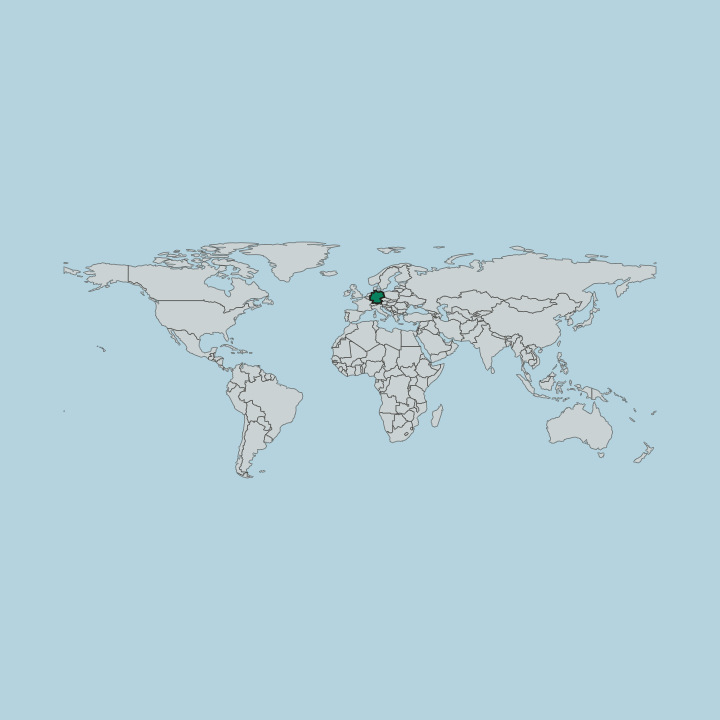
Where to stay in Solingen
One neighbourhood here has its own guide — here's what it is best for.

 SolingenGermany
Ohligs
Ohligs is the westernmost Stadtteil of Solingen, a Hofschaft grown into a town after the 1867 railway station, taking its present name on 11 August 1891.Where to stay →Hotel links are affiliate links: booking through them may earn us a commission, at no extra cost to you. It never affects how places are ranked. How this works
Find hotels in Solingen
Direct booking searches for these neighbourhoods.
Around the Kunstmuseum Solingen
The Kunstmuseum Solingen, the Zentrum für verfolgte Künste and the Museum Plagiarius share the built-up middleFind hotels in Around the Kunstmuseum SolingenQuieter nights beside the Protestant Church in WaldWald
Wald keeps a centre of its own around its Protestant church, clear of the Solingen shopping streets. Few places to stay nearby — book ahead.Find hotels in WaldTramway visitors starting early on the Wuppertal-Kohlfurth heritage lineKohlfurth
The Wuppertal-Kohlfurth heritage tramway and the Bergische Museumsbahnen rolling stock are the reason to sleep out here. Rooms are few around here — worth securing early.Find hotels in KohlfurthHotel links are affiliate links: booking through them may earn us a commission, at no extra cost to you. It never affects how places are ranked. How this works
Things to do in Solingen
Ranked by global recognition; descriptions from Wikidata (CC0).
Museums & Galleries
3- Waschhaus Weegerhof Heritage
- Zentrum für verfolgte Künste
- Kunstmuseum Solingen
Churches & Religious Sites
5- St. Clemens Heritage
- Lutherkirche Heritage
- Protestant Church (Wald, Solingen) Heritage
- St. Joseph Heritage
- Dorper Kirche Solingen Heritage
Landmarks & Notable Places
1- Fernmeldeturm Solingen
worth knowingacross 3 categories in Solingen
About Solingen
Steel is the through-line.
What is Solingen known for?
Hendrich's Drop Forge and the Manuelskotten come straight out of the blade trade, while the Museum Plagiarius, the Kunstmuseum Solingen and the Zentrum für verfolgte Künste give the city a museum list far longer than its size suggests. The Laurel & Hardy Museum fits none of that. Bergische Museumsbahnen and the Wuppertal-Kohlfurth heritage tramway both keep old rolling stock in service, and the Fernmeldeturm Solingen stands over the whole of it.
What are the main landmarks in Solingen?
Church buildings carry the older half of the list. St. Clemens, St. Katharina, the Lutherkirche and the Dorper Kirche Solingen all stand within the city, with the Adventkapelle and the Protestant Church (Wald, Solingen) added to them. Workshops fill out the newer half.
Hendrich's Drop Forge, the Manuelskotten and the Waschhaus Weegerhof are working buildings rather than monuments, and the Fernmeldeturm Solingen rises higher than any of them.
What is the history of Solingen?
The written record starts in 1067. Two religious foundations sit in the city's landmark list, the Minoritenkloster Solingen and the Jesuitenniederlassung Solingen, alongside parish churches that include the Lutherkirche and the Dorper Kirche Solingen. Parish life spread across the quarters, so Wald and Dorp each ended up with a church of their own rather than sharing one centre.
The blade trade outgrew all of it. Knives and swords were made here across centuries, and the name Solingen travelled with the goods far past the Bergisches Land and the Rhineland that the city answers to administratively. Hendrich's Drop Forge and the Manuelskotten survive as buildings from that trade.
Memory has its own buildings here, the Mahnmal Solinger Bürger und Bürgerinnen and the Zentrum für verfolgte Künste among them, the second an institution whose name states its subject outright. Wuppertal remains the larger. Solingen ranks second in the Bergisches Land behind it, and the Wuppertal-Kohlfurth heritage tramway still carries passengers over a stretch of the older network. The Laurel & Hardy Museum sits oddly beside all of that, and the Museum Plagiarius puts imitation itself on display.
Where is Solingen?
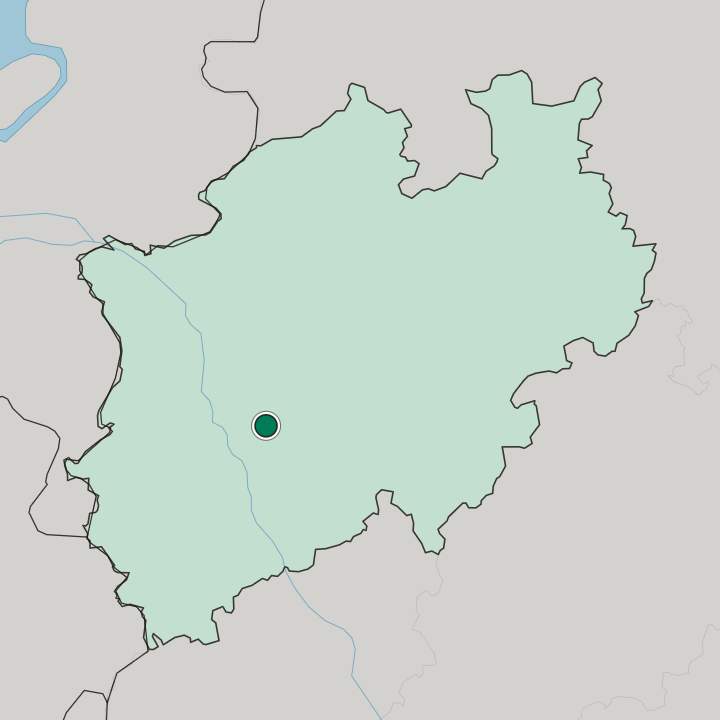
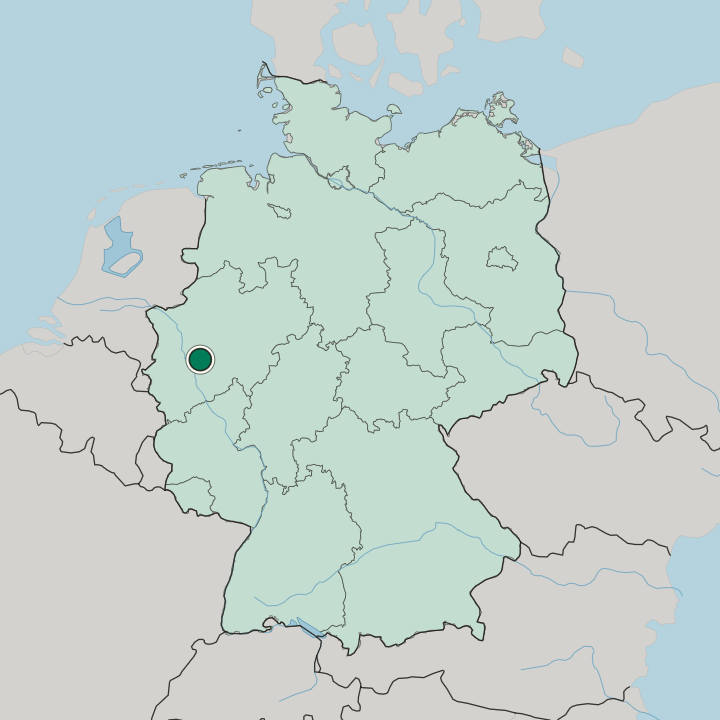
Solingen covers about 89 square kilometres east of Düsseldorf, taking in the ground along the northern edge of the Bergisches Land and lying south of the Ruhr. Wuppertal shares the region. Wald and Dorp are quarters of the same municipality rather than separate towns, and Kohlfurth carries Wuppertal's name in front of its own.
The Fernmeldeturm Solingen is the tallest thing standing over any of it.
What is the climate of Solingen?
Temperate is the whole story. The Bergisches Land keeps Solingen mild and damp rather than extreme, with grey winters and summers that rarely push far in either direction. Rain makes the indoor half of the list useful, and the Kunstmuseum Solingen, the Museum Plagiarius and the Zentrum für verfolgte Künste absorb an afternoon without anyone having to plan for it.
How do you get to Solingen?
Most arrivals come by road. Solingen lies east of Düsseldorf and south of the Ruhr, so arrivals generally come through one of those two directions rather than from the Bergisches Land side of it. Wuppertal shares the region with it.
Once inside, Wald, Dorp and the central streets are separate errands, and the Bergische Museumsbahnen and the Wuppertal-Kohlfurth heritage tramway sit far enough out that they need a trip of their own.
Common questions
What is the best area to stay in Solingen?
Around the Kunstmuseum Solingen: Museum-led stays taking in the Zentrum für verfolgte Künste and the Museum Plagiarius on foot. Wald: Quieter nights beside the Protestant Church in Wald. Kohlfurth: Tramway visitors starting early on the Wuppertal-Kohlfurth heritage line.
Good for
More cities in Nordrhein-Westfalen
Updated October 2026