Germany · Nordrhein-Westfalen
Where to Stay in Velbert, Nordrhein-Westfalen
Velbert, in the district of Mettmann, produces locks and fittings, and the Deutsches Schloss- und Beschlägemuseum is named for exactly that.
Hotel links are affiliate links: booking through them may earn us a commission, at no extra cost to you. It never affects how places are ranked. How this works


Where to stay in Velbert
Where the beds are, and what that means for the visit.
Burg Hardenberg is the name most visits organise themselves around, and a room within reach of it keeps the Deutsches Schloss- und Beschlägemuseum and the Alte Kirche Velbert in the same afternoon. Most stays begin there. St. Marien, the Christuskirche and St. Antonius von Padua are the churches nearest that choice, so a central stay covers the parish half of the list without a car.
Tönisheide sits apart. The Evangelische Kirche Tönisheide gives that quarter a centre of its own, and a bed there suits anyone who would rather end the day away from the shopping streets than in the middle of them. Hetterscheidt is the third.
Schloss Hetterscheidt carries the quarter's name, and staying at that end of Velbert works for a visit built on the two castles rather than on the museum. Heiligenhaus is a separate town. Its Heimatkundliche Sammlung Heiligenhaus and the Museum der freiwilligen Feuerwehr der Stadt Heiligenhaus turn up on the same landmark list even though they belong to a neighbouring municipality, so neither is a walk from a Velbert bed.
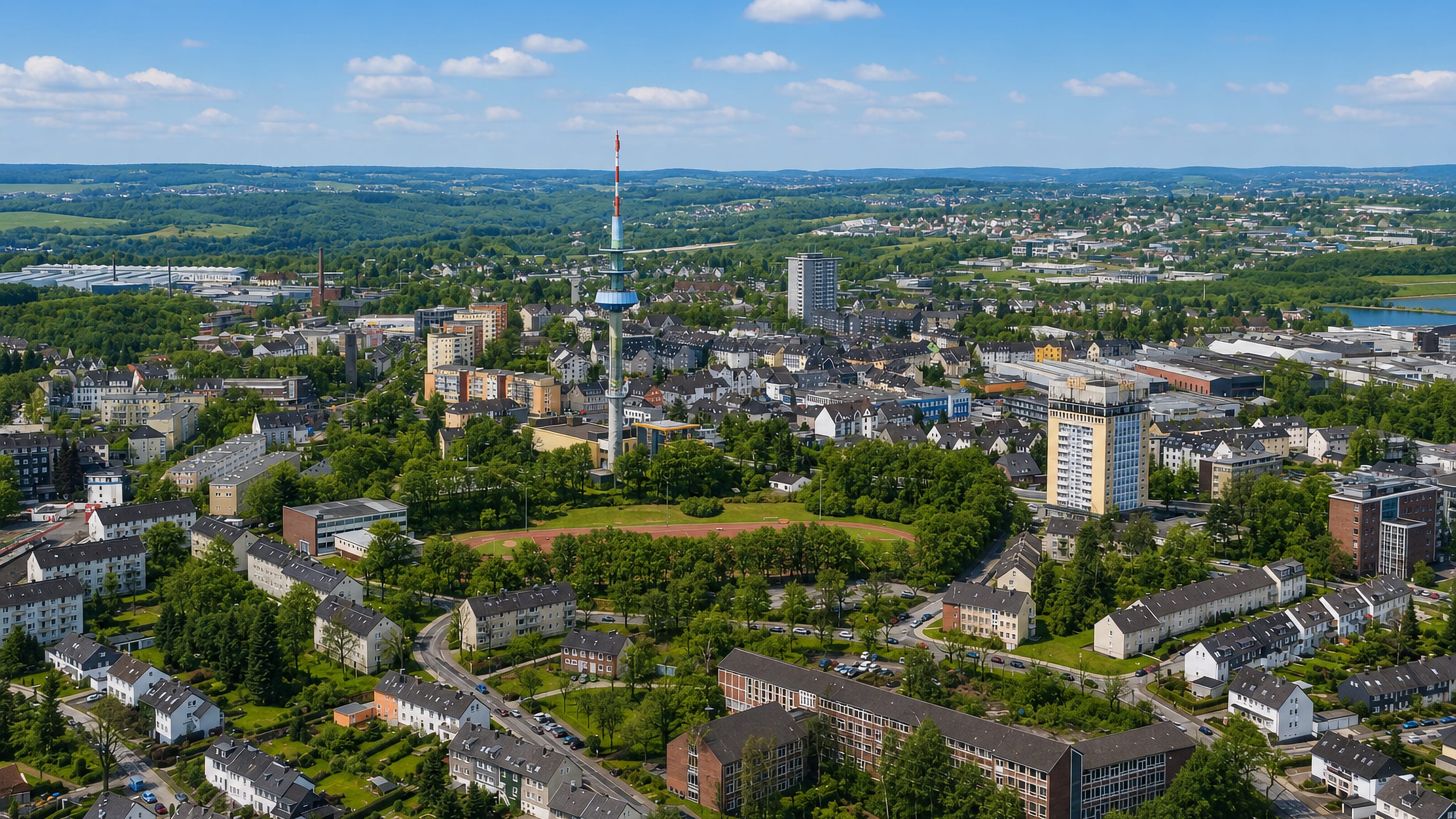
Seventy-five square kilometres separate the ends of the city. The Fernmeldeturm Velbert and the Sportzentrum Velbert are further reminders that a car decides how much of this list a short stay can take in.
Find hotels in Velbert
Direct booking searches for these neighbourhoods.
Around Burg Hardenberg
Burg Hardenberg, the Alte Kirche Velbert and the Deutsches Schloss- und Beschlägemuseum fall into one walkFind hotels in Around Burg HardenbergQuiet nights around the Evangelische Kirche TönisheideTönisheide
The Evangelische Kirche Tönisheide is the whole of what Tönisheide keeps to itself. Beds are limited here, so book early.Find hotels in TönisheideTwo-castle visits beginning at Schloss HetterscheidtHetterscheidt
Schloss Hetterscheidt gives Hetterscheidt its name and its one reason to sleep out there. Beds are limited here, so book early.Find hotels in HetterscheidtHotel links are affiliate links: booking through them may earn us a commission, at no extra cost to you. It never affects how places are ranked. How this works
Things to do in Velbert
Ranked by global recognition; descriptions from Wikidata (CC0).
Museums & Galleries
3- Deutsches Schloss- und Beschlägemuseum,
- Heimatkundliche Sammlung Heiligenhaus
- Museum der freiwilligen Feuerwehr der Stadt Heiligenhaus
Churches & Religious Sites
4- Christuskirche Heritage
- St. Marien Heritage
- Alte Kirche Velbert Heritage
- Evangelische Kirche Tönisheide Heritage
Castles & Historic Sites
2- Burg Hardenberg Heritage
- Schloss Hetterscheidt
Stadiums & Sports
1- Sportzentrum Velbert
Landmarks & Notable Places
1- Fernmeldeturm Velbert
worth knowingacross 5 categories in Velbert
About Velbert
Locks and fittings first.
What is Velbert known for?
The Deutsches Schloss- und Beschlägemuseum takes the trade as its whole subject, which is a narrower brief than most municipal museums attempt and the clearest statement Velbert makes about itself. Burg Hardenberg and Schloss Hetterscheidt are the two fortified names. Five churches follow them, and the Fernmeldeturm Velbert and the Wasserturm Steeger Straße put two towers of very different purpose on the same short list.
What are the main landmarks in Velbert?
Velbert leads with a pair of castles. Burg Hardenberg and Schloss Hetterscheidt are the fortified pair, and the five churches behind them run from the Alte Kirche Velbert and the Christuskirche to St. Marien, St. Antonius von Padua and the Evangelische Kirche Tönisheide. Towers make up the rest.
The Wasserturm Steeger Straße and the Fernmeldeturm Velbert stand for water and broadcasting, while the Deutsches Schloss- und Beschlägemuseum and the Sportzentrum Velbert cover the indoor end of the same inventory.
What is the history of Velbert?
Two castles came before the trade. Burg Hardenberg and Schloss Hetterscheidt hold the oldest end of the record, each one attached to ground that later became a quarter of the same municipality. The Alte Kirche Velbert carries its age in its name, and the four churches that followed it, St. Marien, the Christuskirche, St. Antonius von Padua and the Evangelische Kirche Tönisheide, mark the spread of parishes across the quarters.
Then came the locks. Velbert built its name on locks and fittings, and the Deutsches Schloss- und Beschlägemuseum takes that single industry as its entire subject. Infrastructure dates the next layer.
The Wasserturm Steeger Straße belongs to the business of supplying a growing industrial town with water, and the Fernmeldeturm Velbert belongs to a much later century of signals. Mettmann is the district above it. Velbert answers to Mettmann, and the Heimatkundliche Sammlung Heiligenhaus and the Museum der freiwilligen Feuerwehr der Stadt Heiligenhaus show how closely a neighbouring municipality is bound into the same record.
The Sportzentrum Velbert answers to none of those chapters. Seventy-five square kilometres of Nordrhein-Westfalen hold the whole sequence, from the two castles through the parish churches to a museum built around a lock.
Where is Velbert?
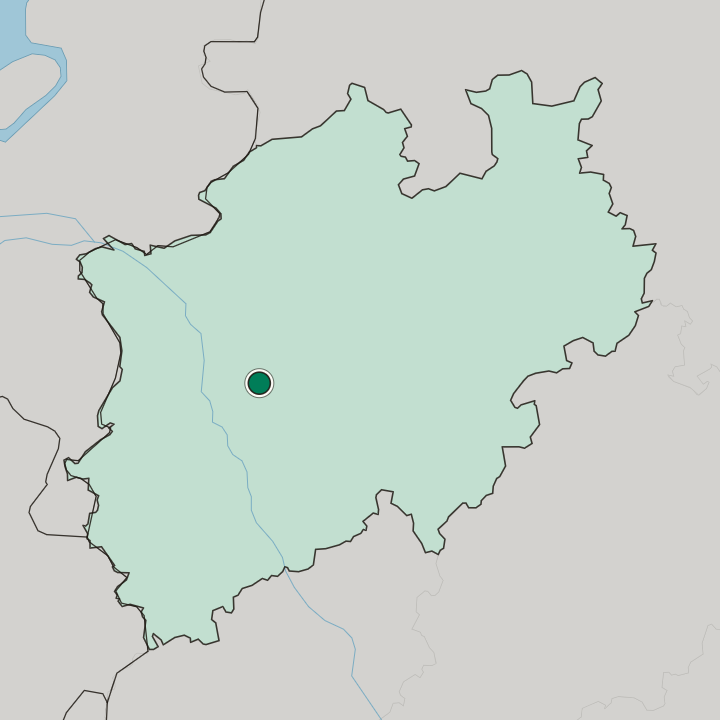
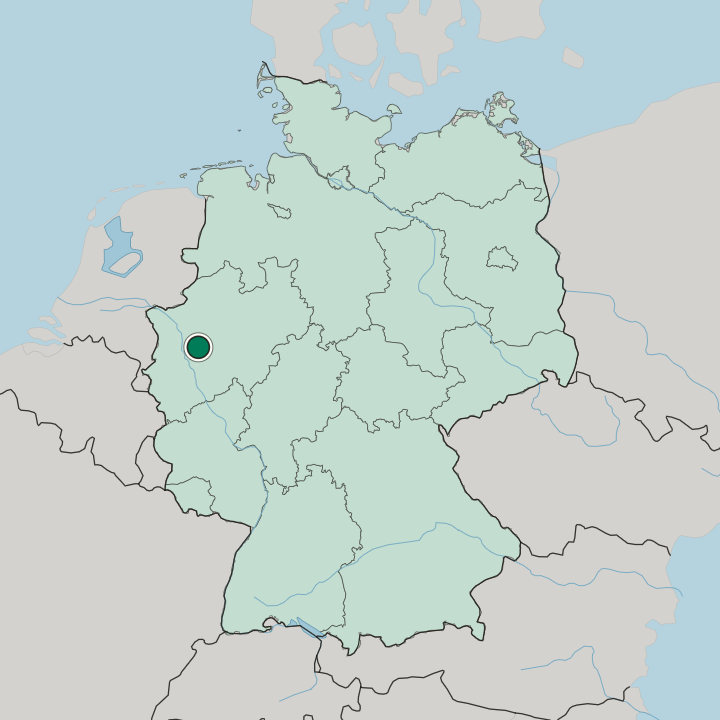
Seventy-five square kilometres of the Mettmann district make up Velbert, which is enough ground for Tönisheide and Hetterscheidt to keep names of their own. Heiligenhaus is the neighbour on the list. The Fernmeldeturm Velbert and the Wasserturm Steeger Straße are the two structures that stand above the rest of it, and Nordrhein-Westfalen is the state the whole municipality answers to.
What is the climate of Velbert?
Grey days outnumber bright ones. The temperate air over the Mettmann district gives Velbert mild winters and summers that stop short of heat, with rain distributed across the year rather than saved for one season. The museum takes the wet afternoons.
Burg Hardenberg and Schloss Hetterscheidt are better kept for a dry one, since both are worth more from outside than from under an umbrella.
How do you get to Velbert?
Arrivals come through the Mettmann district. Velbert sits inside it, and the two castles, the five churches and the Deutsches Schloss- und Beschlägemuseum are spread widely enough that no single arrival point puts all of them within walking distance. Tönisheide and Hetterscheidt need their own legs.
Heiligenhaus needs one too, since its Heimatkundliche Sammlung Heiligenhaus sits in a municipality of its own despite appearing on the Velbert list.
Common questions
What is the best area to stay in Velbert?
Around Burg Hardenberg: Castle-first stays with the Deutsches Schloss- und Beschlägemuseum in the same afternoon. Tönisheide: Quiet nights around the Evangelische Kirche Tönisheide. Hetterscheidt: Two-castle visits beginning at Schloss Hetterscheidt.
Good for
More cities in Nordrhein-Westfalen
Updated October 2026