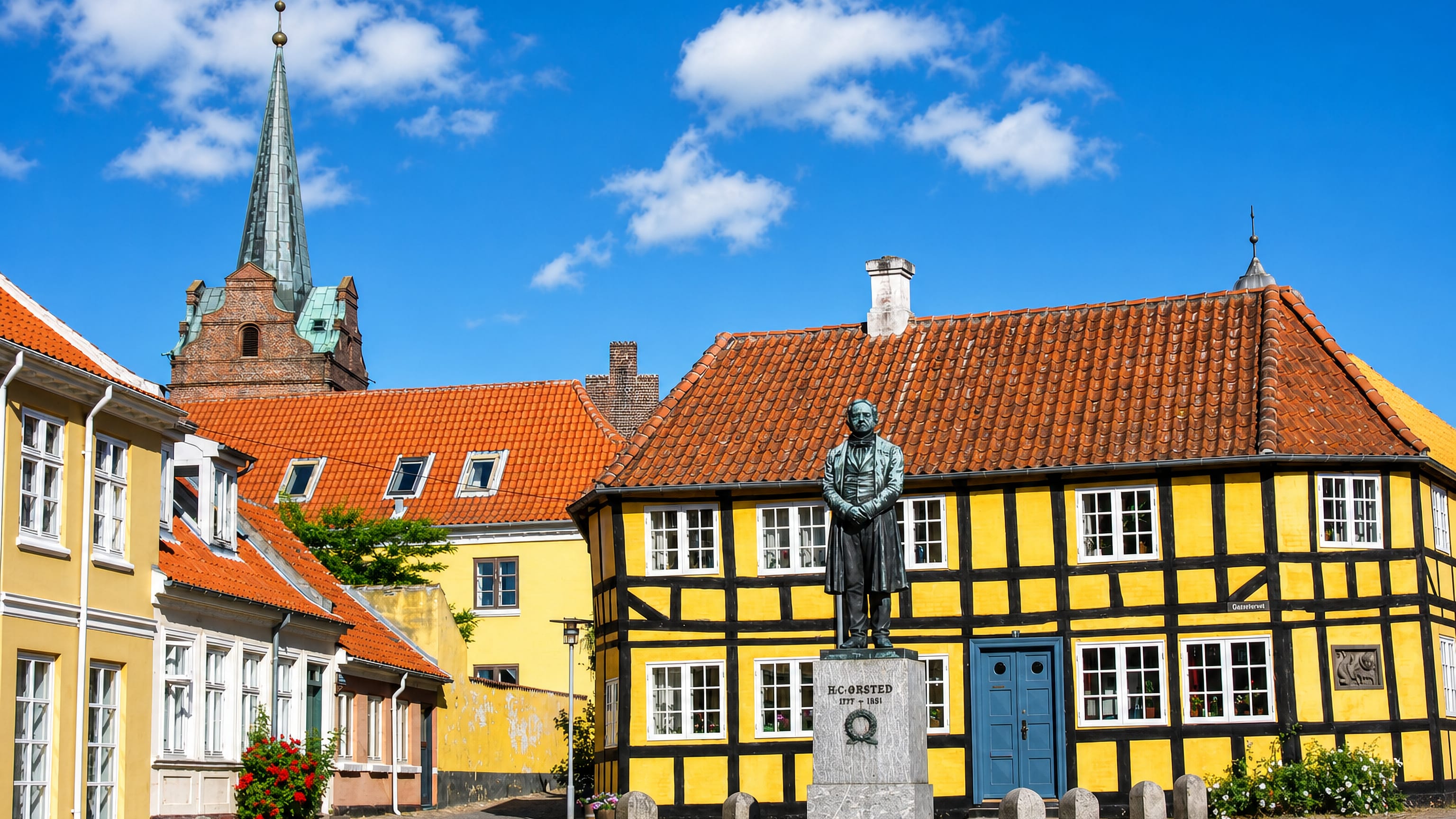
Denmark · Region Syddanmark
Where to Stay in Rudkøbing, Region Syddanmark
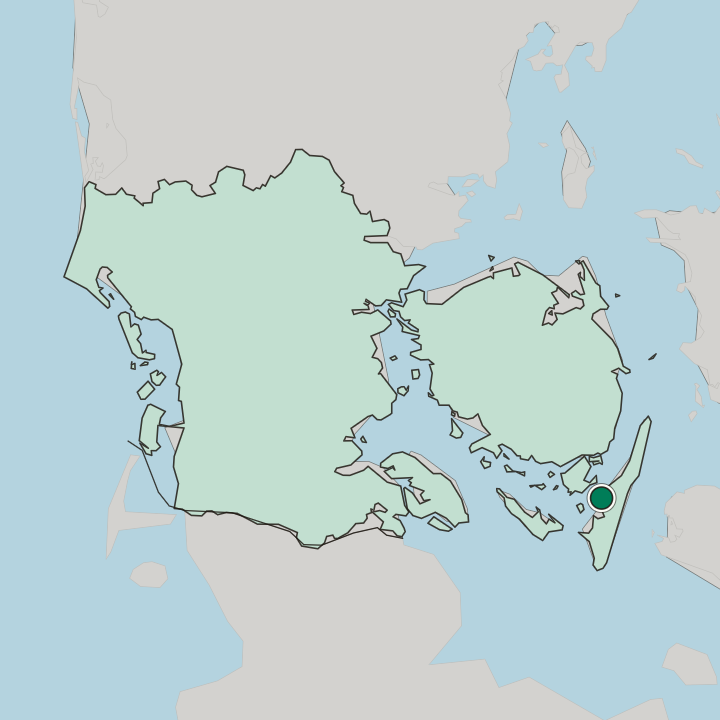
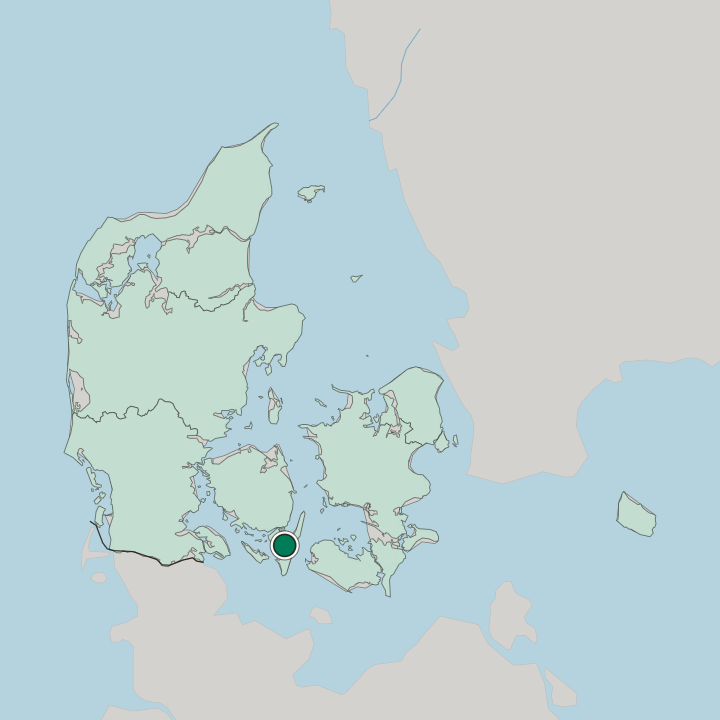
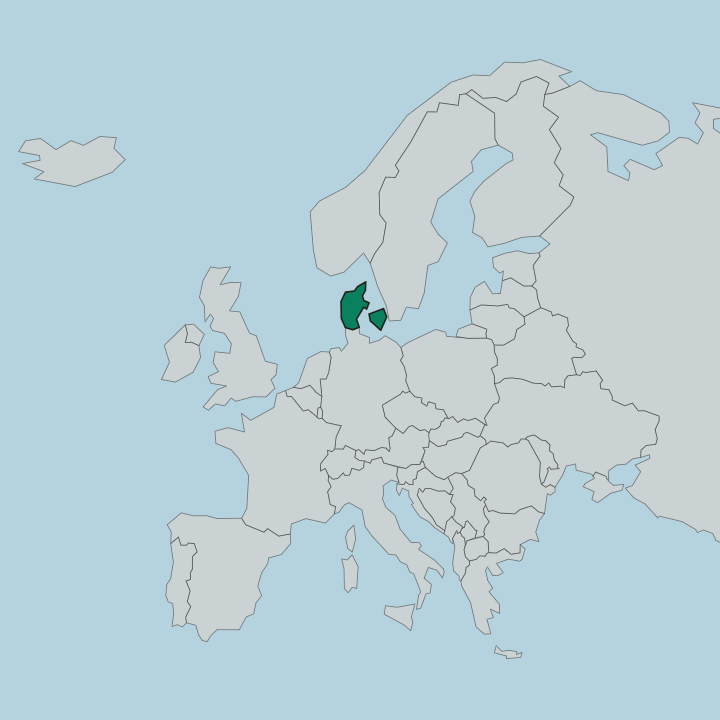
Rudkøbing is the main town of the island of Langeland, on its west coast in southern Denmark.
Hotel links are affiliate links: booking through them may earn us a commission, at no extra cost to you. It never affects how places are ranked. How this works


Where to stay in Rudkøbing
Where the beds are, and what that means for the visit.
Most beds in Rudkøbing gather in the old town near Rudkøbing Kirke, where small hotels and guest rooms stand within a short walk of the church, the merchants' lanes and the harbour on the west coast of Langeland. The centre suits visitors who want the old port and the island town close at hand. For the old port it is the natural base.
Down by the water, rooms near the harbour put the marina and the bridge to Siø a step away, handy for travellers crossing to Svendborg and the wider South Funen Archipelago by ferry and road. Harbour stock is small. Out through Langeland Municipality, holiday houses and farm stays spread among the country parishes around Simmerbølle Kirke and Skrøbelev Kirke, a quieter choice for visitors touring the island and its recreational coast by car.
Reserve early for summer, when the harbour and the island beaches draw travellers to this corner of southern Denmark.
Find hotels in Rudkøbing
Direct booking searches for these neighbourhoods.
Old town by Rudkøbing Kirke
rooms by Rudkøbing Kirke in the old streets of Langeland's main townFind hotels in Old town by Rudkøbing Kirkeferry travellers crossing toward SvendborgHarbour and the Siø bridge
marina beds by the bridge to the islet of Siø. Rooms are few around here — worth securing early.Find hotels in Harbour and the Siø bridgedrivers touring the island's grain country and coastLangeland Municipality parishes
farm stays around Simmerbølle Kirke and Skrøbelev Kirke. Rooms are few around here — worth securing early.Find hotels in Langeland Municipality parishesHotel links are affiliate links: booking through them may earn us a commission, at no extra cost to you. It never affects how places are ranked. How this works
About Rudkøbing
What is Rudkøbing known for?
Rudkøbing is the old port and market town of Langeland, the long island in the South Funen Archipelago. Boats and the crossing made it: the harbour on the west coast worked the water toward Svendborg and the wider archipelago, and the bridge to the islet of Siø ties the town into the chain of small islands. Rudkøbing Kirke rises over the centre.
The town serves as the seat of Langeland Municipality, the market for the grain country and the recreational coast of the island, in this south-eastern reach of Southern Denmark.
What are the main landmarks in Rudkøbing?
Rudkøbing Kirke stands over the old centre, the medieval church at the heart of the island town. Around it the merchants' lanes hold the look of the trading years, and the sports hall of Langelandshallen serves the town a short way out. The island keeps older marks too.
The country churches of Simmerbølle Kirke and Skrøbelev Kirke rise among the fields of Langeland Municipality, while the ancient monument of Fredskov lies among the woods and farmland of the surrounding country on the long island of Langeland.
What is the history of Rudkøbing?
Rudkøbing grew as the port and market town of Langeland, the harbour on the west coast that gathered the trade of the long island. The crossing carried it: for centuries boats worked the water toward Svendborg and out through the South Funen Archipelago, and the merchants of the town built their houses in the lanes that climbed from the quay to Rudkøbing Kirke. The church marked the medieval town.
Out in the surrounding land the country churches of Simmerbølle Kirke and Skrøbelev Kirke served the scattered parishes of the grain country, while the ancient monument of Fredskov spoke of the people who had worked the island long before the merchants came. The town held its place as the years passed. Rudkøbing kept its role as the chief town of Langeland, the market for the farms and the recreational coast, and in later times the bridge to the islet of Siø tied it more firmly into the chain of small islands and the road toward Svendborg.
It stayed the island's heart. The town became the seat of Langeland Municipality, the centre of administration and trade for the whole of the long island in this south-eastern corner of Southern Denmark.
Where is Rudkøbing?
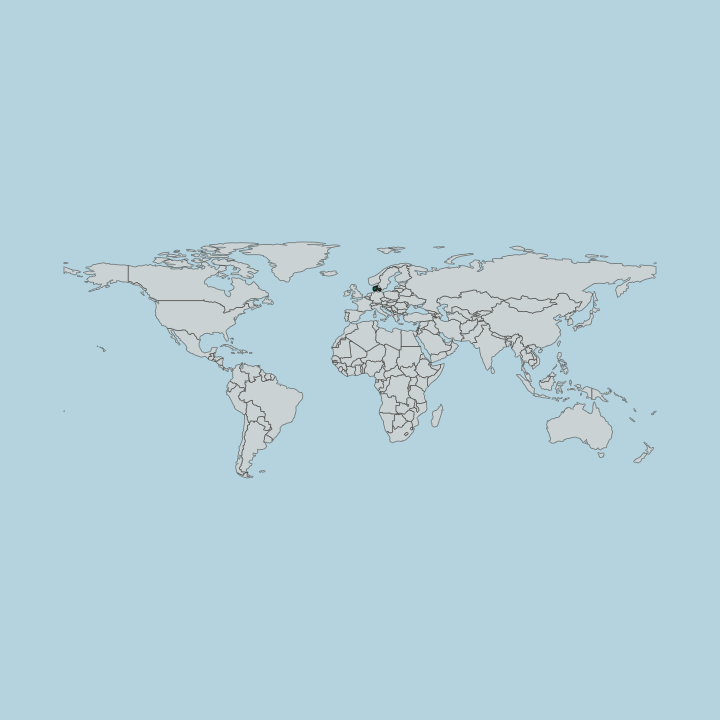
Rudkøbing lies on the west coast of the island of Langeland, the long island in the South Funen Archipelago, in southern Denmark. The town gathers around the harbour and Rudkøbing Kirke, the old lanes falling away to the water that runs toward Svendborg. A bridge crosses to Siø.
Langeland Municipality covers the whole of the long island from north to south, taking in the grain country and the recreational coast and the country parishes around Simmerbølle Kirke and Skrøbelev Kirke, spread among the fields beyond the island town.
What is the climate of Rudkøbing?
Rudkøbing has the mild, damp maritime climate of the island coasts of the South Funen Archipelago. Winters stay cool and grey rather than hard, the surrounding water keeping lasting frost and snow off the low ground of Langeland through most of the season. Summers turn warm and breezy.
The open water around the long island tempers the heat and feeds the wind under the long northern daylight, while cloud and rain reach this south-eastern corner of southern Denmark in every month of the year.
How do you get to Rudkøbing?
Rudkøbing lies off the rail network, reached by road and water across the island of Langeland. The bridge to the islet of Siø carries the road on toward Svendborg, and ferries link the long island to the wider South Funen Archipelago. Most reach the island by car.
The roads of Langeland Municipality run the length of the island to the harbour and Rudkøbing Kirke, while the airports of Funen handle the longer journeys of visitors reaching this part of southern Denmark from abroad.
Common questions
What is the best area to stay in Rudkøbing?
Old town by Rudkøbing Kirke: visitors wanting the merchants' lanes and island port. Harbour and the Siø bridge: ferry travellers crossing toward Svendborg. Langeland Municipality parishes: drivers touring the island's grain country and coast.
Good for
More cities in Region Syddanmark
Updated September 2026