Denmark · Region Syddanmark
Where to Stay in Vejen, Region Syddanmark
Vejen is the main town of Vejen Municipality, in southern Denmark, on the Jutland peninsula.
Hotel links are affiliate links: booking through them may earn us a commission, at no extra cost to you. It never affects how places are ranked. How this works


Where to stay in Vejen
How the choice of base plays out on the ground.
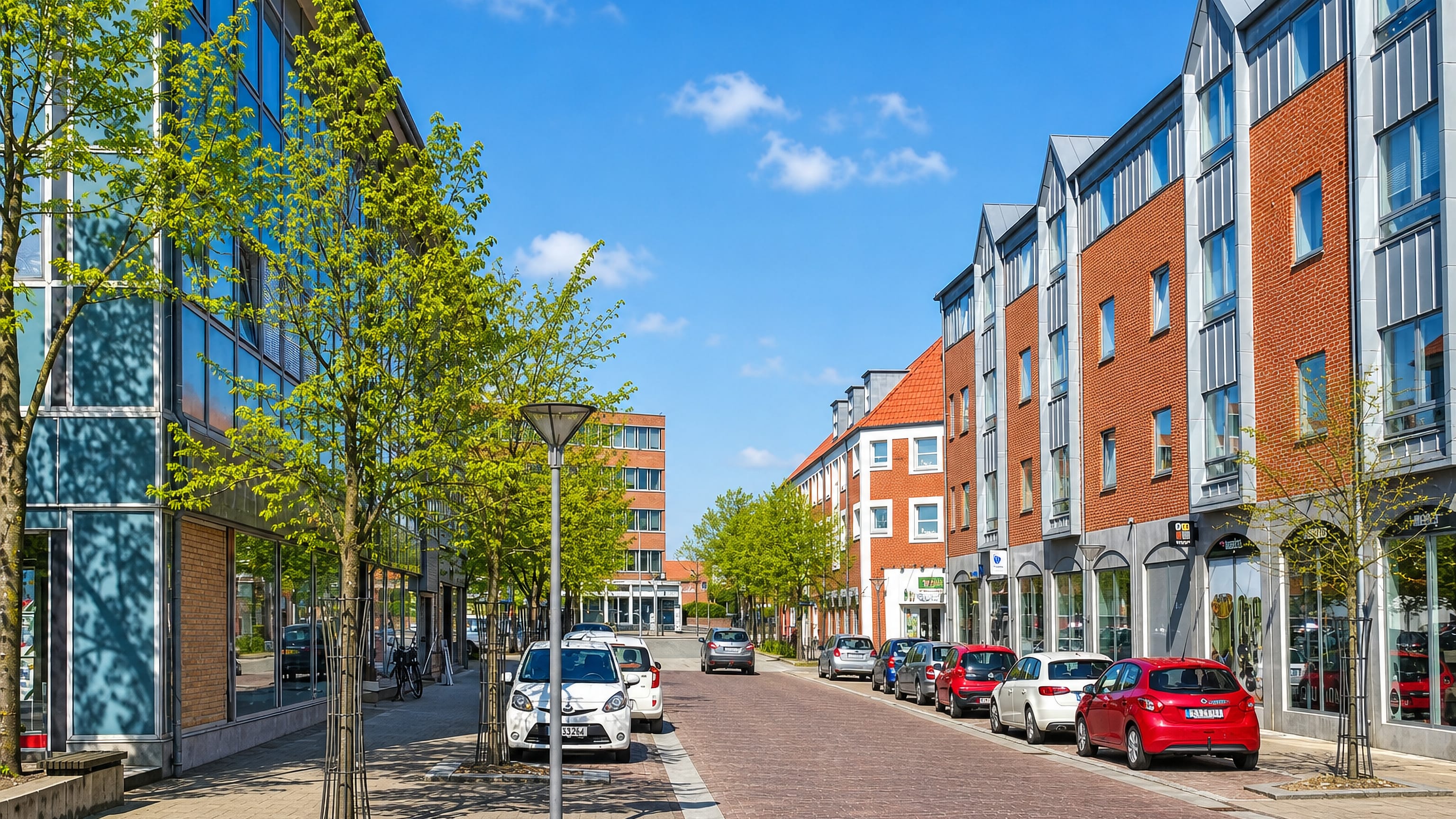
Vejen keeps most of its beds in and around the town centre, the core of the municipality it heads on the Jutland peninsula. Stay there and the main draws are within reach: Vejen Kunstmuseum and the church of Vejen Kirke are an easy walk, the cafés fill in the warm months, and the streets run flat and quiet. The centre suits you if you want everything close.
Sport brings its own visitors. Rooms near Vejen Idrætscenter fill when the gymnastics and matches draw crowds to the hall at the edge of town, a base set a little back from the busier core. West of the centre lies Askov.
The village around Askov Kirke and the Poul la Cour Museet, where the early wind-power story is told, sits among homes rather than hotels, so its visitors often stay in Vejen and drive the short way out. Rooms grow scarce out in Askov. Most travellers reserve in central Vejen and cross this part of southern Denmark by car.
Find hotels in Vejen
Direct booking searches for these neighbourhoods.
Town centre
the municipal core within walking reach of Vejen Kunstmuseum and Vejen KirkeFind hotels in Town centrea base for match and gymnastics daysIdrætscenter edge
the streets near the Vejen Idrætscenter hall, set back from the busier centre. Beds are limited here, so book early.Find hotels in Idrætscenter edgea quiet stay near the wind-power museumAskov
the village around Askov Kirke and the Poul la Cour Museet west of town, homes rather than hotels. Lodging is scarce in this area; reserve in advance.Find hotels in AskovHotel links are affiliate links: booking through them may earn us a commission, at no extra cost to you. It never affects how places are ranked. How this works
Things to do in Vejen
Ranked by global recognition; descriptions from Wikidata (CC0).
Museums & Galleries
2- Vejen Art Museum
- Poul la Cour Museet
Churches & Religious Sites
2- Askov Church
- Vejen Church
Stadiums & Sports
1- Vejen Idrætscenter Danish sports venue
worth knowingacross 3 categories in Vejen
About Vejen
Vejen is known for its art.
What is Vejen known for?
Vejen Kunstmuseum gathers sculpture and painting in the town centre, the focus of the municipality it heads. Other draws sit close by. Vejen Idrætscenter pulls crowds to its sport and gymnastics, the church of Vejen Kirke marks the old core, and just west at Askov the Poul la Cour Museet keeps the story of early wind power beside Askov Kirke.
What are the main landmarks in Vejen?
Art anchors Vejen. Vejen Kunstmuseum holds sculpture and painting at the heart of the town, while Vejen Kirke marks the old core nearby. Sport and history fill the rest.
Vejen Idrætscenter gathers gymnastics and matches in its hall, and a short way west at Askov the Poul la Cour Museet tells the story of early wind power beside the parish church of Askov Kirke.
What is the history of Vejen?
Vejen rose with the railway through Jutland. The town grew around the church of Vejen Kirke in this part of southern Denmark, on the Jutland peninsula, where flat farmland and a line of rail turned a parish into the market and meeting place for the district around it. Before the line it was a small place.
Just west at Askov the parish church of Askov Kirke marks an older village, and that village became a centre of learning and ideas, the setting where Poul la Cour worked on the early use of wind for power, a story now kept in the Poul la Cour Museet. Growth gathered the parishes in. As the town spread it drew the surrounding villages toward it, and the district was folded together into the municipality that Vejen came to head from its central position on the peninsula.
Culture and sport followed. A gift of sculpture and painting founded Vejen Kunstmuseum, and the modern hall of Vejen Idrætscenter grew into a focus of regional gymnastics and games. From a railway parish around Vejen Kirke the town became the seat of Vejen Municipality in Southern Denmark.
Where is Vejen?
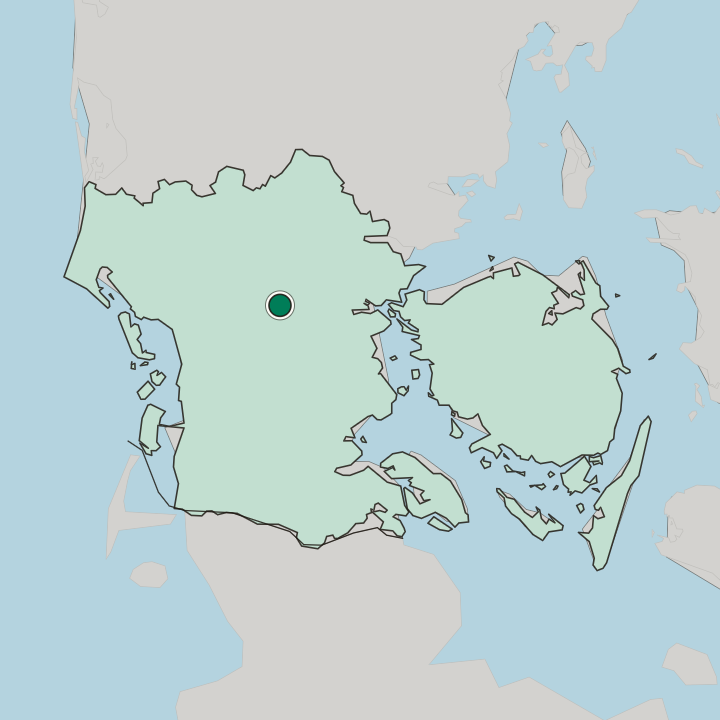
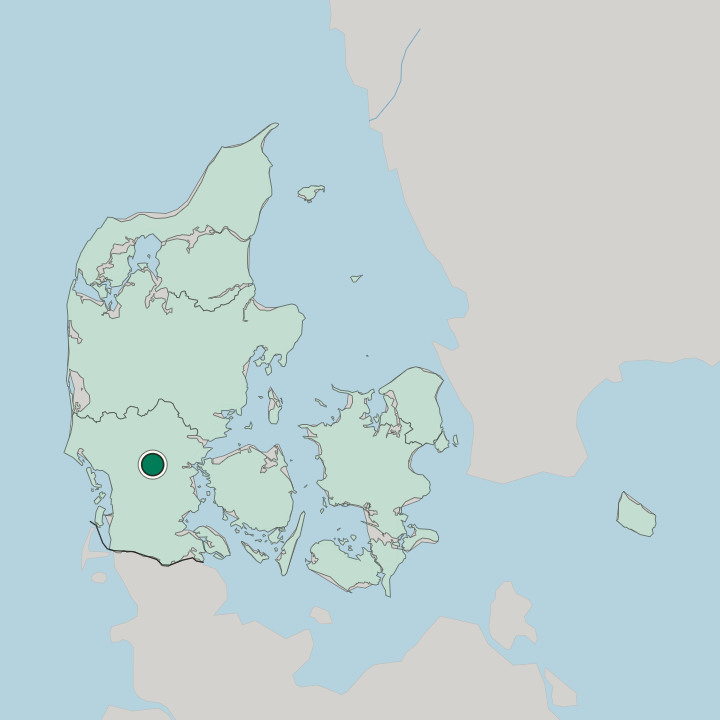
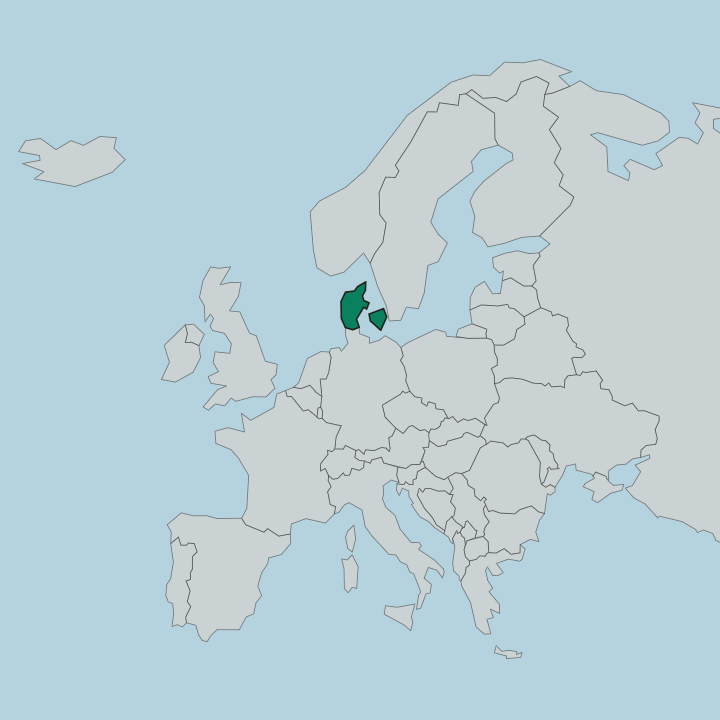
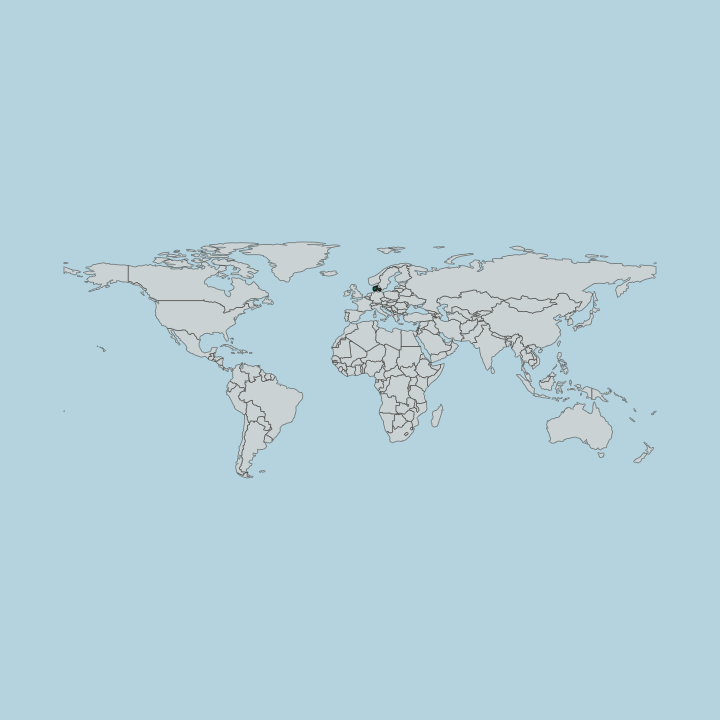
Vejen sits in southern Denmark, on the Jutland peninsula, in the north-western part of Southern Denmark. The town spreads across flat farmland and heads a wide municipal area from its central position on the peninsula. Its villages ring the centre.
Vejen Kirke holds the old core while Askov, with Askov Kirke and the Poul la Cour Museet, sits a short way west, and the modern Vejen Idrætscenter stands at the edge of the built-up town.
What is the climate of Vejen?
Flat inland country sets the weather. Vejen lies away from the open sea on the Jutland peninsula, in the north-western part of Southern Denmark, so its winters run cold and damp and its summers cool, with wind crossing the open farmland, in a temperate northern year of changeable skies. Grey spells are common.
The longer days of summer fill the streets by Vejen Kirke and the grounds of Vejen Kunstmuseum with visitors, while autumn drives wind over the fields toward Askov before the short, dim days of winter close in over the town.
How do you get to Vejen?
Rail built Vejen, and rail still reaches it. Trains run to the town from the wider Southern Denmark region along the line that first made it a market, and the centre lies a short walk from the station for arrivals heading on to Vejen Kunstmuseum or Vejen Kirke. Drivers come by motorway.
Roads cross the Jutland peninsula to link Vejen with the larger Jutland towns, and a short western route carries visitors out to Askov and the Poul la Cour Museet.
Common questions
What is the best area to stay in Vejen?
Town centre: the art museum and church on foot. Idrætscenter edge: a base for match and gymnastics days. Askov: a quiet stay near the wind-power museum.
Good for
More cities in Region Syddanmark
Updated October 2026