Egypt
Damietta Governorate, Egypt — Towns & Travel Guide
Damietta Governorate sits on Egypt's Mediterranean coast, where the eastern branch of the Nile reaches the sea.
Hotel links are affiliate links: booking through them may earn us a commission, at no extra cost to you. It never affects how places are ranked. How this works


Towns & cities in Damietta Governorate
One town here has its own guide — it links to where to stay.

 Egypt
Egypt
Damietta
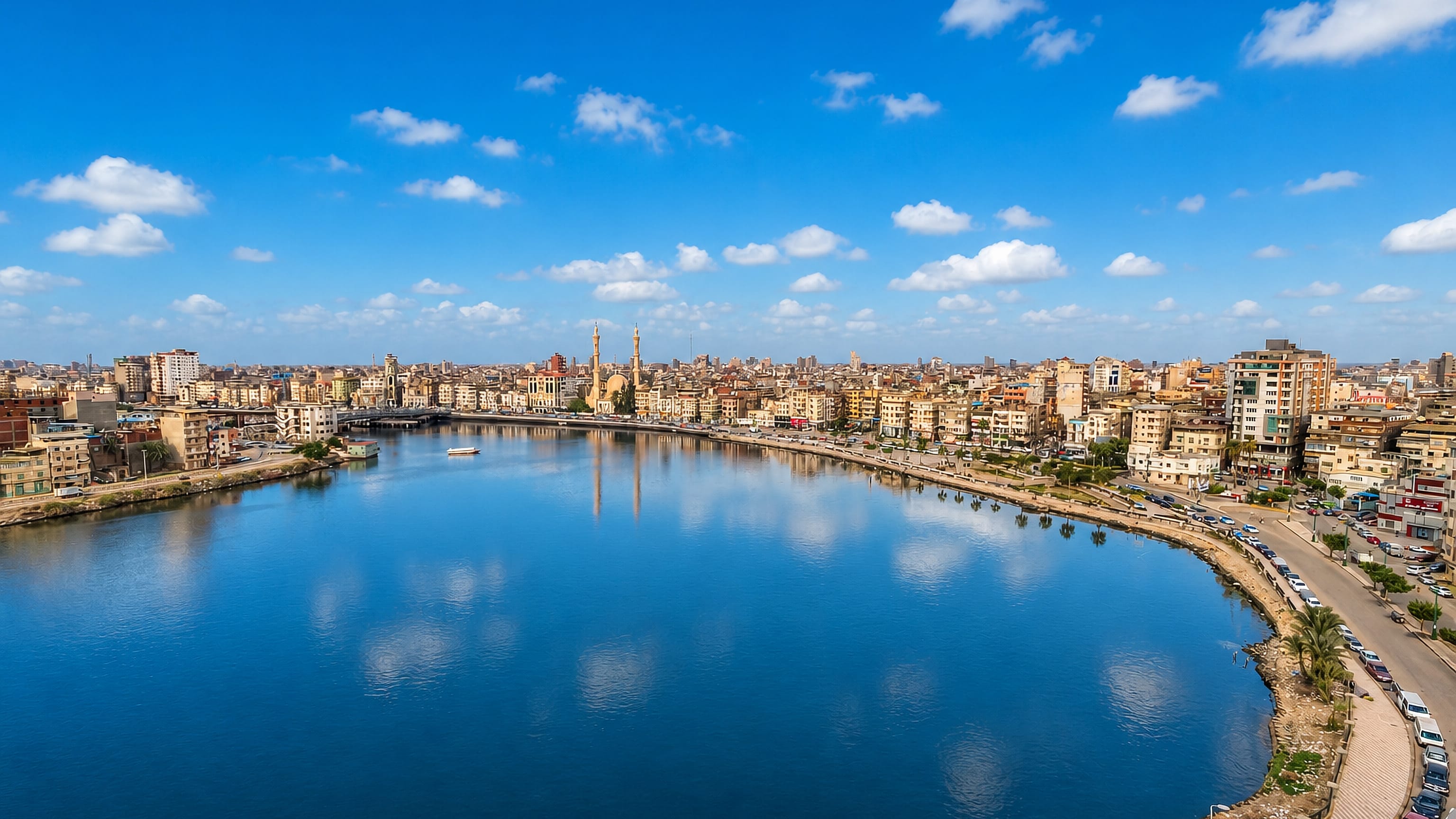
Damietta is an old port city of northern Egypt, at the eastern mouth of the Nile on the Mediterranean, famous now for furniture and once for its sieges.Where to stay →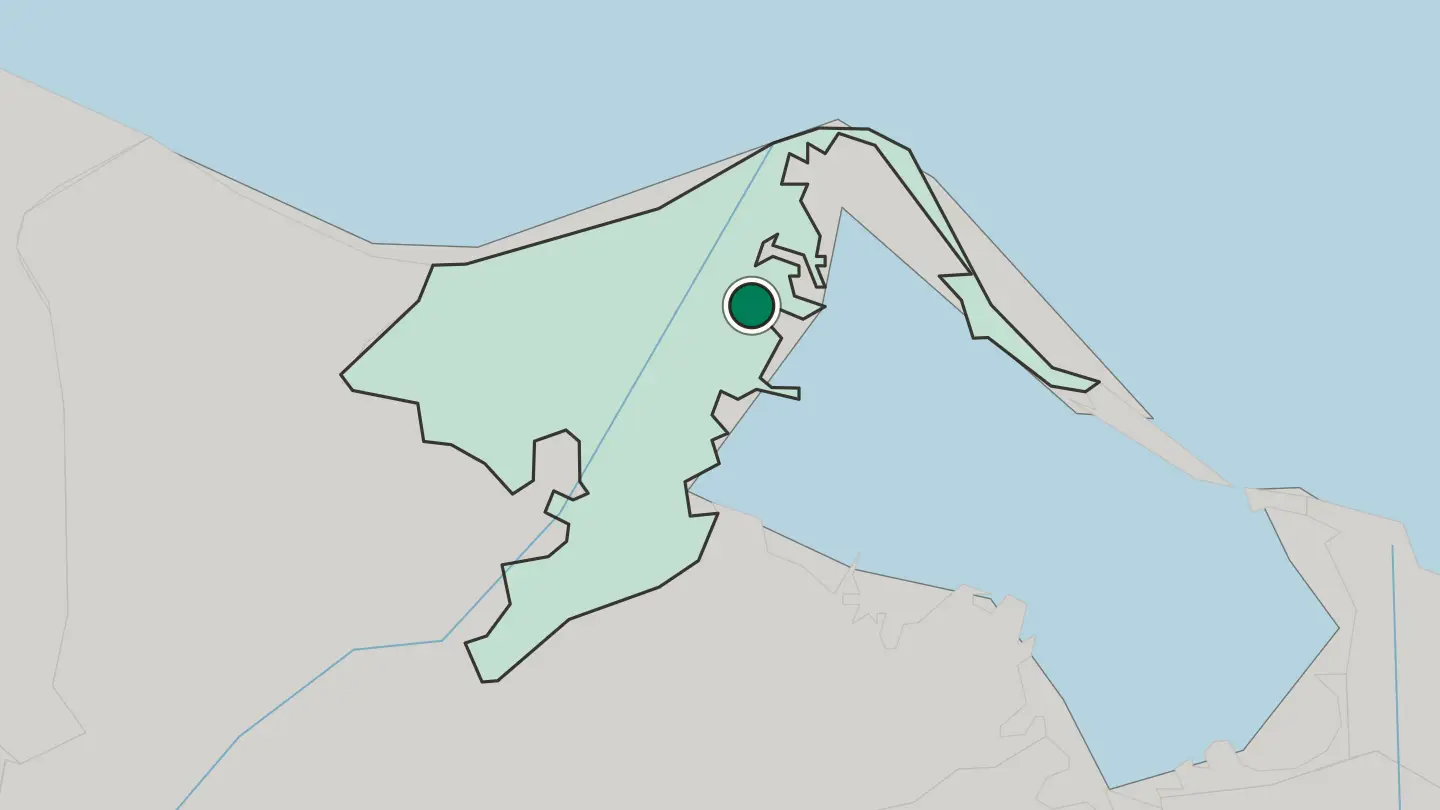
Hotel links are affiliate links: booking through them may earn us a commission, at no extra cost to you. It never affects how places are ranked. How this works
About Damietta Governorate
Furniture built it.
What is Damietta Governorate known for?
Damietta city, the capital, is Egypt's furniture-making centre, and workshops here turn out carved wood that ships across the Mediterranean and beyond. The governorate stands at the northeastern edge of the Nile Delta, split in two by the Damietta branch of the Nile as it runs the last stretch to the coast. At the river mouth lies Ras El Bar, a summer resort where Egyptians come to swim where the Nile meets the sea.
Fishing boats, Domiati cheese named for the city, and the deep-water Damietta Port round out what the region is known for.
Where is Damietta Governorate?
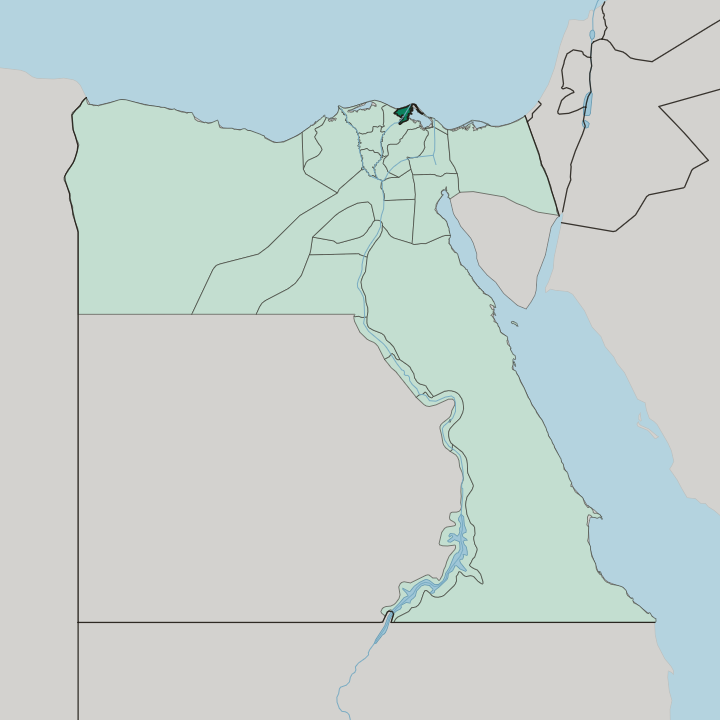
Damietta Governorate occupies the northeastern corner of the Nile Delta, a flat plain of Nile silt lying barely above the sea. It is one of Egypt's smaller governorates. The Damietta branch of the Nile, the eastern of the delta's two great distributaries, cuts the region into an eastern and a western half as it makes its final run north.
That river ends at Ras El Bar, where fresh water and the Mediterranean meet along a narrow spit the locals call the Lisan. The Mediterranean forms the whole northern edge. To the east spreads Lake Manzala, one of the largest brackish lagoons in the country, a marshy expanse of reed beds and fishing channels that shades from the delta into open water.
The capital, Damietta city, stands on the river about 15 kilometres before it reaches the coast, and roughly 200 kilometres north of Cairo. The land itself is farmland almost everywhere the water allows. Wheat, maize, rice and cotton grow on the delta soil, and date palms line the roads from Ras El Bar toward the neighbouring coast.
Little of the governorate rises far above the waterline, so the sea, the river and the lake set its shape far more than any hill ever could.
What is Damietta Governorate like?
Life here runs on the river and the workshop. Damietta city has made furniture for generations, and the craft defines the place: family workshops carve and inlay wood that leaves through the port for the Gulf, Europe and the United States. Walk the older lanes and the sound is chisels and lathes.
The other trade is the sea. Fishing crews work the Mediterranean and the shallows of Lake Manzala, and the catch feeds a long tradition of sardine packing and the soft white Domiati cheese that carries the city's own name. Arabic is the everyday language, as across Egypt.
Faith runs deep in the old port, and the Amr ibn al-As Mosque here is counted among the oldest in the country, a marker of how far back Muslim Damietta reaches. Summer brings a second rhythm entirely, when families from across the delta pour into Ras El Bar for the beach season and the quiet resort swells many times over. Sweets and pastries are a local point of pride too.
Between the carvers, the fishers and the summer crowds, the governorate keeps a working, unshowy character rooted in the water at its doorstep.
What is the history of Damietta Governorate?
Damietta guarded the mouth of the Nile. Whoever held the city held the eastern channel into the delta, which made it a prize for the crusaders. During the Fifth Crusade its long siege of 1218 to 1219 devastated the town, and a generation later Louis IX of France took it during the Seventh Crusade in 1249, only to surrender it as ransom after his army was broken upstream near Faraskur in 1250.
War kept coming. Trade rebuilt what the sieges knocked down, and the port grew rich on textiles and Mediterranean commerce for centuries after the crusaders left.
What is the climate of Damietta Governorate?
The sea keeps Damietta mild. Sitting on the Mediterranean coast, the governorate runs hot and rainless through the long summer, when the crowds fill Ras El Bar and not a drop falls from May into September. Winters are cool and short, and what little rain the delta gets arrives then, blowing in off the Mediterranean between the autumn and early spring.
Sea breezes soften the heat that bakes Egypt's interior, so the coast stays gentler than Cairo and the Nile valley to the south. Humidity is the trade-off near the water.
How do you get to Damietta Governorate?
Most travellers come up from Cairo. The capital lies roughly 200 kilometres north of the city, an easy road run across the delta that most people cover by car or bus rather than by air. Trains and highways thread the flat farmland between the two, following the Damietta branch of the Nile toward the coast.
The Damietta Port handles cargo, not tourists. So the region is reached overland far more often than by sea, and once you arrive the river road carries you from Damietta city out to Ras El Bar on the coast.
Common questions
What is the best area to stay in Damietta Governorate?
Damietta: the working river port and its furniture souks. Ras El Bar: beach days where the Nile enters the sea. New Damietta: quieter modern lodging near the port.
Good for
More regions in Egypt
Updated September 2026