Finland · Lapland
Where to Stay in Inari, Lapland
Inari is a Sámi village on the shore of Lake Inari in Lapland, the Arctic north of Finland.
Find your area →


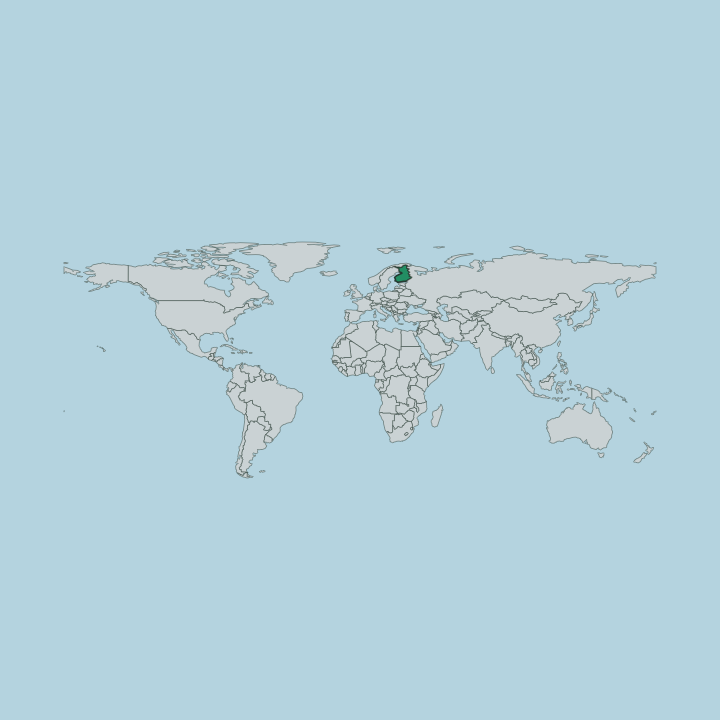
Where to stay in Inari
The right area depends on your trip — here's what each neighbourhood is best for.
Inari keeps a small stock of beds for a village of the Arctic north, the kind of place where a lakeside hotel, a guesthouse, or a wilderness cabin is the usual room. The centre by the shore of Lake Inari suits visitors who come for the Sámi culture, with the Siida museum, the village shops, and the boat to the holy island of Ukko within easy reach. It serves as the natural lakeside base.
South down the Arctic Ocean Highway, the larger village of Ivalo holds the area's airport and a wider choice of rooms, a practical foothold for arrivals into this corner of Lapland. Beds gather in two clusters. Out across the fells and forests of the municipality, cottages and aurora cabins stand among the trees toward Lemmenjoki National Park, a fine base for hiking, gold-panning, and watching the northern lights over the lakeland.
Stock is thin everywhere up here. Travellers keen on the old wilderness should look near the church of Pielpajärven erämaakirkko, while many visitors instead sleep in Ivalo and drive the short road in to Inari for the day. Book ahead in the dark winter season, when the cabins around Lake Inari fill for the aurora and the few rooms in the village go early.
Things to do in Inari
Ranked by global recognition; descriptions from Wikidata (CC0).
Museums & Galleries
1- Ivalojoen Kultala Heritage
Churches & Religious Sites
4- Pielpajärven erämaakirkko Heritage
- Ivalon kirkko
- Inarin saamelaiskirkko
- Pyhän Nikolaoksen kirkko church building in Ivalo
Castles & Historic Sites
1- Ukko Heritage island on Lake Inari
Nature & Outdoors
1- Rautaperäjärvi
Landmarks & Notable Places
3- Rumakurun autiotuvat Heritage bothy
- Nellimin talo
- Njeä'sǩǩem house
worth knowingacross 5 categories in Inari
About Inari
What is Inari known for?
Inari is known as the cultural heart of the Sámi people in Finland, a village set on the great Lake Inari in the Arctic north of Lapland. The Siida museum tells the story of Sámi life and the northern wilds. Lakes and fells define it.
The holy island of Ukko rises from the water offshore, the vast Lemmenjoki National Park spreads its gold-panning rivers to the west, and the old wilderness church of Pielpajärvi stands out among the pines beyond the village.
What are the main landmarks in Inari?
The Siida museum is the landmark that tells Inari's story, the Sámi museum and nature centre on the shore of Lake Inari in the Arctic north. Offshore rises the holy island of Ukko, a sacred Sámi site set in the great lake. The wilds hold the rest.
The wilderness church of Pielpajärven erämaakirkko stands among the pines beyond the village, the gold rivers of Lemmenjoki National Park run through the western fells, and the Arctic Ocean Highway threads north from Ivalo across this far corner of Lapland.
What is the history of Inari?
Inari's history is the history of the Sámi in the far north. Long before any parish, the people of the fells lived by reindeer, fish, and the seasons around the great Lake Inari, and the holy island of Ukko drew them to worship in the old way. The wilderness church of Pielpajärven erämaakirkko, raised among the pines, marks the slow coming of the church into this country, the first fixed centre of faith in a land of wide distances.
The modern municipality took shape when Inari was chartered in 1876 as a parish of Lapland, gathering the scattered Sámi settlements of the lakeland and the fells under one administration. Roads came late. The Arctic Ocean Highway pushed through in the twentieth century, linking Ivalo and the lake country toward the sea and opening this far Arctic corner to traffic.
Through war, resettlement, and revival, Inari grew into the cultural centre of the Finnish Sámi, its memory and language now gathered in the Siida museum on the shore of Lake Inari.
Where is Inari?
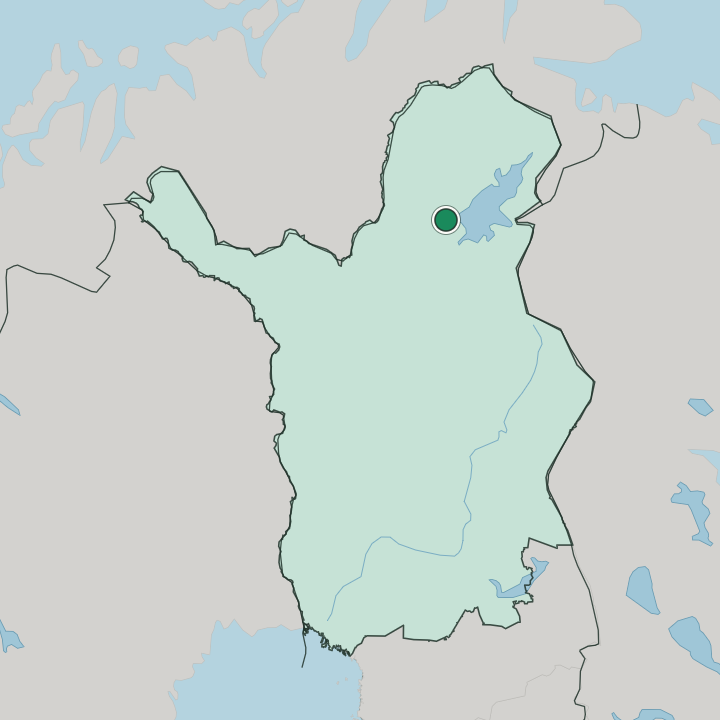
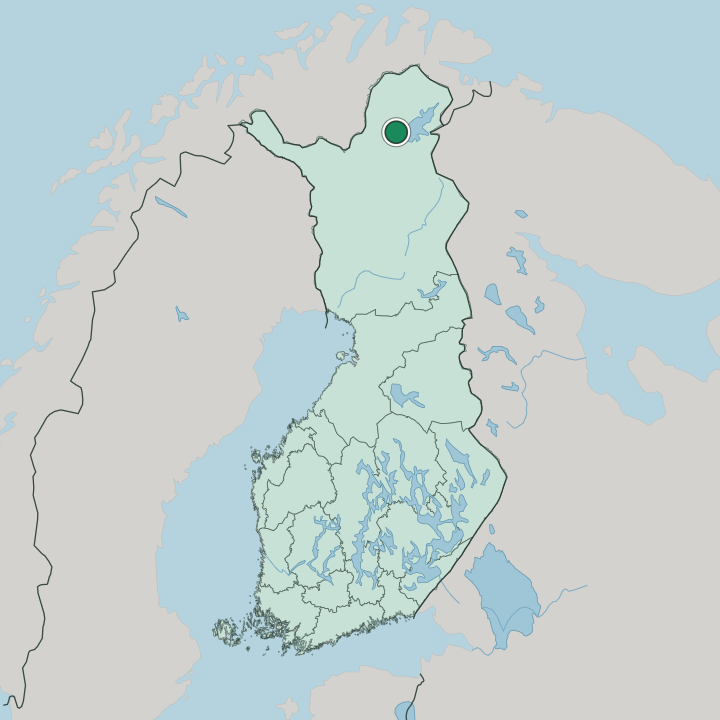
Inari sprawls across the far north of Lapland, one of the largest municipalities in Finland, a vast country of fells, forest, and water in the Arctic north. The great Lake Inari fills its heart, a maze of bays and thousands of islands with the holy isle of Ukko among them. Wilderness runs to every horizon.
Lemmenjoki National Park spreads its gold-bearing rivers and bare fells across the west, the village of Ivalo sits south on the Arctic Ocean Highway, and pine and bog stretch unbroken between the scattered settlements of this northern lakeland.
What is the climate of Inari?
Inari has a subarctic climate, among the coldest of any inhabited corner of Finland, set hard by its place in the Arctic north of Lapland. Winters are long, dark, and bitter, the great Lake Inari frozen solid and the fells deep under snow from autumn until the late spring melt, with the polar night and the northern lights overhead. Summer is short but luminous.
The midnight sun never sets for weeks over the lake and the fells, warming the short season when the rivers of Lemmenjoki National Park run free and the cabins around Inari fill before the dark returns.
How do you get to Inari?
Inari lies far up the Arctic Ocean Highway, deep in the Arctic north, and the road is the main way in. The nearest airport sits at Ivalo a short drive south, the usual gateway for travellers flying into this corner of Lapland before the last stretch to the lake. Buses run the long highway too.
Coaches thread north from the airport and the southern towns along the Arctic Ocean Highway to the village on the shore of Lake Inari, carrying visitors to the Siida museum and the fells beyond.
Good for
More cities in Lapland
Updated September 2026