Finland
Lapland, Finland — Towns & Travel Guide
Lapland is Finland's far north, in the Arctic, the Finnish share of Sápmi and the heartland of the Sámi.
Find your area →


Towns & cities in Lapland
Pick a town or city — each links to where to stay.
 Finland
Rovaniemi
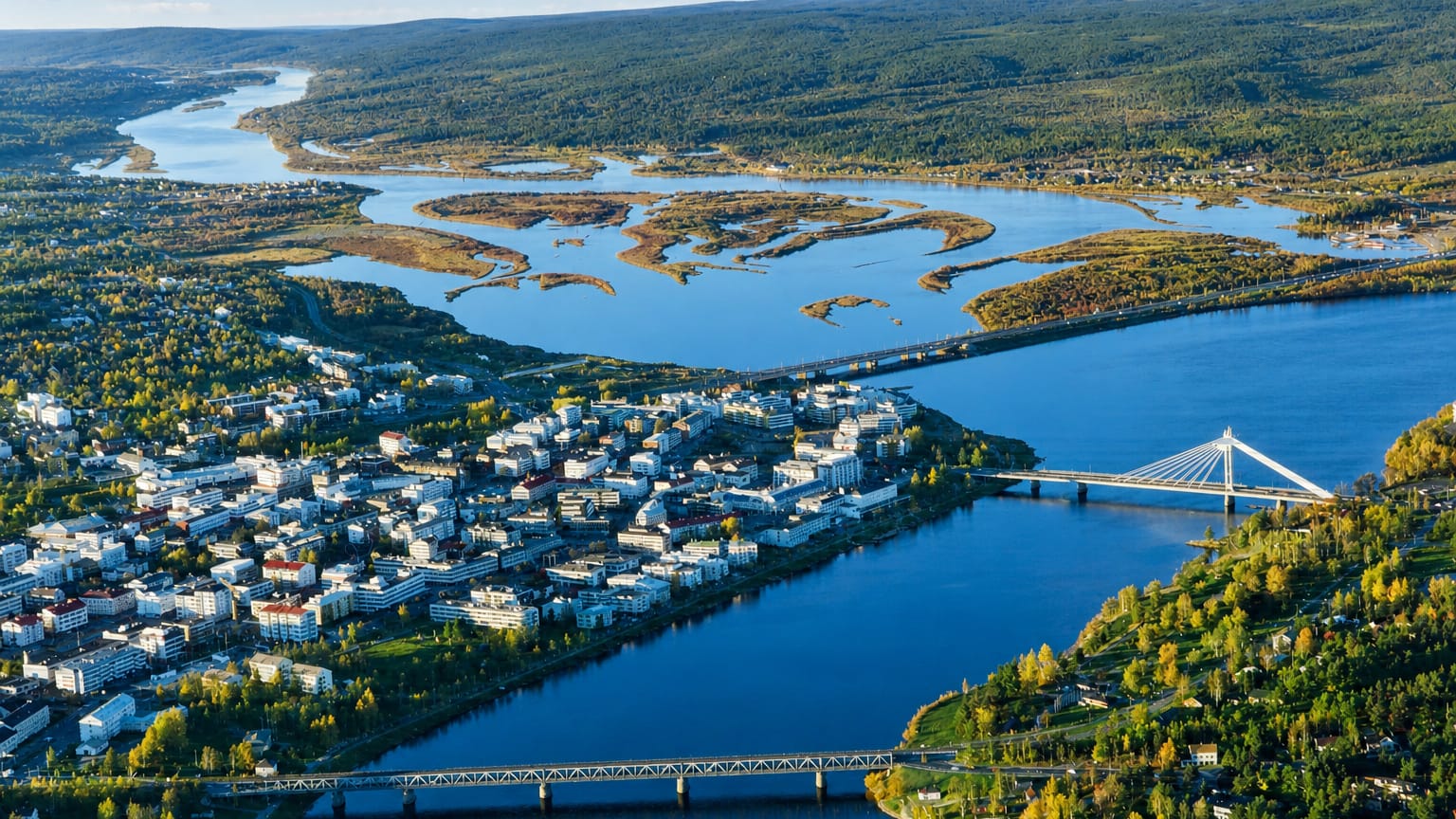
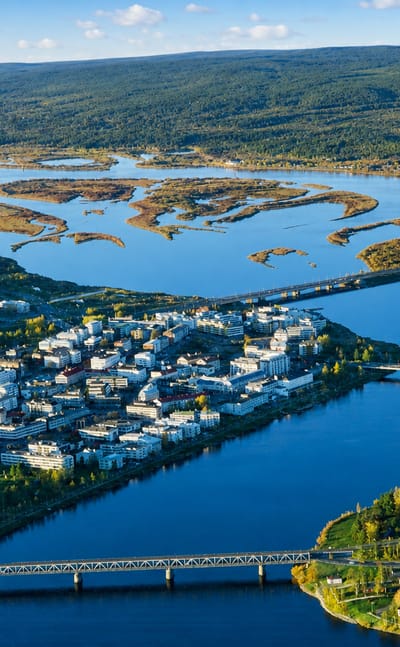
Rovaniemi is the regional capital of Lapland, set near the Arctic Circle in the far north of Finland.Where to stay →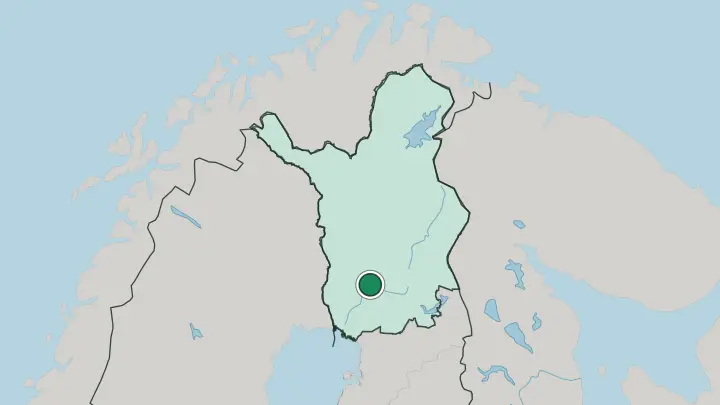
 Finland
Tornio
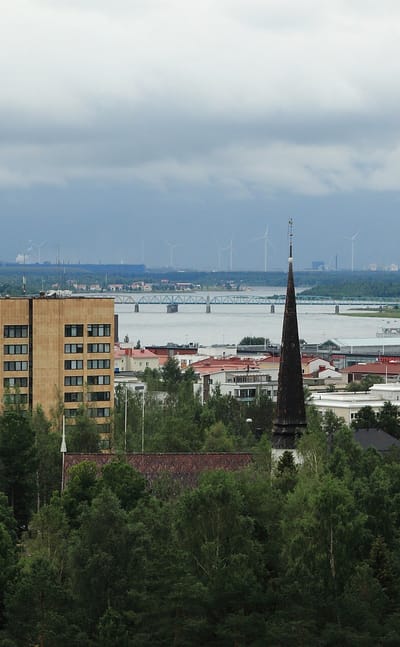
Tornio is a border city in Lapland, in the Arctic north of Finland, twinned with Haparanda across the river on the Swedish side.Where to stay →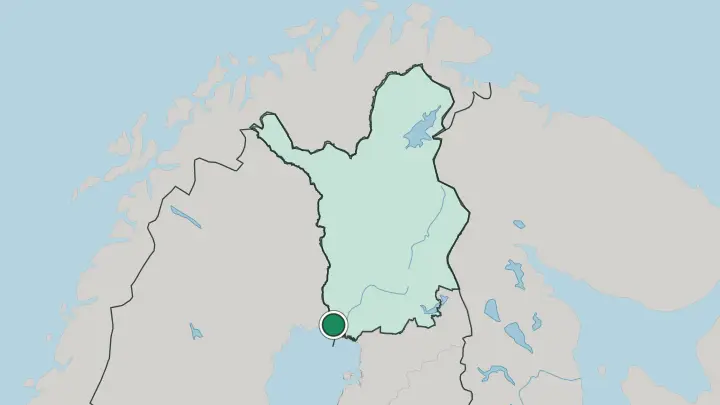
 Finland
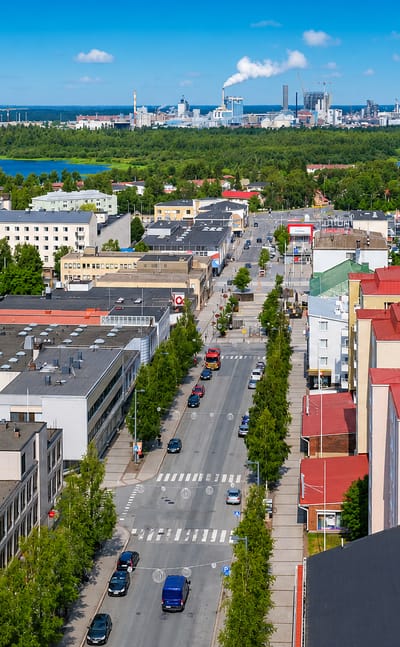
Kemi
Kemi is a port town in Lapland, in the Arctic north of Finland, known for the Kemin lumilinna snow castle on the Gulf of Bothnia.Where to stay →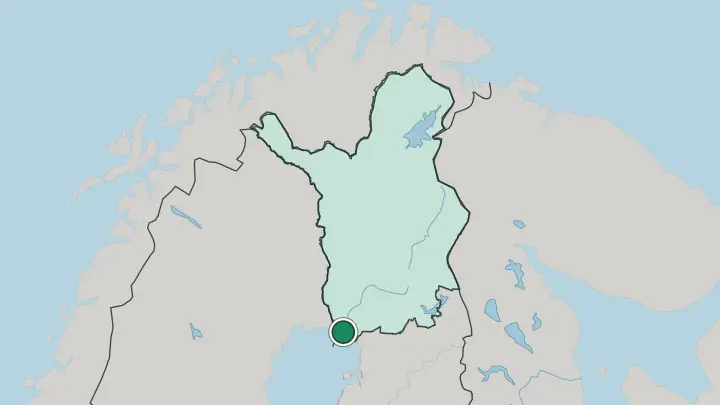
 Finland
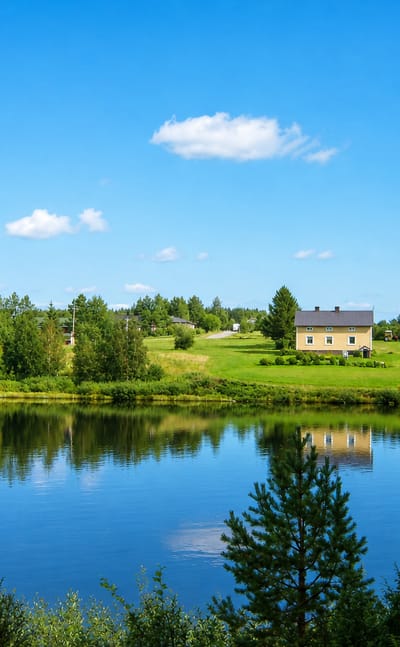
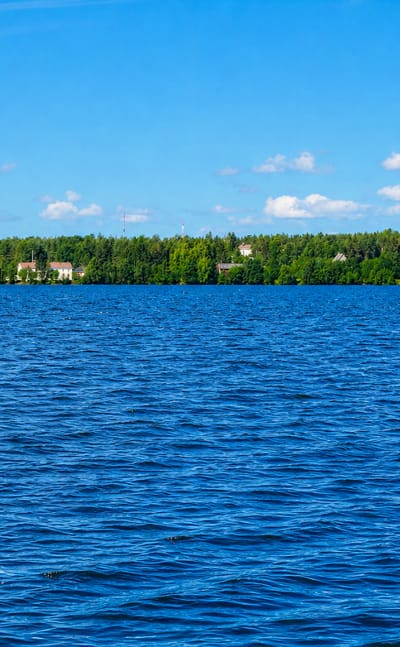
Sodankylä
Sodankylä is a town in Lapland, in the Arctic north of Finland, set on the Kitinen River and known for its Midnight Sun Film Festival.Where to stay →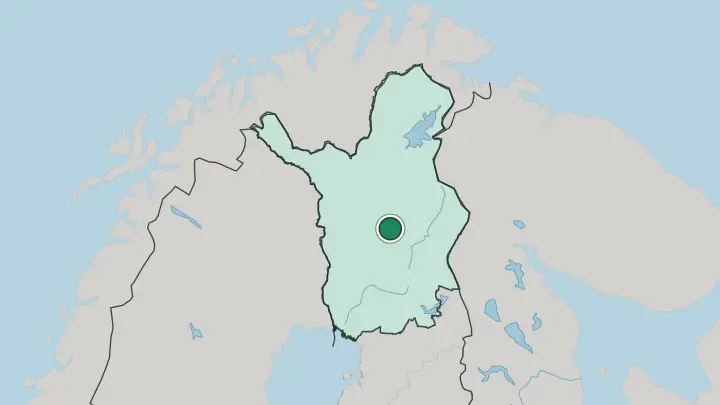
 Finland
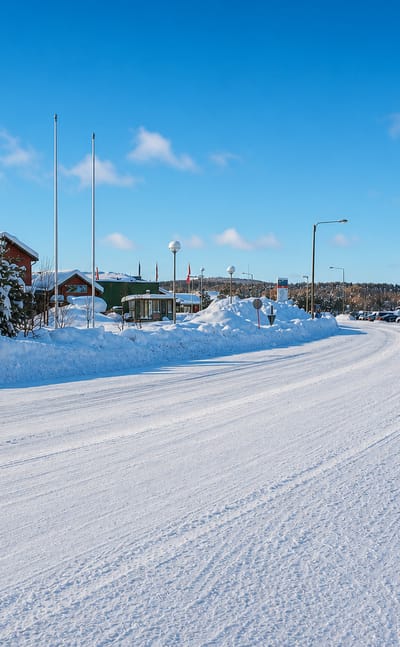
Keminmaa
Keminmaa is a riverside municipality in Lapland, in the Arctic north, set on the Kemijoki near Kemi and Tornio.Where to stay →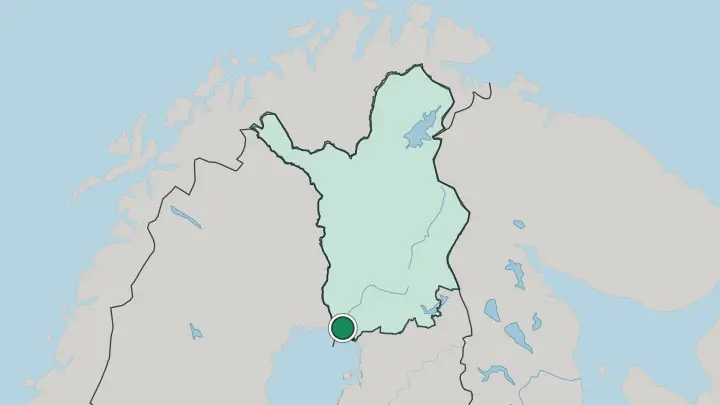
 Finland
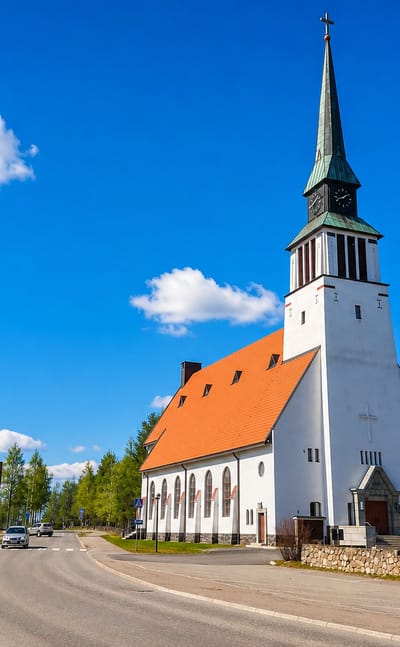
Inari
Inari is a Sámi village on the shore of Lake Inari in Lapland, the Arctic north of Finland.Where to stay →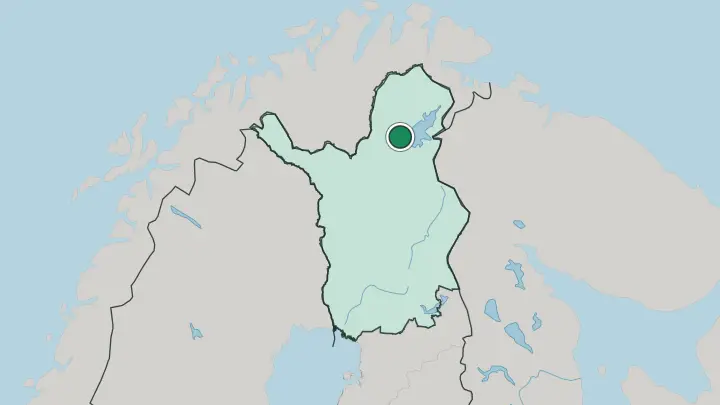
 Finland
Kemijärvi
Kemijärvi is Finland's northernmost town, set on its lake in Lapland with its centre above the Arctic Circle.Where to stay →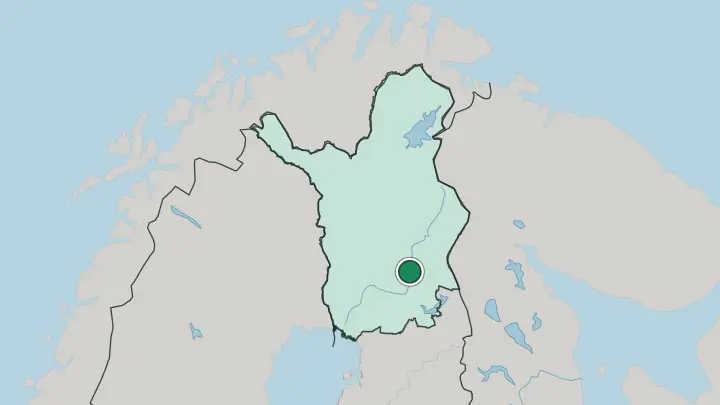
 Finland
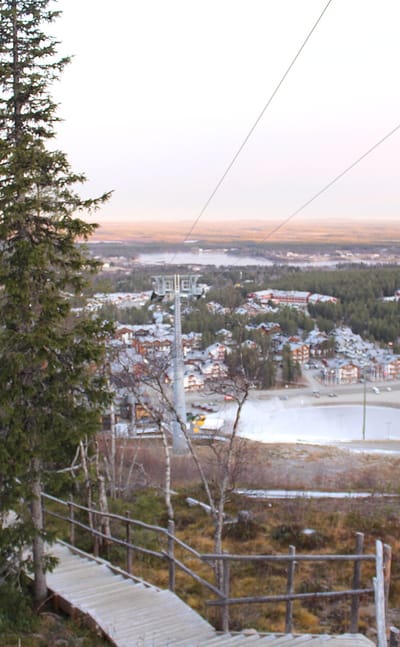
Kittilä
Kittilä is a fell-country municipality of Lapland, in the Arctic north of Finland, with the Levi ski resort at Sirkka.Where to stay →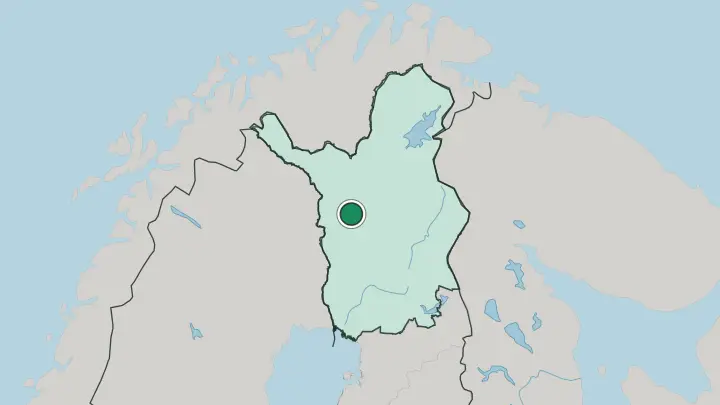
All towns & cities (21)
 Finland
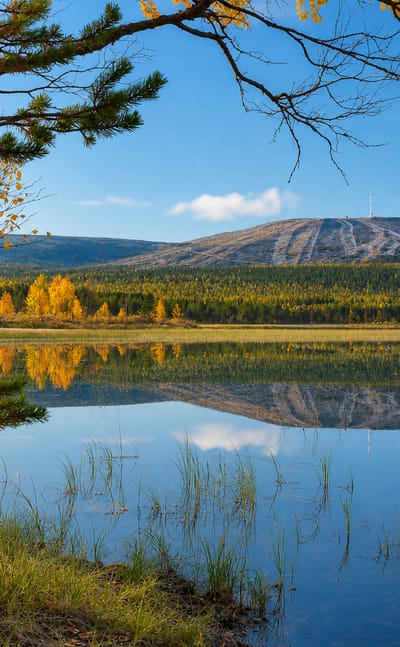
Kolari
Kolari is a Finnish Lapland municipality on the Torne River, the northernmost railhead in the Arctic north.Where to stay →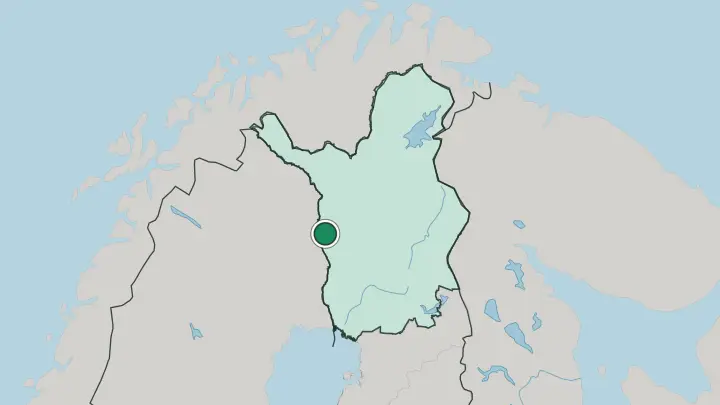
 Finland
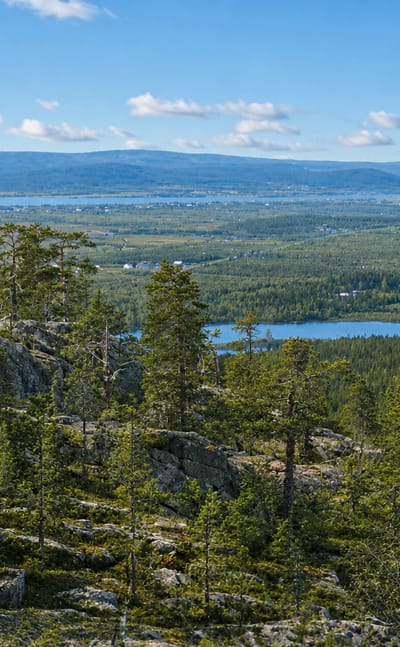
Ylitornio
Ylitornio is a municipality in Lapland, in the Arctic north of Finland, set along the Tornio river beneath the hill of Aavasaksa.Where to stay →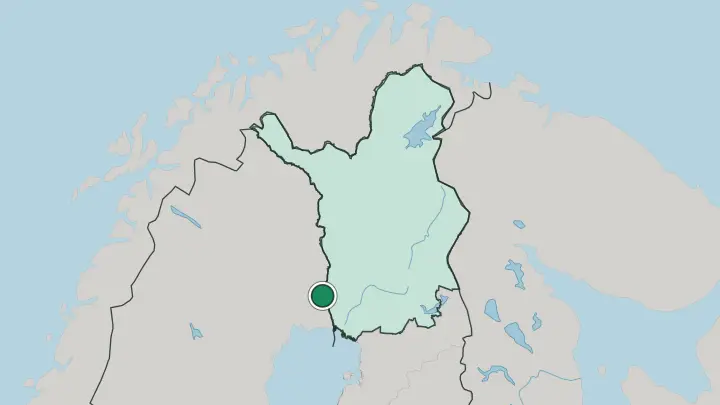 Finland
Ranua
Ranua is a southern Lapland municipality in the Arctic north of Finland, known for its wildlife park and wide forests.Where to stay →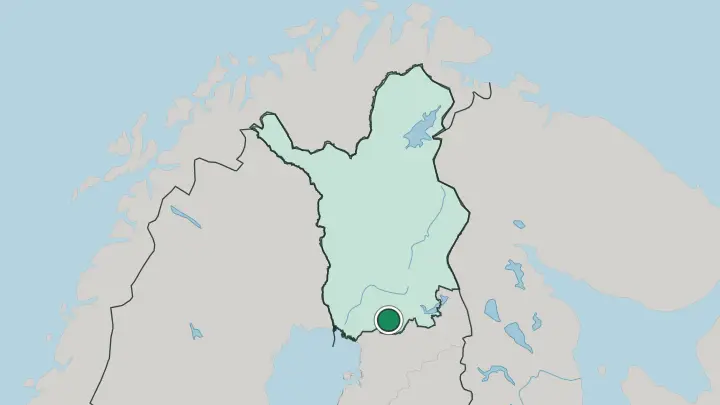
 Finland
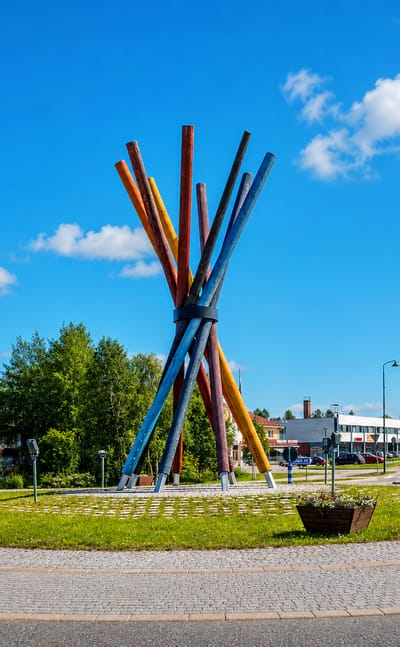
Salla
Salla is a wilderness municipality in Lapland, the Arctic north of Finland, known for its national park and ski fells.Where to stay →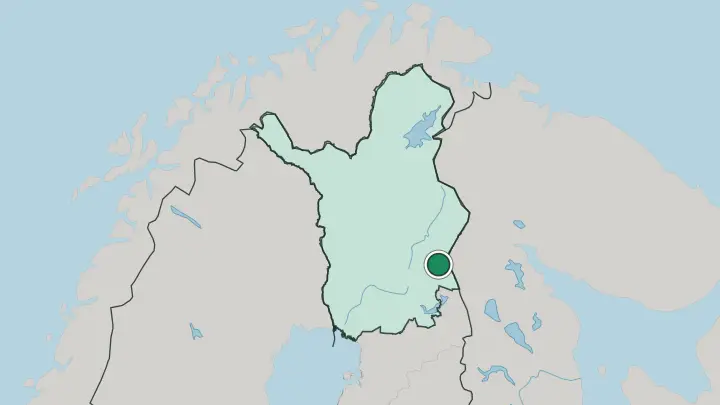
 Finland
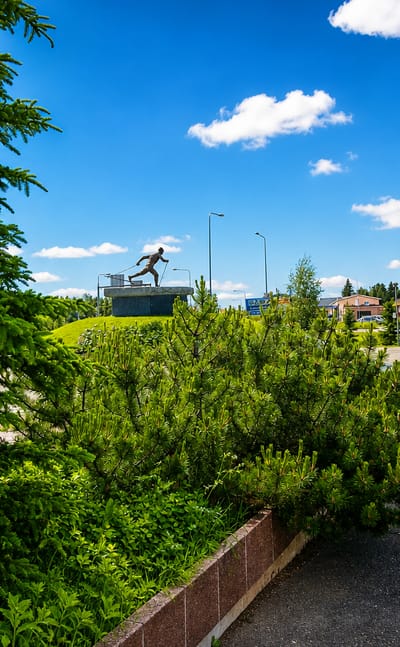
Pello
Pello is a border municipality on the Tornionjoki in Lapland, in the Arctic north of Finland, chartered in 1867.Where to stay →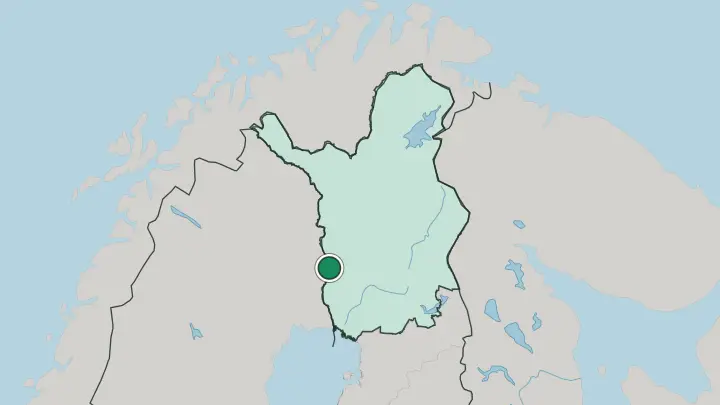
 Finland
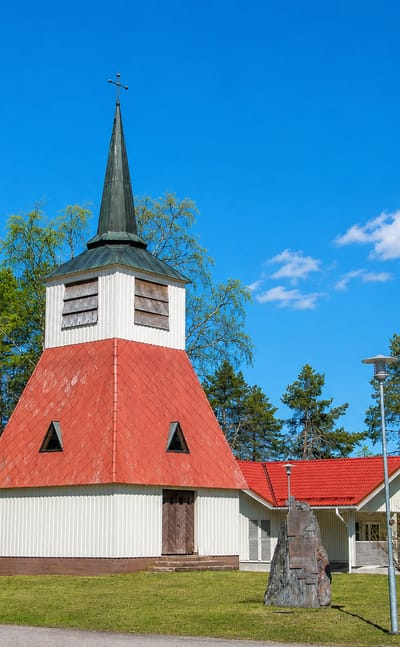
Posio
Posio is a lake-and-fell municipality in Lapland, in the Arctic north of Finland.Where to stay →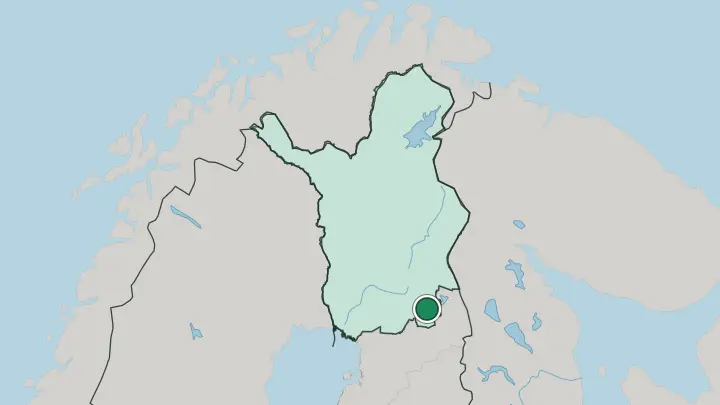
 Finland
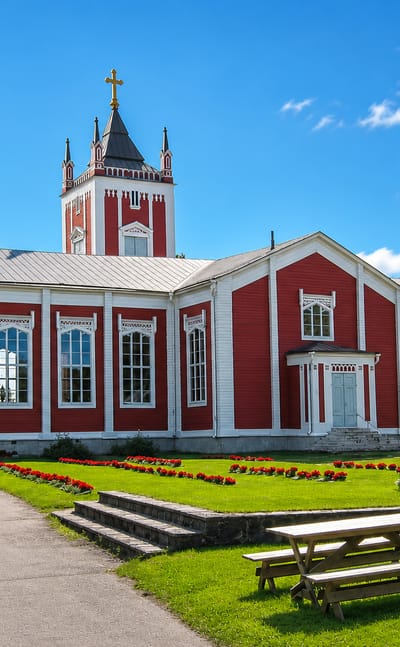
Tervola
Tervola is a riverside municipality in Lapland, in the Arctic north of Finland, on the Kemijoki river.Where to stay →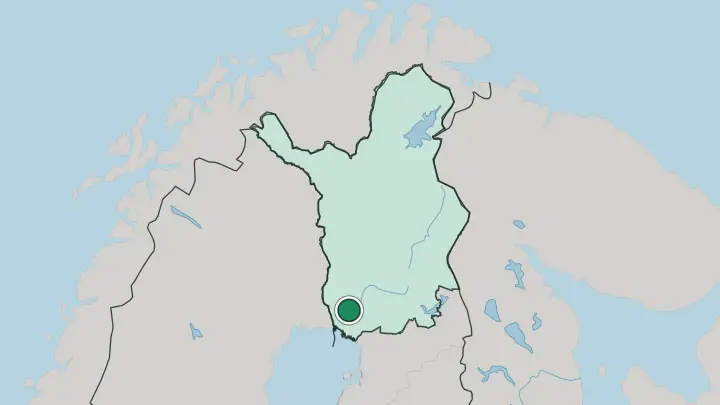
 Finland
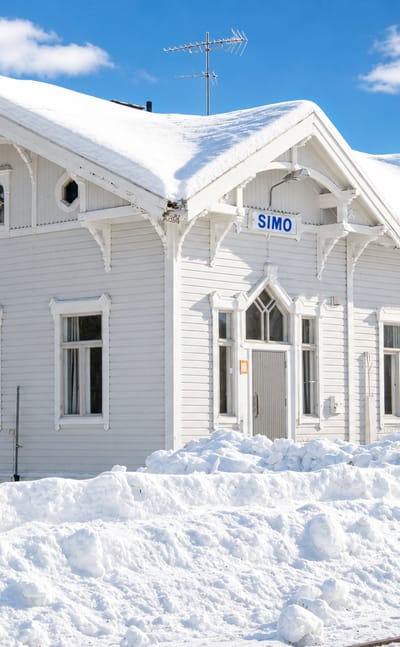
Simo
Simo is a coastal municipality in Lapland, in the Arctic north of Finland, where the Simojoki meets the Gulf of Bothnia.Where to stay →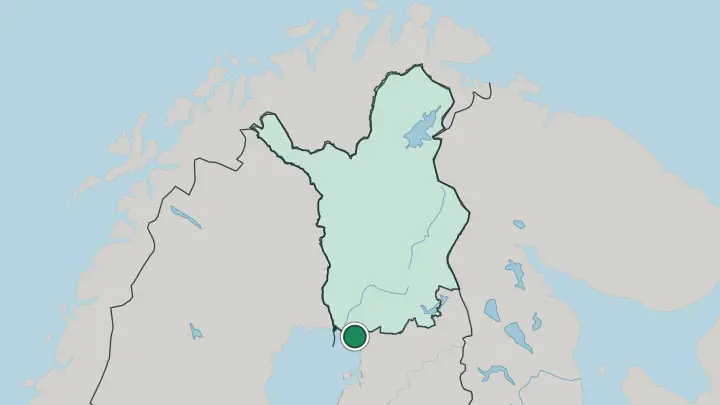
 Finland
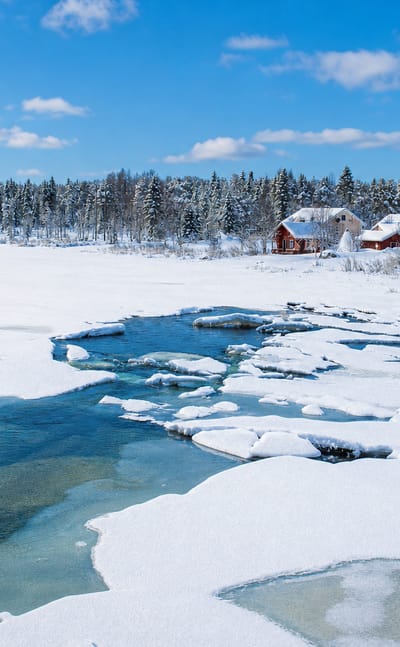
Muonio
Muonio is a fell town in Lapland, in the Arctic north of Finland, on the Muonio River border with Sweden.Where to stay →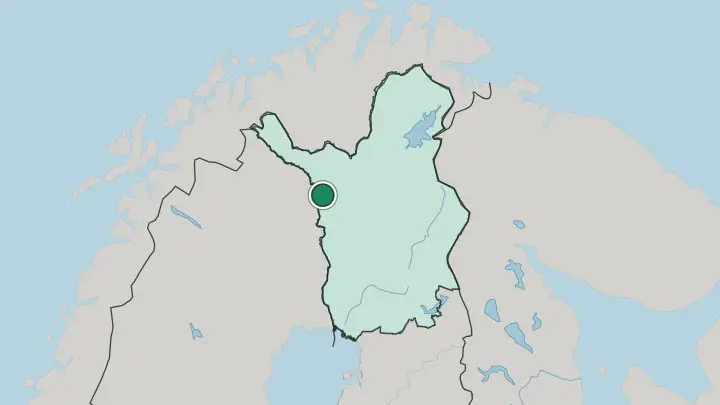
 Finland
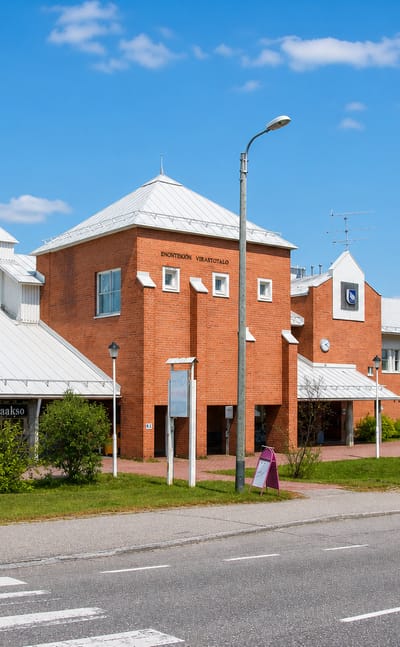
Enontekiö
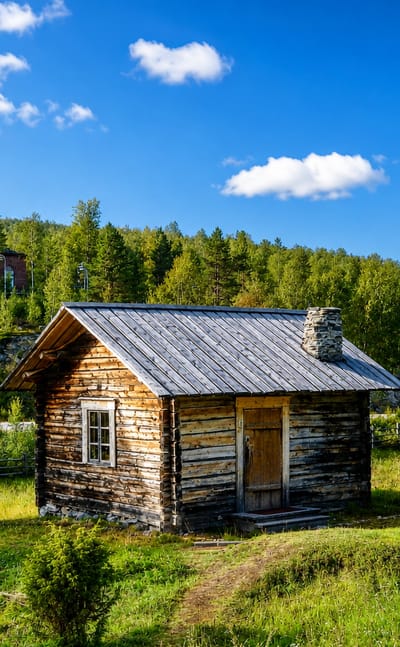
Enontekiö is a vast Sámi municipality of Lapland, in the Arctic north of Finland, ringed by fells.Where to stay →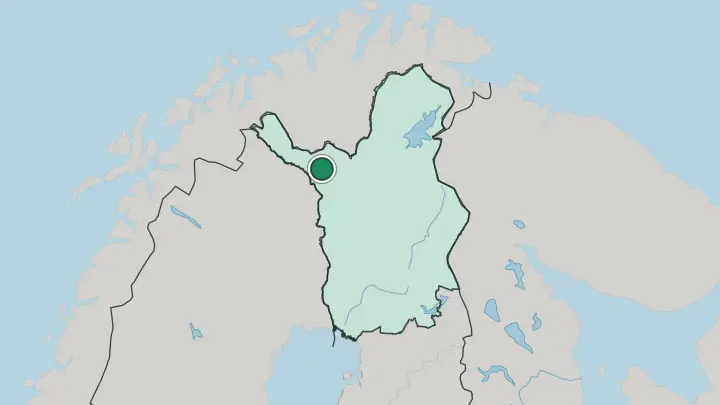
 Finland
Utsjoki
Utsjoki is Finland's northernmost municipality, a Sámi parish on the Teno river in Lapland, in the Arctic north.Where to stay →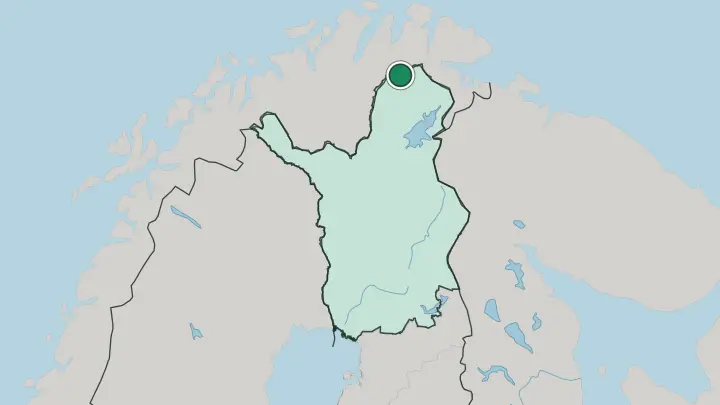 Finland
Savukoski
Savukoski is a vast, thinly settled wilderness municipality in Lapland, in the Arctic north of Finland.Where to stay →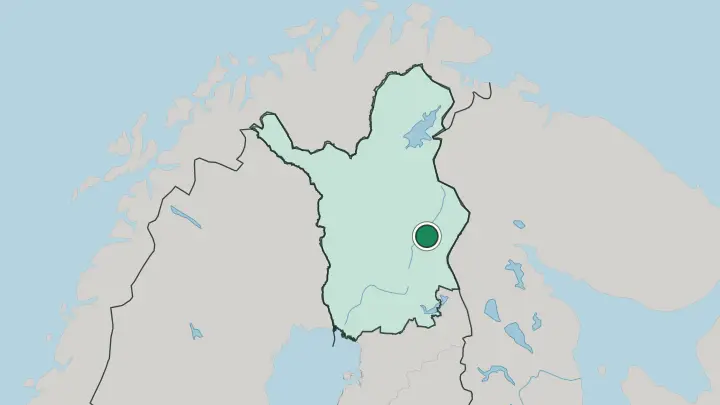
 Finland
Pelkosenniemi
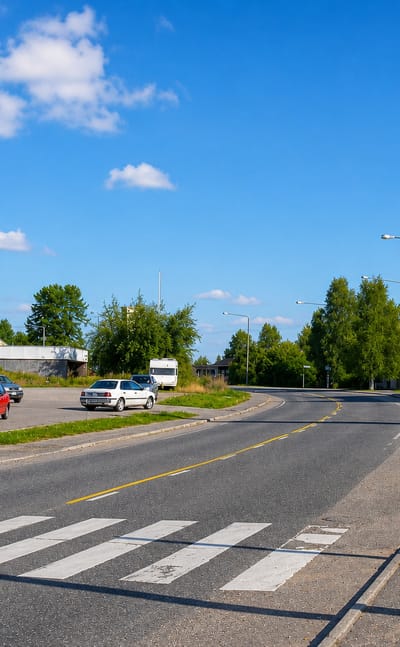
Pelkosenniemi is a national-park municipality in Lapland, in the Arctic north of Finland, chartered in 1916.Where to stay →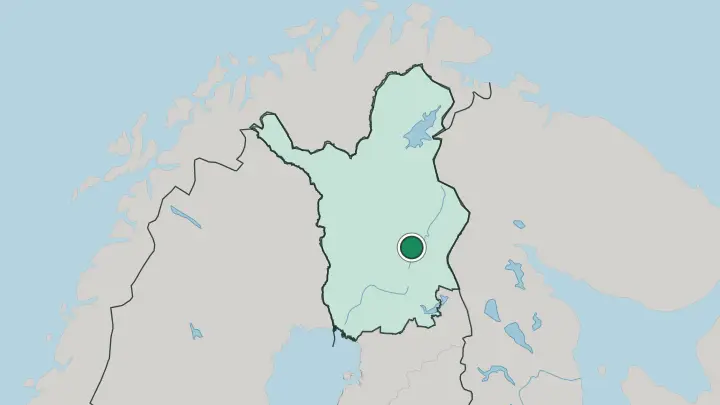
About Lapland
Lapland is the Arctic north of Finland.
What is Lapland known for?
Its name carries the whole far north in the popular imagination, the land of the Northern Lights and the Midnight Sun, of reindeer and open fell country, and Rovaniemi at its centre is the best-known way in. The region is the Finnish part of Sápmi. That is the traditional land of the Sámi, a homeland that reaches on across the border into Northern Norway and east toward Murmansk Oblast.
Where is Lapland?
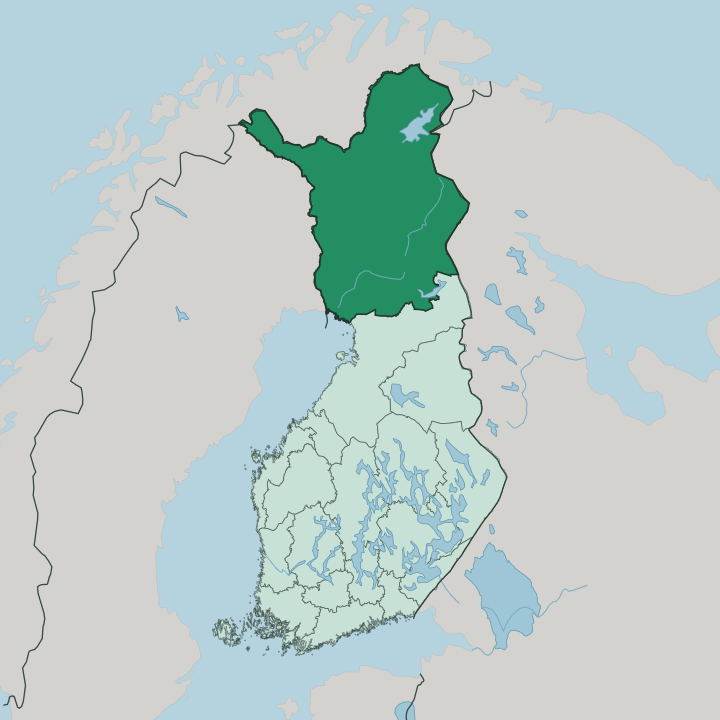
Lapland is the Arctic north of Finland, the largest and emptiest of the country's regions. It runs from the head of the Gulf of Bothnia, where Tornio and Kemi sit on the coast, far up into the open fell country where the boreal forest thins and finally gives out toward the treeless tops. This is high, cold ground.
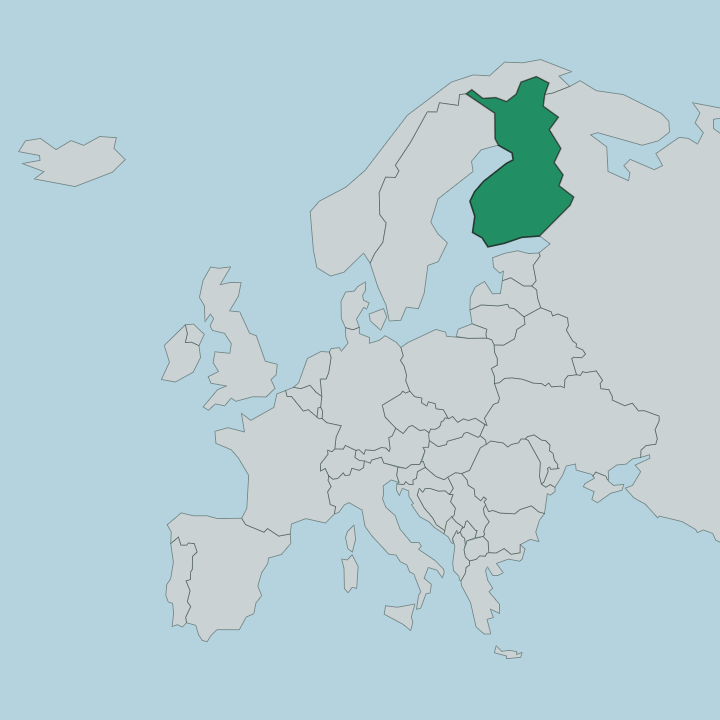
Beyond the lake belt of the south the land rises into the fells that mark the Finnish part of Sápmi, the broad homeland that carries on across the border into Northern Norway and east toward Murmansk Oblast. The region borders two countries along its long edges. Sweden lies to the west across the Tornio river and Norway to the north, while the Arctic distances stretch out toward Inari and Sodankylä in the far interior.
Rovaniemi sits near the centre. From there roads and a single rail line fan out across a region of forest, fell, and water far larger than many whole countries, the place where Finland reaches its northern limit.
What is Lapland like?
Lapland's culture is the culture of Sápmi. The region is the Finnish share of the Sámi homeland, and reindeer herding, the old livelihood of the north, still shapes the year across the fell country far more than it does anywhere to the south. The Sámi keep their own languages here.
Their traditions run on across the same open land into Northern Norway and east toward Murmansk Oblast, a single people divided by later borders rather than by the country itself. The rest of the region's life turns on the Arctic year. The long swing between the Midnight Sun of high summer and the dark, aurora-lit winter sets the rhythm of work and travel alike, and Rovaniemi has built much of its name on the season of snow.
Inari, far to the north, is a centre of Sámi life. From the coast at Kemi up to the inland fells, Lapland holds together a thin, scattered population bound by reindeer, distance, and the turning of the Arctic light.
What is the history of Lapland?
Lapland was the land of the Sámi long before any border crossed it. For centuries the open north of Sápmi was lived in by reindeer-herding people whose range ignored the lines later drawn between Finland, Sweden, Norway, and the lands toward Murmansk Oblast. Settlement came slowly from the south.
Towns grew first on the coast at Kemi and Tornio, and the inland centres at Rovaniemi, Sodankylä, and Inari rose later as the Finnish state reached north into a region it had long held only thinly.
What is the climate of Lapland?
Lapland has a hard Arctic climate. Winter is the long season here, with deep snow that lies for much of the year and the polar dark broken by the Northern Lights over the fells. Summer is brief and bright.
The Midnight Sun keeps the light unbroken for weeks across the far north around Inari and Sodankylä, while the southern coast at Kemi and Tornio thaws a little earlier off the Gulf of Bothnia, and the cold sharpens with every step inland and north.
How do you get to Lapland?
Rovaniemi is the main gateway. Its airport is the busiest in the Finnish north and the usual first landing, with a rail line running up from the south of Finland to meet it. Roads carry on from there into the fells.
Routes climb north toward Sodankylä and Inari and cross the western border into Sweden at Tornio, while the coast road links Kemi and the head of the Gulf of Bothnia, and the far north opens toward Northern Norway.
Common questions
What is the best area to stay in Lapland?
Rovaniemi: first-time visitors to the Arctic. Inari fell country: travellers heading deep into Sápmi.
Good for
More regions in Finland
Updated September 2026