Finland · Lapland
Where to Stay in Kolari, Lapland
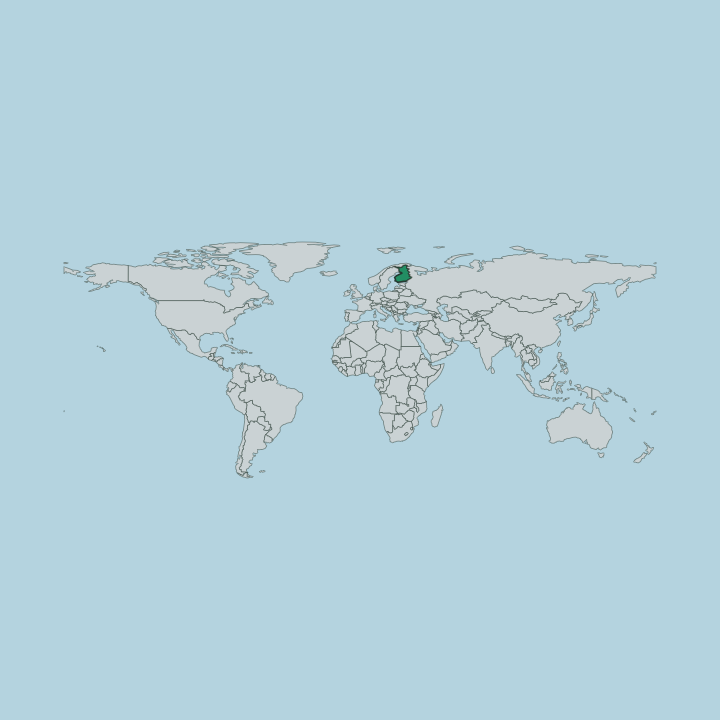
Kolari is a Finnish Lapland municipality on the Torne River, the northernmost railhead in the Arctic north.
Find your area →


Where to stay in Kolari
Not every neighbourhood fits every trip — here's what each one is good for.
Kolari keeps few beds of its own, an Arctic municipality of Lapland where the village by the station and the river is a quiet base rather than a resort. The centre gathers near the Kolarin kirkko and the line of rail, and a room here puts the church, the station and the Torne River within an easy reach, the simplest place to step off the overnight train and find a bed. It is a railhead first.
Many travellers do not linger in the town at all but ride on to the fells of Ylläs, where the resort beds stand among the slopes east of the river. Stock is thin in the village. The old parish hamlet of Sieppijärvi and the scattered farms along the Torne River hold cottages and guesthouses for those touring this border country of the Arctic north by car, while the island of Vaarasaari and the belfry of the old church draw visitors who keep close to the church centre of Kolari.
Book ahead in the bright summer, when the few rooms along the river fill early.
Things to do in Kolari
Ranked by global recognition; descriptions from Wikidata (CC0).
Churches & Religious Sites
3- Kolarinsaaren kirkko Heritage
- Kolarin kirkko Heritage
- Sieppijärven kirkko Heritage
Nature & Outdoors
1- Vaarasaari Heritage island
worth knowingacross 2 categories in Kolari
About Kolari
What is Kolari known for?
Kolari is known as the northernmost railhead in Finland, the place in Lapland where the overnight trains from the south end their run. The Torne River draws the Swedish border past the town. From here most travellers carry on to the fells of Ylläs, and the old Kolarin kirkko keeps the centre of this Arctic municipality where the long line of rail meets the river country.
What are the main landmarks in Kolari?
The Kolarin kirkko is the landmark of the town, the parish church that holds the centre of Kolari in Lapland, and the belfry of the old church, the Kolarin vanhan kirkon tapuli, stands as a survivor of an earlier parish. Churches mark the river country. Out in the municipality the Sieppijärven kirkko serves the parish hamlet of Sieppijärvi, the small Pyhän Laurin kappeli stands among the woods, and the island of Vaarasaari and the old packing road of the Telatie carry the older history of this Arctic corner along the Torne River.
What is the history of Kolari?
Kolari grew up along the river that marks the border. The Torne River, the longest free-flowing river in Europe, drew settlers to its banks in this far corner of Lapland, and the old packing road of the Telatie carried trade and iron through the woods long before any railway reached the north. The river made the parish.
Churches rose to gather the scattered hamlets, the Kolarin kirkko at the centre and the Sieppijärven kirkko out in the parish hamlet of Sieppijärvi, with the belfry of the Kolarin vanhan kirkon tapuli left standing from an earlier age of worship by the water. The municipality was set on its own footing when Kolari was chartered in 1867, a thin agrarian parish of farms, forest and river banks scattered across the Arctic north. Rail came late and changed the town.
The line pushed up from the south to make Kolari the northernmost railhead in Finland, the overnight trains ending their run here, and the town turned into the doorway to the fells of Ylläs while the old churches and the island of Vaarasaari kept the memory of the parish along the Torne River.
Where is Kolari?
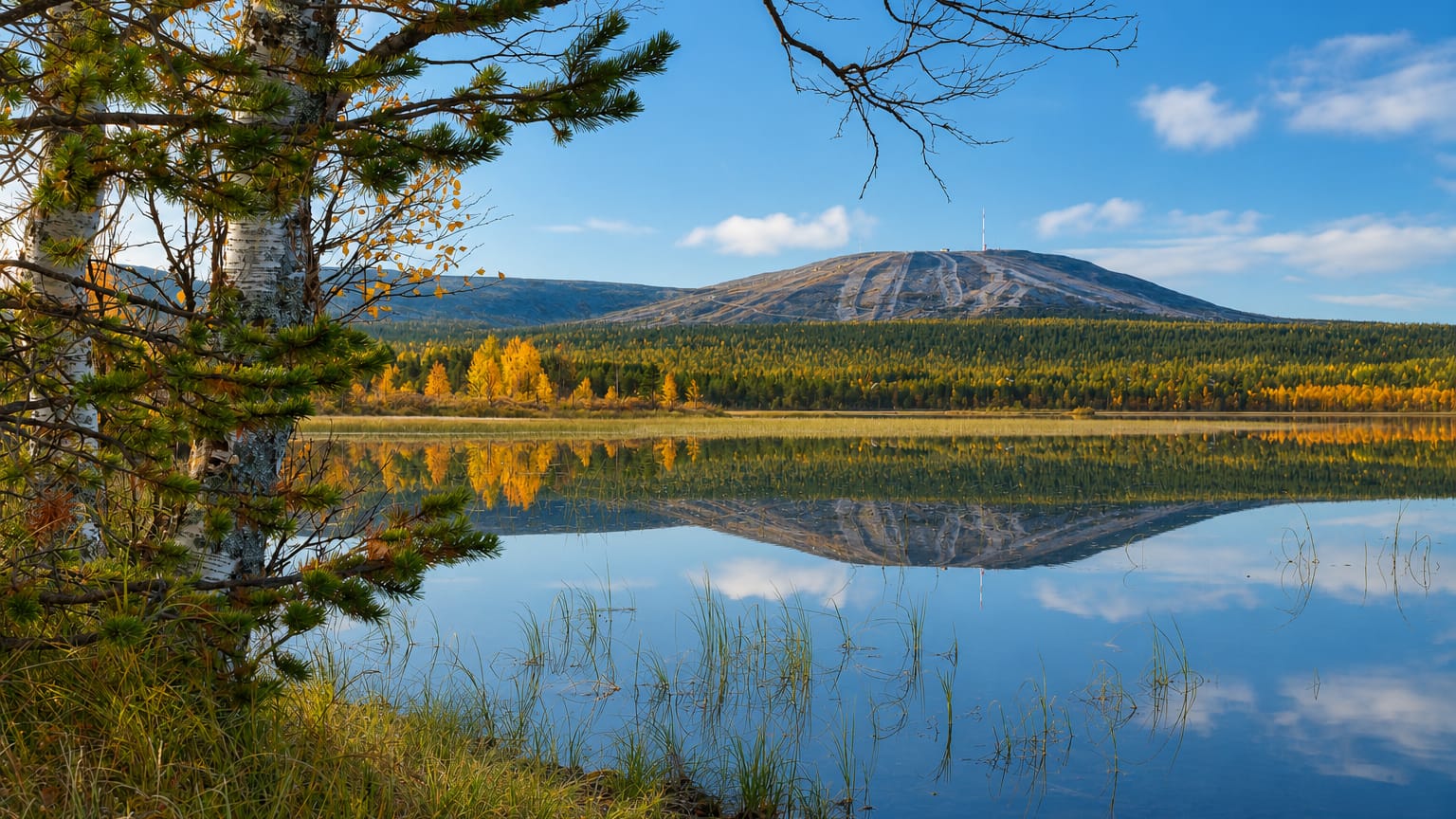
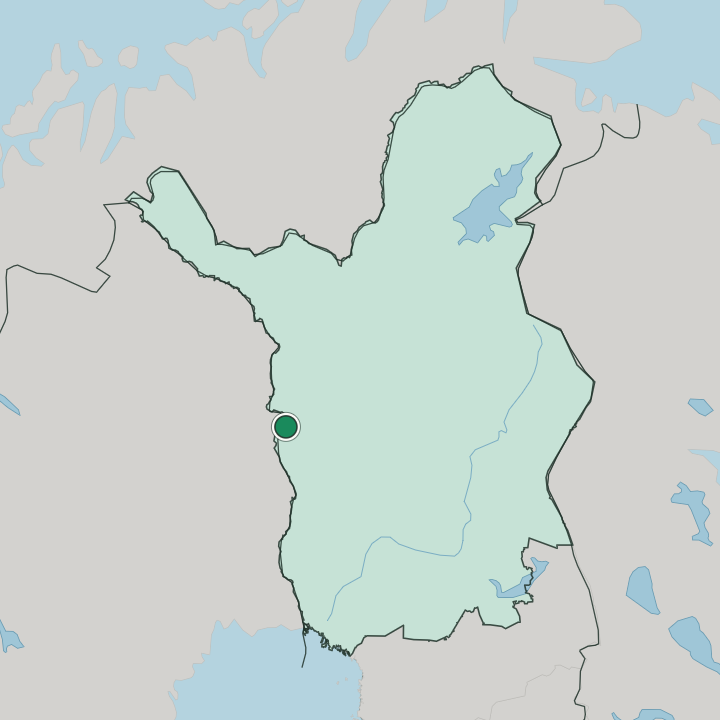
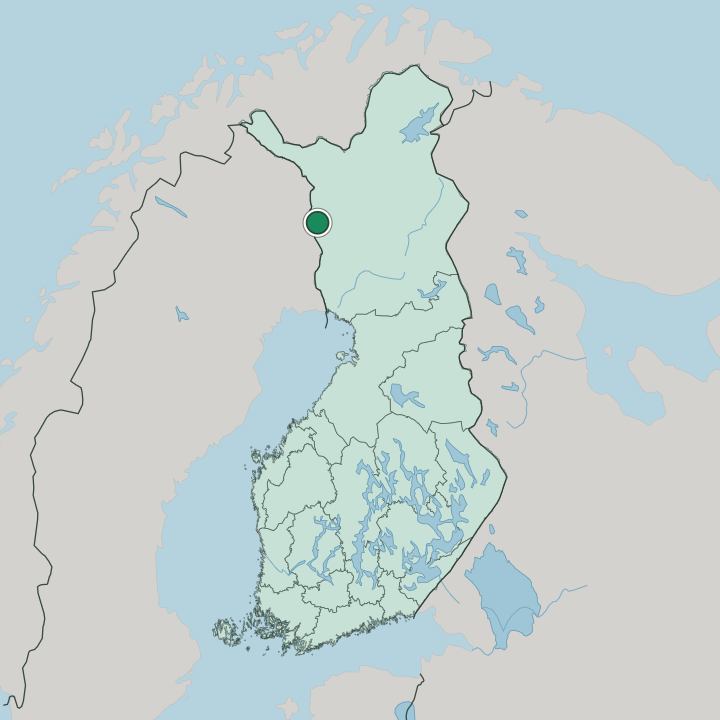
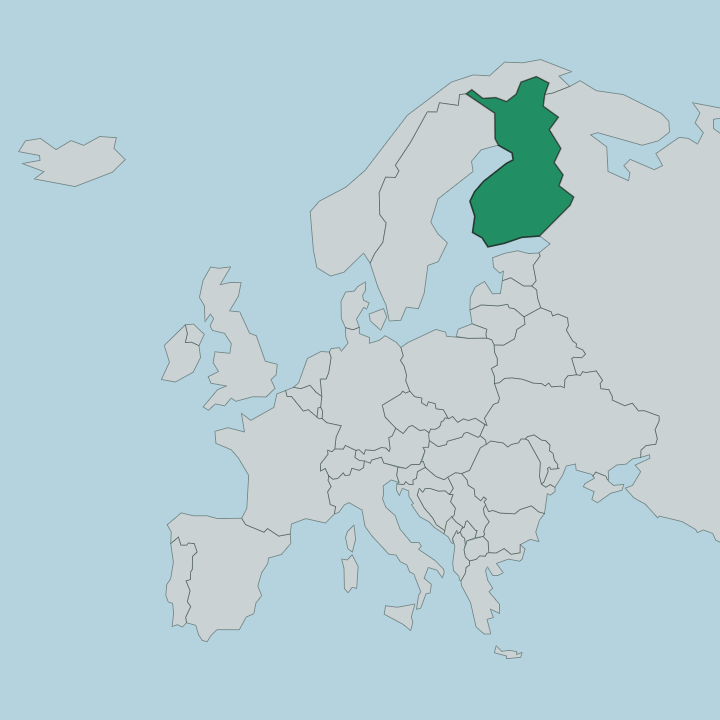
Kolari spreads along the Torne River in the far Arctic north of Lapland, the river drawing the Swedish border down the western edge of the municipality. Forest, fell and water fill the land. The town centre gathers near the Kolarin kirkko by the river, while the fells of Ylläs rise to the east and the island of Vaarasaari sits out in the stream.
It is a wide, thinly peopled parish. Hamlets such as Sieppijärvi lie scattered across the woods, and the long northern terrain of forest and bog runs on toward the higher fells of this corner of the Arctic north.
What is the climate of Kolari?
Kolari has the hard subarctic climate of the far north of Lapland, with long and deeply cold winters that hold snow over the Torne River for many months on end. The light swings to extremes. The brief summer runs cool and bright under the endless northern day, when the river and the woods around the Kolarin kirkko open up before the snow returns to bury the fells of Ylläs and the long winter closes in once more over this Arctic parish.
How do you get to Kolari?
Kolari is the northernmost railhead in Finland, the point in Lapland where the overnight trains from the south end their line. Travellers ride the rails north. The sleeper from the capital reaches the station by the Torne River, and from there buses carry on to the fells of Ylläs and the wider Arctic north.
Cars come up the long roads as well, following the river and the Swedish border past the Kolarin kirkko into this far corner of Lapland.
Good for
More cities in Lapland
Updated September 2026