Finland · Lapland
Where to Stay in Sodankylä, Lapland
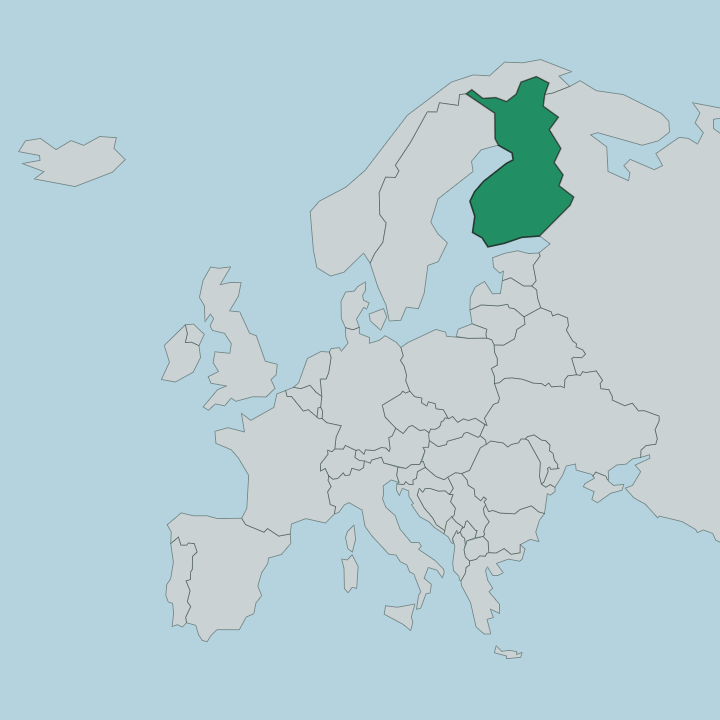
Sodankylä is a town in Lapland, in the Arctic north of Finland, set on the Kitinen River and known for its Midnight Sun Film Festival.
Find your area →


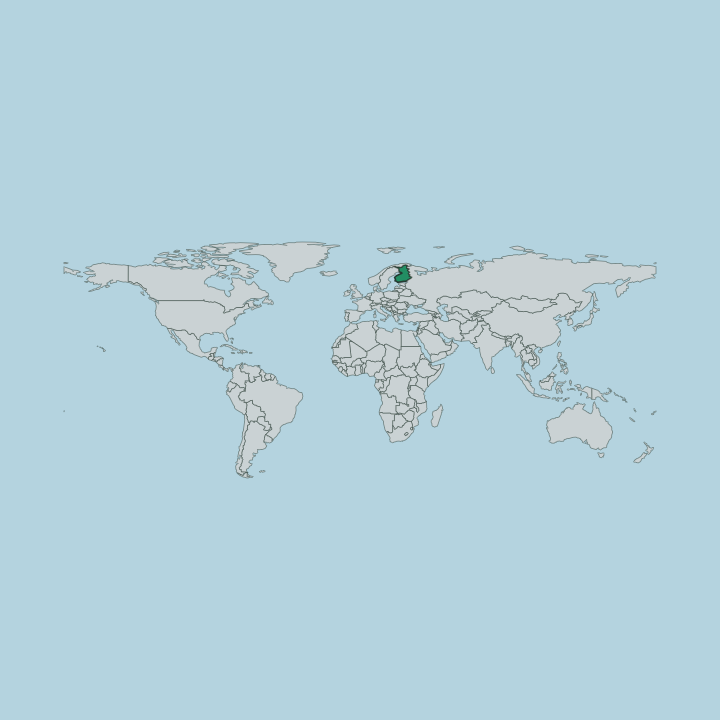
Where to stay in Sodankylä
Where you base yourself shapes the visit — here's the character of each area.
Most beds in Sodankylä sit in the town centre by the Kitinen River. The compact core near the Sodankylän kirkko holds the town's hotels, guesthouses, and services, and this is where most visitors base themselves close to shops and the main roads north before heading out into the surrounding Arctic country of Lapland. Book far ahead for the festival.
During the Midnight Sun Film Festival the town's rooms fill completely, and travellers arriving without a reservation find the centre full and spill out to cottages and the neighbouring municipalities. The wider country offers the quieter option. Across the vast forested fells of the municipality, wilderness cabins and rural cottages open for travellers who want a calm base under the northern sky rather than a room in the centre.
Everything up here is a drive apart. Sodankylä is one of the largest municipalities in Finland by land area, and beds scatter thinly across the fells, so visitors planning to roam the Arctic country around the Kitinen should arrange a base well before they arrive.
About Sodankylä
Sodankylä is known for the midnight sun.
What is Sodankylä known for?
Each summer the small town in the Arctic north draws film-goers from across the world to its Midnight Sun Film Festival, screened under the unsetting light of the Lapland sky beside the Kitinen River. Its old wooden church draws visitors too. The Sodankylän vanha kirkko, a darkened log church built in 1689, stands among the oldest wooden churches in Finland, and the town's place on the main roads north opens the way into the wider Arctic country of Lapland.
What are the main landmarks in Sodankylä?
The Sodankylän vanha kirkko is the town's great treasure. A darkened log church built in 1689, it stands among the oldest surviving wooden churches in Finland, while the larger Sodankylän kirkko of 1859 serves the modern parish nearby. Culture gathers around the museums.
The Sodankylän kotiseutumuseo keeps the local history of the Arctic town, the Museo-galleria Alariesto shows the work of the Lapland painter Andreas Alariesto, and the Sodankylän helluntaiseurakunta marks the town's wider religious life beside the Kitinen River.
What is the history of Sodankylä?
Sodankylä grew as a parish on the Kitinen River in the Arctic north of Finland. Its community gathered in the far interior of Lapland, where the log Sodankylän vanha kirkko was raised in 1689 to serve a scattered community of farmers, herders, and the Sami of the northern fells long before the place took its modern administrative shape, chartered as a municipality in 1893. The old church still stands.
Its dark timber walls survive as one of the oldest wooden churches in the country, and the larger Sodankylän kirkko followed in 1859 as the growing parish needed more room. The roads north reshaped the town. As highways pushed up through Lapland, Sodankylä became a junction and service town on the way to the far Arctic, while its land grew into one of the largest municipalities in Finland, sprawling across forest and fell.
Culture took root here too. The Sodankylän kotiseutumuseo gathered the town's local history, the Museo-galleria Alariesto preserved the work of the Lapland painter Andreas Alariesto, and the Midnight Sun Film Festival carried the town's name across the world. So a remote northern parish became a known town of the Arctic interior.
Where is Sodankylä?
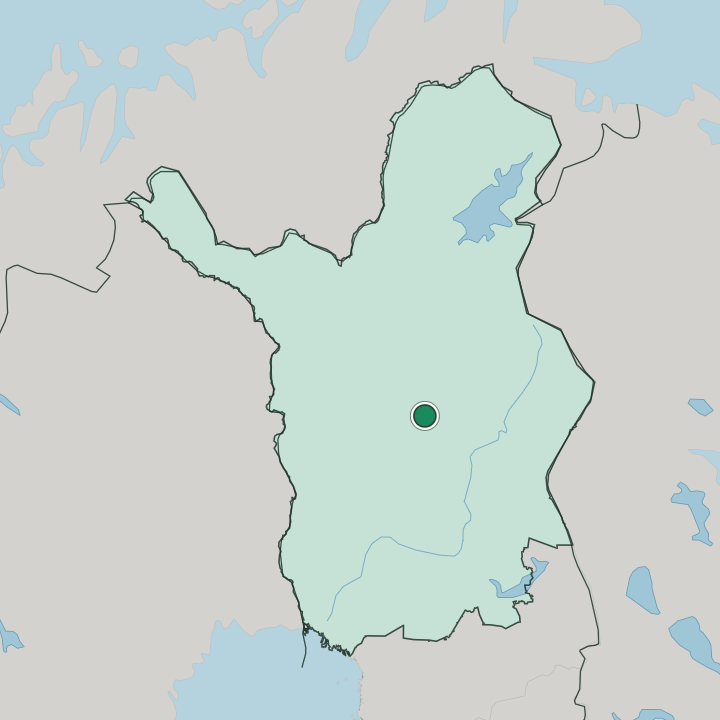
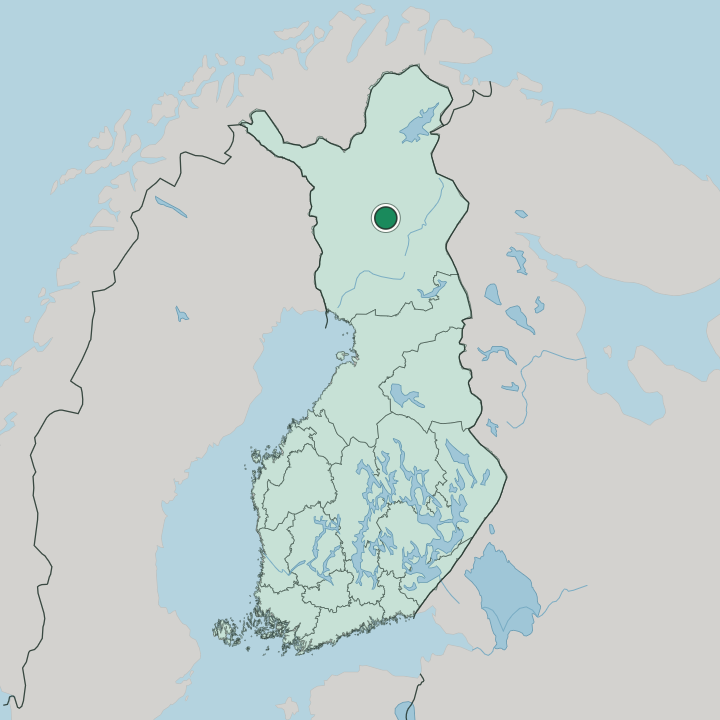
Sodankylä lies deep in Lapland, in the Arctic north of Finland. The Kitinen River runs past the centre of the town, which sits at the meeting of the main highways through the far interior, surrounded by a vast country of forest, bog, and low fells. The municipality is enormous.
Among the largest in Finland by land area, it spreads across the northern wilderness toward neighbouring Inari, Kittilä, and Rovaniemi, with the town centre a small clearing in a great sweep of Arctic country.
What is the climate of Sodankylä?
Sodankylä has the subarctic climate of the far north. Winters are very long, dark, and severe, with hard frost and deep snow gripping the fells and the Kitinen River for months while the sun barely clears the horizon through the polar dark. Summers are short and luminous.
The midnight sun rides the sky for weeks, lighting the forests and bringing brief warmth before the cold returns, and the bright nights of the season frame the town's celebrated festival. Snow lies deep and long here each winter.
How do you get to Sodankylä?
Sodankylä sits on the main roads through Lapland. Drivers reach the town along the great highways that run north through the Arctic interior, linking it to Rovaniemi in the south and Inari farther north, and most visitors arrive by car or coach across the long northern distances. Buses serve the town along these routes.
The nearest airport and railhead lie at Rovaniemi to the south, the usual gateway for travellers from farther afield, while local roads run out across the fells to the neighbouring municipalities around the Kitinen River.
Good for
More cities in Lapland
Updated September 2026