Finland · Lapland
Where to Stay in Kemi, Lapland
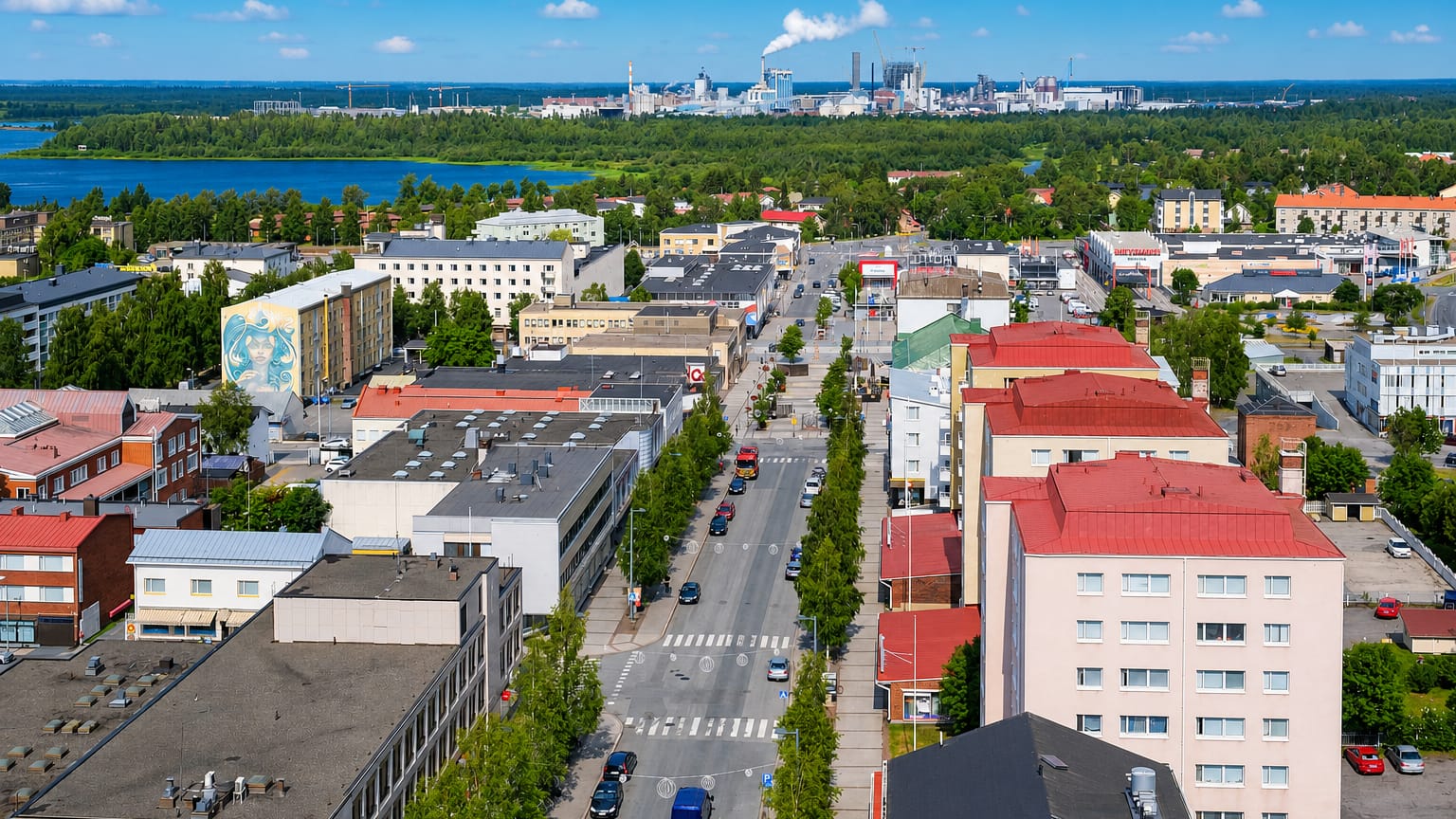
Kemi is a port town in Lapland, in the Arctic north of Finland, known for the Kemin lumilinna snow castle on the Gulf of Bothnia.
Find your area →


Where to stay in Kemi
Where you base yourself shapes the visit — here's the character of each area.
Kemi carries a steady stock of beds for a town its size, gathered in the centre near the Kemin kirkko and along the harbour front on the Gulf of Bothnia. The town centre suits first-time visitors, with the shops, the Kemin kirkko and the Kemin taidemuseo all within a short walk and the rail line close at hand. This makes the centre the simplest place to stay in Kemi.
The snow castle of the Kemin lumilinna runs its own rooms of ice through the winter season, a one-night stay for those who want to sleep in the carved halls on the shore, a rare bed in the Arctic north of Finland. Out by the water, hotels face the sea where the icebreaker docks, a base for the frozen-sea cruise and the long northern dark. Kemi is an Arctic port.
Some travellers instead sleep across the river in Tornio or drive down from Rovaniemi, the Lapland capital to the north-east, and reach Kemi for the day. Book ahead in the snow season, when the ice rooms of the Kemin lumilinna and the harbour hotels of this Lapland port fill early.
Things to do in Kemi
Ranked by global recognition; descriptions from Wikidata (CC0).
Museums & Galleries
2- Kemin taidemuseo
- Kemin historiallinen museo
Churches & Religious Sites
2- Kemin kirkko Heritage
- Kemin helluntaiseurakunta
Castles & Historic Sites
1- Kemin lumilinna Annual snow fort
worth knowingacross 3 categories in Kemi
About Kemi
What is Kemi known for?
Kemi is known for the Kemin lumilinna, the snow castle rebuilt each winter on the shore of the Gulf of Bothnia in Lapland. Ice and snow draw the crowds. The town sits near the Swedish border by Tornio, in the Arctic north of Finland, and an icebreaker runs visitors out across the frozen sea through the dark season.
Beyond the winter sights, the Kemin kirkko marks the centre and the Kemin taidemuseo keeps the town's art, an ordinary Finnish port that turns its northern winter into a season of its own.
What are the main landmarks in Kemi?
The Kemin lumilinna is the landmark that makes Kemi, a snow castle carved fresh on the shore of the Gulf of Bothnia every winter, its halls and walls melting away each spring. Snow is the great draw. The Kemin kirkko stands at the heart of the town, a heritage church marking the centre, while the Kemin taidemuseo holds the town's art and the Kemin historiallinen museo keeps the record of this Lapland port near the Swedish border by Tornio in the Arctic north of Finland.
What is the history of Kemi?
Kemi was chartered in 1869 by decree of Emperor Alexander II, set on the Gulf of Bothnia for the deepwater port the coast offered in the Arctic north of Finland. A town grew where the sea met the timber country, and the port carried the wood and pulp of inland Lapland out across the water. Sawmills lined the shore.
Harbour and mills made Kemi an industrial port near the Swedish border by Tornio, its working life turned to the sea and the forest trade through the long northern century, the Kemin kirkko marking the centre of the growing town. Modern Kemi turned the winter to account. The Kemin lumilinna rose as a snow castle rebuilt each year on the shore, and the icebreaker that once worked the frozen sea began to carry visitors instead, drawing travellers to the ice and the dark.
Industry held on. Pulp and paper kept their place along the Gulf of Bothnia while the town leaned into its winter season, and the Kemin historiallinen museo gathered the record of the port as Kemi settled into its modern role as a working town of the Lapland coast, an ordinary Finnish port that built a season out of snow.
Where is Kemi?
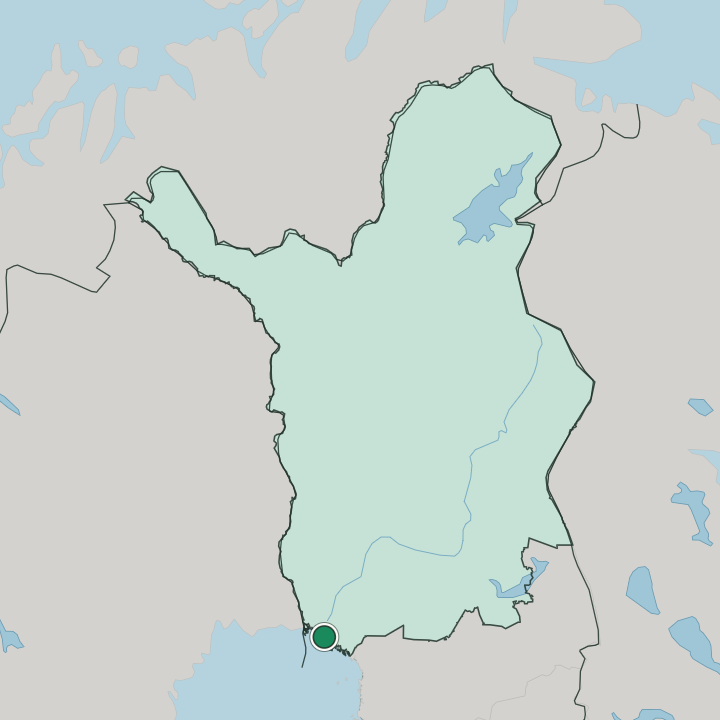
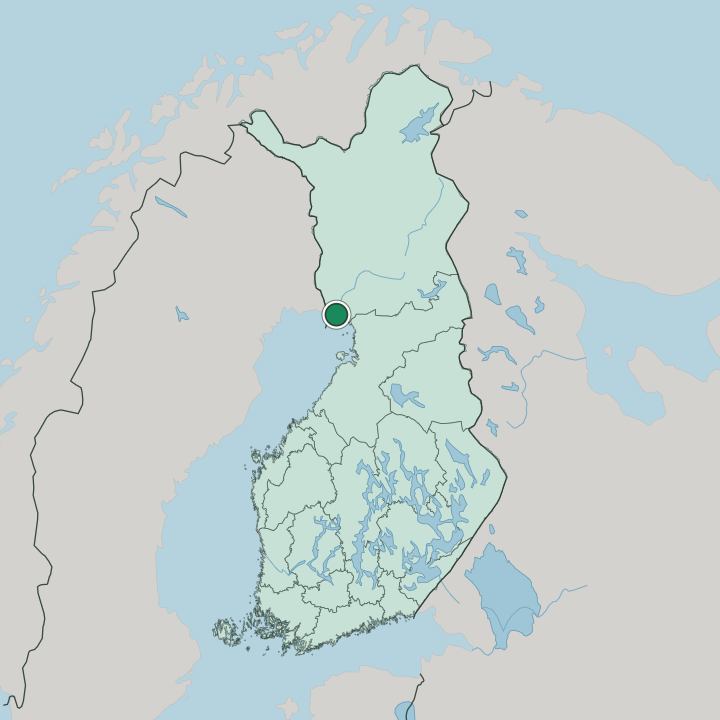
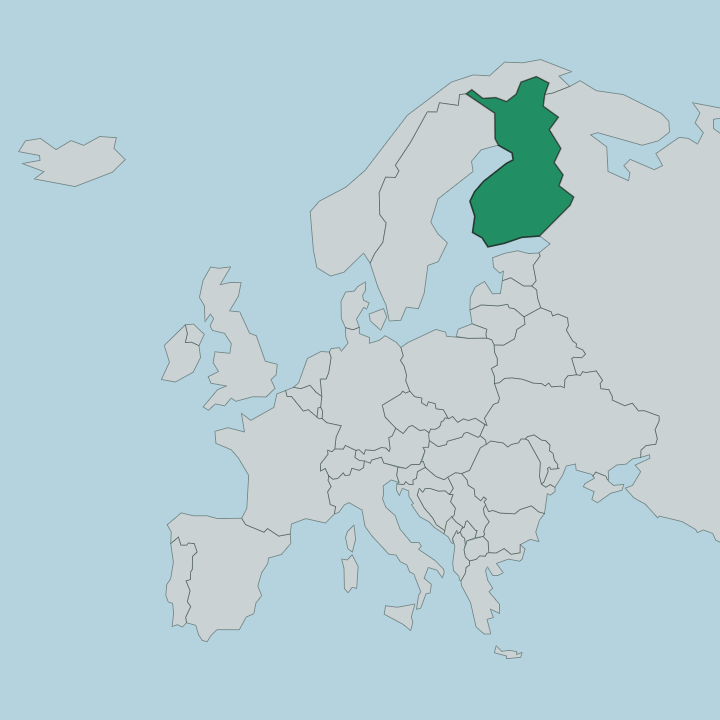
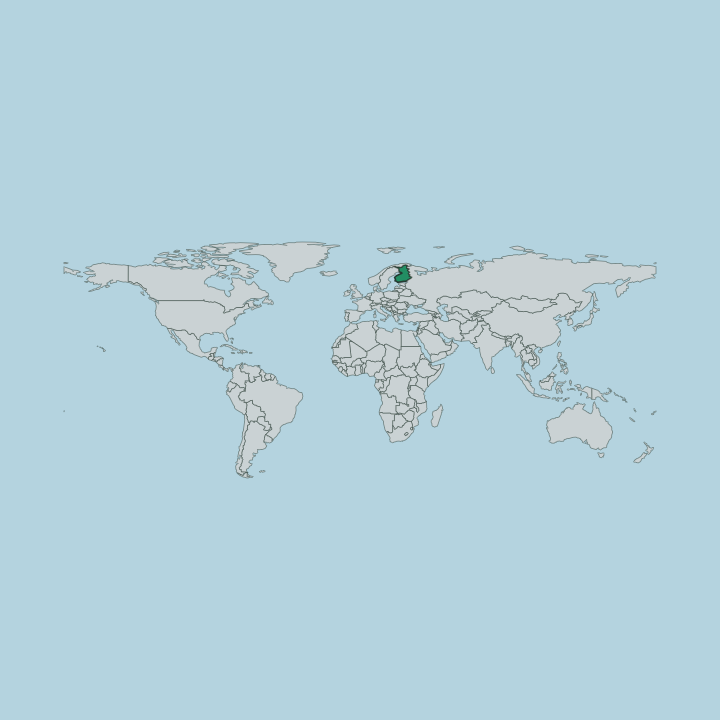
Kemi lies on the Gulf of Bothnia at the northern head of the sea, in the Arctic north of Finland on the Lapland coast. The town stands near the Swedish border, close to Tornio at the river mouth, with the flat shore and the frozen winter sea spread to the west. Forest backs the town.
Inland the timber country of Lapland runs north toward Rovaniemi, while the deepwater harbour that built Kemi opens onto the gulf, the port and the centre by the Kemin kirkko set on the edge of the northern water.
What is the climate of Kemi?
Kemi has a cold subarctic climate set by the Gulf of Bothnia and the Arctic north of Finland. Winters are long, dark and hard, the sea freezing solid off the shore so that the icebreaker can work the bay and the Kemin lumilinna can be carved from the deep snow that grips this corner of Lapland. The sun barely clears the horizon.
Summers are short and bright, the long northern daylight warming the coast and the timber country around Tornio through a brief season before the dark and the ice close back over the gulf.
How do you get to Kemi?
Kemi sits on the main line and road up the Gulf of Bothnia coast, well linked for a town in the Arctic north of Finland. Trains run to the station in the centre, and the road carries traffic north past Tornio to the Swedish border and on into Lapland. An airport serves the shared Kemi-Tornio reach.
Travellers from farther south reach the town by rail or by air from Oulu down the coast, while those coming from the Lapland capital drive south from Rovaniemi to reach the port and the snow castle on the sea.
Good for
More cities in Lapland
Updated September 2026