Finland · Lapland
Where to Stay in Ranua, Lapland
Ranua is a southern Lapland municipality in the Arctic north of Finland, known for its wildlife park and wide forests.
Find your area →


Where to stay in Ranua
The right area depends on your trip — here's what each neighbourhood is best for.
Most beds cluster by the zoo. The Ranua Wildlife Park has its own lodging alongside it, the natural choice for families who came north for the animals and want them on the doorstep at opening time. The small church village nearby gathers the rest of the services around the Ranuan kirkko.
It is a compact place. Outside these two points, Ranua thins fast into forest, so booking ahead matters in a municipality this lightly served. For a base in deeper Lapland, cabins scatter through the woods and along the bogs that fill most of the municipality.
These suit travellers chasing winter quiet, snow, and the dark-sky nights of the Arctic north. Many visitors treat Ranua as a day trip from Rovaniemi rather than an overnight, pairing the wildlife park with the city's Santa Claus sights. Anyone staying longer finds the church village the practical anchor, with the Ranuan pappila- ja pitäjämuseo a short walk for a sense of the old parish.
About Ranua
Animals draw the crowds.
What is Ranua known for?
The Ranua Wildlife Park is the second-northernmost zoo in the world, and it is by far the biggest draw in this corner of Lapland, pulling in visitors who pair it with the Santa Claus attractions up the road in Rovaniemi. Beyond the park, Ranua is forest and bog, a thin-peopled municipality in the Arctic north. The Ranuan kirkko and the old parsonage museum, the Ranuan pappila- ja pitäjämuseo, hold what local history there is.
What are the main landmarks in Ranua?
The Ranua Wildlife Park is the headline, the second-northernmost zoo anywhere and the reason most visitors come. In the village, the Ranuan kirkko anchors the parish. The Ranuan pappila- ja pitäjämuseo, set in the old parsonage, keeps the local history of this stretch of Lapland.
Memorials mark the harder years. The Itkevät kivet, a monument to those evacuated in the Lapland War, stands among several wartime markers across the municipality.
What is the history of Ranua?
Ranua came late to the map. This is far-north country, settled slowly along the rivers and bog margins of southern Lapland, its scattered farms carved out of forest that runs unbroken for kilometres. A parish formed around the Ranuan kirkko, the church that gathered a dispersed population into a single congregation in the Arctic north.
The twentieth century left its mark hard. War came to the far north: the Lapland War of the Second World War drove the population into evacuation, a wound the Itkevät kivet memorial records in stone, and several other wartime markers stand across the municipality to soldiers and the jäger tradition. Recovery came first from the forests and then from tourism.
The Ranua Wildlife Park, opened to show the animals of the north, turned a remote parish into a destination, drawing travellers who also visit nearby Rovaniemi. The Ranuan pappila- ja pitäjämuseo, housed in the old parsonage, holds the rest of the story, the quiet record of a farming and forestry community in Lapland.
Where is Ranua?
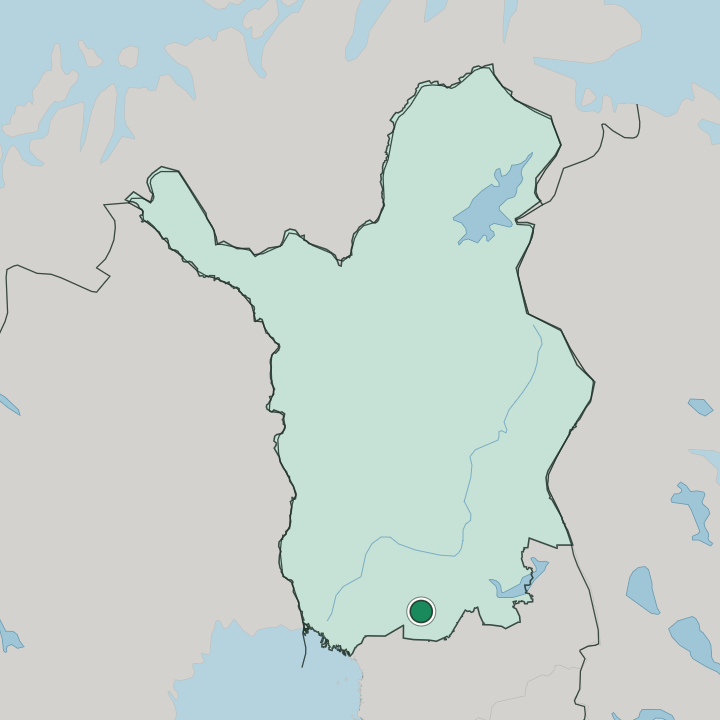
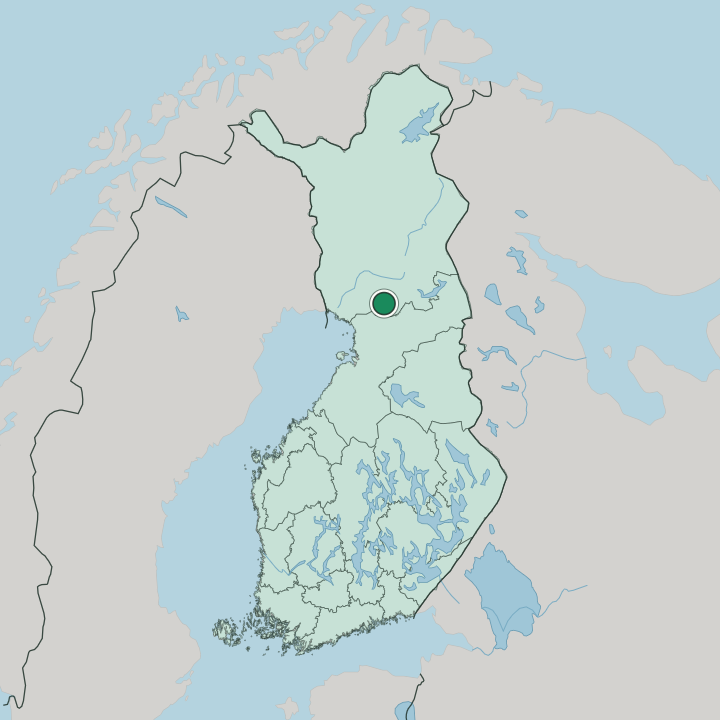
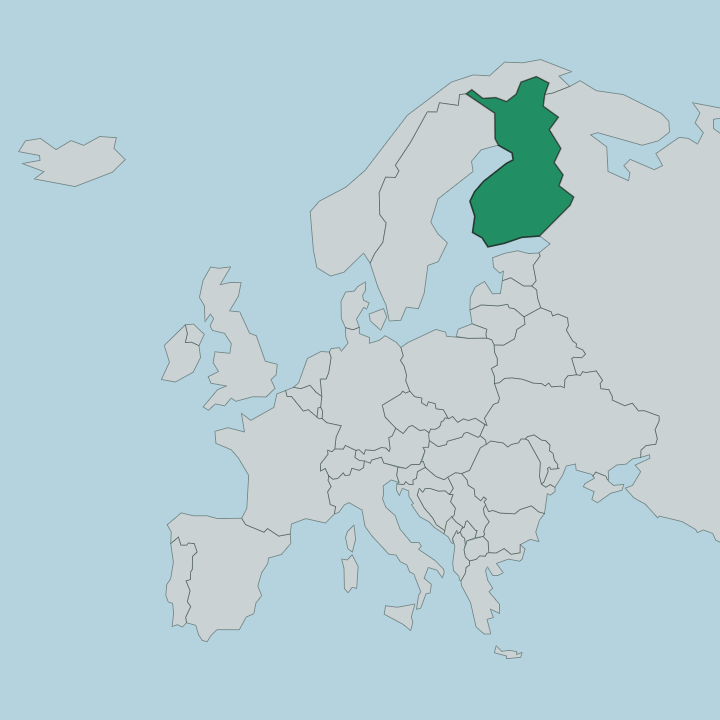
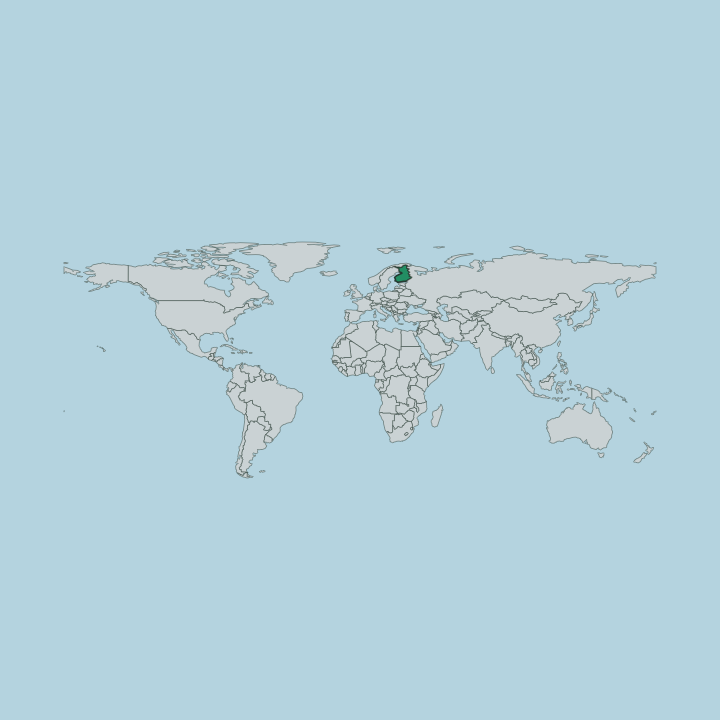
Ranua lies in southern Lapland, deep in the Arctic north of Finland. The municipality is vast and almost empty, one of the largest by area in the country, spread across forest, mire, and a scatter of small lakes and rivers. Bog covers much of it.
The land is low and flat, water lying in countless pools between the trees, and the village sits as a small clearing in an immense reach of woodland south of Rovaniemi.
What is the climate of Ranua?
Winter rules here. In the Arctic north of Lapland, snow lies deep for much of the year and the cold runs hard, the long polar nights giving way only slowly to spring. Summers are short but bright, lit by near-endless daylight that thaws the bogs and feeds the mosquitoes.
Ranua's year runs from one extreme to the other. Ranua sees the full range of a subarctic inland climate, from frozen midwinter dark to a brief, intense northern summer.
How do you get to Ranua?
Ranua is a drive from Rovaniemi. The road south from the Lapland capital reaches the village in under an hour, and many visitors arrive exactly that way, coming for the wildlife park on a day out from the Santa Claus sights. No rail line reaches the village.
Buses run the main route through the Arctic north, but a car gives the freedom to reach the cabins and bog trails scattered across this large, thinly served municipality.
Good for
More cities in Lapland
Updated September 2026