Finland · Lapland
Where to Stay in Salla, Lapland
Salla is a wilderness municipality in Lapland, the Arctic north of Finland, known for its national park and ski fells.
Find your area →


Where to stay in Salla
Each area has its own feel; here's who each one suits.
Salla offers the cabins and lodges of an Arctic outdoor municipality, the kind of place in Lapland where a ski-resort hotel or a forest cottage is the room rather than a town hotel. The resort by the ski fells suits skiers and winter visitors, with the slopes, the trails and the lodges gathered close on the hillside above the forests. The fellside resort is where most stay.
Out across the wilderness toward the Salla National Park and the Tuntsa Wilderness Area, cabins stand among the pines and the fells near the Karhunkierros trail, a good base for hiking, skiing and the long Arctic outdoors of eastern Lapland. Stock is thin in the deep wilderness. The village around the Sallan kirkko and the Salla wartime and reconstruction museum holds a small cluster of rooms and services, while travellers crossing toward the border or the Oulanka National Park often base here.
Book ahead in the ski season, when the lodges of Salla fill and the few village rooms go early.
Things to do in Salla
Ranked by global recognition; descriptions from Wikidata (CC0).
Museums & Galleries
1- Sallan sota- ja jälleenrakennusajan museo
Churches & Religious Sites
3- Sallan kirkko Heritage
- Hautajärven kirkko
- Kursun kirkko
Nature & Outdoors
1- Ruumissaari Heritage
Landmarks & Notable Places
1- Suoltijoen pirtin miehistörakennus Heritage
worth knowingacross 4 categories in Salla
About Salla
What is Salla known for?
Salla is known for the fells and forests of eastern Lapland, a wilderness municipality of the Arctic north built for skiing and the outdoors. The Salla National Park spreads across its hills, the northern part of the Oulanka National Park and most of the Tuntsa Wilderness Area lie within its bounds, and the Karhunkierros trail reaches its end here. Snow and trail define the place.
The Sallan kirkko serves the village, while the Salla wartime and reconstruction museum keeps the hard history of this border country.
What are the main landmarks in Salla?
The Salpalinja, the Salpa Line of border fortifications, is the landmark that marks Salla's wartime past in the Arctic north of Lapland. The Sallan kirkko serves the village, raised after the destruction of the war, and a second church, the Hautajärven kirkko, stands out in the wilderness. War shaped this ground.
The Salla wartime and reconstruction museum keeps that history, while the Salla National Park, the Tuntsa Wilderness Area and the Karhunkierros trail draw walkers into the fells and forests of eastern Lapland.
What is the history of Salla?
Salla's history is bound to its border and its wars. A scattered settlement of the eastern Lapland wilderness, gathered into a parish chartered in 1857, lived by reindeer, fishing and the timber drives of the northern forests along the rivers and the fells. The frontier set its fate.
Lying on Finland's eastern edge, the district was a front line in the wars of the twentieth century, when the Salpalinja fortifications were raised across the border country and the old village was lost. Reconstruction built the modern municipality. After the fighting the settlement was rebuilt, a new village rising around the postwar Sallan kirkko while the Hautajärven kirkko and the Kursun kirkko served the outlying corners of the wilderness.
The hard years of war and recovery are kept in the Salla wartime and reconstruction museum. In time Salla turned its fells and forests toward the outdoors, the Salla National Park, the Tuntsa Wilderness Area and the Karhunkierros trail drawing skiers and walkers into the Arctic north of Lapland.
Where is Salla?
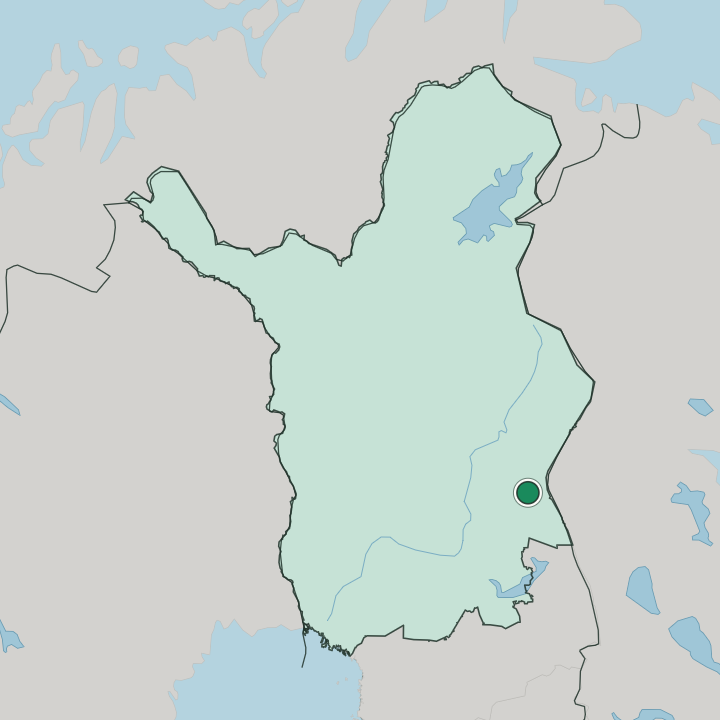
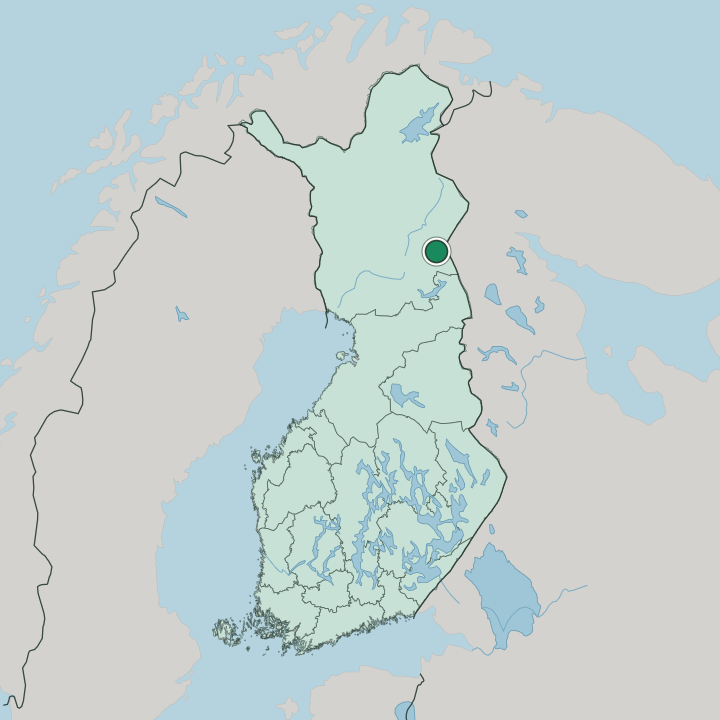
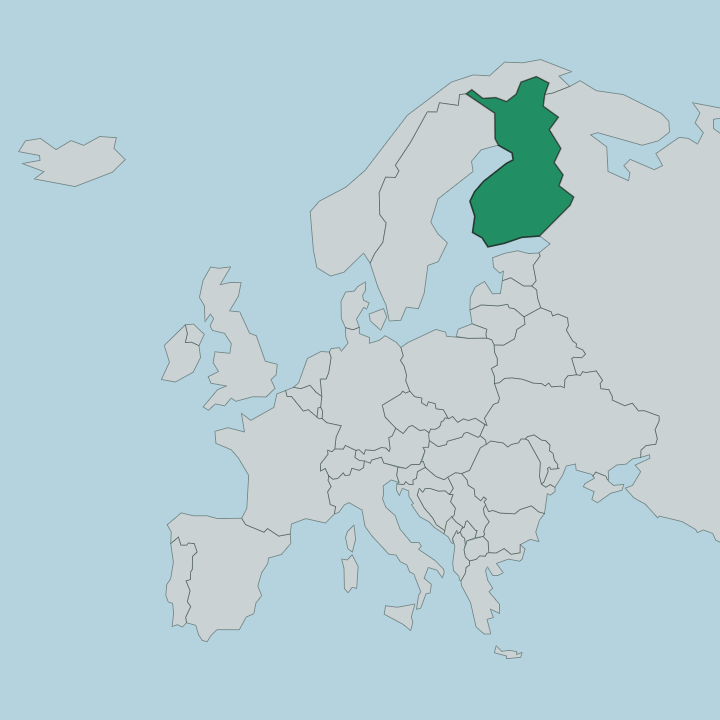
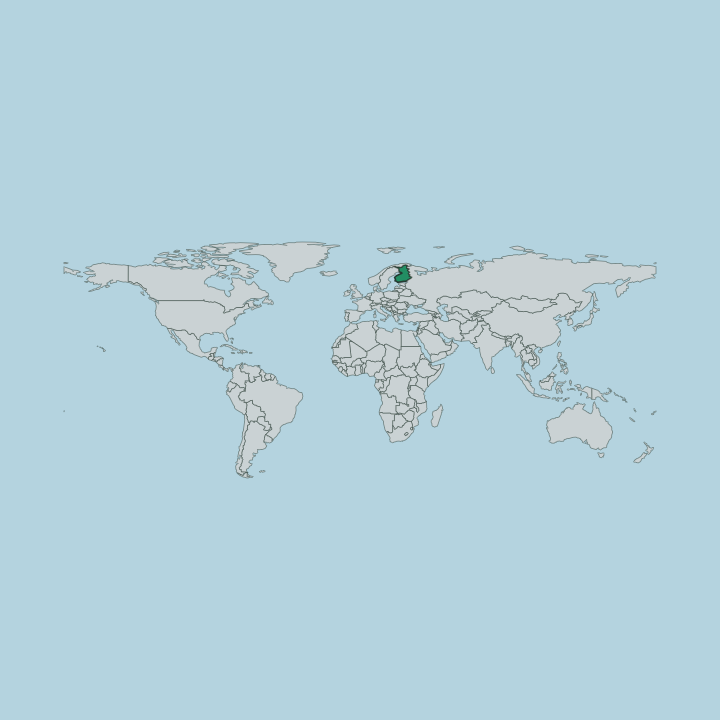
Salla lies in the fells and forests of eastern Lapland, in the Arctic north of Finland, hard against the country's eastern border. Low Arctic fells, pine and birch forest, bogs and lakes fill the vast municipality, with the village set among the woods below the ski slopes. The wilderness runs unbroken here.
The Salla National Park and the Tuntsa Wilderness Area cover the eastern hills, the northern part of the Oulanka National Park reaches in from the south, and the Karhunkierros trail crosses the fells of this corner of Lapland.
What is the climate of Salla?
Salla has a severe subarctic climate, its long winters set by the far north and the eastern Lapland fells. Deep snow and hard frost grip the forests and the fells for much of the year, holding the slopes of the ski resort and the Karhunkierros trail under cover from autumn until the late spring melt. Summers are short and intense.
The long northern daylight, the season of the midnight sun, warms the wilderness of the Salla National Park briefly before the snow returns to the fells.
How do you get to Salla?
Salla sits deep in eastern Lapland near the border, and the car is the usual way in. The long Arctic roads carry visitors across the fells and forests to the village and the ski resort, the routes that link Salla to the rest of the north of Finland. The road runs far here.
Buses also reach the village on routes through Lapland, and skiers and walkers bound for the Salla National Park and the Karhunkierros trail come the last stretch by road into the wilderness of the Arctic north.
Good for
More cities in Lapland
Updated September 2026