Finland · Lapland
Where to Stay in Rovaniemi, Lapland
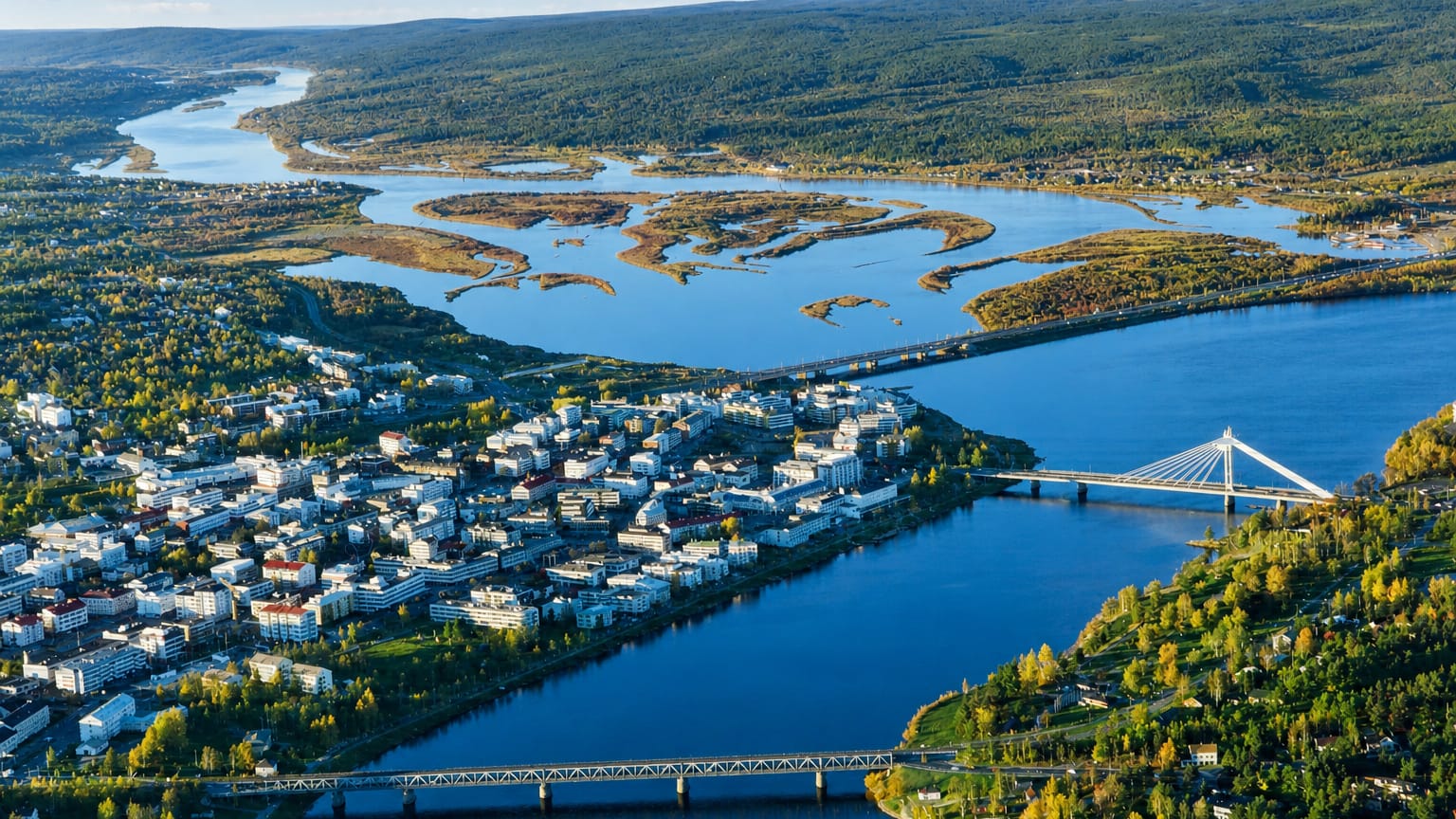
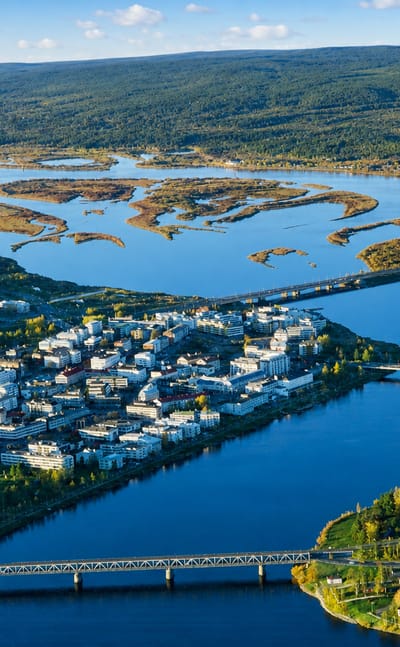
Rovaniemi is the regional capital of Lapland, set near the Arctic Circle in the far north of Finland.
Find your area →


Where to stay in Rovaniemi
Not every neighbourhood fits every trip — here's what each one is good for.
 RovaniemiFinland
Syväsenvaara
Syväsenvaara is a north-eastern district of Rovaniemi, a residential fell quarter of the city in Lapland, in the Arctic north.Where to stay →RovaniemiFinlandNapapiiri
Napapiiri is the Arctic Circle district of Rovaniemi, the village of Joulupukin Pajakylä in Lapland, in the Arctic north.Where to stay →RovaniemiFinlandKorkalovaara
Korkalovaara is a hillside district in western Rovaniemi, part of the Lapland capital in the Arctic north of Finland.Where to stay →RovaniemiFinlandKorkalorinne
Korkalorinne is a residential district in southern Rovaniemi, part of the Lapland capital in the Arctic north of Finland.Where to stay →RovaniemiFinlandLapinrinne
Lapinrinne is a district in the central part of Rovaniemi, the Lapland capital in the Arctic north of Finland.Where to stay →Things to do in Rovaniemi
Ranked by global recognition; descriptions from Wikidata (CC0).
Museums & Galleries
3- Tiedekeskus Pilke science center
- Rovaniemen taidemuseo
- Lapin maakuntamuseo
Churches & Religious Sites
3- Rovaniemen kirkko Heritage
- Rovaniemen apostoli Andreaksen kirkko
- Pyhän apostoli Andreaksen kirkko orthodox church
Parks & Gardens
2- Joulupukin Pajakylä amusement Park
- Santa Park Amusement Park
Landmarks & Notable Places
1- Rooseveltin maja cottage in Santa Claus Village
worth knowingacross 4 categories in Rovaniemi
About Rovaniemi
What is Rovaniemi known for?
Rovaniemi is the capital of Lapland, the northern city most travellers reach first when they cross the Arctic Circle. The Arktikum, a museum and science centre of the polar north, carries its name farther than any other building here, and the Korundi art museum keeps the Rovaniemen taidemuseo collection beside it. It is Lapland's gateway.
The Lapin maakuntamuseo holds the regional past, the Lapin metsämuseo tells the forest story, and the Rovaniemen kirkko stands over a centre rebuilt after the war that left little of the old town standing.
What are the main landmarks in Rovaniemi?
The Arktikum defines Rovaniemi, a museum and science centre that reads the polar north for the capital of Lapland. Nearby the Korundi art museum holds the Rovaniemen taidemuseo, while the Tiedekeskus Pilke explains the northern forest and the Lapin maakuntamuseo gathers the region's own past. War shaped the rest.
The Rovaniemen kirkko rose over a centre rebuilt after the fighting, and the Rovaniemen apostoli Andreaksen kirkko, the Lapin metsämuseo and the Rovaniemen kotiseutumuseo keep the older Lapland alive among the new streets.
What is the history of Rovaniemi?
Rovaniemi grew as a trading and church village in the far interior of Lapland, set near the Arctic Circle where the routes of the north converged. The parish gathered around a wooden church long before the present Rovaniemen kirkko, and the Rovaniemen kotiseutumuseo and the Lapin metsämuseo keep that older Lapland of farms, forests and timber. War brought that era to an end.
The fighting at the end of the Second World War burned the town almost to the ground, and the Rovaniemi that stands here was largely rebuilt from that destruction, its centre laid out anew across the northern interior. The reconstruction gave the city its modern shape, the church and the streets around it rising over the ashes of the old village. Later the city turned its position near the Arctic Circle into a draw of its own, and institutions like the Arktikum and the Lapin maakuntamuseo made Rovaniemi the place where the story of Lapland is told to the world.
Where is Rovaniemi?
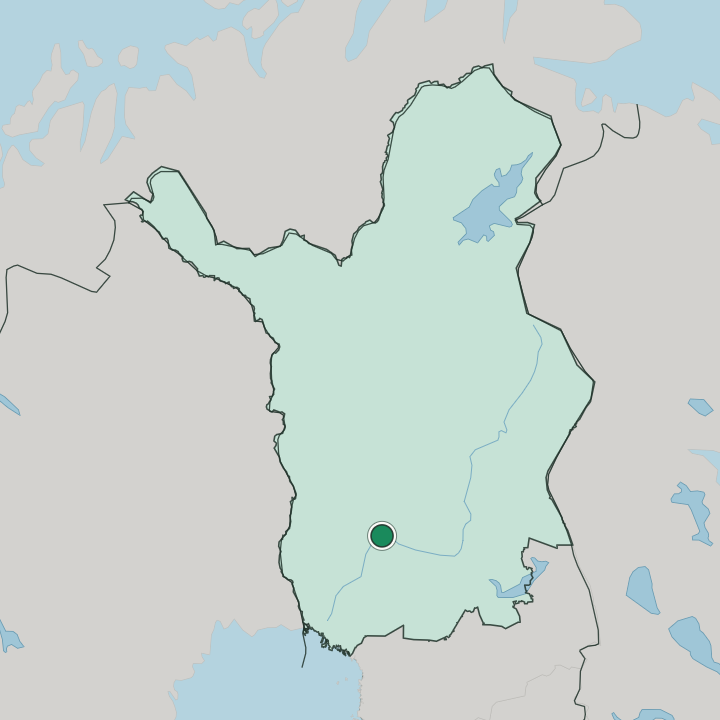
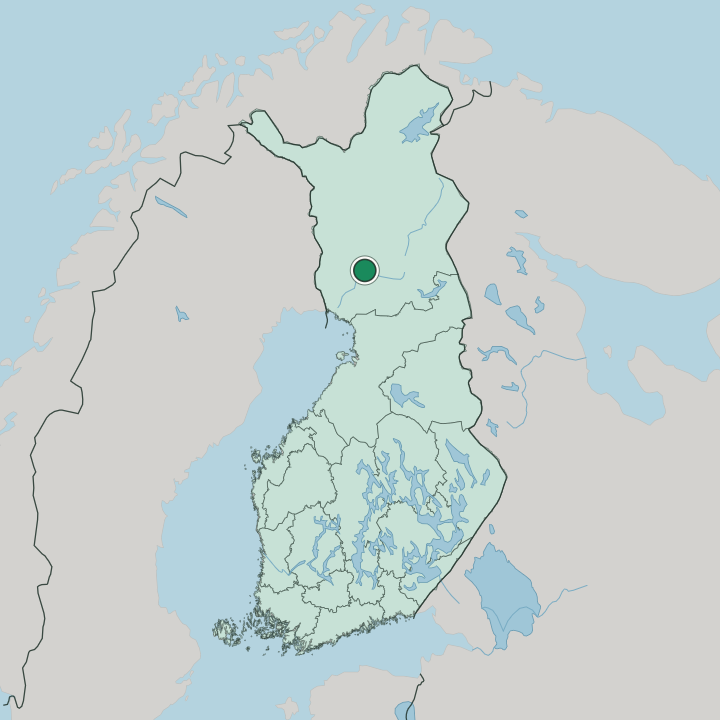
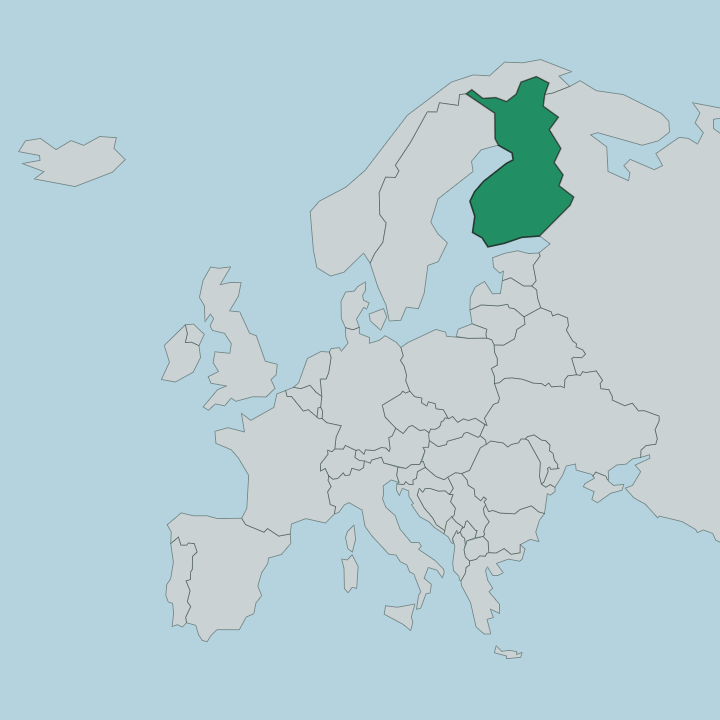
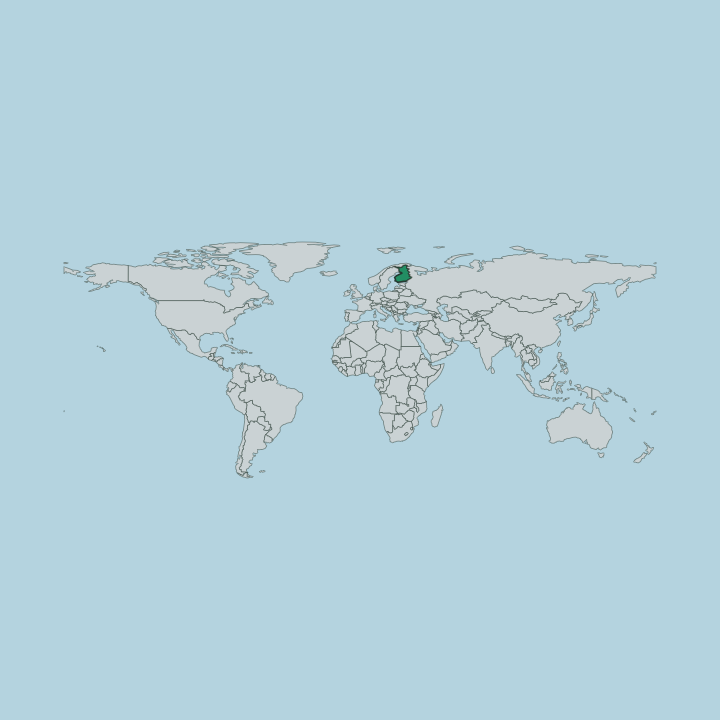
Rovaniemi sits in the northern interior of Finland, in Lapland, near the Arctic Circle that runs across the wide municipality. Forests, fells and waterways spread far beyond the centre, one of the largest local territories in the country, with the town gathered around the Rovaniemen kirkko while the wild north opens on every side. The Arctic begins here.
The Arktikum reads that polar geography for the visitor, the science centre standing at the edge of the centre where the forests of Lapland meet the rebuilt streets of the regional capital.
What is the climate of Rovaniemi?
Rovaniemi has a sub-Arctic climate, its year set hard by the position near the Arctic Circle in the far north of Lapland. Winters are long, dark and snowy, deep frost and short daylight gripping the forests around the town for many months before the late thaw. Summers bring the midnight light.
The long polar daylight of high summer warms the woods and waters of the northern interior through a brief, intense season around Rovaniemi, the weeks when the city shrugs off the dark and the Arctic north turns green.
How do you get to Rovaniemi?
Rovaniemi is the transport hub of Lapland, the easiest northern city to reach across the long distances of the Arctic interior. The night train runs the line up from the south of Finland to the capital of the region, and an airport on the edge of town brings travellers in over the forests near the Arctic Circle. Many arrive by air.
Roads and buses fan out from Rovaniemi across Lapland, carrying visitors on from the city to the fells, the resorts and the wild country of the far north.
Good for
More cities in Lapland
Updated September 2026