Finland · Lapland
Where to Stay in Kemijärvi, Lapland
Kemijärvi is Finland's northernmost town, set on its lake in Lapland with its centre above the Arctic Circle.
Find your area →


Where to stay in Kemijärvi
Where you base yourself shapes the visit — here's the character of each area.
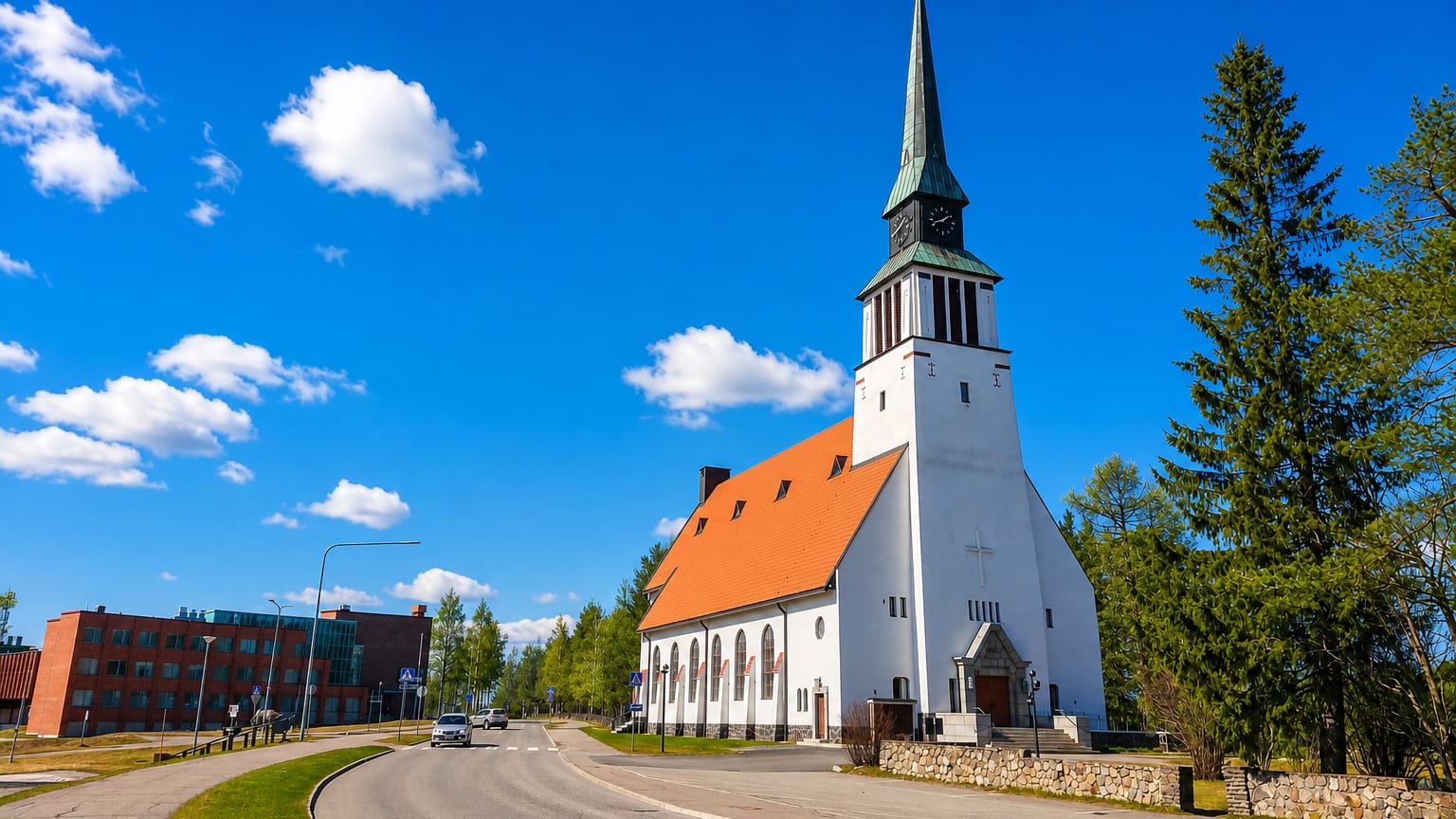
Kemijärvi offers a modest stock of beds for the northernmost town in Finland, a hotel or two in the centre and lakeside cabins out among the forests of eastern Lapland. The core by the lake, near the Kemijärven kirkko and the wooden Kemijärven tapuli, suits visitors arriving by the railhead who want shops and the church on foot. The lakeside core is the natural base.
Out along the shore of the lake and the Kemijoki river, cottages and cabins stand among the pines and the islands such as Termussaari, a good base for fishing, skiing and the long Arctic seasons. Beds thin once you leave the town. Travellers keen on the local past stay near the Kemijärven kotiseutumuseo and the snowmobile-and-sawmill museum of the Kemijärven moottorikelkka- ja sahamuseo, while winter visitors come for the snow and the polar nights above the Arctic Circle.
Book ahead in the snow season, when the cabins around Kemijärvi fill and the few rooms in town go early.
About Kemijärvi
What is Kemijärvi known for?
Kemijärvi is known as the northernmost town of Finland, the only one with its centre above the Arctic Circle, set on its own great lake in eastern Lapland. The lake names the place. Its waters and the Kemijoki river that feeds them shape the town, while the Kemijärven kirkko stands over the centre with the wooden belfry of the Kemijärven tapuli beside it.
The Kemijärven kotiseutumuseo keeps the local past, and the snowmobile-and-sawmill collection of the Kemijärven moottorikelkka- ja sahamuseo records the trades of the Arctic north.
What are the main landmarks in Kemijärvi?
The Kemijärven kirkko stands over the lakeside centre of the northernmost town in Finland, its wooden belfry the Kemijärven tapuli rising beside it in the Arctic light of eastern Lapland. War history marks the wider district too, where the bunker line of the Salpalinja was dug to guard the country's eastern reach. Water runs through it all.
The Kemijärven kotiseutumuseo keeps the local heritage, the snowmobile-and-sawmill collection of the Kemijärven moottorikelkka- ja sahamuseo records the Arctic trades, and protected islands such as Termussaari and Talviaissaari lie out on the lake fed by the Kemijoki.
What is the history of Kemijärvi?
Kemijärvi grew up on the shore of its lake in the far north. A scattered settlement of farms, fishers and reindeer herders along the lake and the Kemijoki river, the parish gathered around the Kemijärven kirkko and the wooden belfry of the Kemijärven tapuli long before the railway reached this corner of eastern Lapland. The lake gave the living.
Timber floated down the Kemijoki and the fish of the great water sustained the families who held the forests above the Arctic Circle. The wars and the railway reshaped the modern town. The eastern bunker line of the Salpalinja was dug to guard the frontier, and the rails pushed north to make Kemijärvi the north-eastern railhead for passenger traffic in Finland.
Timber and sawmilling drove the economy of the long winters, a trade the snowmobile-and-sawmill collection of the Kemijärven moottorikelkka- ja sahamuseo now records. Kemijärvi settled into its place as the northernmost town in the country, the only one with its centre above the Arctic Circle, its long past gathered in the Kemijärven kotiseutumuseo on the shore of the lake in Lapland.
Where is Kemijärvi?
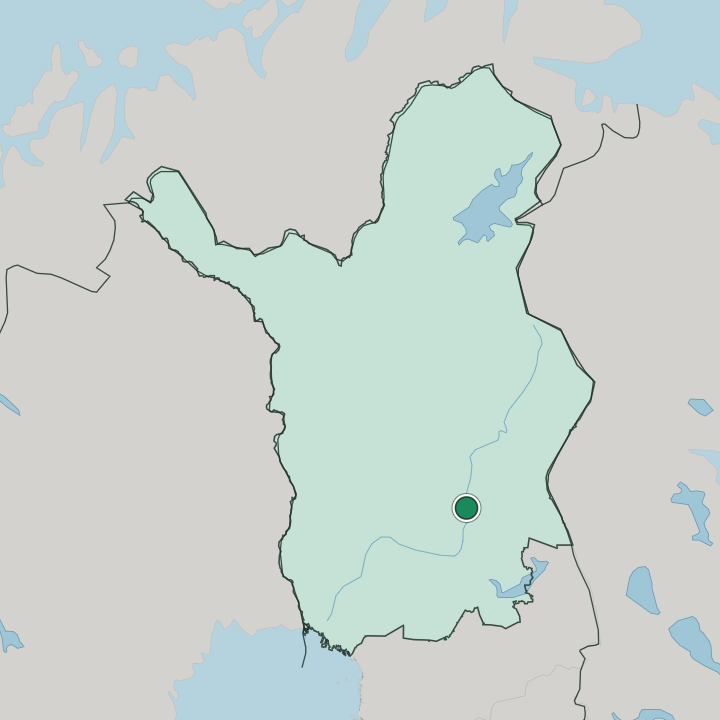
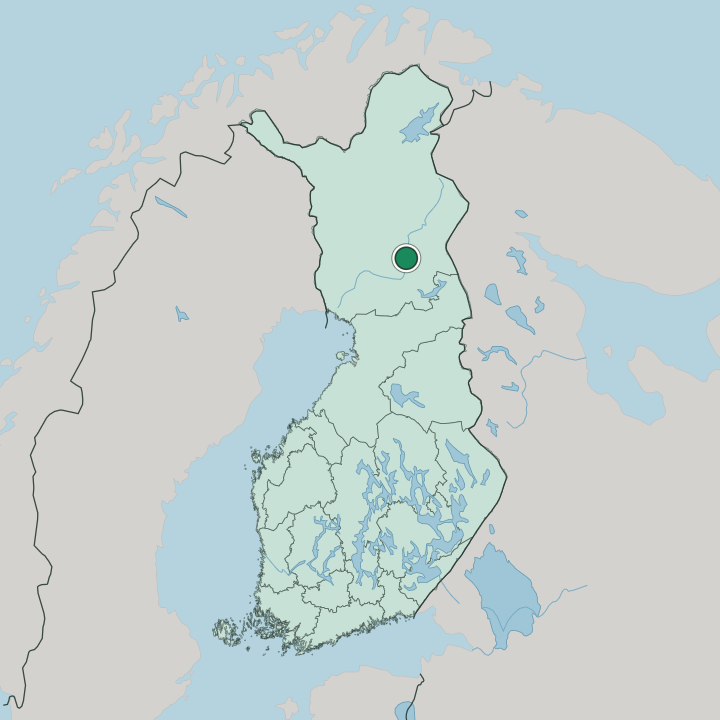
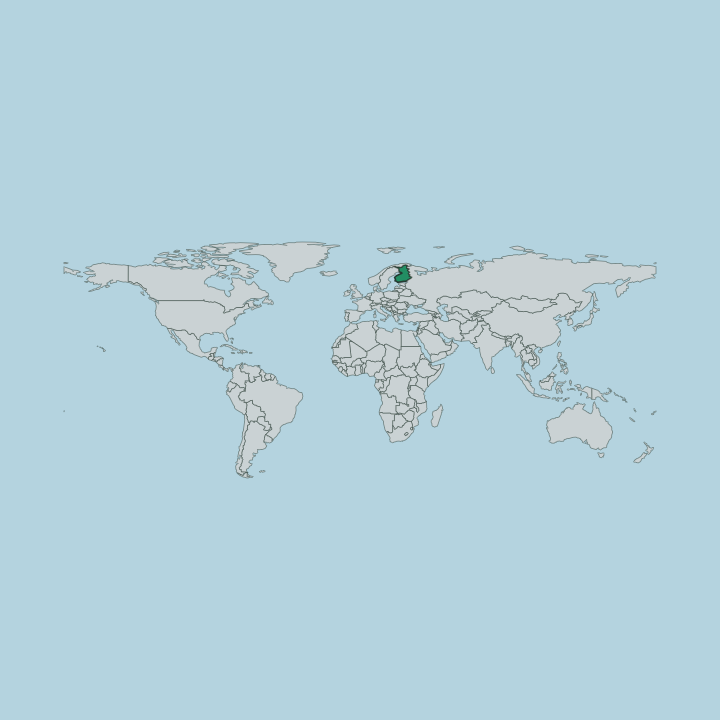
Kemijärvi lies in eastern Lapland, in the Arctic north, set on the shore of its great lake. Forests, fells and water fill the broad municipality, the town centre gathered by the lake and the Kemijärven kirkko while the Kemijoki river feeds the basin from the north. The lake runs wide here.
Wooded islands such as Termussaari, Morkkasaari and Talviaissaari rise from the open water, and the town's centre stands above the Arctic Circle, the only Finnish town to do so, deep in this corner of Lapland.
What is the climate of Kemijärvi?
Kemijärvi has a severe Arctic climate, its seasons set hard by the position of the town above the Arctic Circle in eastern Lapland. Winters are long, dark and bitterly cold, the lake frozen and the forests deep in snow under polar nights from early in the season until the late spring thaw. The summers are short and bright.
The midnight sun floods the lake and the Kemijoki river through a brief, intense growing season around Kemijärvi, the lightest weeks of the far northern year before the snow returns to Lapland.
How do you get to Kemijärvi?
Kemijärvi is the north-eastern railhead for passenger traffic in Finland, and the train is the classic way in. The line runs north to the lakeside station in the centre, the furthest point reached by passenger rail in this corner of Lapland. The rails end here.
Road and bus also reach the town across the forests and fells of the Arctic north, linking Kemijärvi to the larger centres of Lapland, and visitors from farther off come up the long northern routes before the final stretch to the lake.
Good for
More cities in Lapland
Updated September 2026