Finland · Lapland
Where to Stay in Tornio, Lapland
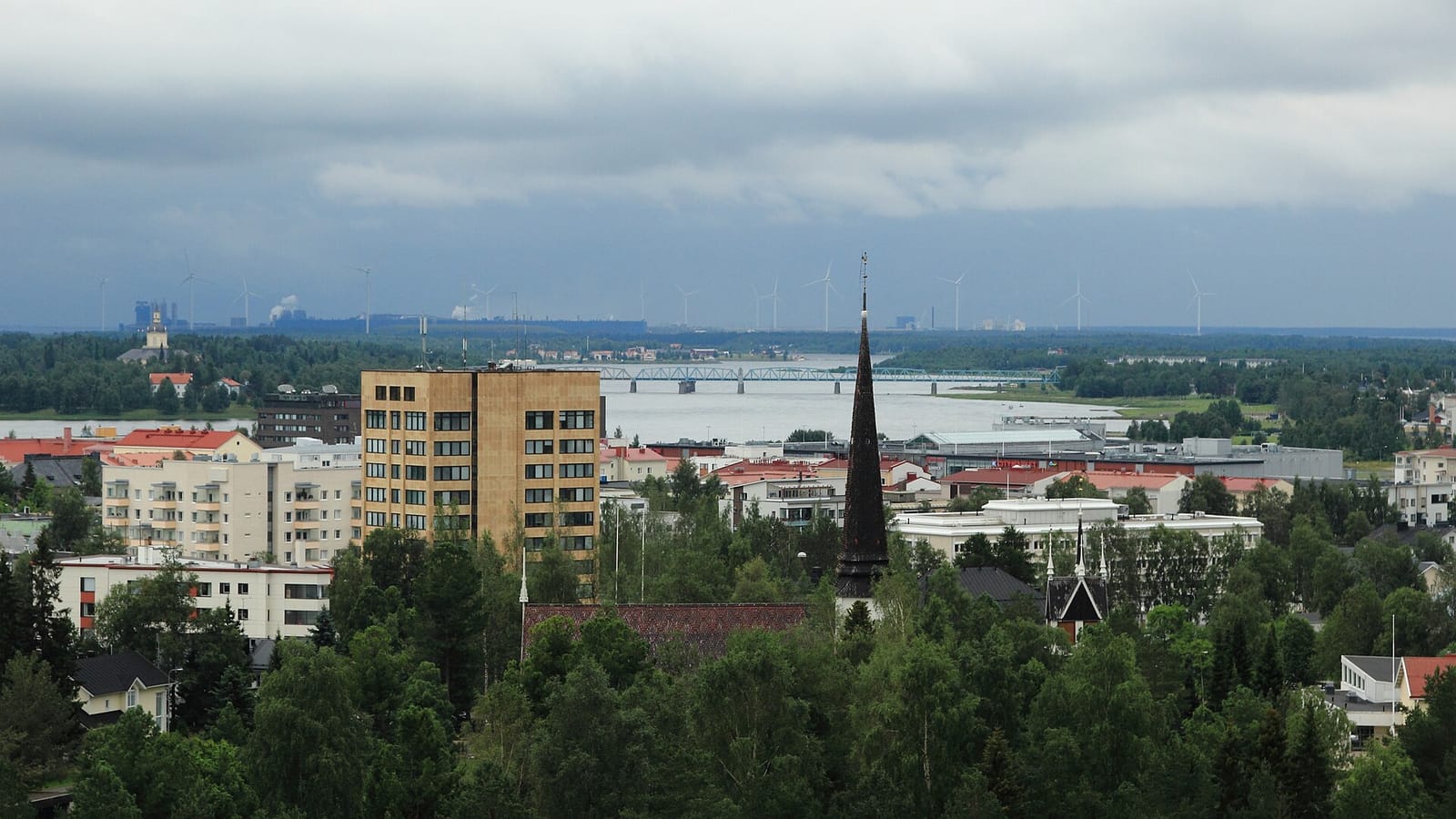
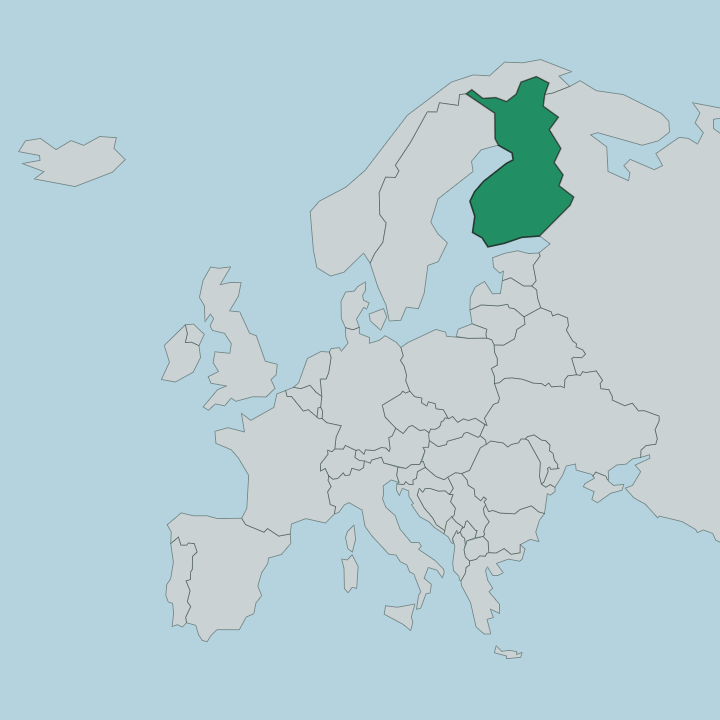
Tornio is a border city in Lapland, in the Arctic north of Finland, twinned with Haparanda across the river on the Swedish side.
Find your area →


Where to stay in Tornio
Each area has its own feel; here's who each one suits.
Travellers to Tornio choose between the city centre and the open border country around it. The centre on the island of Suensaari holds the main choice of hotels, close to Tornion kirkko, the shops, and the bridges that cross straight into Haparanda, so a base here puts both the Finnish and the Swedish town within an easy walk. The border is the draw for many.
Because Tornio and Haparanda work as one place across two countries, visitors often stay on either side and cross freely for shops, restaurants, and services, making this a useful base for travellers moving between Finland and Sweden in the Arctic north. The wider country suits the outdoors. Out from the city the forests, the coast of the Gulf of Bothnia, and the river valley of Lapland hold cottages and cabins for anglers, walkers, and those who come for the long summer light or the deep winter dark, while the old parish of Alatornio keeps its quieter rural lodging around the heritage Alatornion kirkko.
Things to do in Tornio
Ranked by global recognition; descriptions from Wikidata (CC0).
Museums & Galleries
2- Aineen taidemuseo
- Tornionlaakson museo
Churches & Religious Sites
3- Alatornion kirkko Heritage
- Tornion kirkko Heritage
- Pyhien apostolien Pietarin ja Paavalin kirkko
worth knowingacross 2 categories in Tornio
About Tornio
What is Tornio known for?
Tornio is known as the Finnish half of a cross-border city on the Swedish frontier. The city sits at the head of the Gulf of Bothnia in Lapland and runs straight into the Swedish town of Haparanda across the river, the two so closely joined that they share streets, services, and a single cross-border life. Two countries touch here.
Tornion kirkko, the old wooden town church, anchors the Finnish side, while the Tornionlaakson museo tells the story of the valley and its people who have lived along the border for centuries.
What are the main landmarks in Tornio?
Tornion kirkko is the chief landmark of the city. Raised in wood on the island of Suensaari, the old town church marks the heart of the Finnish side of the border town, while out in the country the heritage Alatornion kirkko of the old Alatornio parish anchors the wider municipality of Lapland. The valley keeps its own museums.
Among them the Tornionlaakson museo holds the long story of life along the border river, the Aineen taidemuseo gathers the art of the north, the Alatornion pitäjämuseo keeps the rural past of the old parish, and the Pyhien apostolien Pietarin ja Paavalin kirkko, the Orthodox church, adds another faith to the frontier city beside Haparanda.
What is the history of Tornio?
Tornio was chartered in 1621 as a trading town at the head of the Gulf of Bothnia, in the far north of the Swedish realm. The town grew on the island of Suensaari where the great border river reaches the sea, a meeting point of trade, faith, and language at the edge of the Arctic, and its merchants drew the goods of Lapland and the far north down to the coast and the ships. Tornion kirkko crowned the early town.
The wooden church, raised in the seventeenth century, became the enduring landmark of a frontier settlement far from the southern centres of power. War redrew the map around the town. After the realm was divided in the early nineteenth century the border was fixed along the river, leaving Tornio on the Finnish side and a new Swedish town, Haparanda, rising on the opposite bank, so that one valley people were split between two states.
The twentieth century bound them again. The two towns grew toward each other across the frontier until they worked as a single cross-border city, and the Tornionlaakson museo and the heritage Alatornion kirkko of the old parish kept the long memory of the valley through it all. So a frontier outpost became a twin city of two nations in Lapland.
Where is Tornio?
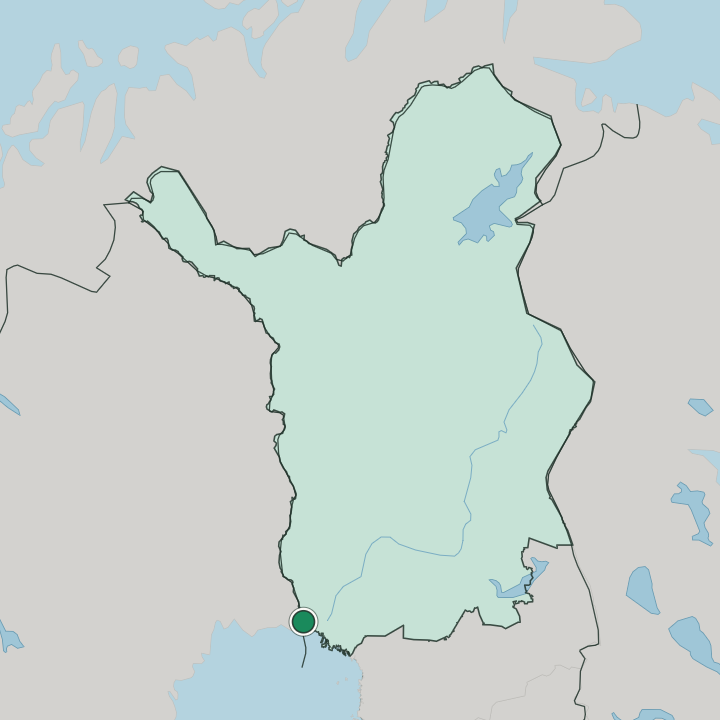
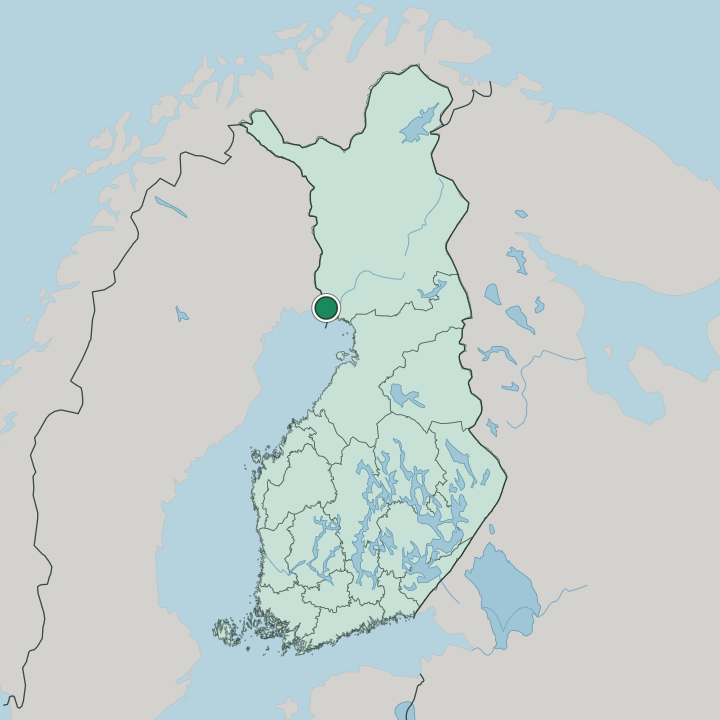
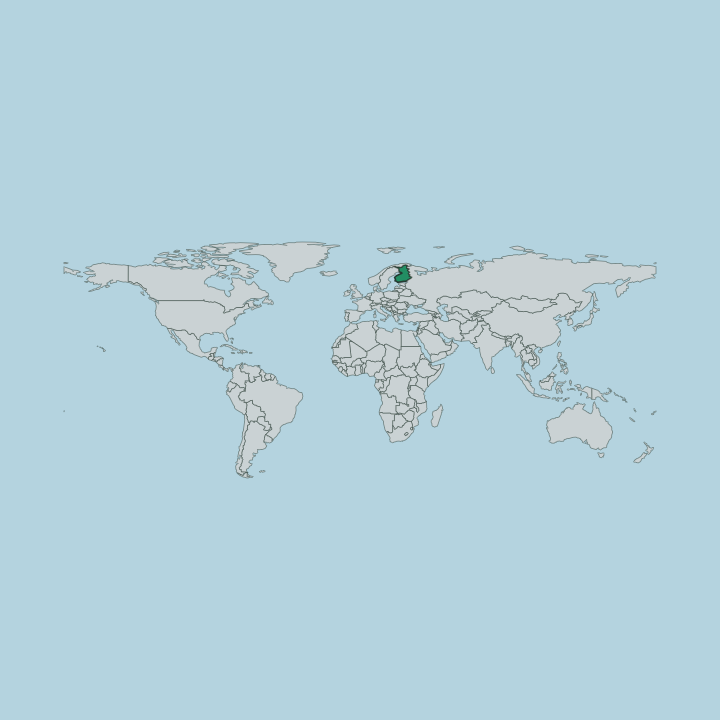
Tornio lies in the far south of Lapland, where the great border river empties into the head of the Gulf of Bothnia. The city centre sits on the island of Suensaari at the river mouth, with Sweden and the town of Haparanda directly across the water, and the wide municipality spreads inland over the forests, bogs, and farm country of the valley. The land is low and northern.
Roads and bridges run across the river to Sweden and on through Lapland toward the rest of the Arctic north.
What is the climate of Tornio?
Tornio has a cold subarctic climate at the head of the Gulf of Bothnia. Winters are long, dark, and severe, with hard frost, deep lasting snow, and a sea that freezes along the coast through the heart of the cold season in Lapland. The warm season runs short.
The long Arctic days bring sudden warmth and green to the river valley and the forests before the cold returns, and the light barely fades at midsummer, while spring and autumn pass quickly between. Snow and ice hold the border country for months.
How do you get to Tornio?
Tornio is the main road and rail gateway between Finland and Sweden in the north. The city has its own railway station and lies on the main coastal road through Lapland, and bridges carry traffic straight across the border river into Haparanda on the Swedish side. The crossing is open and constant.
From the twin cities, roads run on up the valley into the Arctic interior and south along the Gulf of Bothnia, while the nearest airport for the area lies a short drive away, the gateway for travellers from farther afield.
Good for
More cities in Lapland
Updated September 2026