United Kingdom · England
Where to Stay in Bristol, England
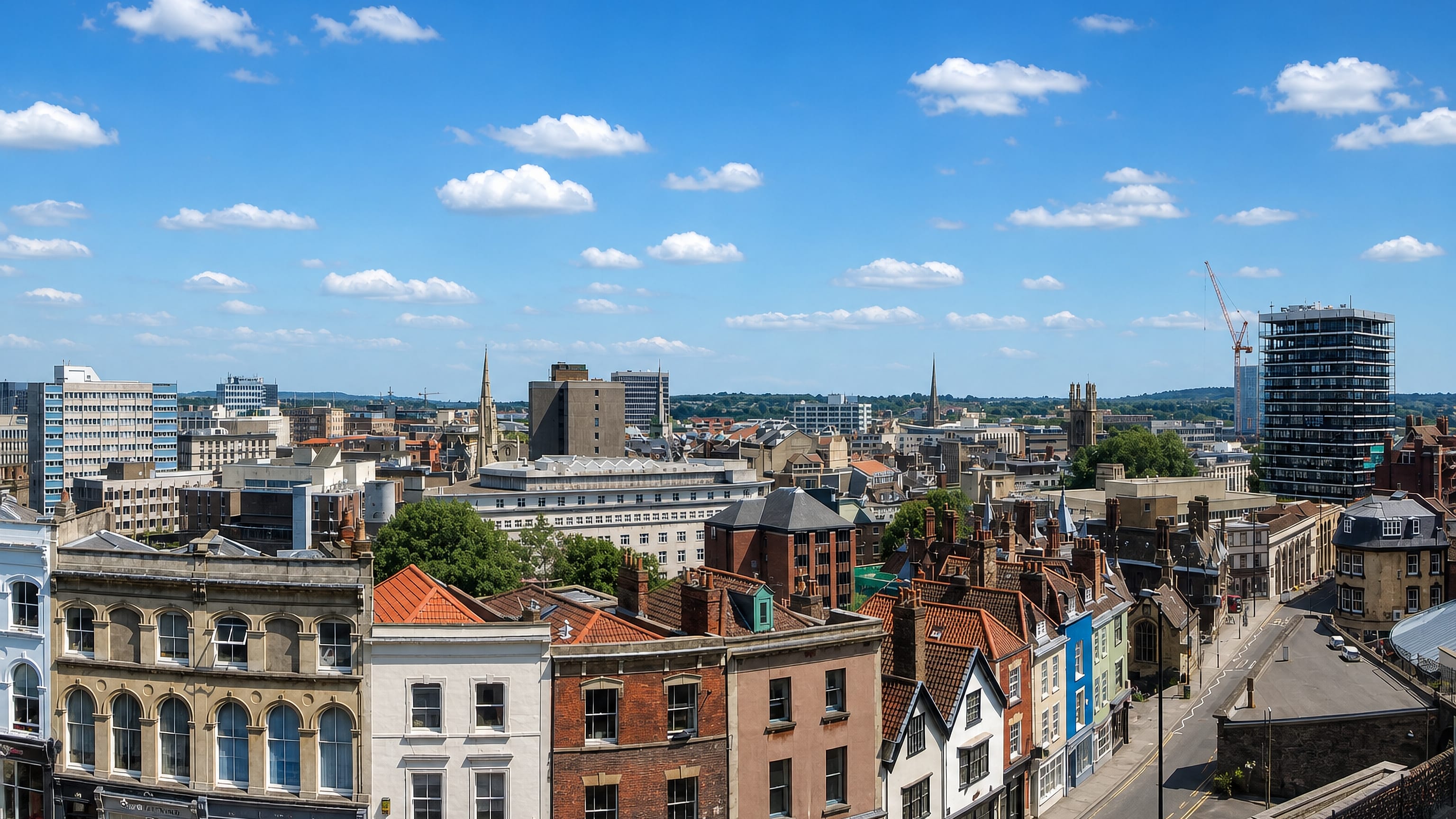
Tall masts rise beside the harbour at Bristol, a city in England known for the SS Great Britain and the spire of St Mary Redcliffe.
Hotel links are affiliate links: booking through them may earn us a commission, at no extra cost to you. It never affects how places are ranked. How this works




Where to stay in Bristol
One neighbourhood here has its own guide — here's what it is best for.

 BristolUnited Kingdom
Bishopsworth
Bishopsworth is a suburban ward of Bristol, with St Peters Church, Withywood Church and the Church of St Oswald standing among its council housing.Where to stay →Hotel links are affiliate links: booking through them may earn us a commission, at no extra cost to you. It never affects how places are ranked. How this works
Find hotels in Bristol
Direct booking searches for these neighbourhoods.
Central harbour
The floating harbour with Arnolfini and the moored Matthew, walkable to St Nicholas and St Stephen's ChurchFind hotels in Central harbourGrand Georgian streets and quiet above the cityClifton
High-ground terraces around the Clifton Observatory and Christ Church, Clifton Down, dropping to Brandon Hill and Cabot TowerFind hotels in CliftonTravellers arriving by rail near the main stationRedcliffe and Temple
Gathered around St Mary Redcliffe and the round Temple Church, with the Red Lodge Museum in the older streetsFind hotels in Redcliffe and TempleHotel links are affiliate links: booking through them may earn us a commission, at no extra cost to you. It never affects how places are ranked. How this works
Things to do in Bristol
Ranked by global recognition; descriptions from Wikidata (CC0).
Museums & Galleries
3- Bristol City Museum & Art Gallery Heritage
- Royal West of England Academy Heritage
- Arnolfini
Churches & Religious Sites
8- St Mary Redcliffe Heritage
- Temple Church Heritage
- St Mary le Port Church, Bristol Heritage
- All Saints' Church, Bristol Heritage
- St Mark's Church, Bristol Heritage
Show 3 more →
- St George's Church, Brandon Hill Heritage
- St Stephen's Church, Bristol Heritage
- Chapel of the Three Kings of Cologne Heritage
Stadiums & Sports
1- County Cricket Ground, Bristol
worth knowingacross 3 categories in Bristol
About Bristol
What is Bristol known for?
Bristol is known as a harbour city in England, long tied to the sea. The SS Great Britain sits in the old docks, and the replica ship Matthew is moored close by. Above the water stands St Mary Redcliffe, its tall spire a marker across the city.
Cabot Tower crowns Brandon Hill. The harbour made the place, and it defines Bristol still.
What are the main landmarks in Bristol?
Bristol's landmarks gather around its harbour and its churches. The SS Great Britain sits in the old dry dock, with the replica Matthew moored close by and the Arnolfini gallery on the quay. St Mary Redcliffe raises its spire over the south of the centre, while the round Temple Church stands nearby.
Cabot Tower crowns Brandon Hill. Clifton holds the Clifton Observatory, and the Bristol City Museum & Art Gallery, the Red Lodge Museum, and the Royal West of England Academy hold the city's collections.
What is the history of Bristol?
Bristol, established in 1155, grew into a port. The harbour on which it stands drew trade and shipbuilding for centuries, and the old churches of St Mary Redcliffe and St Nicholas rose in the medieval town. The round Temple Church was raised by an order of knights.
Merchants paid for its towers. Wealth from the sea built the great parish churches and then the grand terraces of Clifton on the high ground above the water. The age of the steamship marked the port anew.
Launched at Bristol, the SS Great Britain now rests in the same dock where she was built. Nearby, the replica Matthew recalls the earlier voyages that set out from the harbour. Through these years the city spread across its hills, and Cabot Tower was raised on Brandon Hill to mark that long seafaring past.
Museums such as the Red Lodge Museum and the Georgian House keep the older streets alive. The churches still stand. St Mary Redcliffe remains the tallest marker, and the harbour that made Bristol still lies at the heart of it all.
Where is Bristol?
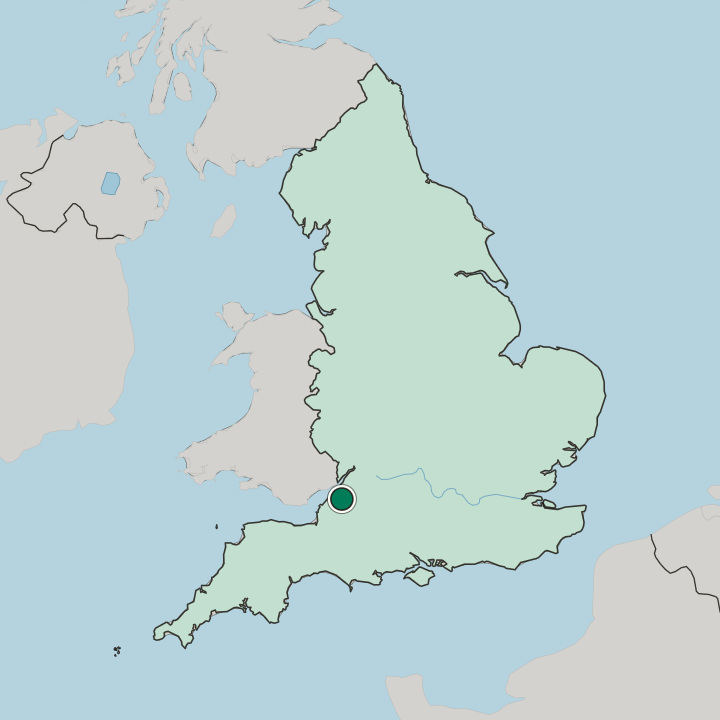
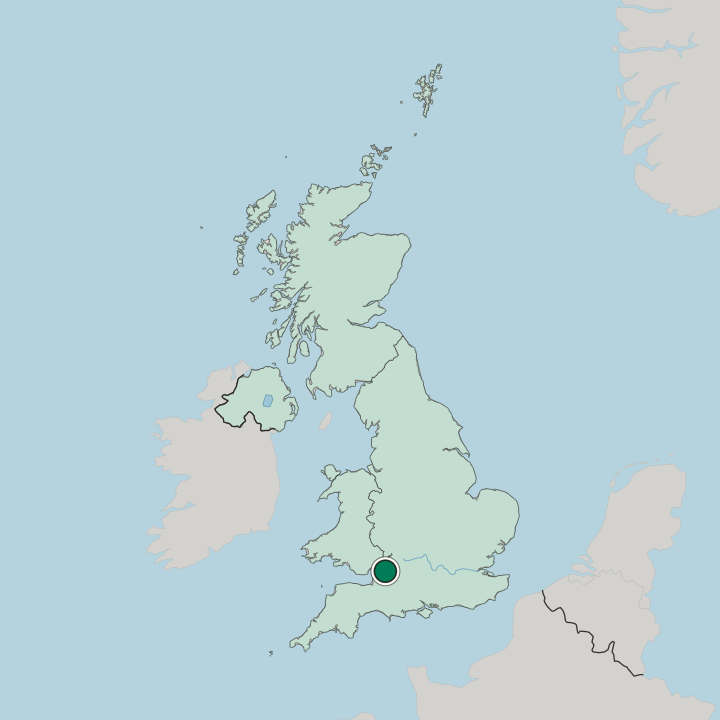
Bristol lies in England, in the United Kingdom, a harbour city set on hilly ground beside its docks. The old centre gathers around the floating harbour, with Redcliffe and Temple across the water and Clifton climbing the heights to the west. Brandon Hill rises near the middle, crowned by Cabot Tower.
The land is steep in places. From the docks the streets of Bristol run up over the hills that ring the harbour.
What is the climate of Bristol?
Bristol has a mild, damp maritime climate, softened by the sea air that reaches its harbour. Winters are cool and grey, with rain blowing in off the water for long stretches across the hills that ring the city and the docks below. Summers stay temperate.
Bright warm days come and go, and the weather turns quickly over Brandon Hill and the streets of Clifton above the harbour.
How do you get to Bristol?
Bristol is reached by rail, road, and air from across England and the wider United Kingdom. The main railway approach runs in past Temple, close to St Mary Redcliffe and the round Temple Church, bringing travellers to the edge of the old centre. Roads feed in over the hills.
From the station it is a short way down to the harbour, where the SS Great Britain and the moored Matthew mark the heart of the city.
Common questions
What is the best area to stay in Bristol?
Central harbour: First-time visitors who want the docks and the SS Great Britain on the doorstep. Clifton: Grand Georgian streets and quiet above the city. Redcliffe and Temple: Travellers arriving by rail near the main station.
Good for
More cities in England
Updated October 2026