United Kingdom · England
Where to Stay in Liverpool, England
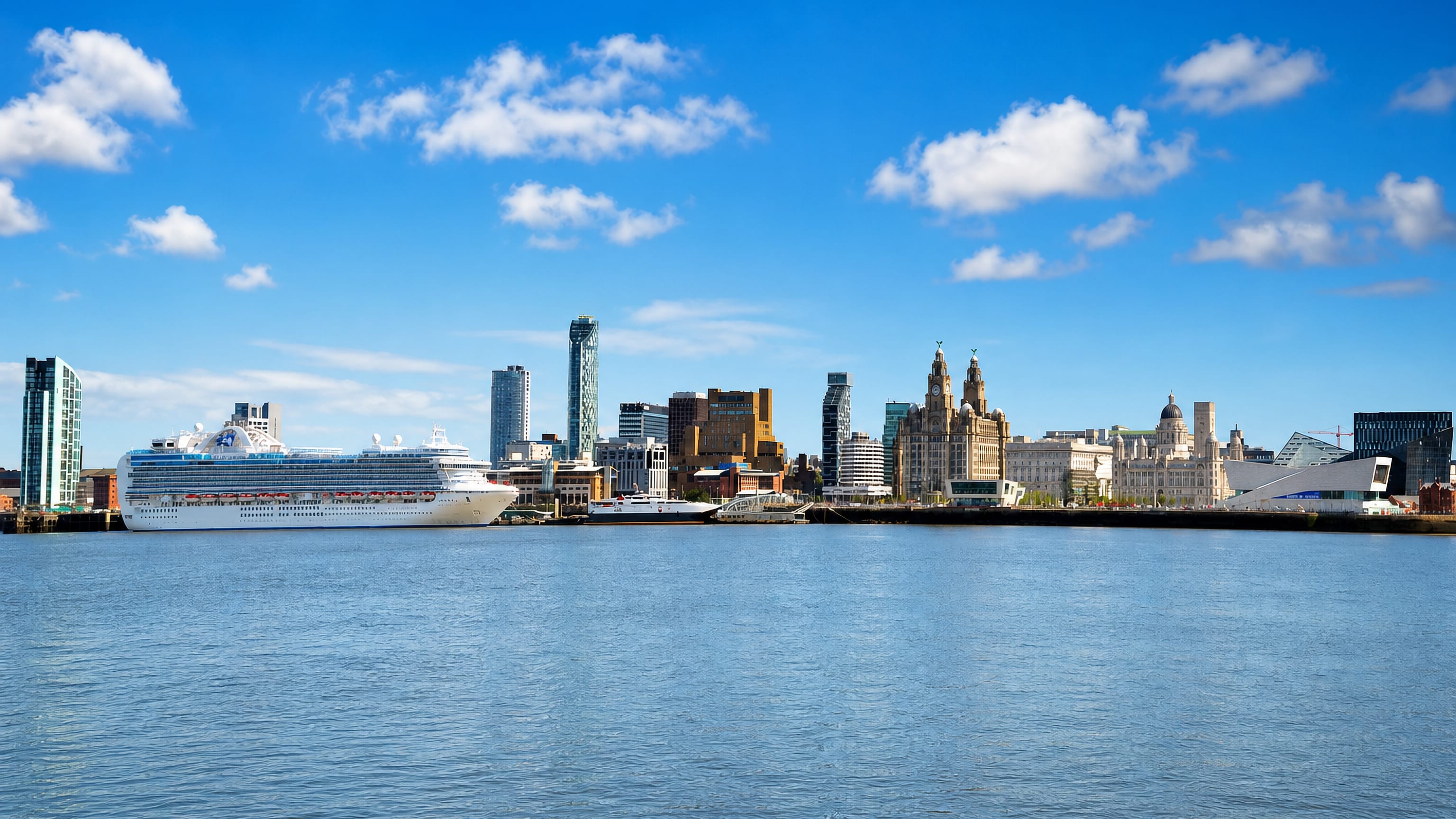
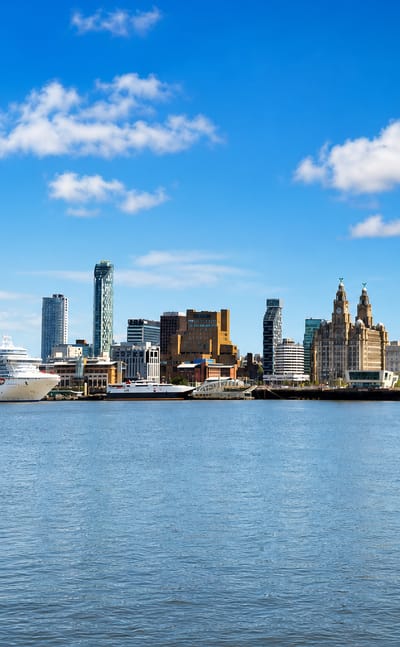
Wide docks front the Mersey Estuary at Liverpool, a port city in Merseyside, England, known for the Merseyside Maritime Museum and the Walker Art Gallery.
Hotel links are affiliate links: booking through them may earn us a commission, at no extra cost to you. It never affects how places are ranked. How this works


Where to stay in Liverpool
Where you base yourself shapes the visit — here's the character of each area.
 LiverpoolUnited Kingdom
Chinatown
Chinatown fills the streets around Nelson Street at the southern edge of central Liverpool, near the River Mersey. Its arch marks the centre.Chinatown →LiverpoolUnited KingdomKensington
Kensington is an inner-city Liverpool district just east of the city centre, with the big museums a short walk west. Walker Art Gallery and World Museum.Kensington → LiverpoolUnited Kingdom
Kirkdale
Kirkdale is an inner district of north Liverpool by the River Mersey, Everton east and Bootle north. St John the Evangelist's Church, Kirkdale marks it.Kirkdale →LiverpoolUnited KingdomAnfield
Anfield is a residential district of north Liverpool, home of Anfield stadium, the ground of Liverpool F.C. since 1892. Walton and Kirkdale border it.Anfield →LiverpoolUnited KingdomWavertree
Wavertree keeps its own High Street inside Liverpool, south and east of the centre, between Edge Hill, Old Swan, Mossley Hill and Allerton.Wavertree →LiverpoolUnited KingdomWalton
Walton is a north Liverpool district inland of Kirkdale and Bootle, Anfield and Stanley Park south. St Mary's Church, Walton-on-the-Hill served it.Walton →LiverpoolUnited KingdomAigburth
The River Mersey edges Aigburth, a suburb on the southern side of Liverpool between Dingle and Garston.Aigburth → LiverpoolUnited Kingdom
New Hall, Fazakerley
New Hall is a residential pocket of Fazakerley in north Liverpool, named for New Hall on Longmoor Lane. Aintree and Kirkby lie close by.New Hall, Fazakerley →Hotel links are affiliate links: booking through them may earn us a commission, at no extra cost to you. It never affects how places are ranked. How this works
Things to do in Liverpool
Ranked by global recognition; descriptions from Wikidata (CC0).
Museums & Galleries
3- Walker Art Gallery Heritage
- Museum of Liverpool
- World Museum
Churches & Religious Sites
8- Church of St Luke, Liverpool Heritage
- Gustav Adolf Church Heritage
- St George's Church, Everton Heritage
- St Michael's Church Heritage
- Church of Saint John the Baptist Heritage
Show 3 more →
- Toxteth Unitarian Chapel Heritage
- Greek Orthodox Church of St Nicholas Heritage
- Ullet Road Unitarian Church Heritage
Castles & Historic Sites
2- Nelson Monument Heritage
- John Lennon Peace Monument
Stadiums & Sports
1- Liverpool Olympia Heritage
Landmarks & Notable Places
8- Compton House Heritage
- County Sessions House, Liverpool Heritage
- Tue Brook House Heritage
- Carfax Heritage
- Valley House, Aintree Heritage
Show 3 more →
- 15 New Hall, Longmoor Lane Heritage
- 11 New Hall, Longmoor Lane Heritage
- Osborne House Heritage
worth knowingacross 5 categories in Liverpool
About Liverpool
What is Liverpool known for?
Liverpool is known as a great port city in Merseyside, set on the eastern side of the Mersey Estuary. Its waterfront tells the story. The Merseyside Maritime Museum and the International Slavery Museum stand by the old docks, while the Walker Art Gallery and Tate Liverpool hold its art.
The Beatles Story recalls the band that grew from the city's streets. Music runs deep here. The Museum of Liverpool gathers the whole record of the place beside the Irish Sea.
What are the main landmarks in Liverpool?
Liverpool's landmarks gather along the waterfront and the old commercial centre. The Merseyside Maritime Museum and the International Slavery Museum stand by the docks, near the Museum of Liverpool and Tate Liverpool on the river. Wellington's Column rises above the galleries.
The Walker Art Gallery and the World Museum hold the city's art and collections, while The Beatles Story recalls the band, the submarine U-534 lies preserved by the water, and the Radio City Tower marks the skyline over the centre.
What is the history of Liverpool?
Liverpool grew from a small fishing settlement on the Mersey Estuary. For centuries it stayed a minor creek on the tidal river, overshadowed by older ports. Then the trade came.
The Atlantic commerce of the industrial age turned the town into one of the great ports of the world, its docks lining the eastern shore of the estuary and its ships crossing the Irish Sea and beyond. Wealth and hardship both flowed through the port. The darker chapters of that trade are set out at the International Slavery Museum by the old docks, while the wider maritime record is held at the Merseyside Maritime Museum.
Great civic buildings rose as the port prospered, among them Wellington's Column and the Walker Art Gallery. The Museum of Liverpool gathers the story of the working city, and The Beatles Story marks the musicians who carried the city's name across the world. In time the docks fell quiet.
The waterfront they built still faces the Mersey Estuary and the Irish Sea in Merseyside.
Where is Liverpool?
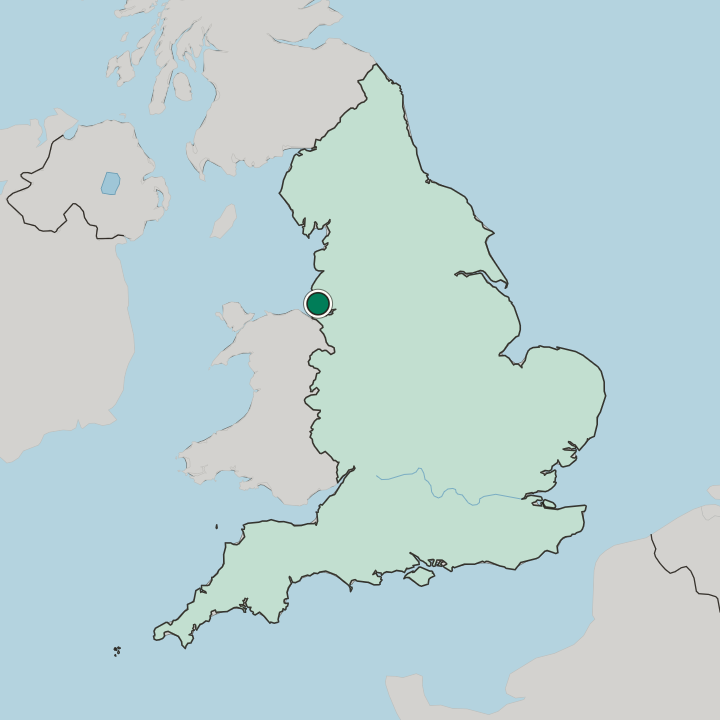
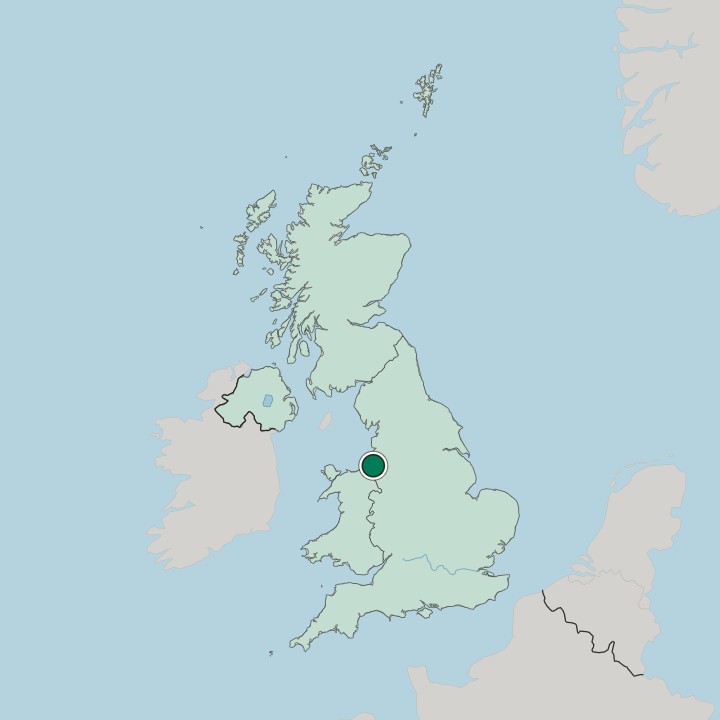
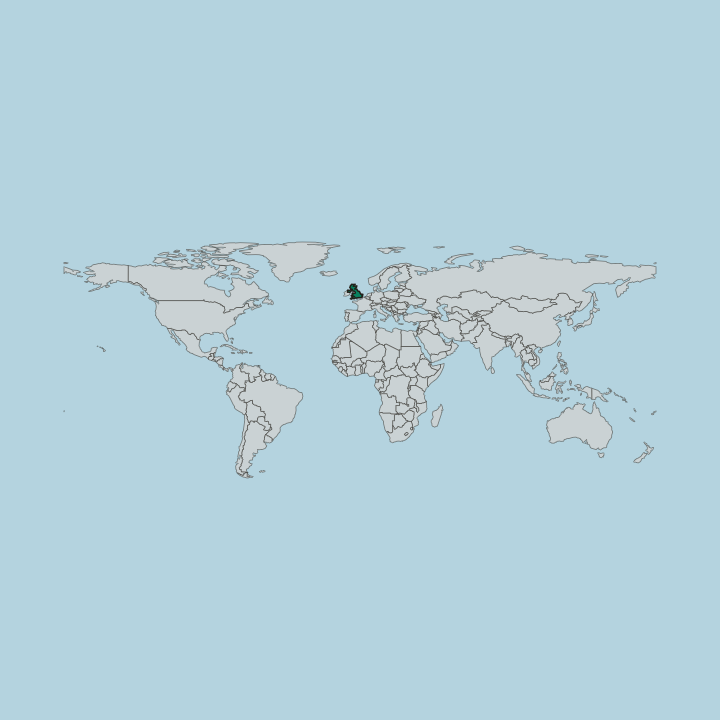
Liverpool stands in Merseyside in England, on the eastern side of the Mersey Estuary near the Irish Sea. The city lines the river along its old docks. Water edges the whole west of it.
The estuary opens northward to the sea, carrying the tides in and out past the waterfront, while the land rises gently eastward from the shore toward the wider region beyond.
What is the climate of Liverpool?
Liverpool has a mild, wet oceanic climate shaped by the Irish Sea. Winters are cool and grey, with rain and wind coming in off the water and low cloud hanging over the Mersey Estuary. Summers are warm and changeable.
Sea air softens every season. When the clear days come, the light off the estuary and the sea gives the waterfront a wide bright sky over the docks.
How do you get to Liverpool?
Liverpool is reached by air, rail, sea, and road across Merseyside. Its airport sits south of the centre, on the ground along the Mersey Estuary. Ferries still cross the river.
The main rail lines run in from every direction toward the waterfront, and motorways ring the city and carry road traffic toward the wider region and the coast of the Irish Sea.
Good for
More cities in England
Updated October 2026