United Kingdom · England
Where to Stay in Manchester, England
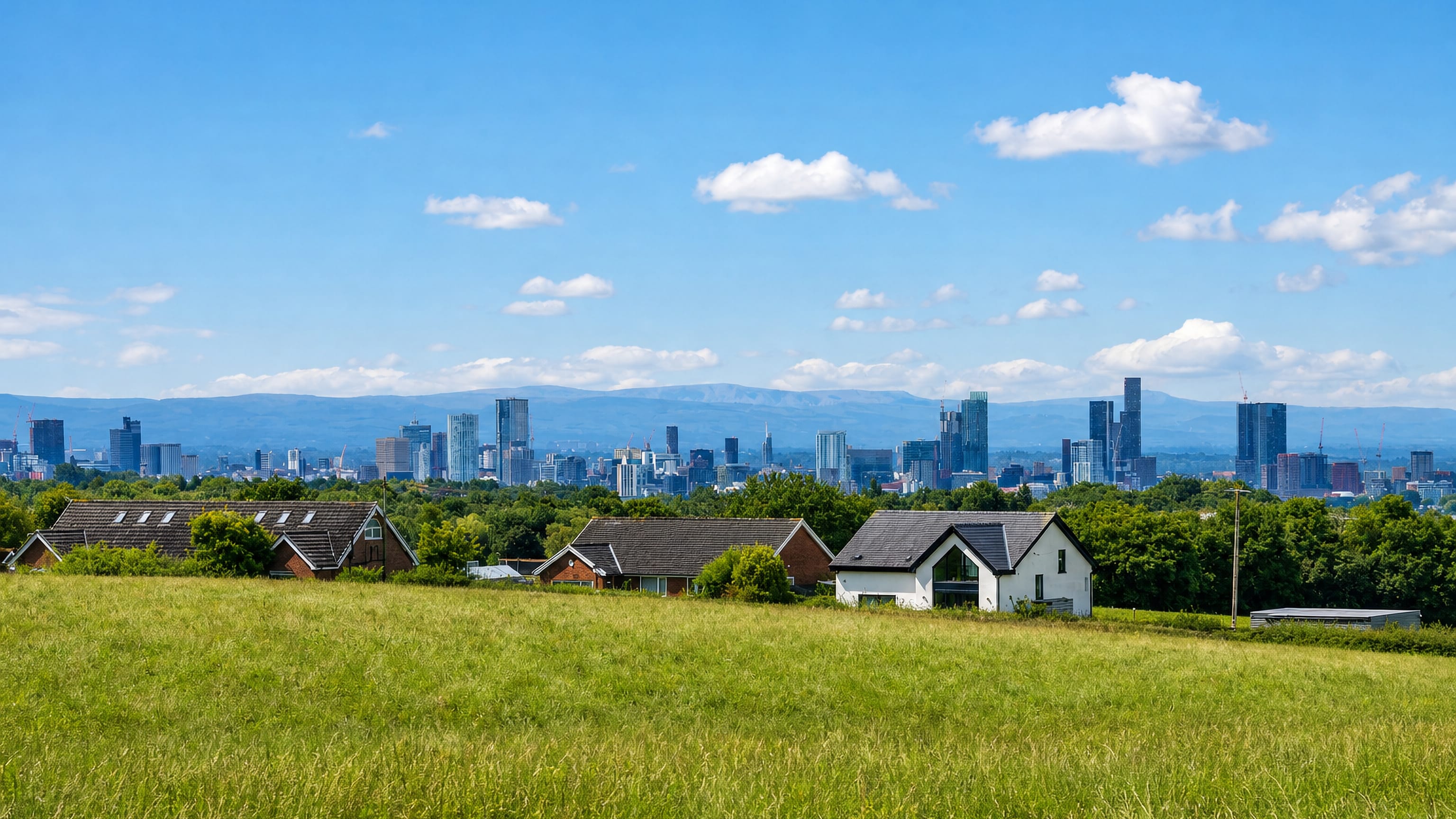
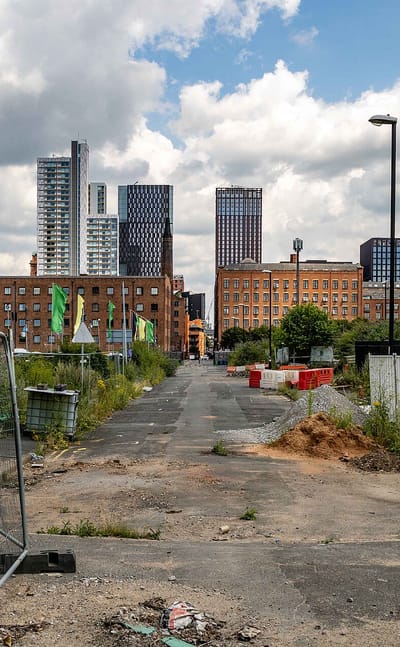
Red brick mills line the waterways of Manchester, a city in Greater Manchester, North West England, known for Chetham's Library and its cotton-trade past.
Hotel links are affiliate links: booking through them may earn us a commission, at no extra cost to you. It never affects how places are ranked. How this works


Where to stay in Manchester
The right area depends on your trip — here's what each neighbourhood is best for.
 ManchesterUnited Kingdom
Chorlton-on-Medlock
Chorlton-on-Medlock runs Oxford Road from the River Medlock round the University of Manchester: Manchester Museum, Whitworth Art Gallery, Pankhurst Centre.Chorlton-on-Medlock → ManchesterUnited Kingdom
Chinatown
Chinatown fills a Manchester grid between Portland Street and Mosley Street: Chinese Imperial Arch on Faulkner Street, George Street, Nicholas Street.Chinatown →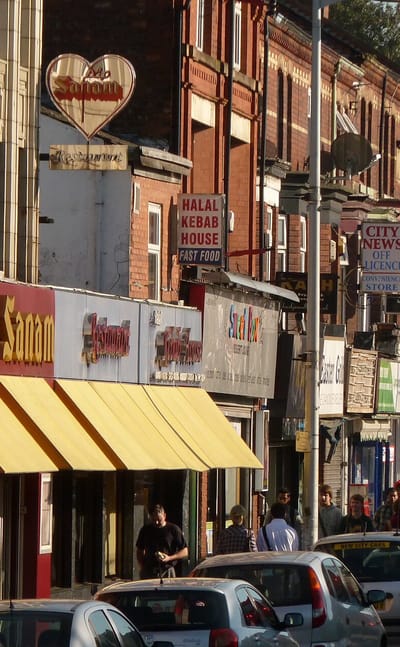 ManchesterUnited Kingdom
Rusholme
Rusholme is a Manchester suburb on Wilmslow Road, Curry Mile between Chorlton-on-Medlock, Victoria Park, Fallowfield. Platt Fields Park anchors the south.Rusholme → ManchesterUnited Kingdom
Victoria Park
Victoria Park is a Victorian villa suburb south of Manchester, laid out in the 1830s as a private estate between Rusholme and Longsight on Anson Road.Victoria Park → ManchesterUnited Kingdom
Castlefield
Castlefield sits at Manchester's southwest edge, between the River Irwell and Chester Road at the Bridgewater Canal. The Roman fort Mamucium stood here.Castlefield → ManchesterUnited Kingdom
Northern Quarter
The Northern Quarter is Manchester's creative district, former textile warehouses along Oldham Street and Tib Street. Afflecks is its best-known draw.Northern Quarter → ManchesterUnited Kingdom
New Islington
New Islington is an inner area of Manchester, folded into Ancoats, rebuilt around New Islington Marina. The Ashton Canal defines it.New Islington → ManchesterUnited Kingdom
Ancoats
Ancoats is a former industrial Manchester quarter by the Northern Quarter, mills along Redhill Street, Cutting Room Square its centre, once Little Italy.Ancoats →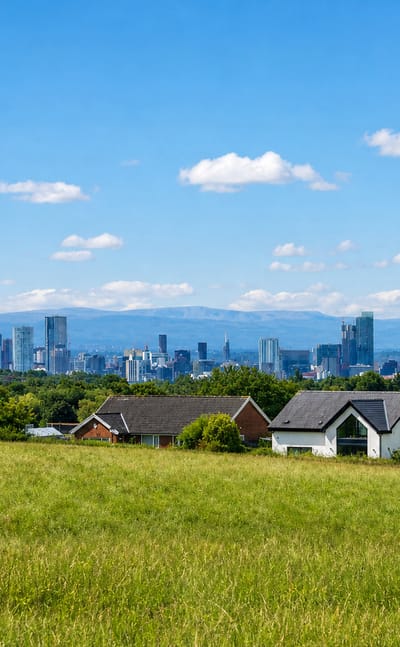 ManchesterUnited Kingdom
West Gorton
West Gorton is an inner district of Manchester, with Gorton Monastery, Belle Vue Stadium and Elizabeth Gaskell's House close by.West Gorton → ManchesterUnited Kingdom
Whalley Range
Whalley Range is a Victorian villa suburb of Manchester, laid out by Samuel Brooks in the 1830s, with the British Muslim Heritage Centre on College Road.Whalley Range → ManchesterUnited Kingdom
Fallowfield
Fallowfield is a Manchester suburb on Wilmslow Road, holding University of Manchester housing at Owens Park. Rusholme north, Withington south.Fallowfield → ManchesterUnited Kingdom
Cheetham Hill
On the west bank of the River Irk, Cheetham Hill holds the Manchester Jewish Museum and the Museum of Transport, Greater Manchester.Cheetham Hill →All neighbourhoods (16)
ManchesterUnited KingdomCharlestown
Charlestown is a North Manchester suburb and the Manchester City Council ward of the same name, taking in part of Blackley.Charlestown → ManchesterUnited Kingdom
Burnage
Burnage is an area of Manchester lying south of the city centre and east of Kingsway, between Withington and Levenshulme.Burnage →ManchesterUnited KingdomCrumpsall
Crumpsall is an outer suburb and electoral ward of Manchester, holding North Manchester General Hospital and the Church of St Matthew with St Mary.Crumpsall →ManchesterUnited KingdomBlackley
Blackley, on the River Irk, is a suburban district about four miles north of Manchester city centre, historically part of Lancashire.Blackley →Hotel links are affiliate links: booking through them may earn us a commission, at no extra cost to you. It never affects how places are ranked. How this works
Things to do in Manchester
Ranked by global recognition; descriptions from Wikidata (CC0).
Museums & Galleries
5- Manchester Art Gallery Heritage
- Whitworth Art Gallery Heritage
- Elizabeth Gaskell's House Heritage
- Manchester Jewish Museum Heritage
- Pankhurst Centre Heritage
Churches & Religious Sites
8- Gorton Monastery Heritage
- Church of the Holy Name of Jesus, Manchester Heritage
- St Ann's Church, Manchester Heritage
- The Hidden Gem Heritage
- St Chrysostom's Church Heritage
Show 3 more →
- Church of St Nicholas, Burnage Heritage
- Anglican Church of St Benedict Heritage
- Church of St John the Evangelist, Cheetham Hill Heritage
Castles & Historic Sites
3- Murray Monument Heritage
- Mamucium
- Manchester Castle
Stadiums & Sports
3- Sportcity
- Manchester Velodrome
- Manchester Aquatics Centre
Landmarks & Notable Places
4- People's History Museum Heritage
- British Muslim Heritage Centre Heritage
- Hough Hall Heritage
- 108-112 Buckingham Crescent, Daisy Bank Road Heritage
worth knowingacross 5 categories in Manchester
About Manchester
What is Manchester known for?
Manchester is known as the historic centre of the cotton trade, the city once nicknamed Cottonopolis at the heart of Greater Manchester. Its mills shaped the region. The Science and Industry Museum and the People's History Museum tell that industrial story, while the Manchester Art Gallery and the Whitworth Art Gallery hold its art.
The National Football Museum draws crowds to the old town. Chetham's Library keeps the oldest reading rooms in the North West.
What are the main landmarks in Manchester?
Manchester's landmarks gather across the old centre and the university quarter. The Manchester Art Gallery and the Whitworth Art Gallery hold the city's art, while the Science and Industry Museum and the Manchester Museum tell its story. Chetham's Library keeps the oldest reading rooms in the North West.
The National Football Museum and the People's History Museum sit near the centre, and the Roman fort of Mamucium marks the city's beginnings. Gorton Monastery stands east of the core.
What is the history of Manchester?
Manchester grew from the Roman fort of Mamucium on the ground between the Pennines and the Cheshire Plain. The early town gathered around the crossing of its rivers, small and provincial for centuries. Then came cotton.
The mills of the industrial age turned the town into the centre of the cotton trade, the place nicknamed Cottonopolis, drawing workers from across the North West and beyond. Canals and railways were cut to carry the trade. With the mills came movements that shaped the country, recorded now at the People's History Museum and the Pankhurst Centre, where the campaign for the vote took root.
Chetham's Library had already kept its reading rooms open since the seventeenth century. Manchester spread outward from the old core as its trade grew, and institutions such as the Science and Industry Museum and the Manchester Museum came to hold its record. The looms fell silent.
The city they built still stands below the Pennines, west of the hills and north of the Cheshire Plain.
Where is Manchester?
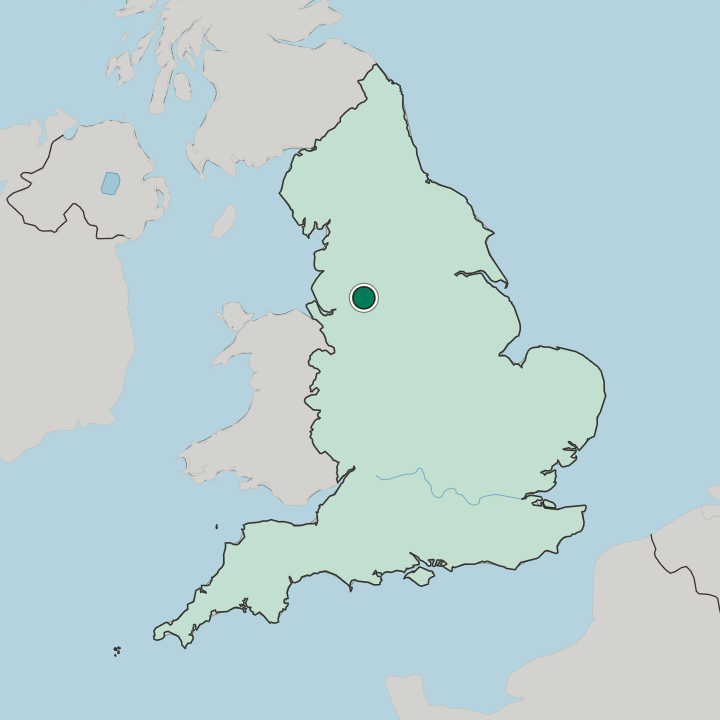
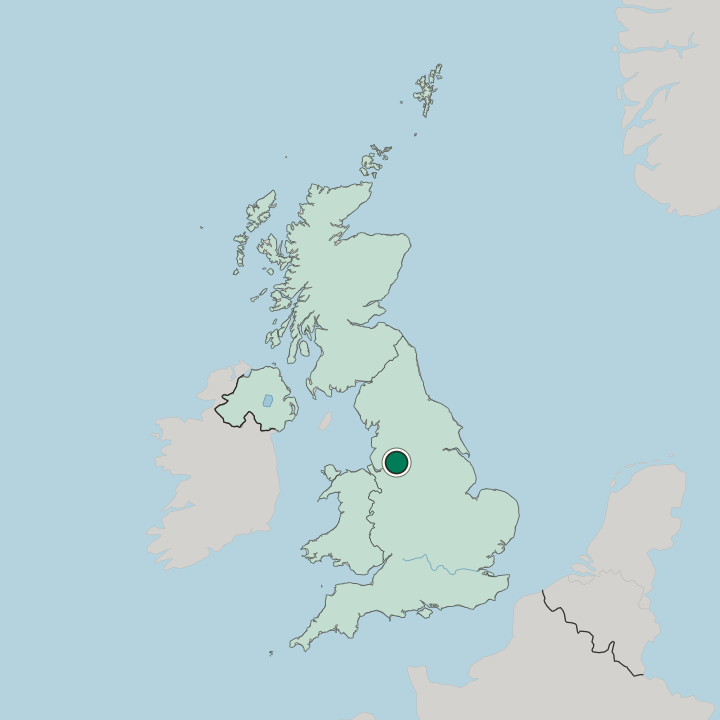
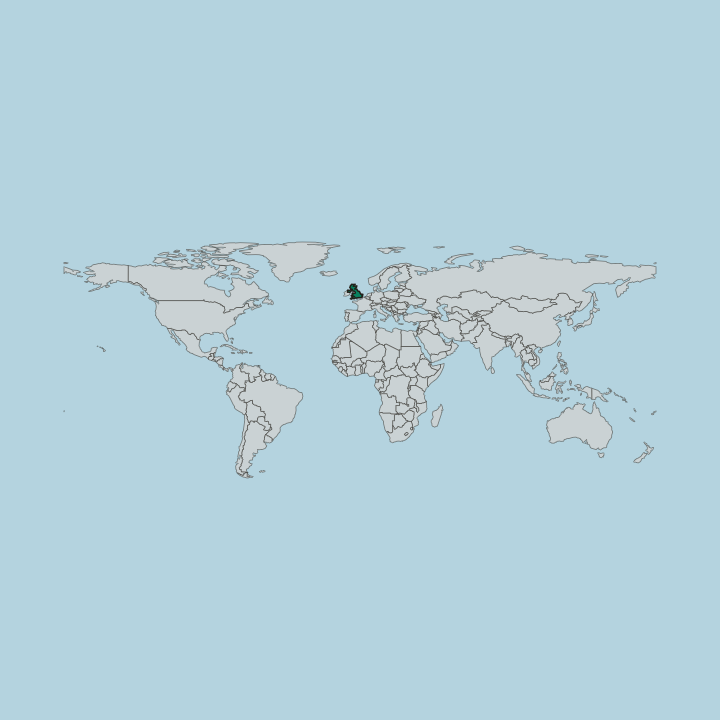
Manchester stands in Greater Manchester in North West England, on the flat ground between the Pennines and the Cheshire Plain, with the city of Salford pressed close against its western side. Hills rise to the north and east. The Pennines wall the horizon.
Beyond the built-up area the plain and the moors spread across the North West, and the Cheshire Plain opens gently away to the south. Salford lies just west.
What is the climate of Manchester?
Manchester has a mild, wet oceanic climate, shaped by the hills that ring it. Winters are cool and grey, with long spells of rain rolling off the Pennines and low cloud hanging over the city. Summers are warm and changeable.
Rain is a steady companion. When the clear days come, the moors of the Pennines stand out sharply above the plain, and the Cheshire Plain opens green to the south.
How do you get to Manchester?
Manchester is reached by air, rail, and road across North West England. Its international airport sits south of the centre, on the ground toward the Cheshire Plain. Trains run in from every direction.
Motorways ring the city and cross the region toward Salford and the wider North West, and the main rail lines that once carried the cotton trade still meet in the centre below the Pennines.
Good for
More cities in England
Updated October 2026