Georgia · K'alak'i T'bilisi · Tbilisi
Old Tbilisi, Tbilisi — Area Guide & Where to Stay
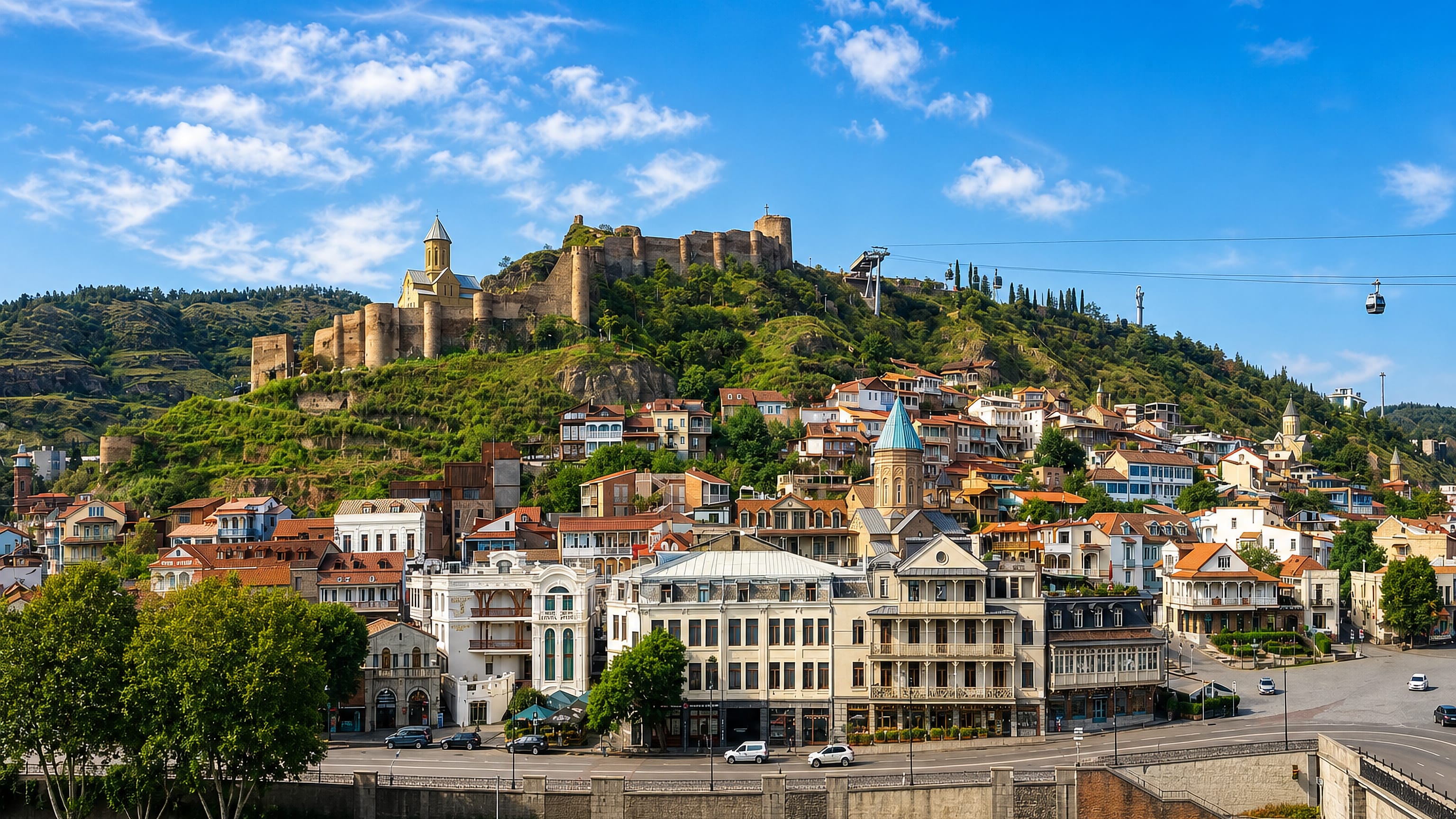
Old Tbilisi is the historic heart of Tbilisi, its oldest quarters along the Kura River below Narikala. The Metekhi church stands on the cliff.
Hotel links are affiliate links: booking through them may earn us a commission, at no extra cost to you. It never affects how places are ranked. How this works


Map data © OpenStreetMap contributors
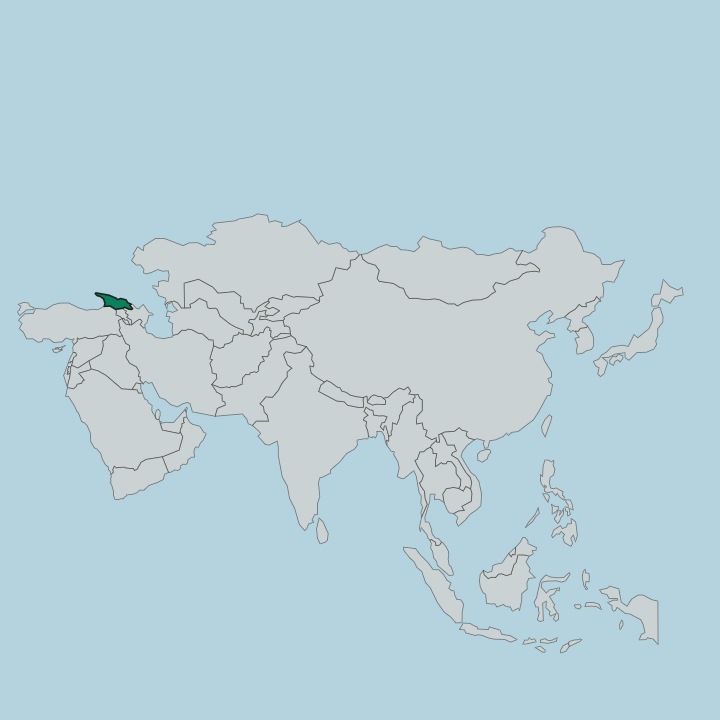
Where to stay in Old Tbilisi
How the choice of base plays out on the ground.
Staying in Old Tbilisi puts a visitor in the middle of everything worth walking to, among the churches and stepped lanes that climb the slope below Narikala. Rooms range from small guesthouses on the slopes to larger hotels down by the Kura River. Expect noise and steep gradients.
On foot you can reach the Metekhi church, the quays and the museums that gather a short climb uphill toward Mtatsminda. Pick it for sightseeing and evenings out; anyone after quiet should look to the calmer districts beyond the old core, such as Krtsanisi.
Things to do in and around Tbilisi
Ranked by global recognition; descriptions from Wikidata (CC0).
Museums & Galleries
3- National Gallery of Georgia Heritage
- Georgian National Museum
- Art Museum of Georgia
Churches & Religious Sites
3- Metekhi church Heritage
- Kashveti Church Heritage
- Norashen Holy Mother of God Armenian Church Heritage
Castles & Historic Sites
1- Narikala Heritage
worth knowingacross 3 categories in and around Tbilisi
About Old Tbilisi
What are the main landmarks in Old Tbilisi?
Narikala dominates the district. The walled fortress crowns the ridge, and beneath it the two Bethlehem churches, the Holy Mother of God Church of Bethlehem and the Lower Bethlehemi Church, cling to the slope. Across the river the Metekhi church holds its own cliff above the Kura River.
The old town also keeps the Norashen Holy Mother of God Armenian Church, one of several Armenian churches among the Georgian ones. Up the hill the Georgian National Museum, the Simon Janashia Museum of Georgia and the Museum of Soviet Occupation stand together.
What is the history of Old Tbilisi?
Old Tbilisi holds the oldest ground of a city that Vakhtang I of Iberia founded in the fifth century, on the banks of the Kura River. For centuries these lanes were Tbilisi, before the capital spread onto the surrounding hills and plains. Under the Russian Empire, between 1801 and 1917, the city became the seat of the Caucasus Viceroyalty, and its old quarters filled with Georgian, Armenian and Russian churches.
That administrative name is recent. Officials drew Old Tbilisi as a single district only in 2007, gathering neighborhoods from Mtatsminda-Krtsanisi, Isani-Samgori and Didube-Chugureti, then dissolved it again in 2013; the name outlived the boundary.
Where is Old Tbilisi?
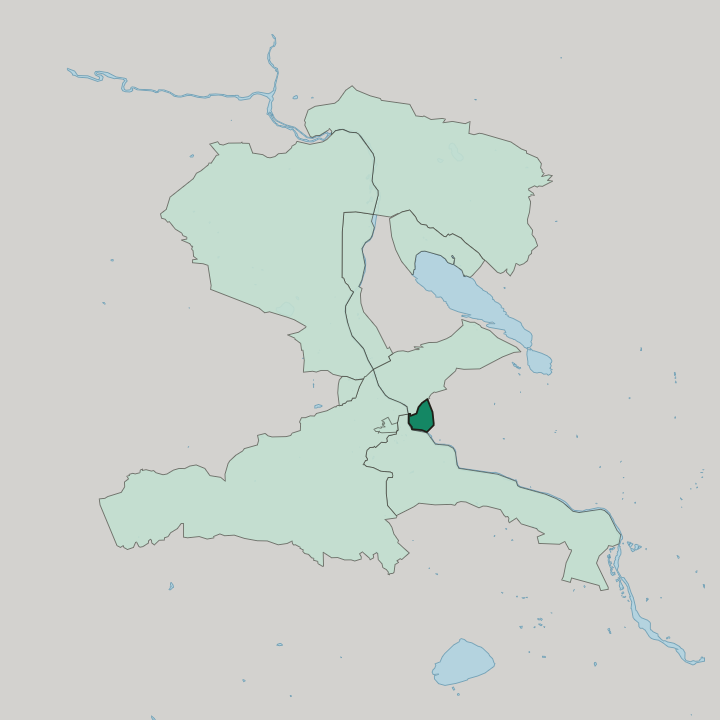
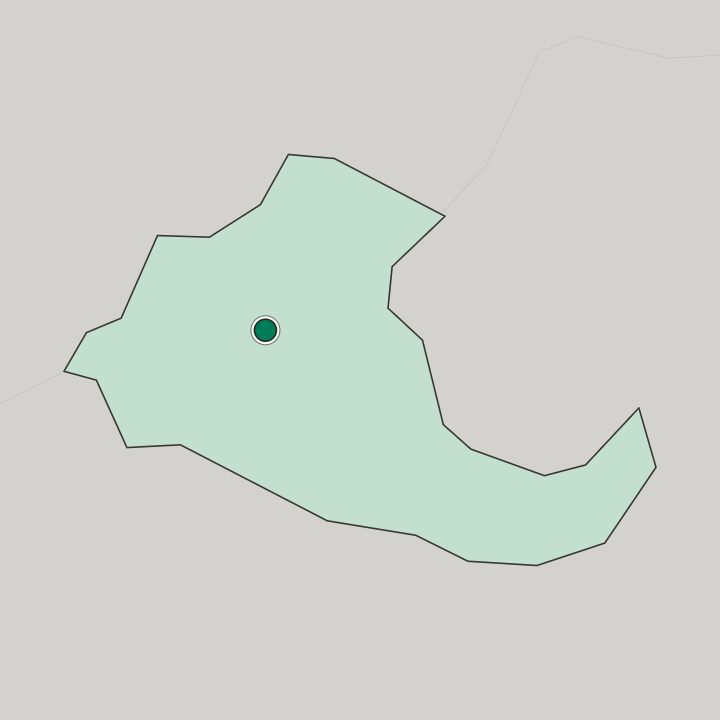
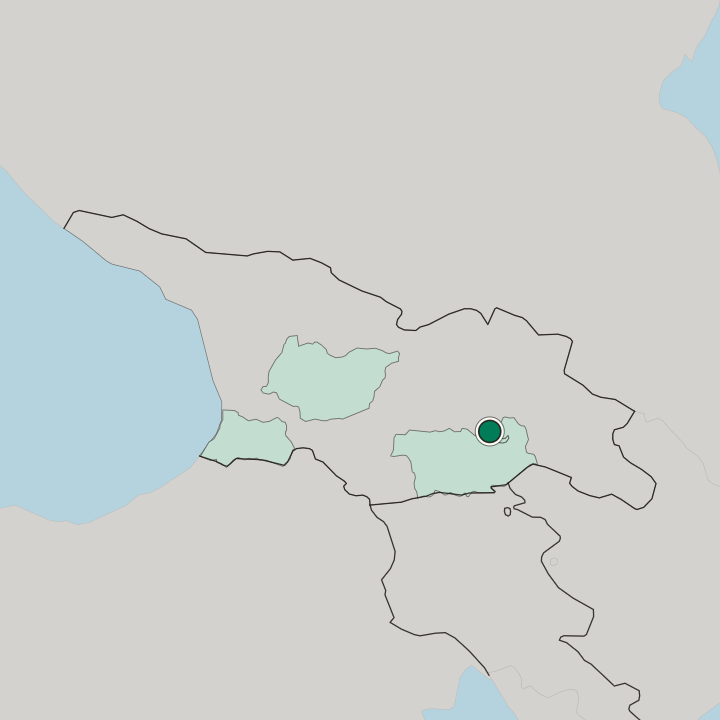
The old town fills the narrowest part of the Kura River valley, where the water bends between low hills near the middle of Tbilisi. Narikala crowns the ridge above. Below it the lanes fall steeply to the quays, and across the water the Metekhi church marks the left bank on its rock.
The quarter's edges dissolve into the surrounding districts of Mtatsminda, Krtsanisi and Isani, which once governed its neighborhoods.
Good for
More areas in Tbilisi
Updated October 2026