Greece · Attica
Where to Stay in Acharnés, Attica
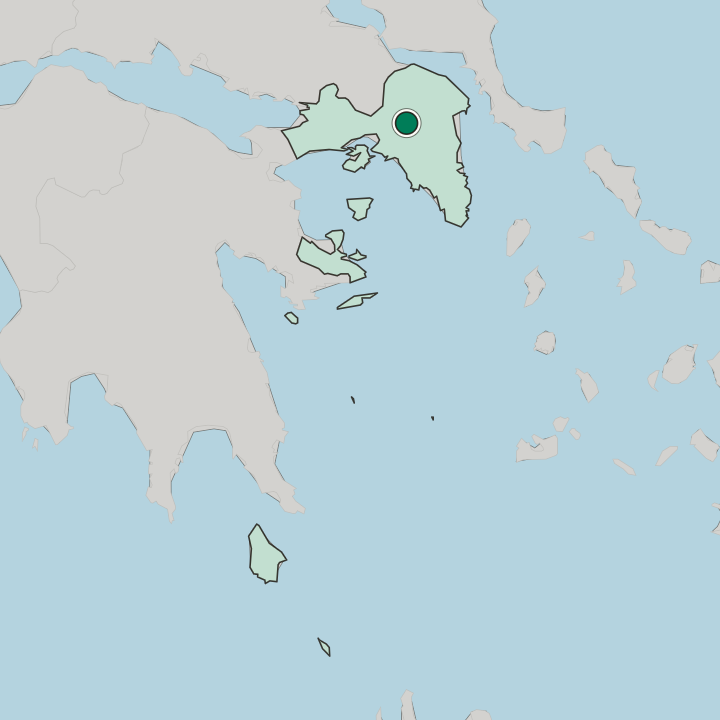
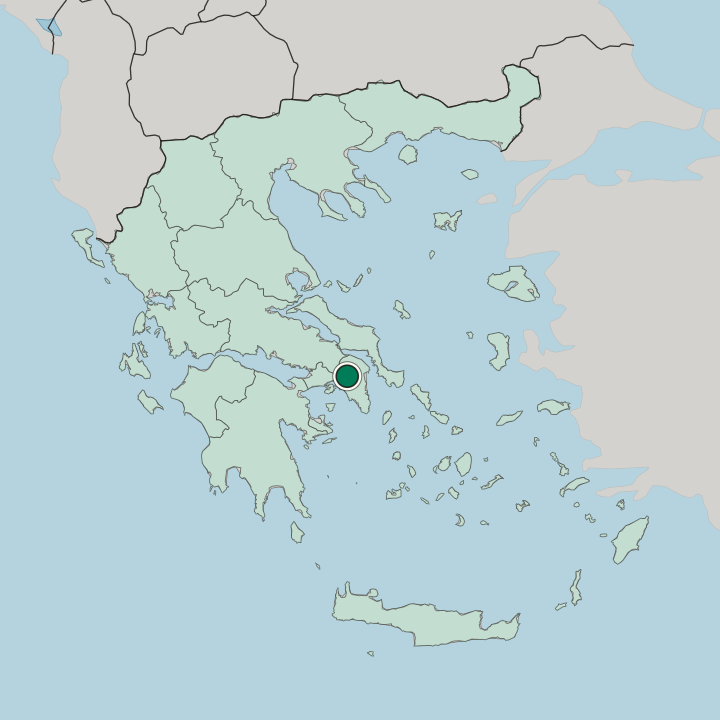
Acharnés is a municipality of the East Attica regional unit, on the ground immediately north of the Athens urban area.
Hotel links are affiliate links: booking through them may earn us a commission, at no extra cost to you. It never affects how places are ranked. How this works


Where to stay in Acharnés
Where visitors usually base themselves, and why.
Athens takes most of the beds. Acharnés works as a municipality of the East Attica regional unit rather than a resort, so rooms inside it are few and the Athens urban area immediately south absorbs almost all of the demand. That single fact shapes every choice.
Visitors who do book locally are here for one address in particular, the Hellenic Air Force Museum, a service at Saint Paraskevi convent, or the archaeology of the Tomb of Menidi. The built-up centre repays the short stay it gets. Streets around the Folk Art Museum of Acharnes carry the ordinary commerce of the municipality, and Acharnes ancient theater stands within the same fabric rather than out on open ground, which keeps a walking day compact.
Attica shortens everything. A room in the capital still reaches every one of them without trouble, so most itineraries treat Acharnés as an outing from Athens rather than a base in its own right, and the Tomb of Menidi is usually the reason the outing happens at all. Saint Paraskevi convent is the exception, drawing people who want to be near it in the morning rather than travelling out from the Athens urban area.
Find hotels in Acharnés
Direct booking searches for these neighbourhoods.
Acharnés centre
The Folk Art Museum of Acharnes and Acharnes ancient theater stand within the same built-up part of the municipality. Rooms are few around here — worth securing early.Find hotels in Acharnés centreAviation collections with the Tomb of Menidi alongsideHellenic Air Force Museum side
The Hellenic Air Force Museum draws the municipality's specialist visitors, and the Tomb of Menidi is the other fixed point on that itinerary. Few places to stay nearby — book ahead.Find hotels in Hellenic Air Force Museum sideCapital beds with Acharnés kept as an outingAthens
The Athens urban area begins immediately south of Acharnés and carries the accommodation the municipality itself does not.Find hotels in AthensHotel links are affiliate links: booking through them may earn us a commission, at no extra cost to you. It never affects how places are ranked. How this works
Things to do in Acharnés
Ranked by global recognition; descriptions from Wikidata (CC0).
Museums & Galleries
2- Hellenic Air Force Museum
- Folk Art Museum of Acharnes
Churches & Religious Sites
1- St. Paraskevi convent Acharnes
Castles & Historic Sites
2- Tomb of Menidi Heritage
- Acharnes ancient theater Heritage
worth knowingacross 3 categories in Acharnés
About Acharnés
Five sites carry the name.
What is Acharnés known for?
The Hellenic Air Force Museum, the Folk Art Museum of Acharnes and Acharnes ancient theater cover aviation, folk craft and antiquity within one of the larger municipalities of Greece. The Tomb of Menidi stands apart from those three. Saint Paraskevi convent adds the Orthodox strand, and the East Attica regional unit keeps the whole set within reach of Athens.
What are the main landmarks in Acharnés?
The Tomb of Menidi is the oldest draw. Acharnes ancient theater and the Folk Art Museum of Acharnes stand closer to daily life, one an ancient performance space and the other devoted to folk art. Aircraft fill the other end.
The Hellenic Air Force Museum gathers machines of Greek military aviation, while Saint Paraskevi convent holds the Orthodox thread running through Attica.
What is the history of Acharnés?
Antiquity sits on the ground here. Acharnes ancient theater and the Tomb of Menidi both predate every modern institution in the municipality, and their survival inside a built-up part of the East Attica regional unit shows how long this corner of Attica has been occupied. Names outlast their builders.
One monument carries the name Menidi and the other the name Acharnes, two labels attached to the same stretch of ground long before the present municipality existed. A Christian layer lies over the classical one. Saint Paraskevi convent belongs to the Orthodox tradition of Attica, and its dedication marks a stretch of the municipality's past that neither the theatre nor the tomb can account for.
Aviation closes the sequence. The Hellenic Air Force Museum records Greek military flight, a subject that could only be collected once flight itself existed, and its site in Acharnés fastens the municipality to the modern history of Greece as firmly as the tomb fastens it to antiquity. The Folk Art Museum of Acharnes gathers the loose thread.
Collections of that kind keep what written records tend to lose, and here they stand within reach of both the ancient theatre and the convent, so the full span of the municipality reads in a single afternoon. The East Attica regional unit holds the frame steady.
Where is Acharnés?
Position explains Acharnés. The municipality lies immediately north of the Athens urban area within the East Attica regional unit, close enough that its ground reads as part of the same continuous settlement rather than a separate town in Attica. Athens sets the scale.
Distance is small in every direction, and the Hellenic Air Force Museum, Saint Paraskevi convent and the Tomb of Menidi all fall inside a compact municipal area.
What is the climate of Acharnés?
Attica sets the terms. Acharnés sits in the temperate band of the northern hemisphere, so its warmest months fall in the middle of the year and its coolest at either end, with no tropical evenness to flatten the difference. The Athens urban area shares it exactly.
Nothing between Acharnés and the capital changes the picture, and the East Attica regional unit reads as one weather zone across its whole spread.
How do you get to Acharnés?
Athens is the arrival point. Acharnés adjoins the northern edge of the Athens urban area, so almost every approach begins in the capital and finishes with a short run out through the East Attica regional unit rather than a journey between separate towns. Within the municipality, the ancient theater and the St. Paraskevi convent are minutes from each other.
Anyone coming for the Hellenic Air Force Museum or the Tomb of Menidi covers the rest of the municipality in the same trip.
Common questions
What is the best area to stay in Acharnés?
Acharnés centre: Days built around the Folk Art Museum of Acharnes. Hellenic Air Force Museum side: Aviation collections with the Tomb of Menidi alongside. Athens: Capital beds with Acharnés kept as an outing.
Good for
More cities in Attica
Updated September 2026