Greece · Attica
Where to Stay in Zográfos, Attica
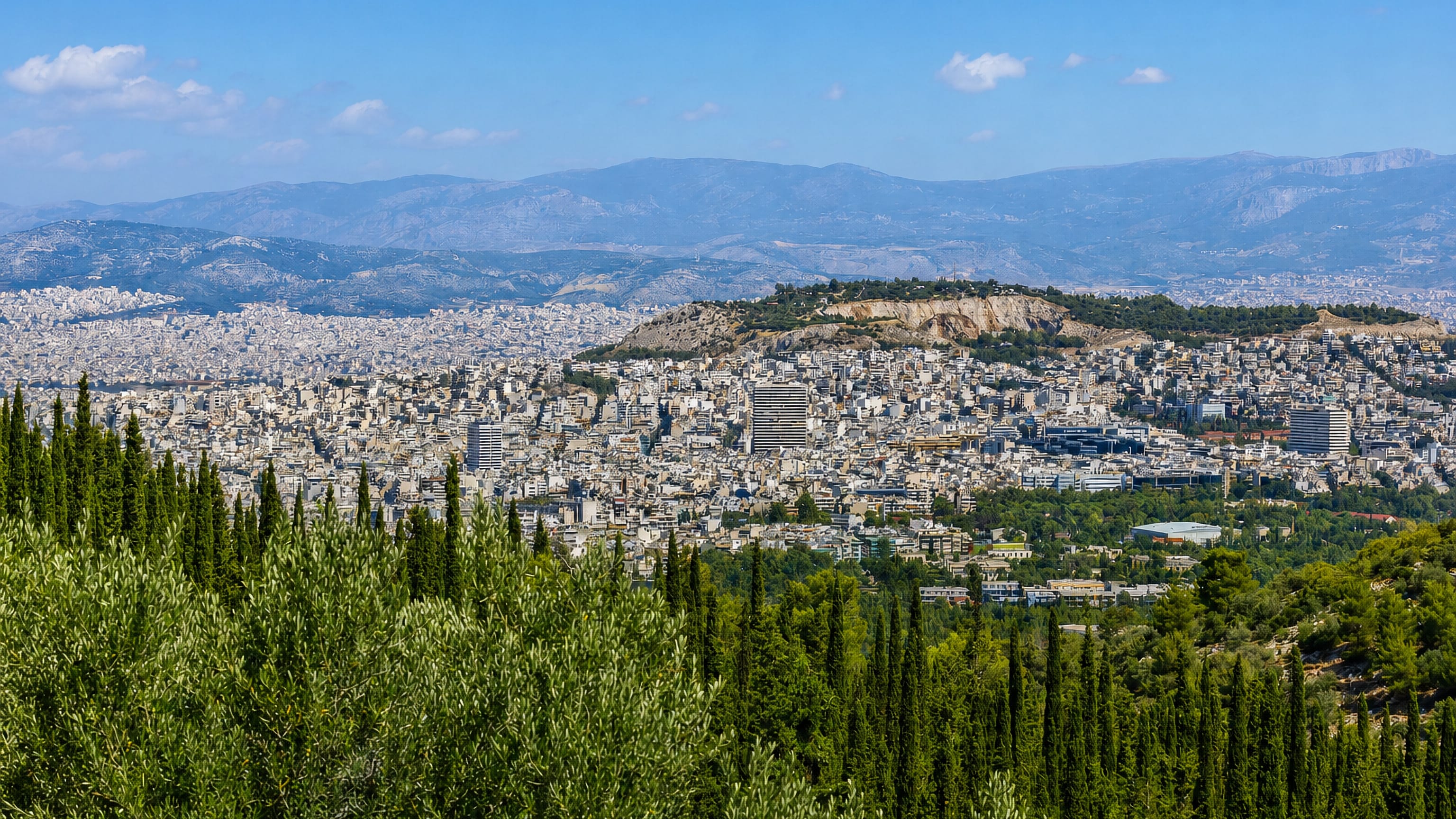
Zográfos is a university suburb of Athens in Attica, spread between the built centre and the lower slopes of Mount Hymettus.
Hotel links are affiliate links: booking through them may earn us a commission, at no extra cost to you. It never affects how places are ranked. How this works


Where to stay in Zográfos
How the choice of base plays out on the ground.
Ilissia is the practical answer. It lies on the Athens side of the municipality, closest to the museum quarter and to the Panathenaic Stadium, and it is the part of Zográfos that reads as city rather than as hillside suburb. Rooms are not plentiful anywhere here.
Zográfos was built for the people who live in it, so the beds that exist mostly serve the two universities and their visitors, and anyone who wants a wide choice of them books in central Athens instead and rides out. Goudi and the streets climbing towards Mount Hymettus are quieter, more residential and further from anything a visitor came for, which makes them worth the trip only when the reason for it is the National and Kapodistrian University of Athens or the National Technical University of Athens. Parking is easier up there.
The trade is a straightforward run west into the centre and a long view back across the agglomeration, set against ten-storey blocks and thin street life once the campuses empty for the evening. Height is the compensation. The Acropolis Museum, the Benaki Museum and the Ancient Agora of Athens are reached the same way from either end of the municipality, so the real decision is whether the campuses or the antiquities shape the day, and Attica offers no third answer within walking distance of both.
Find hotels in Zográfos
Direct booking searches for these neighbourhoods.
Ilissia
The Athens-facing edge of Zográfos, where the municipality runs into the museum quarter and the walk towards the Panathenaic Stadium is a short one. Lodging is scarce in this area; reserve in advance.Find hotels in Ilissiavisits to the National Technical University of Athens campusGoudi
Flatter campus-side ground on the Athens edge of Goudi, quiet once the university day ends and far simpler for parking than the blocks above it. Few places to stay nearby — book ahead.Find hotels in Goudistays wanting height and the long view back over the Athens agglomerationUpper Zográfos
The topmost streets of Zográfos, where ten-storey blocks stop against Mount Hymettus and the ground falls away west towards the old centre. Few places to stay nearby — book ahead.Find hotels in Upper ZográfosHotel links are affiliate links: booking through them may earn us a commission, at no extra cost to you. It never affects how places are ranked. How this works
About Zográfos
Students set the tone.
What is Zográfos known for?
The National and Kapodistrian University of Athens and the National Technical University of Athens both keep campuses on the slopes here, and much of the working day in Zográfos belongs to their students, faculty and staff. Ilissia and Goudi sit inside the same municipality. Apartment blocks of ten storeys are ordinary.
The Acropolis Museum and the Panathenaic Stadium lie a short ride west, which is one reason few visitors treat Zográfos as anything other than Athens.
What are the main landmarks in Zográfos?
The famous names sit next door. Zográfos keeps campus buildings rather than monuments, so the Erechtheion, the Temple of Athena Nike and the Propylaea of Athens are visited from here rather than found in it, and the same goes for the Theatre of Dionysus and the Odeon of Herodes Atticus. The Panathenaic Stadium is the closest of them.
Museums line up the same way, with the Acropolis Museum, the Benaki Museum, the Byzantine and Christian Museum and the National Archaeological Museum of Athens all within a short ride. Ilissia supplies the everyday version.
What is the history of Zográfos?
The name belongs to a person. Zográfos carries the name of Ioannis Zografos, a Greek politician, and the municipality that grew around it belongs to the modern record of Athens rather than the ancient one. Its story is a short one.
The blocks went up as the built ground of Athens pushed east across the plain until it met the base of Mount Hymettus, and the sprawl that filled the gap took the same dense form found closer to the centre, ten storeys at a time. Ilissia and Goudi were taken in along the way, and the campuses that now dominate the municipality arrived with them. West of Zográfos the record runs far deeper.
The Ancient Agora of Athens, the Pnyx and the Theatre of Dionysus belong to a city already old while the ground under these streets was still open slope, and the Temple of Olympian Zeus, the Arch of Hadrian and Hadrian's Library mark the Roman layer laid across it. Later centuries left their own markers. The Church of the Holy Apostles and the Tzistarakis Mosque stand among the older stones, and the First Cemetery of Athens holds the memorials of the city that grew up beside them.
What Zográfos itself added came last: the campuses of the National and Kapodistrian University of Athens and the National Technical University of Athens, which put two national institutions inside a residential corner of Attica and gave a suburb without antiquities of its own a reason to be known across Greece.
Where is Zográfos?
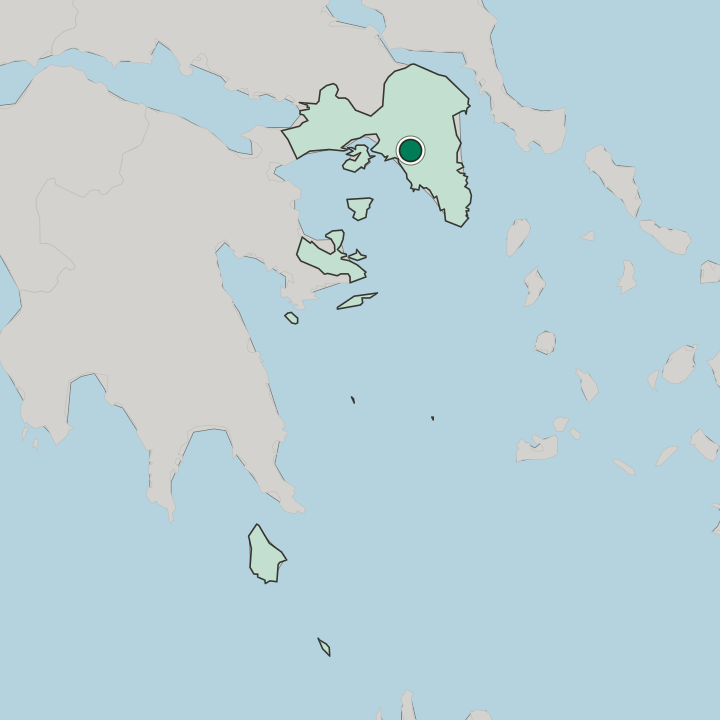
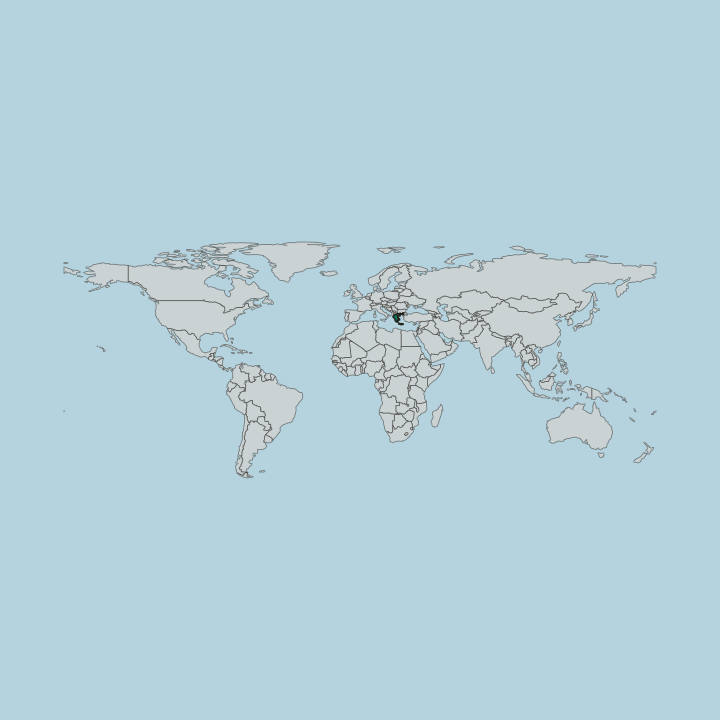
Mount Hymettus closes the eastern side. Zográfos climbs the ground between that ridge and the built-up floor of Athens, so its streets tilt, and the higher blocks look back west across the agglomeration towards the Acropolis Museum and the old centre. Ilissia lies nearer the centre.
Goudi takes the flatter ground on the far side, where campus land and its open space occupy more of the map than housing does. The ridge caps how far the municipality can spread.
What is the climate of Zográfos?
Mount Hymettus is the local variable. Zográfos lies in the temperate band, and its streets climb far enough onto the ridge that the upper blocks stand open to whatever air moves off it, while the dense ground shared with Ilissia and Goudi does not. High-rise shade is the compensation.
Ten-storey blocks throw long shadow into the streets beneath them, which is most of the relief the built-up part of the municipality has to offer.
How do you get to Zográfos?
Arrival is through Athens. Zográfos is reached from the centre of the agglomeration rather than on its own terms, with the last stretch running east across built ground towards Mount Hymettus, past Ilissia and Goudi. The ridge ends the road.
Campus traffic sets the rhythm of that approach, since the National and Kapodistrian University of Athens and the National Technical University of Athens both draw their daily crowd up the same slope.
Common questions
What is the best area to stay in Zográfos?
Ilissia: trips built around the Acropolis Museum and the Panathenaic Stadium. Goudi: visits to the National Technical University of Athens campus. Upper Zográfos: stays wanting height and the long view back over the Athens agglomeration.
Good for
More cities in Attica
Updated October 2026