Greece · Attica
Where to Stay in Peristéri, Attica
Peristéri is a suburban municipality in the western part of the Athens agglomeration, spread across ten square kilometres of Attica.
Hotel links are affiliate links: booking through them may earn us a commission, at no extra cost to you. It never affects how places are ranked. How this works


Where to stay in Peristéri
Where visitors usually base themselves, and why.
Aigaleo METRO station anchors this side of the city. Peristéri spreads west of central Athens across ground that visitors rarely book, and the argument for staying out here is the rail connection rather than anything standing on the doorstep. Rooms here are scarce and mostly unremarkable.
Ten square kilometres of housing. That scale means one end of the municipality is nothing like the other, and a room chosen badly leaves a long walk to any station at all. Egaleo makes the better base for a short stay.
The Municipal Athletic Center of Egaleo, the Ancient Hiera odos and the metro sit together there, and the Platonic Academy is a short run further in towards the centre. Ilion is the other neighbour. You want space and a quiet street rather than a lobby with a concierge, and on that count Peristéri delivers, with the Peristeri Indoor Hall and the Church of Agios Georgios Neas Zois giving the municipality its own centre of gravity.
The Museum of Dromokaiteio and the Charles Lenormant Monument fill out a list that no weekend itinerary will ever reach.
Find hotels in Peristéri
Direct booking searches for these neighbourhoods.
Peristéri
The Peristeri Indoor Hall and the Church of Agios Georgios Neas Zois mark the middle of a municipality with no visitor quarter at all. Beds are limited here, so book early.Find hotels in PeristériMetro access at Aigaleo METRO stationEgaleo
The Ancient Hiera odos surfaces at Plateia Estavromenou beside Aigaleo METRO station, with the Municipal Athletic Center of Egaleo nearby.Find hotels in EgaleoRooms out by the Memorial to the Polytechnion HeroesIlion
Ilion carries the Memorial to the Polytechnion Heroes and shares the same western approach into the Athens agglomeration. Beds are limited here, so book early.Find hotels in IlionHotel links are affiliate links: booking through them may earn us a commission, at no extra cost to you. It never affects how places are ranked. How this works
Things to do in Peristéri
Ranked by global recognition; descriptions from Wikidata (CC0).
Museums & Galleries
2- Museum of Dromokaiteio
- Ιστορικό Λαογραφικό Οικομουσείο Αιγάλεω
Churches & Religious Sites
4- Ναός Αγίας Βαρβάρας Αιγάλεω Heritage
- Αγία Ζώνη Heritage
- Άγιος Νικόλαος ο Χωστός Heritage
- Church of Panagia Koulourdou Heritage
Castles & Historic Sites
2- Platonic Academy Heritage
- Ancient Hiera odos (Plateia Estavromenou, Aigaleo METRO station ) Heritage
Stadiums & Sports
3- Peristeri Indoor Hall
- Municipal Athletic Center of Egaleo
- Indoor Gymnasium Christos Aggourakis
worth knowingacross 4 categories in Peristéri
About Peristéri
What is Peristéri known for?
Plato's name is on the ground here. The Platonic Academy and the Digital Museum of Plato's Academy lie in the same western band of the Athens agglomeration that Peristéri belongs to, which gives a plain residential municipality an unexpectedly deep hinterland. Size does the rest.
Peristéri ranks among the largest municipalities in Greece, and the Peristeri Indoor Hall and the Railway Museum of Athens are the fixed points that outsiders actually come for.
What are the main landmarks in Peristéri?
Antiquity survives in patches. The Platonic Academy keeps the name of the school that met there, the Hill of Ippeios Kolonos stands in the same quarter, and the Ancient Hiera odos runs under the modern street at Plateia Estavromenou. Parish churches take up the rest.
The Church of Panagia Koulourdou, the Agioi Akindynoi church and the Church of Agios Georgios Neas Zois serve the western suburbs, while the Museum of Dromokaiteio, the Digital Museum of Plato's Academy and the Charles Lenormant Monument gather what the parishes do not.
What is the history of Peristéri?
The Platonic Academy predates everything else here. Its ground lies on the western side of Athens, and the Ancient Hiera odos ran out through the same quarter, so this corner of Attica carried traffic long before it carried housing. Peristéri came far later.
The municipality took shape as the Athens agglomeration pushed west, filling the space between that ancient road and the Hill of Ippeios Kolonos. Growth was the whole story of the twentieth century here. Peristéri became one of the largest municipalities in Greece without ever acquiring a monumental centre, and its churches record that expansion better than any archive, from the Church of Panagia Koulourdou to the newer Agioi Akindynoi church and the Church of Agios Georgios Neas Zois.
Neighbours grew at the same rate. Egaleo and Ilion filled the same western ground, and the Municipal Athletic Center of Egaleo and the Municipal Sports Hall of Egaleo mark where that municipality put its civic effort. Memorials do the remembering.
The Memorial to the Polytechnion Heroes in Ilion, the Memorial to Genoktonias Assyrion in Egaleo and the Memorial to voluntary blood donors in Peristéri each mark a separate strand of the modern history of these suburbs. The Charles Lenormant Monument is older. It carries a personal name rather than an event, and the Museum of Dromokaiteio and the Railway Museum of Athens complete a record built almost entirely from the modern city rather than from the ancient one.
Where is Peristéri?
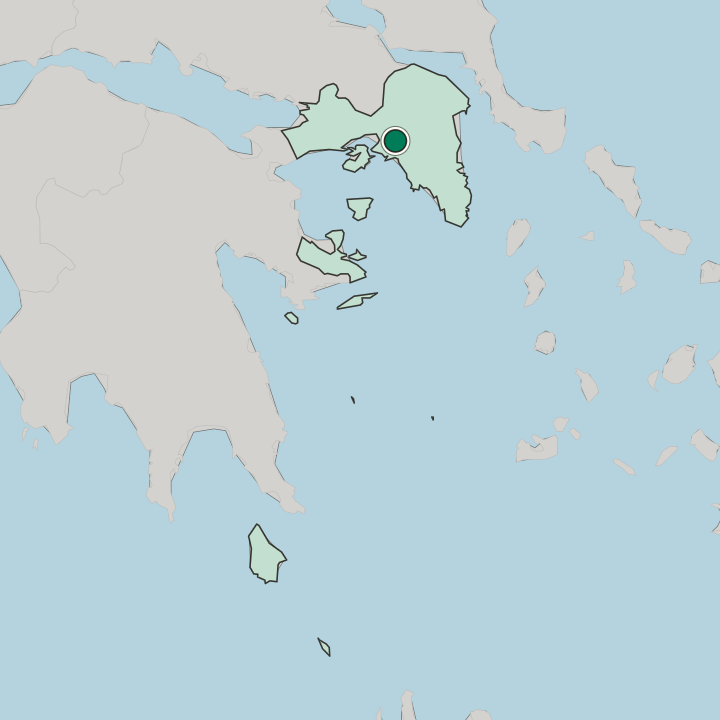
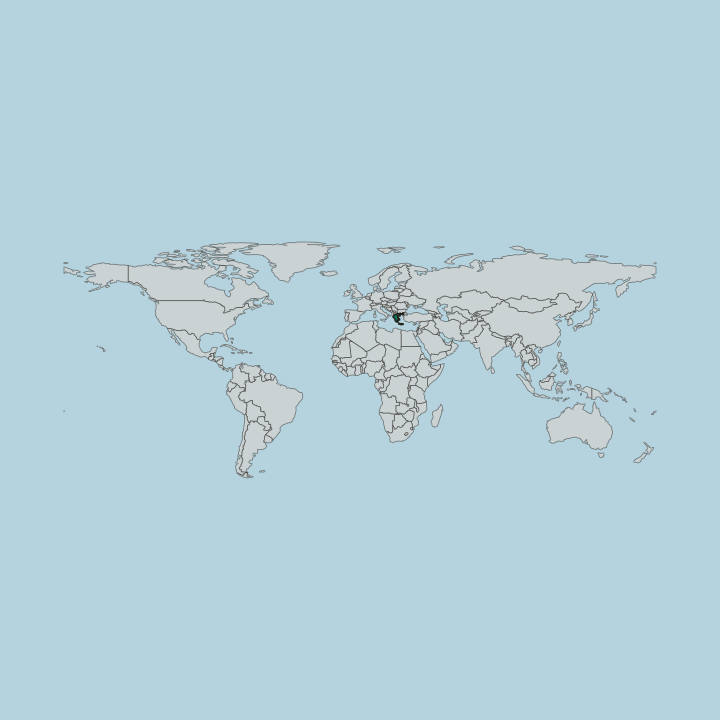
Ten square kilometres, all built. Peristéri occupies the western part of the Athens agglomeration, a municipality large enough to hold several distinct quarters yet without a single stretch of open country inside its boundary. Egaleo and Ilion adjoin it.
The Hill of Ippeios Kolonos is the one named rise on this side, and beyond it the built fabric runs continuous back towards central Athens.
What is the climate of Peristéri?
Distance from the sea shows. Peristéri lies in the western part of the Athens agglomeration with no shoreline of its own, so whatever moderating effect the water gives the coastal suburbs does not reach this far inland, and summer afternoons run accordingly. The temperate band still governs.
Rain arrives in the cooler half of the year, the middle months stay dry, and the Hill of Ippeios Kolonos is the only break in an otherwise uniform picture.
How do you get to Peristéri?
The metro reaches Aigaleo. Peristéri sits on the western side of the Athens agglomeration, and Aigaleo METRO station in the neighbouring municipality is the fixed point that most arrivals use, with the Ancient Hiera odos displayed at Plateia Estavromenou beside it. Ilion lies further out.
The Railway Museum of Athens stands on the same side of the city, and the Municipal Athletic Center of Egaleo marks how quickly Peristéri gives way to its neighbour.
Common questions
What is the best area to stay in Peristéri?
Peristéri: Space and quiet around the Peristeri Indoor Hall. Egaleo: Metro access at Aigaleo METRO station. Ilion: Rooms out by the Memorial to the Polytechnion Heroes.
Good for
More cities in Attica
Updated October 2026