Greece · Attica
Where to Stay in Palaió Fáliro, Attica
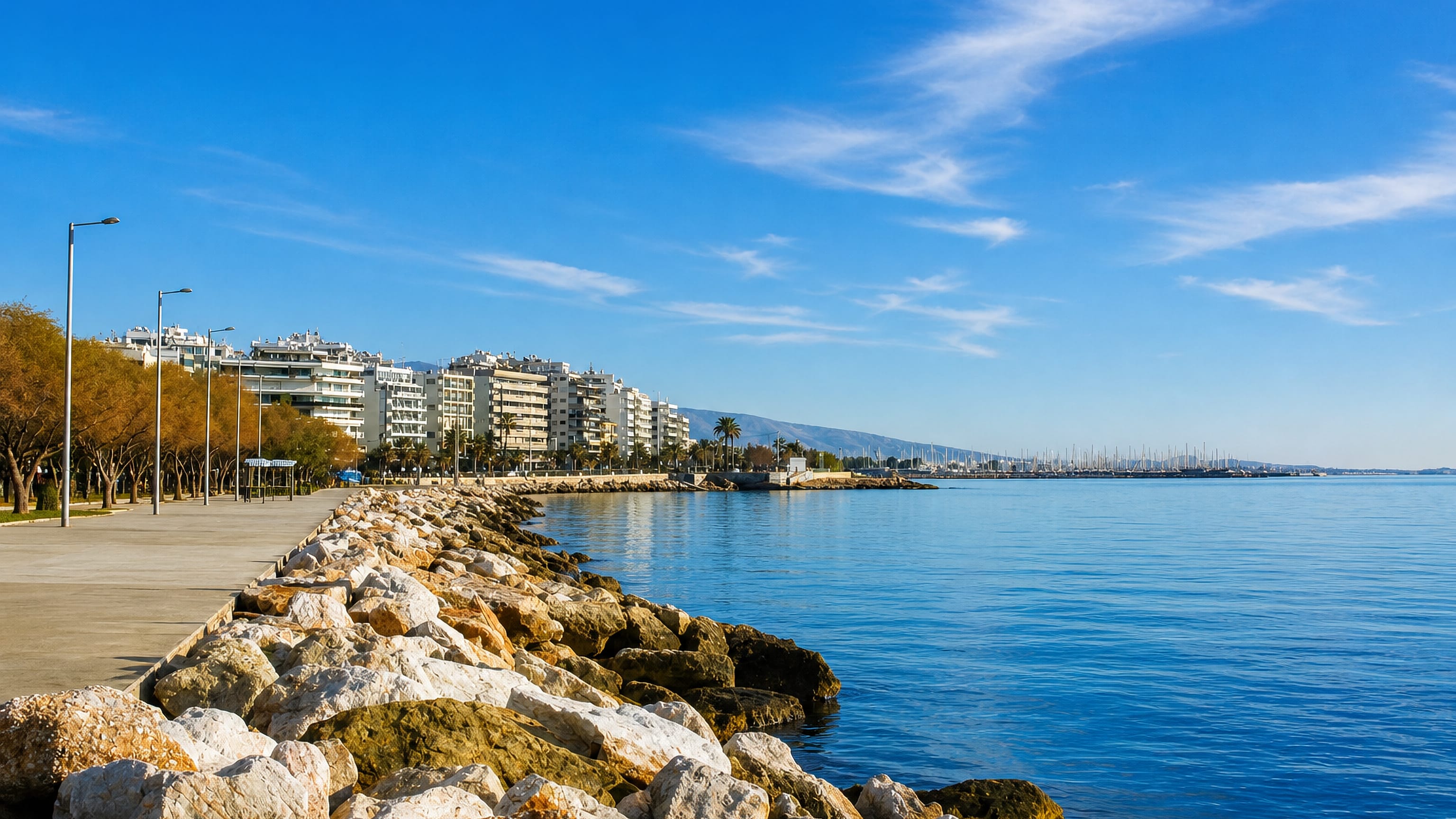
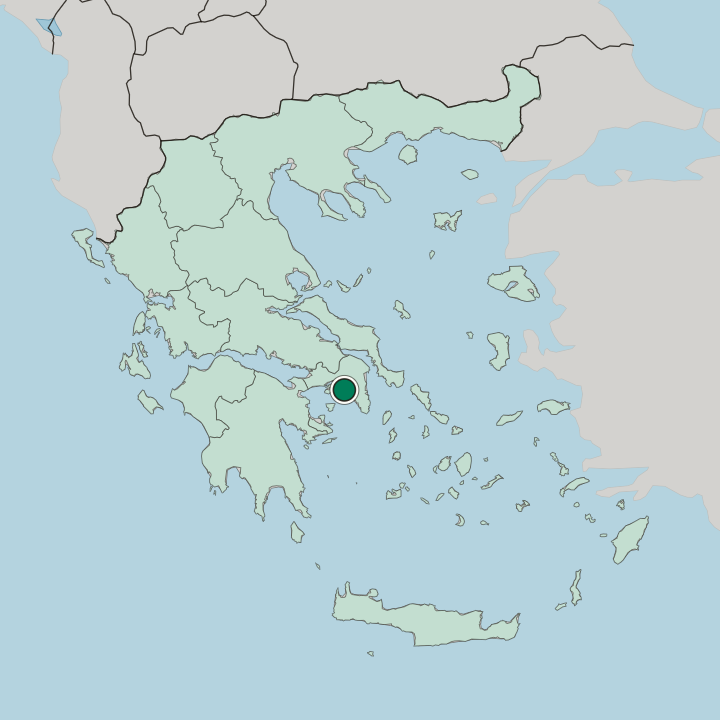
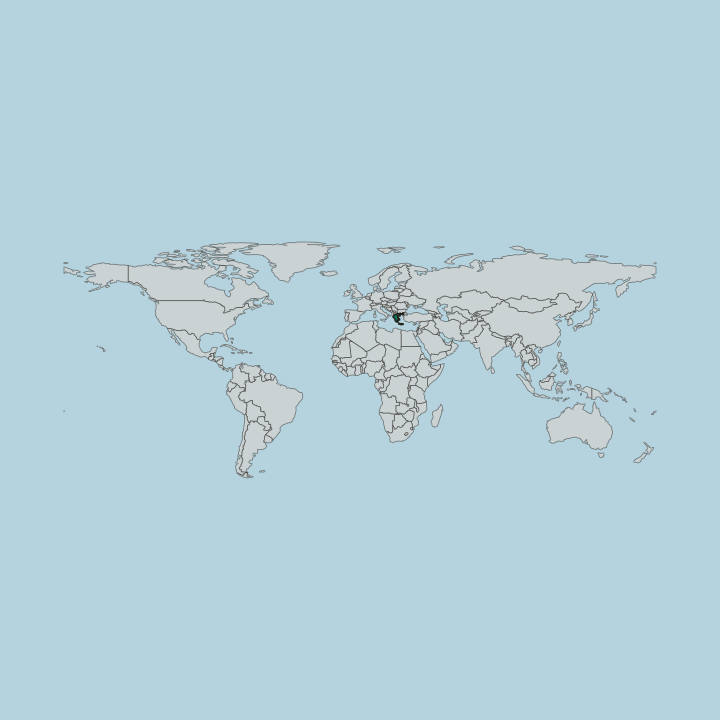
Palaió Fáliro is a coastal municipality on the Saronic Gulf, in the southern part of the Athens agglomeration.
Hotel links are affiliate links: booking through them may earn us a commission, at no extra cost to you. It never affects how places are ranked. How this works


Where to stay in Palaió Fáliro
Where visitors usually base themselves, and why.
The Saronic Gulf is the whole argument. Palaió Fáliro is one of the few parts of the Athens agglomeration where a room can face open water, and that single quality separates it from the inland suburbs behind, which have museums but no shoreline. Sea air changes a stay.
Anyone with children will find the Benaki Toy Museum, the Eugenides Planetarium and Hellenic Cosmos within the same southern band, so a base here works for longer family trips rather than for two nights of antiquities. The waterfront takes the demand. Rooms concentrate where the Greek cruiser Georgios Averof and the Faliro Olympic Beach Volleyball Centre mark the shore, and the streets running back inland are quieter, on nothing more than distance from the sea.
Nea Smyrni is the neighbour inland. Its Agia Fotini cathedral and Municipal Pool of Nea Smyrni belong to a different municipality with the same access, which makes it a fair second choice when the coast fills up, and Trachones stretches the options further inland again. The Origonis Mansion and the Church of the Saviour anchor the older streets that visitors rarely see.
Find hotels in Palaió Fáliro
Direct booking searches for these neighbourhoods.
Palaió Fáliro waterfront
The Saronic Gulf frontage carries the Greek cruiser Georgios Averof, USS Charrette and the Faliro Olympic Beach Volleyball Centre in one stretch.Find hotels in Palaió Fáliro waterfrontQuieter streets near the Church of the SaviourInland Palaió Fáliro
Streets set back from the shore, where the Church of the Saviour and the Origonis Mansion are the local landmarks.Find hotels in Inland Palaió FáliroFamily stays within reach of Hellenic CosmosTrachones
Trachones keeps the Church of Eisodion Theotokou in its own streets and reaches Hellenic Cosmos without crossing the centre. Lodging is scarce in this area; reserve in advance.Find hotels in TrachonesHotel links are affiliate links: booking through them may earn us a commission, at no extra cost to you. It never affects how places are ranked. How this works
About Palaió Fáliro
Two warships head the list.
What is Palaió Fáliro known for?
The Greek cruiser Georgios Averof and USS Charrette both belong to the Saronic Gulf frontage that gives Palaió Fáliro its identity within the South Suburbs of Athens. Sport took the rest of the shore. The Faliro Olympic Beach Volleyball Centre and the Faliro Sports Pavilion Arena were built for the games, and the Eugenides Planetarium and Hellenic Cosmos add the science and culture end of the same southern strip.
What are the main landmarks in Palaió Fáliro?
Ships and stadiums share the shore. The Greek cruiser Georgios Averof, USS Charrette, the Faliro Sports Pavilion Arena and the Faliro Olympic Beach Volleyball Centre all belong to the same Saronic Gulf frontage, and the Neo Phaliron Velodrome carries the name in its older spelling. Collections fill in around them.
Hellenic Cosmos, the Eugenides Planetarium, the Hellenic IT Museum, the Benaki Toy Museum and the Tactual Museum of Athens spread across the southern suburbs, while the Kontopigado site and the Church of Agios Georgios Xirotagarou hold the older ground.
What is the history of Palaió Fáliro?
Kontopigado is the oldest name on the list. The site marks occupation of this stretch of the Saronic Gulf coast long before any municipality existed, and the Church of Agios Georgios Xirotagarou and the Church of Eisodion Theotokou in Trachones carry the village layer that followed. Older names survive in the fabric.
Palaió Fáliro grew over and around them as the Athens agglomeration extended south towards the water. Sport arrived with the modern city. The Neo Phaliron Velodrome, the Faliro Sports Pavilion Arena and the Faliro Olympic Beach Volleyball Centre each mark a different round of building on this coast, the last of them explicitly for the games.
Warships came to stay. The Greek cruiser Georgios Averof and USS Charrette are both preserved rather than serving, and their presence on the Saronic Gulf frontage gives Palaió Fáliro a naval record that its inland neighbours cannot match. Refugee Athens shaped the suburbs behind.
Agia Fotini cathedral, the Armenian Genocide memorial and Saint Karapet church all stand in neighbouring Nea Smyrni, and their dedications record communities that reached this part of Attica from elsewhere. Collecting came later. Hellenic Cosmos, the Hellenic IT Museum, the Benaki Toy Museum and the Tactual Museum of Athens are institutions of the built-up city rather than of the old shore, and the Origonis Mansion and the Axelos house, Kastella are among the older houses still standing.
Where is Palaió Fáliro?
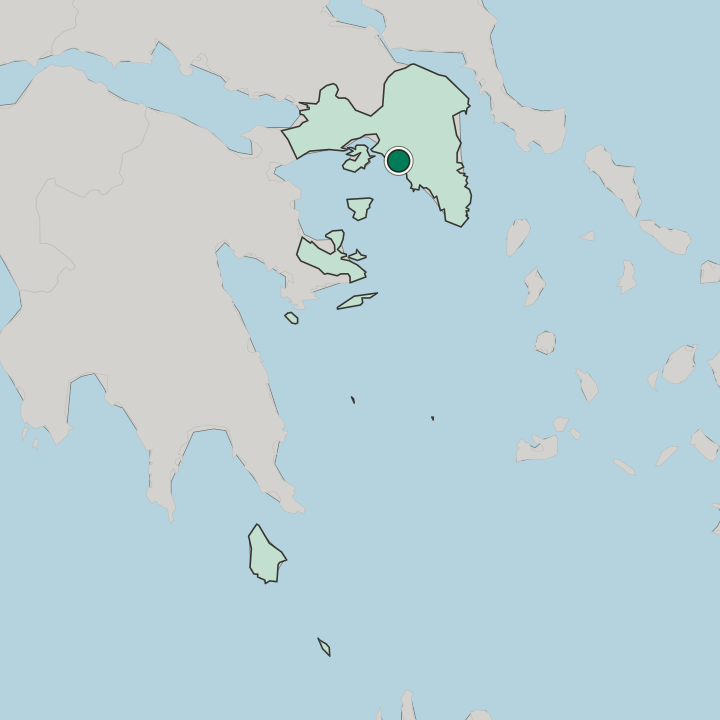
The coast defines the boundary. Palaió Fáliro covers about four and a half square kilometres of the southern Athens agglomeration, with the Saronic Gulf on one side and the inland suburbs pressing against the other three. Depth is what it lacks.
Nea Smyrni and Trachones lie behind the built-up strip, and the municipality is narrow enough that the water is never far from any street in it.
What is the climate of Palaió Fáliro?
The Saronic Gulf does the work. Sea breezes reach every street of Palaió Fáliro, which keeps summer afternoons easier here than in the inland suburbs of the Athens agglomeration, and the same water slows the cooling at the far end of the year. Cold weather does not linger.
The temperate band gives Attica a wet cool season and a long warm one, and on this coast the balance tips further towards the warm.
How do you get to Palaió Fáliro?
Arrivals come down from central Athens. Palaió Fáliro lies along the southern edge of the agglomeration, so the approach runs outward through the suburbs and stops at the Saronic Gulf, with nowhere further to go on that side. Nea Smyrni is the inland gate.
Anyone heading for the Faliro Sports Pavilion Arena, Hellenic Cosmos or the Greek cruiser Georgios Averof crosses the same band of streets to reach the water.
Common questions
What is the best area to stay in Palaió Fáliro?
Palaió Fáliro waterfront: Sea-facing rooms beside the Greek cruiser Georgios Averof. Inland Palaió Fáliro: Quieter streets near the Church of the Saviour. Trachones: Family stays within reach of Hellenic Cosmos.
Good for
More cities in Attica
Updated October 2026