Greece · Attica
Where to Stay in Kallithéa, Attica
Kallithéa is one of the largest and most tightly built municipalities of the Athens agglomeration, packed into under five square kilometres.
Hotel links are affiliate links: booking through them may earn us a commission, at no extra cost to you. It never affects how places are ranked. How this works


Where to stay in Kallithéa
How the choice of base plays out on the ground.
Rooms in Kallithéa are bought for their reach into central Athens rather than for a view. The blocks nearest the municipal edge, on the side that faces the Acropolis Museum and the Temple of Olympian Zeus, put the monument belt within a walk or a very short ride, and they carry the everyday trade of a working suburb instead of a tourist strip. Prices reflect that difference.
Nothing here is dressed for arrivals. Deeper inside the municipality the grid turns residential and quiet in the way a dense neighbourhood is quiet, with the noise coming from balconies and street level rather than from bars. A bed in these interior blocks suits a stay measured in a week rather than a night, when a laundry, a bakery and a bus stop matter more than being able to see the Odeon of Herodes Atticus from the window.
Kallithéa is small on the ground. The whole municipality can be crossed on foot inside half an hour, which is the practical argument for staying here at all. The eastern flank towards the First Cemetery of Athens is the middle ground, close enough to the classical core to walk in and far enough out to sleep.
Beds thin out fast in the interior streets. Anyone who cannot find one can fall back on Athens proper, where the stock around Hadrian's Library and the Arch of Hadrian is deeper and far more used to visitors.
Find hotels in Kallithéa
Direct booking searches for these neighbourhoods.
The edge facing the Acropolis Museum
The outward blocks of Kallithéa, where the municipal boundary gives onto the classical belt of central Athens.Find hotels in The edge facing the Acropolis MuseumLonger stays in a working Athens suburbInterior grid
Residential blocks in the densest part of Kallithéa, with daily shops rather than anything aimed at visitors. Rooms are few around here — worth securing early.Find hotels in Interior gridA compromise between the monuments and a quiet nightTowards the First Cemetery of Athens
The flank of the municipality nearest the First Cemetery of Athens, within walking reach of the old city.Find hotels in Towards the First Cemetery of AthensHotel links are affiliate links: booking through them may earn us a commission, at no extra cost to you. It never affects how places are ranked. How this works
About Kallithéa
Density is the headline.
What is Kallithéa known for?
Ranked eighth among the municipalities of Greece and fourth within the Athens urban area, Kallithéa fits that weight of city into a footprint smaller than many single districts elsewhere, which makes it one of the most closely built places in the country. Balconies face balconies here. What the suburb sells to a visitor is position rather than monuments, because the classical belt around the Acropolis Museum and the Ancient Agora of Athens begins a short way past its edge.
What are the main landmarks in Kallithéa?
The register that serves Kallithéa is the register of the city it sits inside. Within a short radius stand the Erechtheion, the Propylaea of Athens, the Temple of Athena Nike, the Theatre of Dionysus and the Stoa of Eumenes, with the Acropolis Museum holding what has come off that rock. Roman work follows: the Arch of Hadrian, Hadrian's Library and the Odeon of Herodes Atticus.
The Pnyx and the Philopappos Monument crown the hills opposite. Kallithéa sits minutes from all of it.
What is the history of Kallithéa?
Kallithéa has no antiquity of its own. Its history is the history of the metropolis that eventually reached it, and that story is written a short way off, in the Ancient Agora of Athens where the Stoa Poikile stood, on the Pnyx where the assembly met, and among the graves and pottery of the Kerameikos Archaeological Museum. The Eleusinion held the city cult.
Harmodius and Aristogeiton stood as its political statuary, and the Choragic Monument of Lysicrates still marks the street where a chorus was honoured. Later centuries stacked their own work on the same ground. Roman patronage produced the Arch of Hadrian, Hadrian's Library and the Temple of Olympian Zeus in its finished form; Byzantine builders left the Church of the Holy Apostles and the Church of Panaghia Kapnikarea; the Ottoman period left the Tzistarakis Mosque standing among them.
Each layer stayed in use. That is why the centre reads as one continuous fabric rather than a set of ruins with a modern city around it. The suburb itself belongs to the last chapter.
As the capital expanded, fields on this side of the city were laid out as blocks and filled, over and over, until Kallithéa became one of the largest municipalities of Greece by the sheer number of households stacked into a small area. The First Cemetery of Athens and the preserved cruiser Georgios Averof carry the modern national memory of that same expansion. Growth here went upward.
Where is Kallithéa?
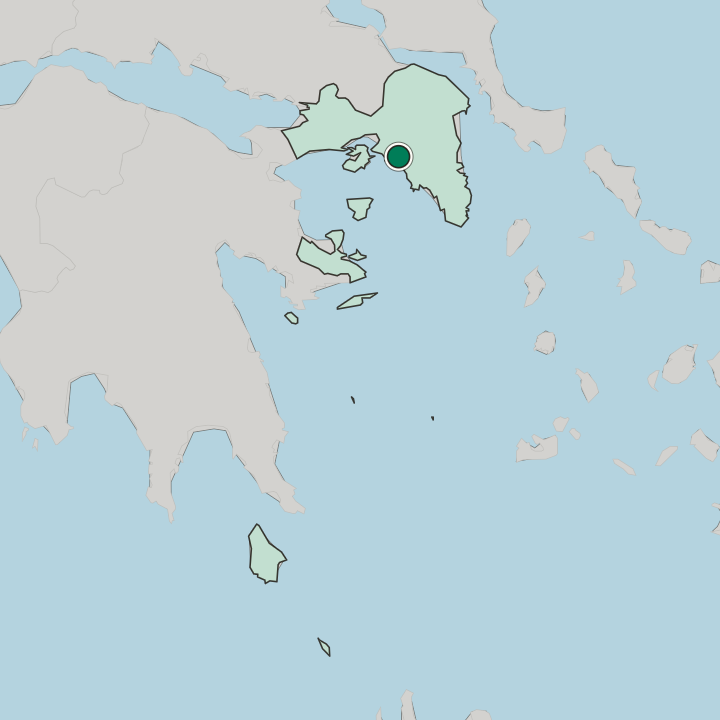
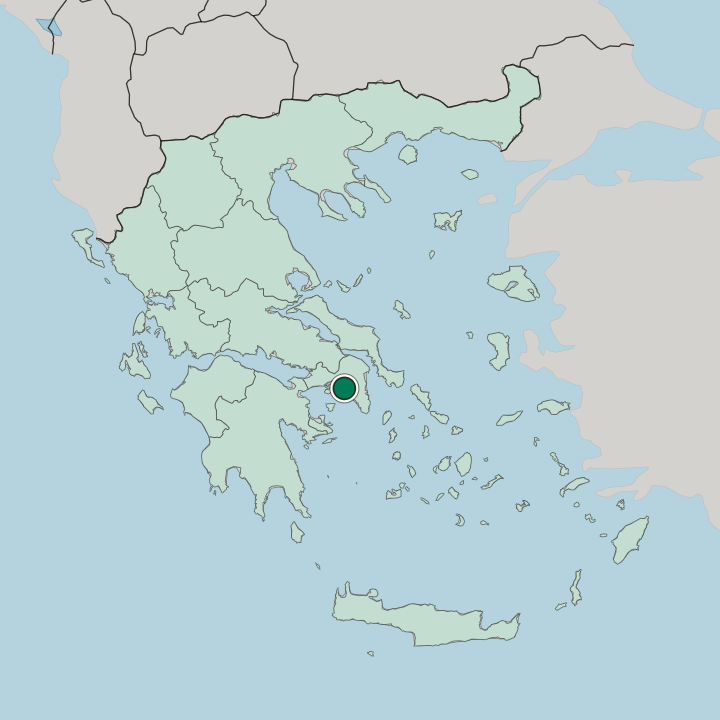
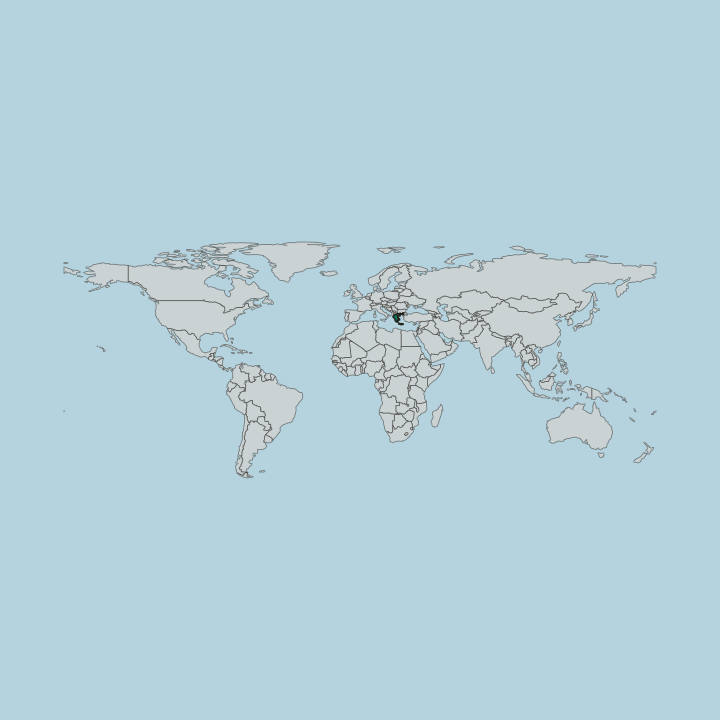
Under five square kilometres hold the whole municipality. Kallithéa occupies a continuous stretch of the Athens agglomeration in the south Athens regional unit, with no open ground inside it and no gap between its blocks and those of the municipalities it touches, so the boundary is a line on a map rather than anything visible from the street. Attica supplies the wider frame.
The classical hills carrying the Pnyx and the Philopappos Monument are the only relief in sight.
What is the climate of Kallithéa?
Concrete is the local weather-maker. Stacked blocks across a municipality built to this density absorb the temperate summer through the day and give it back after dark, so a warm evening in Kallithéa stays warm long after the same hour would have cooled in open Attica. Shade is at a premium.
Streets narrow enough to keep the sun off for most of the day are the ones people use, which is why the walk to the Acropolis Museum is planned around the hour rather than the distance.
How do you get to Kallithéa?
Nobody travels to Kallithéa as a destination in itself. Arrival is a matter of crossing the Athens urban area, since the municipality sits inside the continuous agglomeration and its streets run straight into those of its neighbours in the south Athens regional unit. The Temple of Olympian Zeus is the usual reference point.
Crossings are short. From the monument belt around the Ancient Agora of Athens and the Acropolis Museum, the trip takes a brief ride or a long walk, and most visitors make it more than once a day.
Common questions
What is the best area to stay in Kallithéa?
The edge facing the Acropolis Museum: Walking into the Acropolis Museum and the Temple of Olympian Zeus. Interior grid: Longer stays in a working Athens suburb. Towards the First Cemetery of Athens: A compromise between the monuments and a quiet night.
Good for
More cities in Attica
Updated October 2026