Greece · Attica
Where to Stay in Níkaia, Attica
Níkaia is a town of the Piraeus agglomeration, founded in 1928 in the southwestern part of the Athens urban area.
Hotel links are affiliate links: booking through them may earn us a commission, at no extra cost to you. It never affects how places are ranked. How this works


Where to stay in Níkaia
Where visitors usually base themselves, and why.
Piraeus holds the beds on this side. Níkaia is a working suburb of the Piraeus agglomeration rather than a visitor district, so anyone arriving by sea or heading for the Hellenic Maritime Museum books nearer the water and treats the town as a place to pass through. Nobody should pretend otherwise about Níkaia.
The Nikaia Municipal Stadium and the Nikaia Olympic Weightlifting Hall pull their own crowds, and on those days rooms in the town itself make far more sense. Rooms there are plain and few. Two museums justify a night here on their own.
The Resistance museum of Nikaia and the Museum of the Mandra of Kokkinia executions are local institutions that no central Athens itinerary reaches, and staying in the town puts both within walking distance of breakfast. You want a neighbourhood, not a district of hotels. Elsewhere in the agglomeration, the Theatre of Zea and the Archaeological Museum of Piraeus sit close to the harbour rooms, while the Railway Museum of Athens and the Electric Railways Museum of Piraeus split the difference between the two.
Agios Ioannis Rentis shares the municipality and the same choice.
Find hotels in Níkaia
Direct booking searches for these neighbourhoods.
Níkaia
The Resistance museum of Nikaia and the Museum of the Mandra of Kokkinia executions stand in the town's own streets, not in central Athens. Beds are limited here, so book early.Find hotels in NíkaiaSailings paired with the Hellenic Maritime MuseumPiraeus harbour side
The Hellenic Maritime Museum, the Museum of Mercantile Marine and the Theatre of Zea line the harbour end of the agglomeration.Find hotels in Piraeus harbour sideStays split between Níkaia and the Railway Museum of AthensAgios Ioannis Rentis
Agios Ioannis Rentis shares the municipality of Nikaia-Agios Ioannis Rentis and reaches the Railway Museum of Athens just as easily. Rooms are few around here — worth securing early.Find hotels in Agios Ioannis RentisHotel links are affiliate links: booking through them may earn us a commission, at no extra cost to you. It never affects how places are ranked. How this works
Things to do in Níkaia
Ranked by global recognition; descriptions from Wikidata (CC0).
Museums & Galleries
2- Resistance museum of Nikaia
- Museum of the Mandra of Kokkinia executions
Churches & Religious Sites
1- Ναός Αγίας Βαρβάρας Αιγάλεω Heritage
Stadiums & Sports
3- Neo Phaliron Velodrome
- Nikaia Municipal Stadium
- Nikaia Olympic Weightlifting Hall
worth knowingacross 3 categories in Níkaia
About Níkaia
Kokkinia is the older name.
What is Níkaia known for?
Níkaia carried it until 1940, and the museums that matter most here, the Resistance museum of Nikaia and the Museum of the Mandra of Kokkinia executions, still turn on what happened under that name. Piraeus supplies the rest. The Hellenic Maritime Museum, the Archaeological Museum of Piraeus and the Municipal Art Gallery of Piraeus all sit within the same agglomeration on the maritime side of the Athens urban area.
What are the main landmarks in Níkaia?
Piraeus keeps the deepest ground. The Arsenal of Philon, the Theatre of Zea and the Perikleous St, Piraeus excavation are the ancient survivals in the agglomeration, while the Archaeological Museum of Piraeus gathers what came out of them. Níkaia answers with memory.
The Resistance museum of Nikaia, the Museum of the Mandra of Kokkinia executions and the Pontic Greek Genocide Memorial in Piraeus all commemorate the twentieth century rather than antiquity, and Holy Trinity Church, Saint Spyridon church and Evangelistria Church of Piraeus carry the parish life around them.
What is the history of Níkaia?
Kokkinia came first, in 1928. The settlement went up on the southwestern edge of the Athens urban area under that name, and it kept it until 1940, by which point the place had grown into one of the dense working suburbs of the Piraeus agglomeration. Then came the hard years.
The Museum of the Mandra of Kokkinia executions commemorates killings carried out in the town, and the Resistance museum of Nikaia records the organised opposition of the same period. Piraeus has a much longer record. The Arsenal of Philon and the Theatre of Zea belong to the ancient harbour city, the Perikleous St, Piraeus excavation has opened part of the same layer, and the Archaeological Museum of Piraeus holds the finds.
Sea trade shaped everything after. The Hellenic Maritime Museum and the Museum of Mercantile Marine document centuries of shipping in the agglomeration that Níkaia sits behind rather than on. Administration caught up in 2011.
A local government reform folded the town into the municipality of Nikaia-Agios Ioannis Rentis within the regional unit of Piraeus, leaving Níkaia as the seat and a municipal unit of the larger body. Sport left its own mark. The Nikaia Olympic Weightlifting Hall and the Neo Phaliron Velodrome are the sporting monuments of the district, and the Railway Museum of Athens and the Electric Railways Museum of Piraeus preserve the transport that stitched these suburbs to the centre in the first place.
Where is Níkaia?
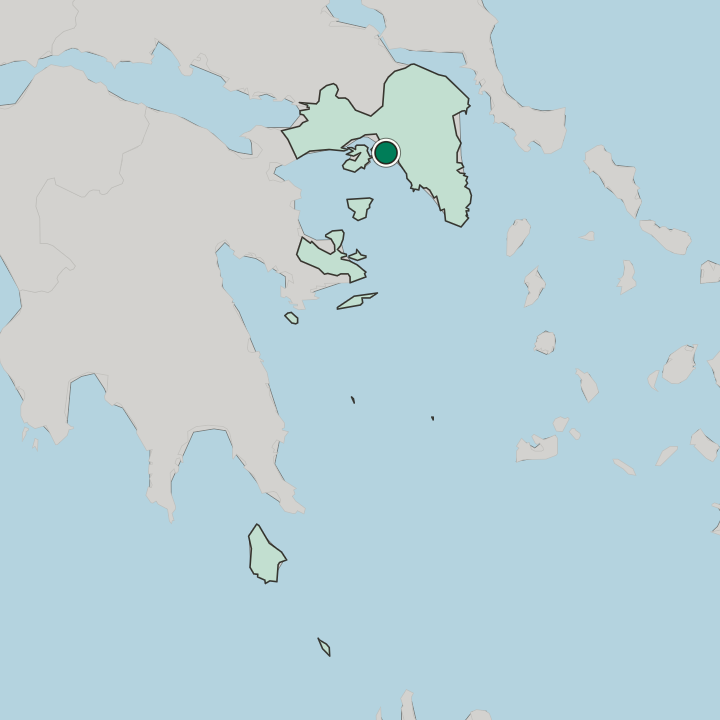
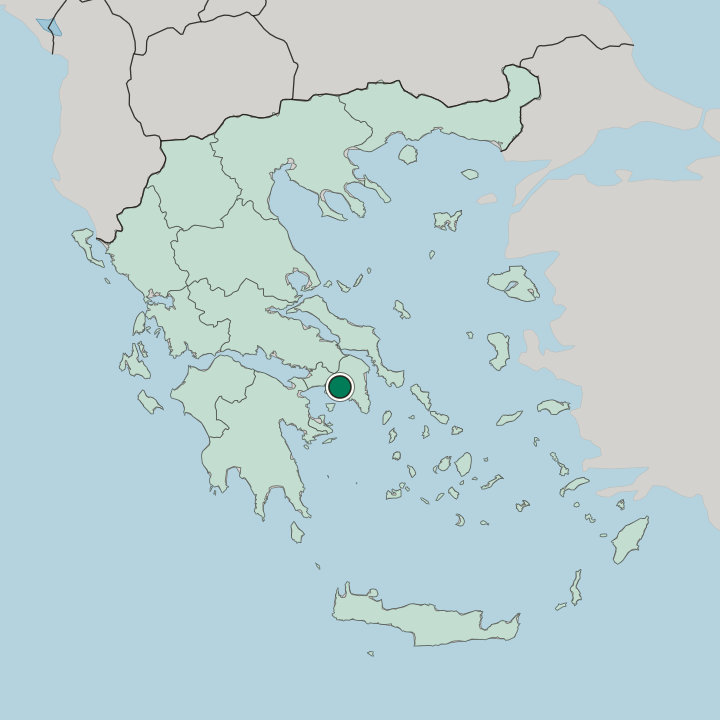
Six and a half square kilometres of streets. Níkaia occupies the southwestern part of the Athens urban area, packed tight against Agios Ioannis Rentis and the rest of the Piraeus agglomeration with no open ground between them. Attica frames all of it.
Siraggion and Saint John of Elaionas mark points in the same continuous fabric, and the harbour end of Piraeus is close enough that the town reads as an inland extension of it.
What is the climate of Níkaia?
The sea takes the edge off. Níkaia sits a short way inland from the Piraeus waterfront, close enough that the water moderates the extremes but far enough that summer afternoons run hotter than they do at the Hellenic Maritime Museum. Temperate rules apply.
Winters are the wetter half of the year in this part of Attica, and the northern hemisphere calendar puts the heat squarely in the middle months.
How do you get to Níkaia?
Rail is written into the district. The Electric Railways Museum of Piraeus and the Railway Museum of Athens both stand for the connections that tie this southwestern corner to the centre, and Níkaia sits inside that same network rather than at the end of any road out. Piraeus is the other door.
Arrivals by sea land at the harbour and cross the agglomeration inland, which puts the Nikaia Municipal Stadium and the town centre within a short run of the quays.
Common questions
What is the best area to stay in Níkaia?
Níkaia: Nights beside the Resistance museum of Nikaia. Piraeus harbour side: Sailings paired with the Hellenic Maritime Museum. Agios Ioannis Rentis: Stays split between Níkaia and the Railway Museum of Athens.
Good for
More cities in Attica
Updated October 2026