Greece · Attica
Where to Stay in Glyfáda, Attica
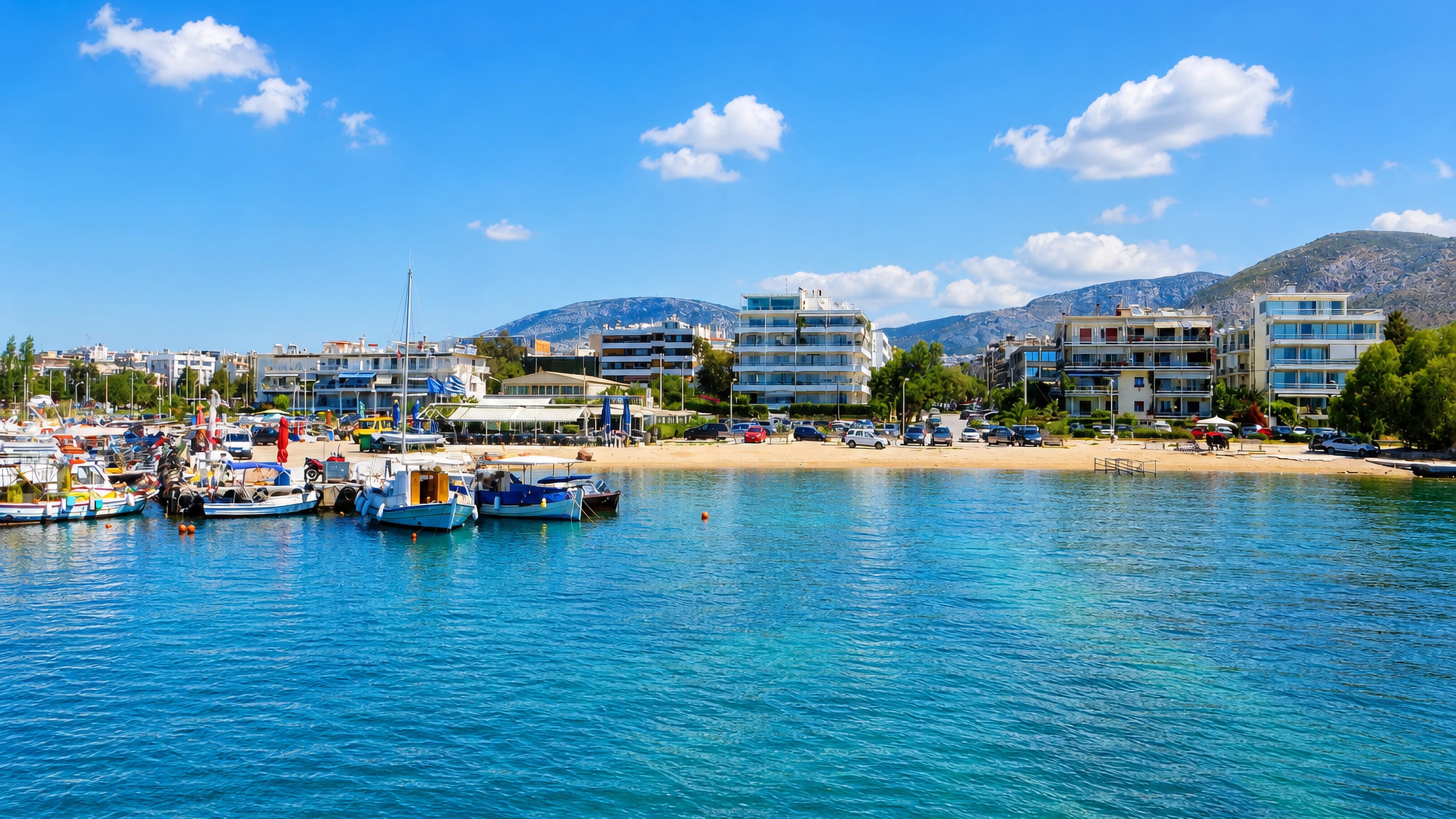
Glyfáda is a coastal suburb of Athens on the Athens Riviera, running from the foot of Hymettus down to the Saronic Gulf.
Hotel links are affiliate links: booking through them may earn us a commission, at no extra cost to you. It never affects how places are ranked. How this works


Where to stay in Glyfáda
Where visitors usually base themselves, and why.
The Cathedral of Glyfada sets the centre of gravity for a stay. Streets around it hold the densest run of rooms, tables and late bars in the suburb, and they leave both the Saronic Gulf shore and the routes back into the Athens urban area a short walk away. Everything here is flat.
A bed in these blocks trades quiet for convenience, and on a summer weekend the trade is real. Towards Agios Kosmas the character changes. The cape, the Olympic Sailing Centre and the Youth Athletic Center of Agios Kosmas give that end of the shoreline its open, sporting feel, and beds there suit anyone whose day begins on the water or on a court rather than at a table.
Nights run calmer. The walk back to the Cathedral of Glyfada takes longer than a map suggests, so people staying at this end tend to plan one trip in rather than several. Inland the ground tilts up.
Residential streets climbing towards Hymettus, above the Early Christian Basilica of Glyfada, exchange the sea for space and a long view down across the Athens Riviera, though rooms up there are scarce and rarely walkable to anything. Voula and Alimos absorb the overflow when the coast fills.
Find hotels in Glyfáda
Direct booking searches for these neighbourhoods.
Cathedral blocks
The cathedral quarter concentrates the eating and drinking of Glyfáda, with the Saronic Gulf shore a few minutes downhill.Find hotels in Cathedral blocksDays on the water at the Agios Kosmas Olympic Sailing CentreAgios Kosmas shore
The cape end of the coast, beside the Youth Athletic Center of Agios Kosmas and the sheltered sailing water.Find hotels in Agios Kosmas shoreQuiet nights above the Early Christian Basilica of GlyfadaHymettus slopes
Residential streets climbing towards Hymettus, with the Athens Riviera laid out below and little within walking distance. Rooms are few around here — worth securing early.Find hotels in Hymettus slopesHotel links are affiliate links: booking through them may earn us a commission, at no extra cost to you. It never affects how places are ranked. How this works
Things to do in Glyfáda
Ranked by global recognition; descriptions from Wikidata (CC0).
Churches & Religious Sites
2- Early Christian Basilica of Glyfada Heritage
- Cathedral of Glyfada
Castles & Historic Sites
3- Agios Kosmas cape Heritage
- Archaeological site of Asteria Glyfadas Heritage
- Hill of Agia Anna, Alimos Heritage
Stadiums & Sports
3- Agios Kosmas Olympic Sailing Centre
- Hellinikon Olympic Hockey Centre
- Hellinikon Fencing Hall
worth knowingacross 3 categories in Glyfáda
About Glyfáda
Sport, sea and Sunday crowds.
What is Glyfáda known for?
The shore at Agios Kosmas carries the Olympic Sailing Centre and the Youth Athletic Center of Agios Kosmas, while the Hellinikon Olympic Hockey Centre, the Hellinikon Fencing Hall and the Hellinikon Olympic Softball Stadium sit in the same belt of ground behind it. The Cathedral of Glyfada anchors the centre. Athenians treat this stretch of the Athens Riviera as their own beach, which is why the suburb fills from the city rather than from abroad.
What are the main landmarks in Glyfáda?
Agios Kosmas cape is the fixed point on the coast, with the Agios Kosmas Olympic Sailing Centre on its water and the Hellinikon Olympic Hockey Centre, the Hellinikon Fencing Hall and the Hellinikon Olympic Softball Stadium spread across the flat ground inland of it. Older layers surface between them. The Archaeological site of Asteria Glyfadas and the Early Christian Basilica of Glyfada mark the ancient and early Christian occupation of the same shoreline, and the Church of Agios Konstantinos and the Cathedral of Glyfada carry the parish life of the modern suburb.
Voula keeps the Memorial in Polytechnion Heroes Park.
What is the history of Glyfáda?
People have used this shore for a very long time. The Archaeological site of Asteria Glyfadas records occupation of the low headland beside the Saronic Gulf in antiquity, and the Early Christian Basilica of Glyfada shows the same ground still built on when the basilica plan replaced the temple plan. Continuity here is coastal.
Water, not the road inland to Athens, explains why settlement clung to this narrow strip below Hymettus rather than climbing the slope. For centuries the strip stayed thinly built. Growth arrived with the outward spread of the Athens urban area into the southern suburbs, which turned scattered coastal ground into a continuous frontage running through Alimos, Glyfáda and Voula.
Parish building followed the households: the Church of Agios Konstantinos and then the Cathedral of Glyfada gave the suburb its ecclesiastical centre, and the Hill of Agia Anna at Alimos and the Memorial in Polytechnion Heroes Park at Voula anchor the civic memory of the neighbouring districts. Sport rewrote the last chapter. Olympic construction put the Agios Kosmas Olympic Sailing Centre on the cape and set the Hellinikon Olympic Hockey Centre, the Hellinikon Fencing Hall and the Hellinikon Olympic Softball Stadium on the plain behind the beach, together with the Youth Athletic Center of Agios Kosmas.
That build fixed the modern shape of the coast. Glyfáda has been a sporting address since.
Where is Glyfáda?
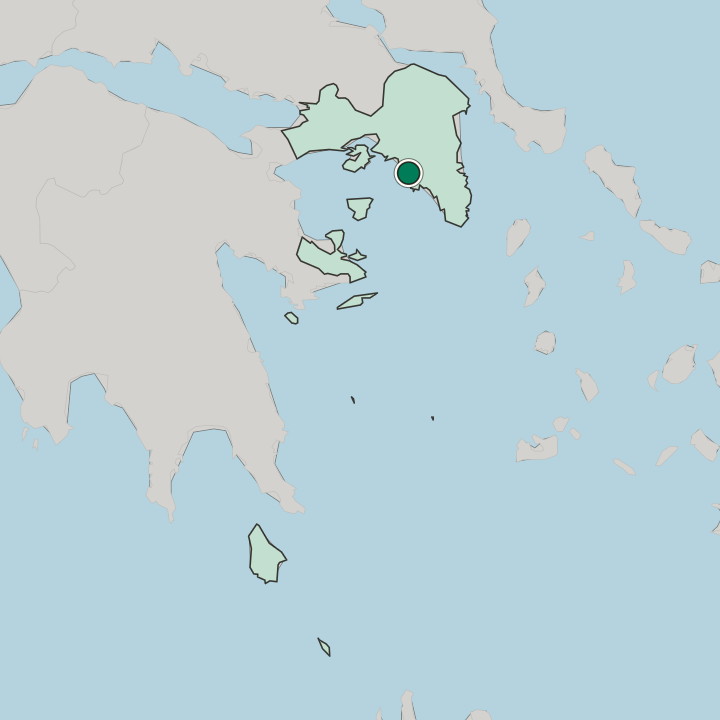
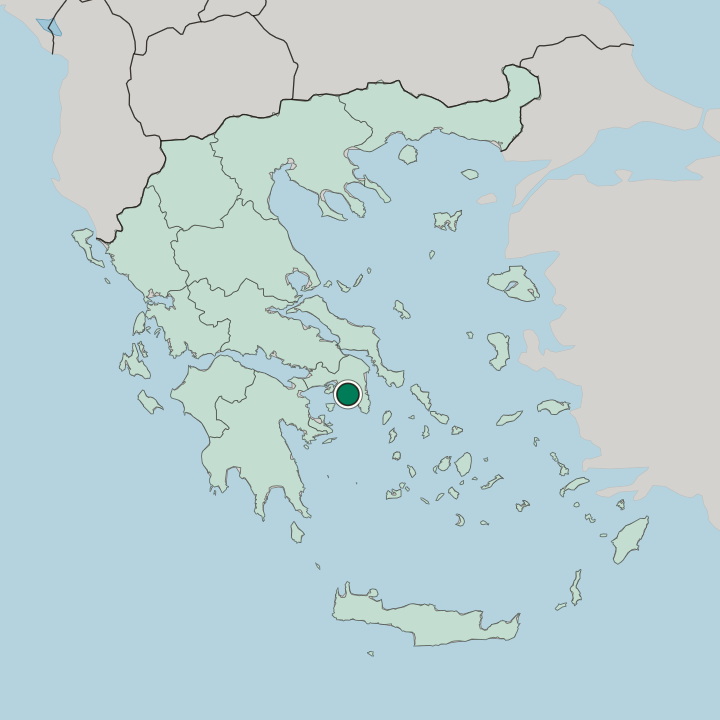
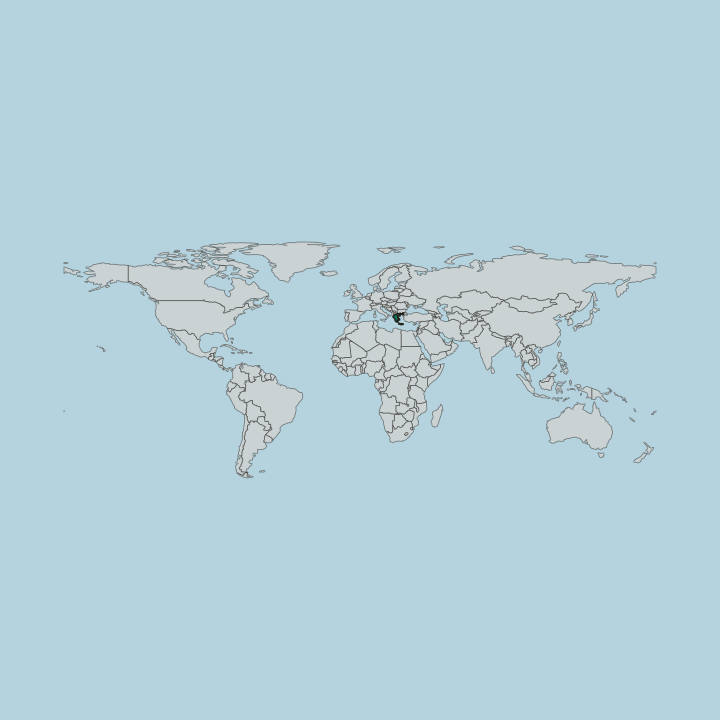
The suburb occupies the slope between two edges: the foot of Hymettus above and the water of the Saronic Gulf below, within the southern parts of the Athens urban area and the South Athens regional unit. Agios Kosmas cape pushes out into the gulf at one end. Alimos and Voula continue the same frontage.
Ground is compact, so the distance from the top of the built-up streets to the beach is a matter of minutes rather than an expedition.
What is the climate of Glyfáda?
The Saronic Gulf does the moderating. Sea air moving over the water keeps the temperate coastal strip a degree or two off whatever inland Athens is doing, and the bulk of Hymettus behind the suburb blocks part of the weather that comes across the plain. Evenings on the shore stay usable.
Summer heat is the season that shapes plans here, which is why the beach and the streets around the Cathedral of Glyfada refill after dark rather than at midday.
How do you get to Glyfáda?
Arriving means crossing Athens rather than travelling to a separate town, since Glyfáda lies inside the continuous built-up area and the coastal frontage links it directly with Alimos on one side and Voula on the other. The Athens Riviera strip carries the traffic. Agios Kosmas is the landmark drivers use.
Anyone heading for the Hellinikon venues or the sailing centre comes in along the same shoreline corridor, and the last stretch to the Saronic Gulf beaches is short enough to finish on foot.
Common questions
What is the best area to stay in Glyfáda?
Cathedral blocks: Walkable evenings around the Cathedral of Glyfada. Agios Kosmas shore: Days on the water at the Agios Kosmas Olympic Sailing Centre. Hymettus slopes: Quiet nights above the Early Christian Basilica of Glyfada.
Good for
More cities in Attica
Updated October 2026