Greece · Attica
Where to Stay in Maroúsi, Attica
Maroúsi, the ancient Athmonon, is a city of the northeastern Athens urban area, holding the Olympic pools and tennis courts of the capital.
Hotel links are affiliate links: booking through them may earn us a commission, at no extra cost to you. It never affects how places are ranked. How this works


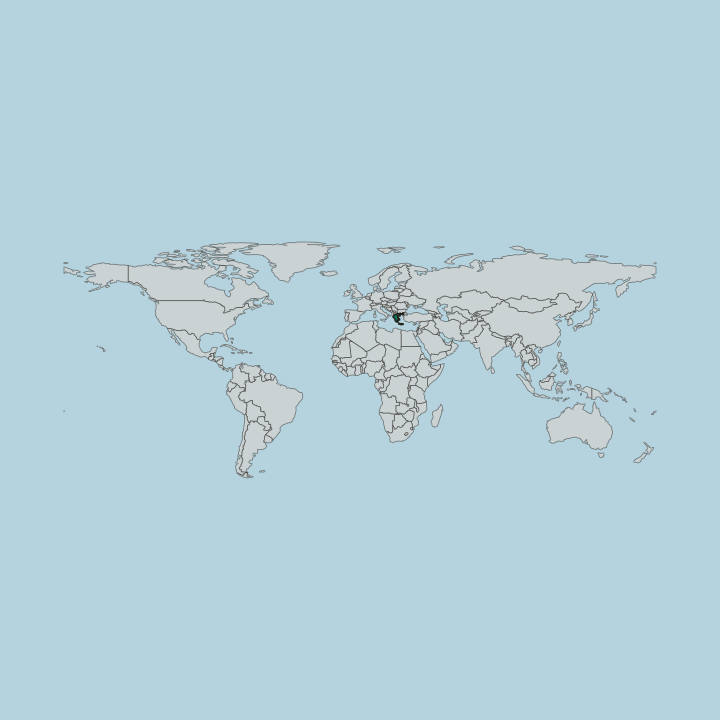
Where to stay in Maroúsi
The practical side of choosing where to sleep.
Two poles decide a stay here: the Olympic complex and the museum streets. Beds within reach of the Athens Olympic Aquatic Centre and the Athens Olympic Tennis Centre suit anyone in Maroúsi for a meet, a match or a conference, and they sit close to the Athens Olympic Museum for the hours between sessions. Sports traffic drives demand at those dates.
A fixture at either venue can take the surrounding rooms weeks ahead, so the calendar matters more here than the season does. Booking is the whole game. Older residential streets offer the alternative.
Rooms near the Goulandris Natural History Museum, the Drossinis Museum and the Spathario Museum give a slower version of the suburb, with the Omorfokklisia church and the Agia Philothei monastery within an ordinary walk, and evenings that belong to the neighbourhood rather than to visitors. Stock here is limited. What exists tends to be small, so a fixture at the Olympic venues can empty it entirely.
Beyond the municipal edge the choice widens. Kifissia keeps the villa quarter around the Sikelianos house and the Kifisia Roman Grave Monument, while Chalandri holds its own centre by the statue of Kolokotronis and the church of Agios Nikolaos, and either is close enough to serve as a fallback without giving up the northeastern side of the Athens urban area. Kalogreza lies on the other flank, by the Agia Filothei church.
Find hotels in Maroúsi
Direct booking searches for these neighbourhoods.
Olympic complex side
The quarter built around the Olympic venues of Maroúsi, with the Athens Olympic Museum in walking range.Find hotels in Olympic complex sideSlow days between the Goulandris and Spathario collectionsMuseum streets
Residential blocks near the Drossinis Museum, with Omorfokklisia and the Agia Philothei monastery a short walk off. Lodging is scarce in this area; reserve in advance.Find hotels in Museum streetsFallback beds by the statue of Kolokotronis or the Sikelianos houseKifissia and Chalandri
Neighbouring centres with their own villa quarters, from the Kifisia Roman Grave Monument to the church of Agios Nikolaos.Find hotels in Kifissia and ChalandriHotel links are affiliate links: booking through them may earn us a commission, at no extra cost to you. It never affects how places are ranked. How this works
Things to do in Maroúsi
Ranked by global recognition; descriptions from Wikidata (CC0).
Museums & Galleries
3- Deste Foundation
- Spathario Museum
- Yannis Tsarouchis Foundation
Churches & Religious Sites
3- Omorfokklisia Heritage
- Agia Filothei church (Kalogreza) Heritage
- Church of Agios Georgios, Kalogreza Heritage
Castles & Historic Sites
1- Kifisia Roman Grave Monument Heritage
Stadiums & Sports
2- Athens Olympic Aquatic Centre
- Athens Olympic Tennis Centre
Landmarks & Notable Places
3- Kotsikas house
- Perrakis house
- Sikelianos house, Kifissia
worth knowingacross 5 categories in Maroúsi
About Maroúsi
Swimming, tennis and museums.
What is Maroúsi known for?
The Athens Olympic Aquatic Centre and the Athens Olympic Tennis Centre put the sporting weight of the capital in this suburb, and the Athens Olympic Museum keeps the record of those games in the same quarter. Culture answers the sport. The Goulandris Natural History Museum, the Deste Foundation, the Spathario Museum and the Yannis Tsarouchis Foundation give Maroúsi a density of collections unusual for a place outside the historic centre of Athens.
What are the main landmarks in Maroúsi?
Omorfokklisia is the oldest thing standing. Around it the suburb has accumulated an unusual spread of small institutions, from the Goulandris Natural History Museum and the Drossinis Museum to the Deste Foundation, the Mihalarias Art Center and the Emphietsoglou Gallery Museum. Churches hold the older ground: the Agia Philothei monastery, the Church of Agios Georgios at Kalogreza, and the Ιερά Μονή Αγίας Ειρήνης Χρυσοβαλάντου.
The Olympic venues supply the modern scale. Kifissia keeps the Kifisia Roman Grave Monument.
What is the history of Maroúsi?
The name carries the oldest fact about the place. Maroúsi goes back to the ancient Athenian republic as Athmonon, one of the ten sub-cities of Athens, and its main temple was given to Amarysia Artemis, goddess of the hunt, whose cult travelled here from Amarynthos in Euboea. Amarysia became Amarousio.
The modern form of the name is a worn-down version of the goddess who was worshipped on this ground before any of the surrounding city existed. Christian building replaced the temple economy. Omorfokklisia, the Agia Philothei monastery, the Church of Agios Georgios at Kalogreza and the Agia Filothei church mark centuries in which this was farmland with churches rather than a suburb, while the Kifisia Roman Grave Monument nearby records the villa country that preceded them.
Athens was still a walk away. Wealthier households of the nineteenth and twentieth centuries later built out this side of the plain, leaving the Sikelianos house at Kifissia, the Kotsikas house and the Perrakis house among the streets. Sport rewrote the last stretch.
Olympic construction dropped the Athens Olympic Aquatic Centre and the Athens Olympic Tennis Centre onto the northeastern edge of the urban area, and the Athens Olympic Museum followed to hold the record of it. Collections arrived with the money: the Goulandris Natural History Museum, the Deste Foundation, the Spathario Museum, the Emphietsoglou Gallery Museum and the Yannis Tsarouchis Foundation all sit within the same municipality. Athmonon is now a city of Athens.
Where is Maroúsi?
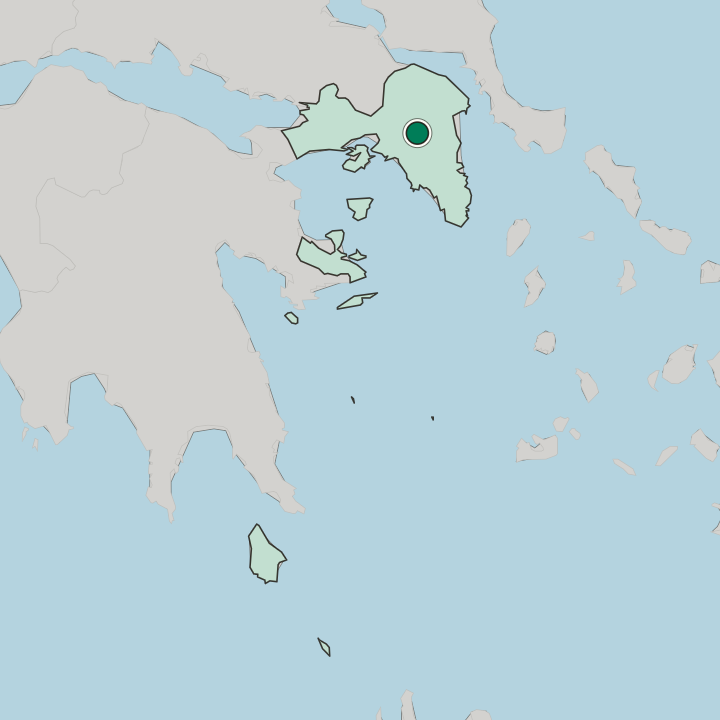
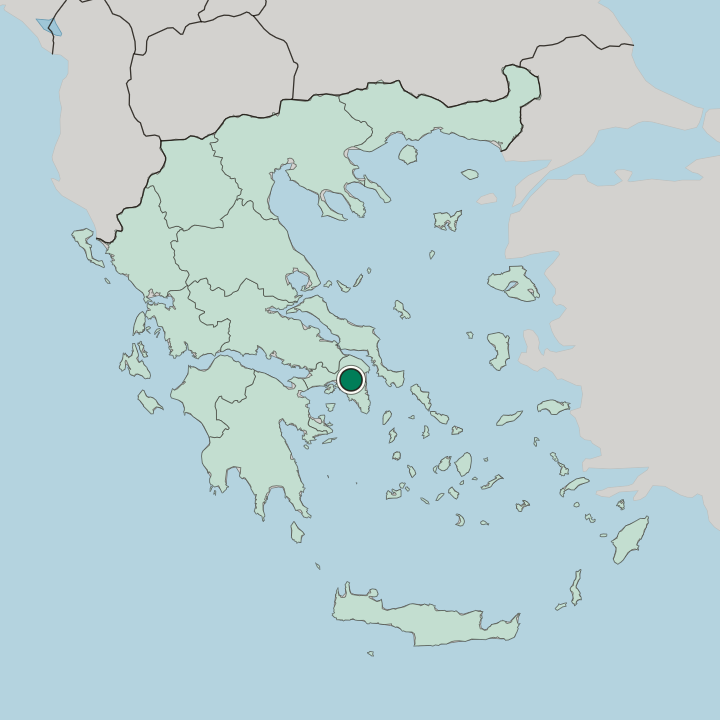
Maroúsi covers the northeastern part of the Athens urban area, a municipality of roughly thirteen square kilometres with Kifissia on one side, Chalandri on another and Kalogreza on a third, all of them fused into the same continuous built-up plain. Open ground is rare. What survives of it lies around the churchyards and the grounds of the Olympic venues, which between them account for most of the unbuilt surface inside the boundary.
Attica frames the whole.
What is the climate of Maroúsi?
Summer heat gathers over the plain of Athens and drains slowly out of the northeastern suburbs, so afternoons in Maroúsi run hot enough that the Athens Olympic Aquatic Centre and the shaded museum courtyards do a fair share of the season's business. Mornings are the working hours. Winter in this temperate belt stays mild and short, with rain rather than snow, and the Omorfokklisia churchyard is as green in February as anything else in the municipality.
Evenings cool late.
How do you get to Maroúsi?
The Olympic complex is the landmark everything is measured from. Anyone coming out of central Athens crosses a continuous suburban fabric to reach Maroúsi, passing Chalandri or Kalogreza on the way in, and the run continues out to Kifissia beyond it without a break in the streets. Signs point to the venues first.
Journeys within the municipality are short enough to walk, though the distance between the Athens Olympic Tennis Centre and the museum quarter is a genuine walk rather than a stroll.
Common questions
What is the best area to stay in Maroúsi?
Olympic complex side: Meets at the Athens Olympic Aquatic Centre and Tennis Centre. Museum streets: Slow days between the Goulandris and Spathario collections. Kifissia and Chalandri: Fallback beds by the statue of Kolokotronis or the Sikelianos house.
Good for
More cities in Attica
Updated September 2026