Indonesia
West Nusa Tenggara, Indonesia — Towns & Travel Guide
West Nusa Tenggara is the Indonesian province of Lombok and Sumbawa, two islands of the Lesser Sunda chain crowned by the volcano Mount Rinjani.
Hotel links are affiliate links: booking through them may earn us a commission, at no extra cost to you. It never affects how places are ranked. How this works


Towns & cities in West Nusa Tenggara
Pick a town or city — each links to where to stay.

 Indonesia
Mataram
Mataram is the capital of West Nusa Tenggara and the largest city on Lombok, ringed on its landward sides by West Lombok Regency.Where to stay →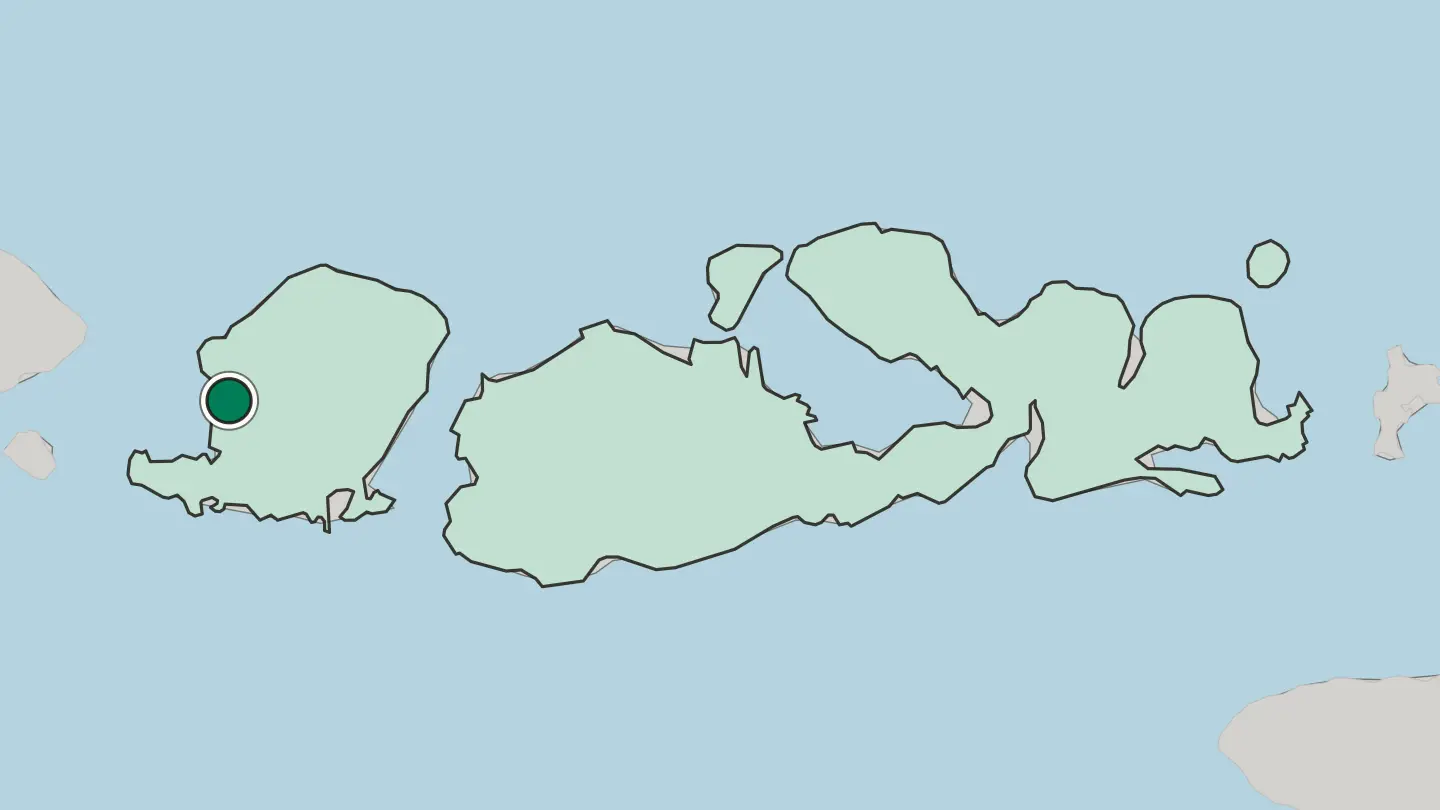
 Indonesia
Bima
Kota Bima, once the seat of the Bima Sultanate, is the largest city on Sumbawa and holds Asi Mbojo among its named buildings.Where to stay →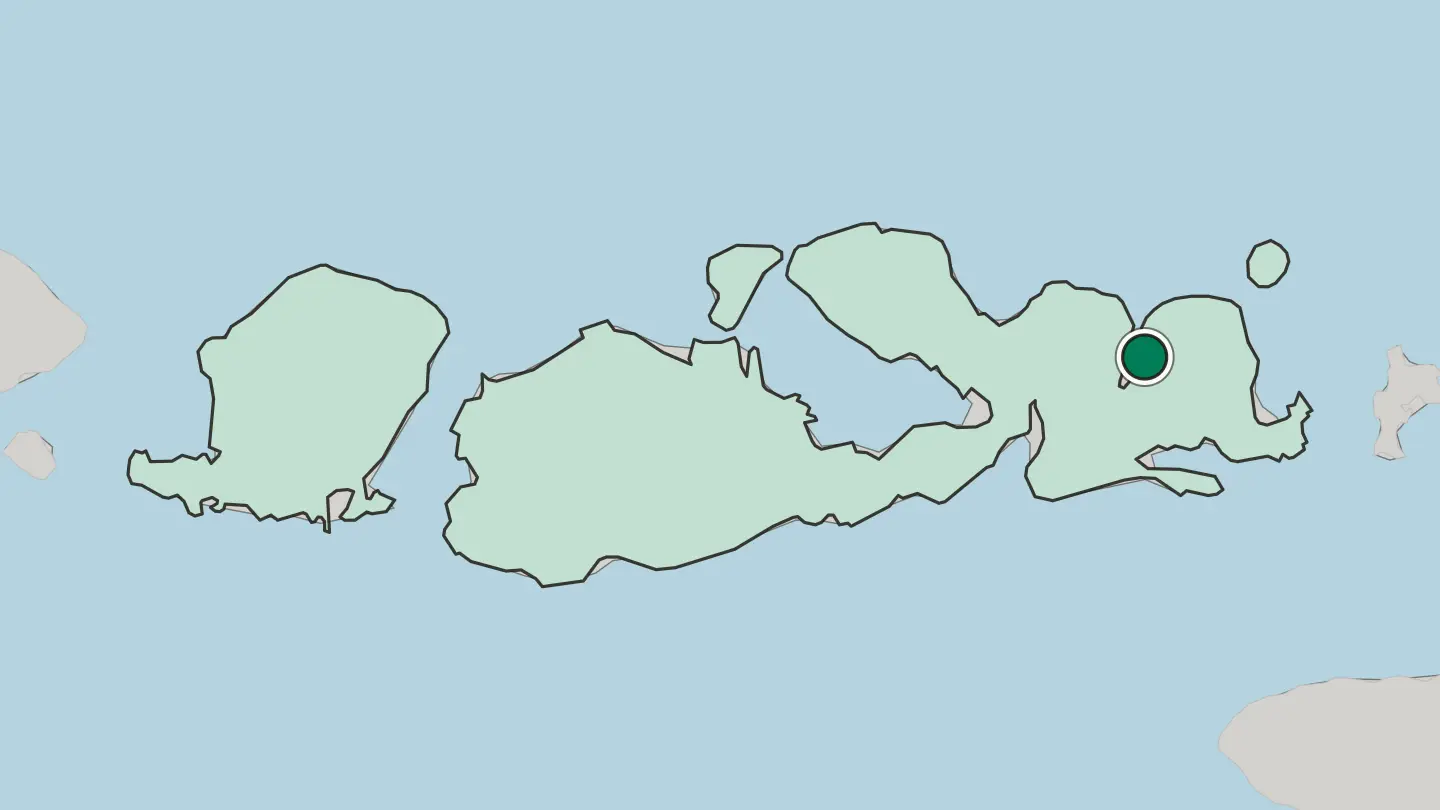
Hotel links are affiliate links: booking through them may earn us a commission, at no extra cost to you. It never affects how places are ranked. How this works
About West Nusa Tenggara
What is West Nusa Tenggara known for?
Two islands carry the province, and a volcano crowns each of them. Lombok, the smaller and more crowded, draws almost every visitor with Mount Rinjani, the reef-fringed Gili Islands off its north-west corner, and the surf beaches around Kuta on its south coast. Sumbawa is bigger and drier.
Its own mountain, Mount Tambora, blew apart in the most violent eruption ever recorded. Mataram, on Lombok, is where most trips begin.
Where is West Nusa Tenggara?
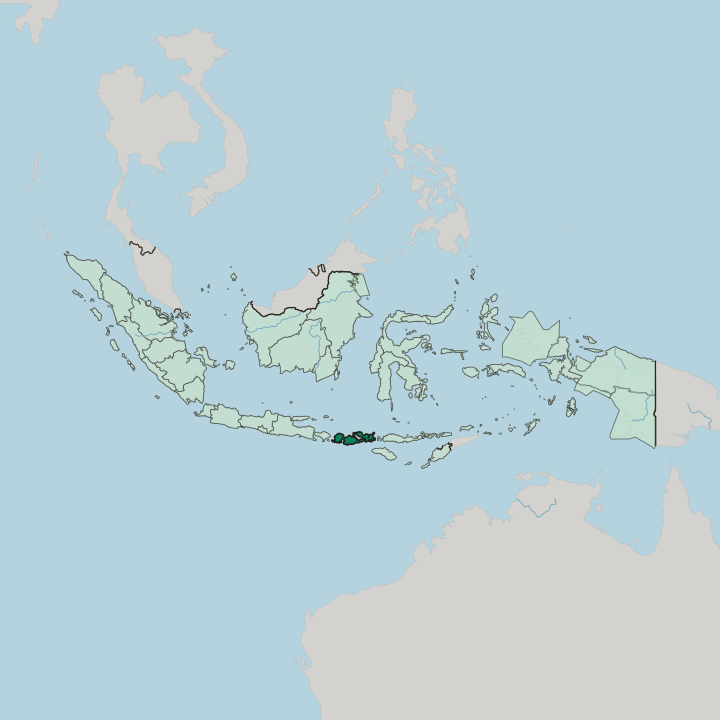
West Nusa Tenggara takes the western part of the Lesser Sunda Islands, the volcanic chain that runs east from Bali toward Timor. The province sits between two others: Bali across the strait to the west, and East Nusa Tenggara to the east. It has two main islands.
Lombok lies in the west, Sumbawa in the east, and the narrow Alas Strait runs between them. Lombok holds most of the people; Sumbawa is far larger and thinly settled. The Indian Ocean breaks along the southern shores, and the Flores Sea lies to the north.
Lombok's centre climbs to Mount Rinjani, the second-highest volcano in Indonesia, cupping the crater lake Segara Anak inside its caldera. Sumbawa is drier and more broken, its coast bitten deep by Saleh Bay and Cempi Bay, and crowned by Mount Tambora on the Sanggar peninsula. Three small islands, the Gili Islands, ride the reefs off Lombok's north-west tip.
One boundary matters more than any border here. The Wallace Line threads the strait just west of Lombok, splitting the Asian wildlife of Bali from the Australasian species that begin in West Nusa Tenggara. Mataram, the capital, stands on Lombok's western side.
What is West Nusa Tenggara like?
The Sasak give Lombok its character. They are the island's indigenous people, mostly Muslim, and Lombok is sometimes called the Island of a Thousand Mosques for the minarets that stud its villages. Their crafts still run in named places.
Sukarara weaves the gold-threaded songket cloth, while the potters of Banyumulek and Penujak turn earthenware on foot-driven wheels. In thatched hamlets like Sade and Ende, houses are still floored with a paste of clay and buffalo dung. Once a year the coast near Kuta fills for Bau Nyale, when crowds wade out to catch the sea worms tied to the legend of Princess Mandalika.
Sumbawa answers with two peoples of its own. The Samawa hold the west around Sumbawa Besar, the Mbojo the east around Bima, once a Muslim sultanate whose palace still stands. Horses matter here.
Villages race bareback jockeys and buffalo across the rice flats, and prize wild mare's milk. West Lombok keeps a Balinese thread too, left by the Karangasem kings who ruled it before the Dutch, and the Pura Meru temple and Mayura water palace still stand at Cakranegara in Mataram. Spice ties the whole province together, from the chilli-hot ayam taliwang to the fiery greens of plecing kangkung.
What is the history of West Nusa Tenggara?
Majapahit, the Javanese empire, drew Lombok and Sumbawa into its orbit in the 14th century, and Hindu courts rose here before Islam spread inland from the coast. Balinese kings of Karangasem later ruled western Lombok, until the Dutch stormed their capital at Cakranegara in 1894. One event outweighs all the rest.
In 1815 Mount Tambora erupted on Sumbawa, the deadliest blast in recorded history, and its ash chilled the whole planet into the year without a summer. The two islands were joined as a single Indonesian province in 1958.
What is the climate of West Nusa Tenggara?
Two seasons split the year, not four. A dry spell holds from about April to October, then the north-west monsoon brings the rains from November into March. East runs drier than west.
Sumbawa and the far east of the province fade to open savanna, while Lombok stays greener under Mount Rinjani's rain-shadowed slopes. Climbers take the volcano and divers take the Gili Islands in the dry months, when the trekking routes stand open.
How do you get to West Nusa Tenggara?
Almost every arrival lands on Lombok. The island's airport sits near Praya in the south, with flights from Jakarta, Surabaya and Bali, plus a few international hops from Singapore and Kuala Lumpur. Fast boats are the other way in, skimming across from Bali's east coast to the Gili Islands and Lombok's beaches.
Sumbawa lies further out. A car ferry crosses the Alas Strait from Labuhan Lombok to Poto Tano, and small planes reach Sumbawa Besar and Bima.
Common questions
What is the best area to stay in West Nusa Tenggara?
Senggigi: a first base on Lombok. The Gili Islands: car-free reef islands. Kuta, Lombok: Lombok's south-coast surf. Sumbawa: quiet eastern Sumbawa.
Good for
More regions in Indonesia
Updated September 2026