Italy · Emilia-Romagna
Where to Stay in Carpi, Emilia-Romagna
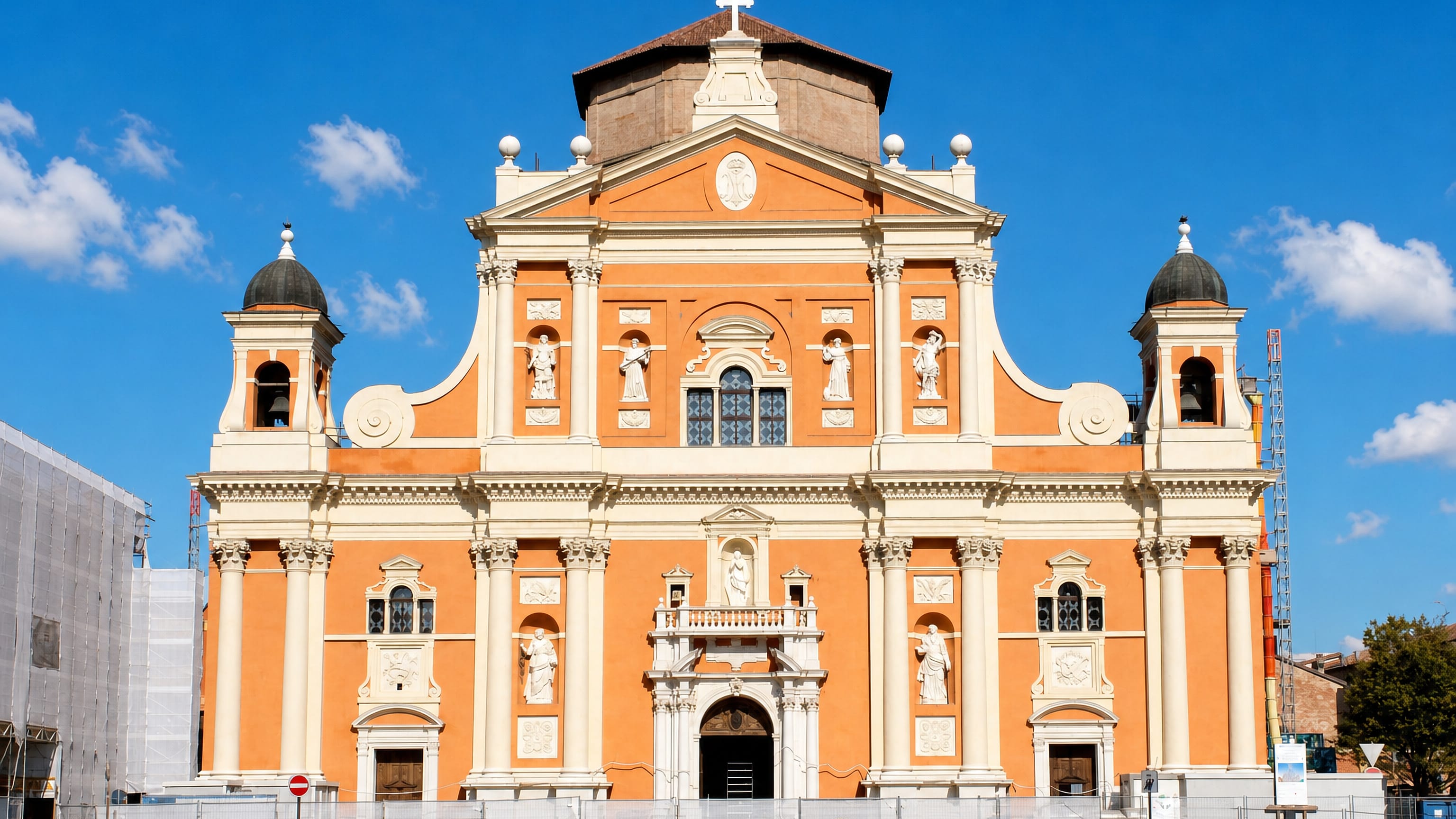
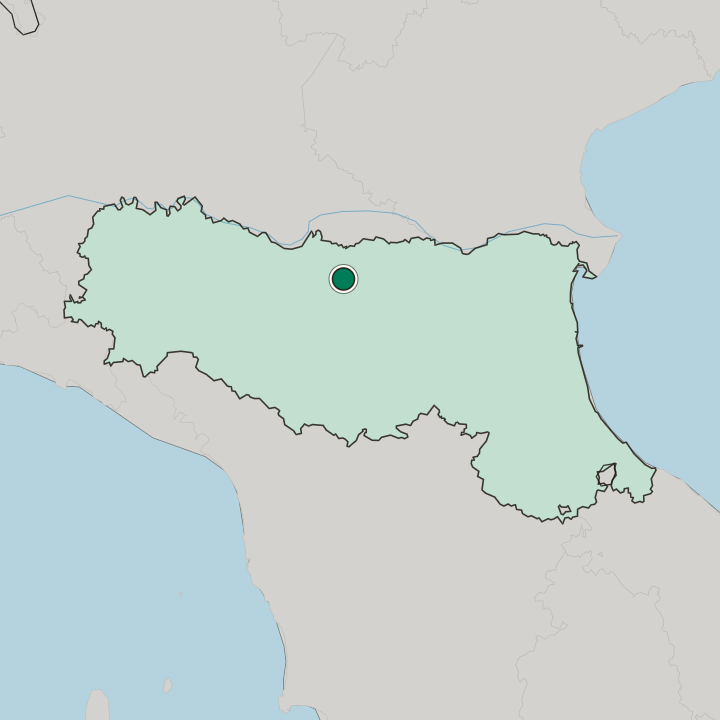
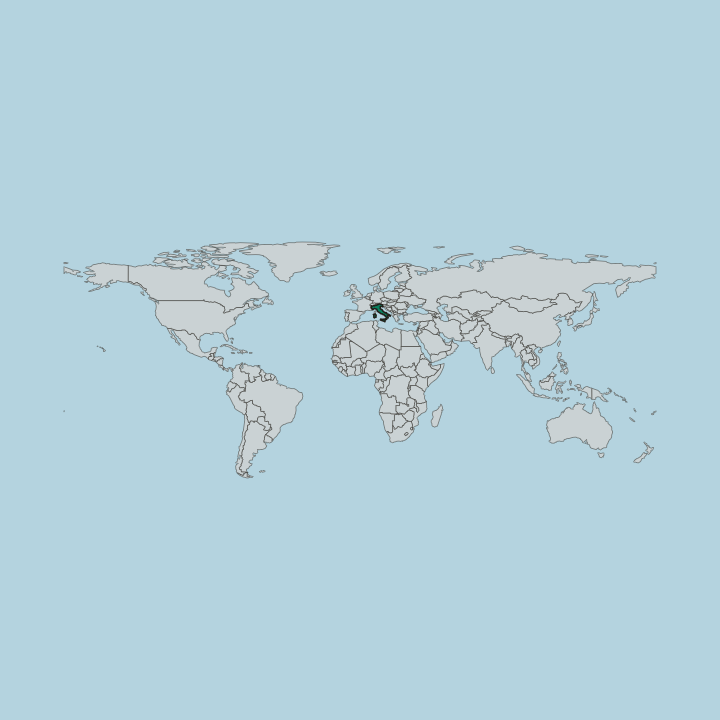
Carpi stands in the Po valley 20 km north of Modena, its centre gathered around the Castello dei Pio and Carpi Cathedral.
Hotel links are affiliate links: booking through them may earn us a commission, at no extra cost to you. It never affects how places are ranked. How this works


Where to stay in Carpi
Where the beds are, and what that means for the visit.
Most beds sit near the Castello dei Pio. The old centre is small enough to cross on foot, and a room by the castle puts Carpi Cathedral, the Diocesan Museum of Carpi and the churches of San Nicolò and Sant'Agata within a few minutes' walk. Palazzo Foresti stands on the same circuit.
That is the base for a first visit to the town. The memorial deserves its own half-day. The Museo Monumento al Deportato politico e razziale records the deportation of political and racial prisoners, and a visit to it sets a different tone from an afternoon of palazzi and parish churches.
Give it time. Rooms in the streets around Santa Chiara and the Chiesa dell'Invenzione della Santa Croce keep a visitor close to both sides of the town. Modena is 20 km away.
Anyone who wants a bigger choice of rooms can stay in the provincial capital and come up to Carpi for the day, which works because the two sit on the same flat ground of the Po valley. The Auditorium San Rocco is the town's concert address. Palazzo Gibertoni and Palazzo Armagni are among the private houses on the list.
Carpi keeps its own evenings.
Find hotels in Carpi
Direct booking searches for these neighbourhoods.
The streets by the Castello dei Pio
The Castello dei Pio, Palazzo Foresti and San Nicolò stand within the same few streets of the old centre.Find hotels in The streets by the Castello dei Piotravellers coming for the deportation memorialNear the Museo Monumento al Deportato politico e razziale
The Museo Monumento al Deportato politico e razziale asks for a morning that the palazzi and parish churches do not. Beds are limited here, so book early.Find hotels in Near the Museo Monumento al Deportato politico e razzialea wider choice of rooms with Carpi kept as a day outModena, 20 km from Carpi
The provincial capital lies 20 km from Carpi across the same flat ground of the Po valley.Find hotels in Modena, 20 km from CarpiHotel links are affiliate links: booking through them may earn us a commission, at no extra cost to you. It never affects how places are ranked. How this works
Things to do in Carpi
Ranked by global recognition; descriptions from Wikidata (CC0).
Museums & Galleries
1- Museo Monumento al Deportato politico e razziale Heritage
Churches & Religious Sites
8- Carpi Cathedral Heritage
- Santa Maria in Castello, Carpi Heritage
- Chiesa di San Bernardino da Siena Heritage
- San Nicolò Heritage
- Chiesa dell'Invenzione della Santa Croce Heritage
Show 3 more →
- San Francesco Heritage
- Santuario del Crocifisso Heritage
- Auditorium San Rocco Heritage
Castles & Historic Sites
2- Castello dei Pio Heritage
- Palazzo Foresti Heritage
Landmarks & Notable Places
6- Casa Barzelli Lancellotti Heritage
- Casa con portico Heritage
- Negozio Heritage
- Palazzo Armagni Heritage
- Palazzo Franciosi-Benassi Heritage
Show 1 more →
- Palazzo Gibertoni Heritage
worth knowingacross 4 categories in Carpi
About Carpi
Churches, and a castle among them.
What is Carpi known for?
The Castello dei Pio anchors the old centre, Carpi Cathedral serves as the principal church, and Santa Maria in Castello, San Nicolò and the Chiesa di San Bernardino da Siena add to a stock of religious buildings unusual for a comune of this size. Work explains the rest. Industry and craft trades run through Carpi, and the commercial exchanges that come with them are what the town is known for outside the province of Modena.
What are the main landmarks in Carpi?
The Castello dei Pio dominates. Carpi Cathedral, Santa Maria in Castello and the Diocesan Museum of Carpi form the ecclesiastical core, while San Francesco, Santa Chiara, San Nicolò, the Chiesa di San Biagio and the Chiesa di Sant'Agata spread the parish work across the comune. Palazzo Foresti, Palazzo Gibertoni, Palazzo Franciosi-Benassi and Palazzo Armagni hold the secular side, four private houses on a list otherwise given over to churches.
The Museo Monumento al Deportato politico e razziale is the heaviest of them. Sant'Ignazio di Loyola and the Santuario del Crocifisso close the list.
What is the history of Carpi?
The Pio gave the castle its name. The Castello dei Pio stands at the centre of Carpi, and Santa Maria in Castello carries the same word in its title, which places the older core of the town on the ground the castle held. A diocese followed.
Carpi Cathedral and the Diocesan Museum of Carpi belong to that institution, and the number of churches on the record, San Nicolò, San Francesco, Santa Chiara, San Biagio, Sant'Agata, San Bernardino da Siena, shows how much of the town's building went into worship. Religious orders left their own buildings. The Chiesa di Santa Chiara e convento delle Clarisse pairs a church with a convent, the chiesa di Sant'Ignazio di Loyola carries a saint's dedication, and the Chiesa dell'Invenzione della Santa Croce and the Santuario del Crocifisso add two more foundations to the count.
Merchants built too. Palazzo Foresti, Palazzo Gibertoni, Palazzo Franciosi-Benassi, Palazzo Armagni, Casa Barzelli Lancellotti and a house recorded simply as Casa con portico are the domestic half of the inventory. One museum stands apart.
The Museo Monumento al Deportato politico e razziale commemorates those deported for political reasons and for reasons of race, and it is the building in Carpi that fixes the town in a wider and more painful history. Work carried the town forward. Industrial and craft activity, together with the commercial and cultural exchanges that come with it, gave Carpi a role in the province of Modena beyond its size.
Emilia-Romagna is the region around it.
Where is Carpi?
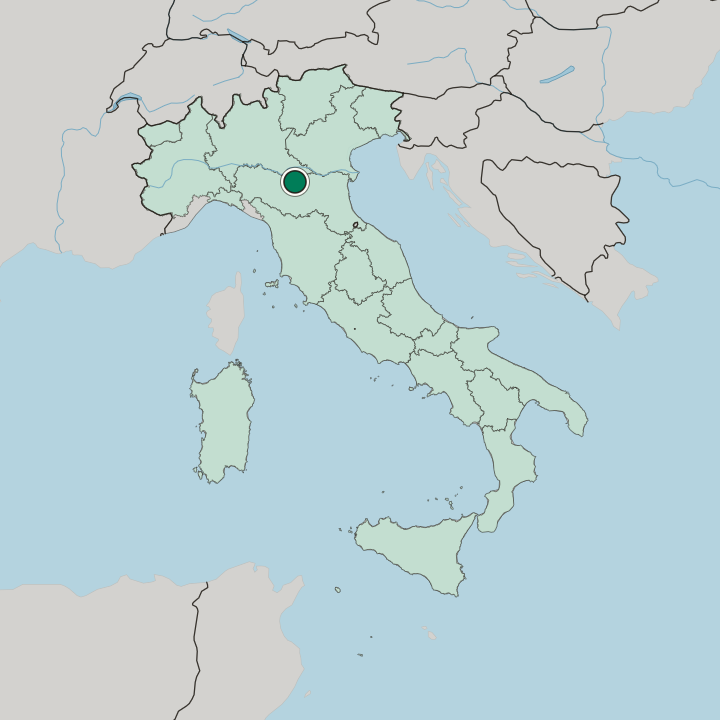
Flat ground all around. Carpi lies in the Po valley 20 km north of Modena, the provincial capital, on the kind of level agricultural plain that lets a comune spread over a wide territory without meeting a hill. Emilia-Romagna is the region.
The Castello dei Pio and Carpi Cathedral mark the middle of that spread, while the Oratorio di San Vincenzo di Villa Carolina carries the name of a locality of its own.
What is the climate of Carpi?
The Po valley makes the weather. Level ground with no relief to stir the air gives Carpi the temperate extremes of the plain, with heat standing over the fields through the summer and cold settling in with nothing coastal to soften it. Still air is the valley's habit.
Crossing the old centre between Carpi Cathedral and the Castello dei Pio takes minutes in any season, which is the compensation a small centre offers.
How do you get to Carpi?
Modena is the way in. The provincial capital lies 20 km from Carpi, and arrivals into the province of Modena continue north across the Po valley to reach the town, which sits on flat ground the whole way. Emilia-Romagna surrounds all of it.
Once in Carpi, the Castello dei Pio, Carpi Cathedral and the Auditorium San Rocco are all inside the same walkable centre, so a car can be left where it stops.
Common questions
What is the best area to stay in Carpi?
The streets by the Castello dei Pio: walking to Carpi Cathedral and the Diocesan Museum of Carpi. Near the Museo Monumento al Deportato politico e razziale: travellers coming for the deportation memorial. Modena, 20 km from Carpi: a wider choice of rooms with Carpi kept as a day out.
Good for
More cities in Emilia-Romagna
Updated October 2026