Italy · Emilia-Romagna
Where to Stay in Ravenna, Emilia-Romagna
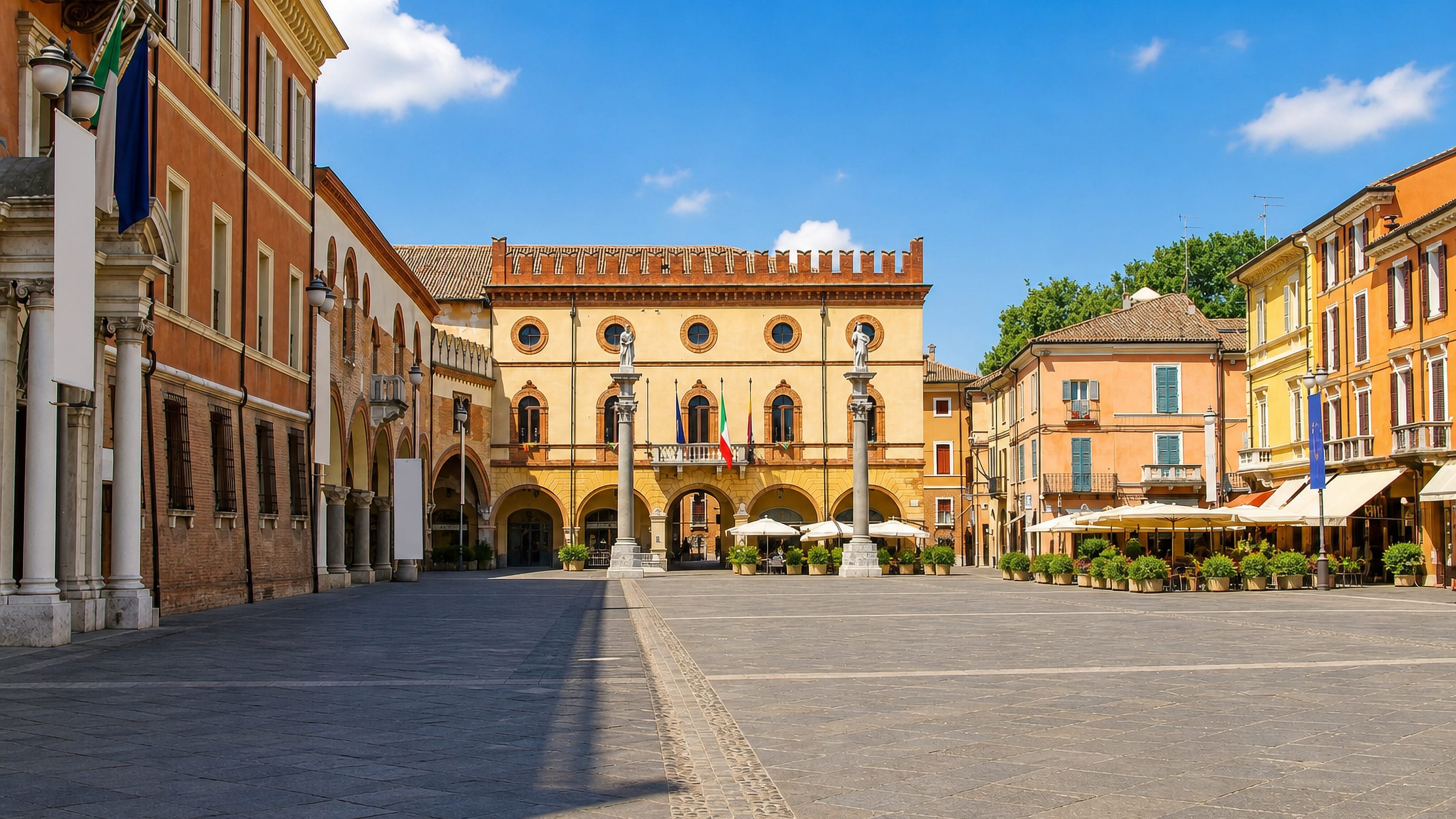
Ravenna was an imperial capital. The Basilica of San Vitale, the Mausoleum of Theodoric and Sant'Apollinare Nuovo remain from those centuries.
Hotel links are affiliate links: booking through them may earn us a commission, at no extra cost to you. It never affects how places are ranked. How this works


Where to stay in Ravenna
Where visitors usually base themselves, and why.
The monuments decide it. A room within walking distance of the Basilica of San Vitale, the Arian Baptistry and the Basilica di San Francesco removes the only real difficulty of a Ravenna visit, which is that the sites are best taken several in a morning. The Mausoleum of Theodoric belongs on the same list.
So does the Palace of Theodoric in Ravenna, and a stay in the centre keeps both of them, plus San Giovanni Evangelista and Santa Maria in Porto Basilica, inside a day that never needs a timetable. The comune is enormous. Beds outside the built-up centre put a drive between the room and the basilicas, which is a fair trade only when Civitas Classis or the country of the Province of Ravenna is the point of the trip.
Two museums argue for the middle. The National Museum of Ravenna and the Archiepiscopal Museum of Ravenna sit among the same streets as the churches, and the Biblioteca comunale Classense adds a reading room to them. If you want the Domus dei Tappeti di Pietra and the Basilica of Sant'Apollinare Nuovo on the same afternoon, the centre is the only base that makes sense.
Find hotels in Ravenna
Direct booking searches for these neighbourhoods.
The centre around the Basilica of San Vitale
San Vitale, the Arian Baptistry and the Basilica di San Francesco stand close together here, so a stay in these streets needs nothing between them but a walk.Find hotels in The centre around the Basilica of San Vitalethe two Theodoric monuments taken first thingNear the Mausoleum of Theodoric
The mausoleum and the Palace of Theodoric in Ravenna carry the same name, and a room on this side puts both at the start of the day rather than the end of it.Find hotels in Near the Mausoleum of Theodoricthe open country of the Province of Ravenna at the doorOut in the wider comune, toward Civitas Classis
Ravenna's comune is the second largest in Italy by area, and Civitas Classis lies inside it, so a stay out here trades walking distance for space.Find hotels in Out in the wider comune, toward Civitas ClassisHotel links are affiliate links: booking through them may earn us a commission, at no extra cost to you. It never affects how places are ranked. How this works
Things to do in Ravenna
Ranked by global recognition; descriptions from Wikidata (CC0).
Museums & Galleries
4- Civitas Classis Heritage
- Archiepiscopal Museum of Ravenna Heritage
- Domus dei Tappeti di Pietra Heritage
- National Museum of Ravenna Heritage
Churches & Religious Sites
8- Basilica of San Vitale Heritage
- Basilica of Sant'Apollinare Nuovo Heritage
- Arian Baptistry Heritage
- Basilica di San Francesco Heritage
- San Giovanni Evangelista, Ravenna Heritage
Show 3 more →
- Santa Maria in Porto Basilica Heritage
- Spirito Santo Heritage
- church of Saint-Croce Heritage
Castles & Historic Sites
2- Palace of Theodoric in Ravenna Heritage
- Brancaleone Fortress Heritage
worth knowingacross 3 categories in Ravenna
About Ravenna
Late antiquity is the draw.
What is Ravenna known for?
The Basilica of San Vitale, the Basilica of Sant'Apollinare Nuovo and the Arian Baptistry survive from the centuries when the city was capital of the Western Roman Empire, then of the Ostrogothic Kingdom and the Byzantine Exarchate of Ravenna. Floors matter as much as walls. The Domus dei Tappeti di Pietra takes its name from stone laid like carpets, and the Archiepiscopal Museum of Ravenna and the National Museum of Ravenna hold what has come indoors.
What are the main landmarks in Ravenna?
San Vitale sets the standard. The Basilica of Sant'Apollinare Nuovo, the Arian Baptistry, San Giovanni Evangelista and the Basilica di San Francesco continue it, and the Mausoleum of Theodoric and the Palace of Theodoric in Ravenna attach a ruler's name to two more. Floors count too.
The Domus dei Tappeti di Pietra shows stone laid like carpets, while the National Museum of Ravenna, the Archiepiscopal Museum of Ravenna and the Biblioteca comunale Classense hold the movable record and the Brancaleone Fortress guards a later corner.
What is the history of Ravenna?
The fifth century made Ravenna a capital. It held that role for the Western Roman Empire until the collapse of 476, and the title passed afterwards to the Ostrogothic Kingdom and then to the Byzantine Exarchate of Ravenna, so three separate states governed from the same streets. Two monuments carry Theodoric's name.
The Mausoleum of Theodoric and the Palace of Theodoric in Ravenna belong to the Ostrogothic stretch of that sequence, while the Arian Baptistry carries the name of the confession that built it. Churches did the rest of the building. The Basilica of San Vitale, the Basilica of Sant'Apollinare Nuovo, San Giovanni Evangelista, Santa Maria Maggiore and the Basilica di Sant'Agata Maggiore belong to the same long ecclesiastical build-out, and San Michele in Africisco and Santi Giovanni e Paolo extend the list further.
Civitas Classis carries its own name. The site belongs to the same wide comune, the second largest in Italy by area, and the Brancaleone Fortress and the Biblioteca comunale Classense mark much later additions to that ground. Collections were assembled afterwards.
The National Museum of Ravenna and the Archiepiscopal Museum of Ravenna gather what could be moved, and the Domus dei Tappeti di Pietra keeps a floor where it was found.
Where is Ravenna?
The comune is unusually large. Ravenna's territory is the second most extensive of any Italian city, which means the built-up centre is a small part of what the name covers, and Civitas Classis sits inside that wider ground. Romagna surrounds it.
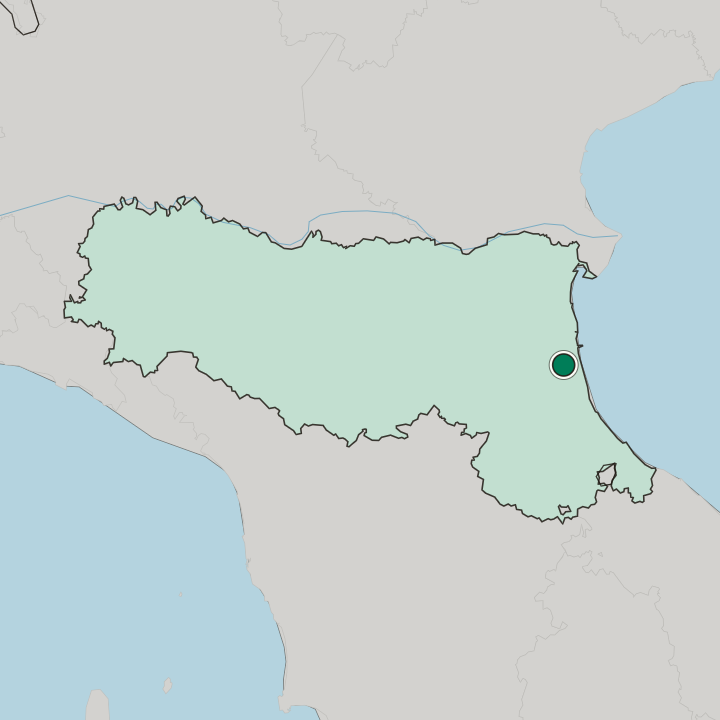
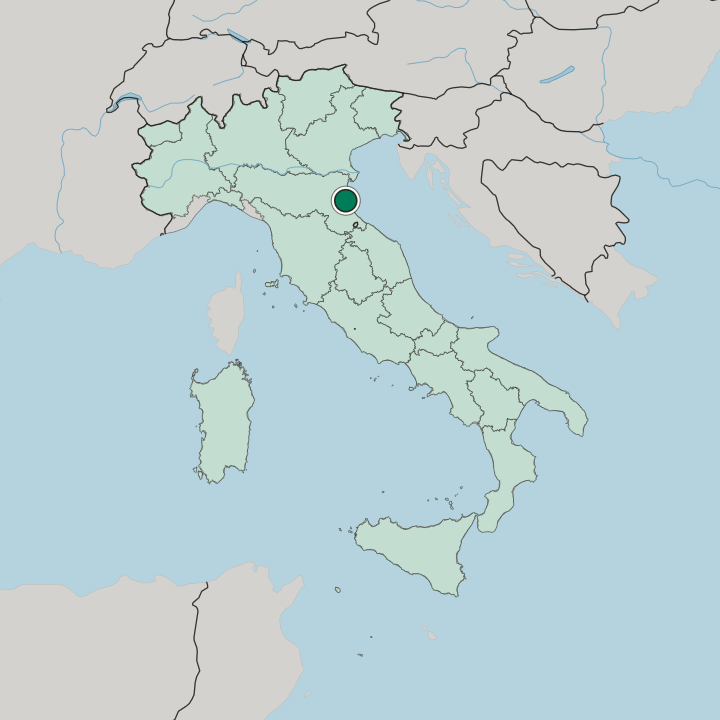
The city belongs to the Romagna zone of Emilia-Romagna and gives its name to the Province of Ravenna around it.
What is the climate of Ravenna?
The temperate year sets the pattern. Warm months fall in the middle of it and cold ones at either end, and the difference is read across a comune wide enough to hold a built-up centre and a lot of open country besides. Interiors stay cool.
The Basilica of San Vitale and the Basilica of Sant'Apollinare Nuovo are places to be out of the sun, and the Biblioteca comunale Classense does the same job with a roof and a reading room.
How do you get to Ravenna?
Ravenna is the provincial capital. Arrivals come into a city that administers the Province of Ravenna from inside the Romagna zone, so the centre is where every approach eventually points. The comune keeps going well past it.
Anyone travelling on to Civitas Classis or the Brancaleone Fortress is still inside the same municipal boundary, and the Basilica of San Vitale makes the plainest marker for the way back in.
Common questions
What is the best area to stay in Ravenna?
The centre around the Basilica of San Vitale: several late-antique sites in one morning, starting at San Vitale. Near the Mausoleum of Theodoric: the two Theodoric monuments taken first thing. Out in the wider comune, toward Civitas Classis: the open country of the Province of Ravenna at the door.
Good for
More cities in Emilia-Romagna
Updated October 2026