Italy · Emilia-Romagna
Where to Stay in Piacenza, Emilia-Romagna
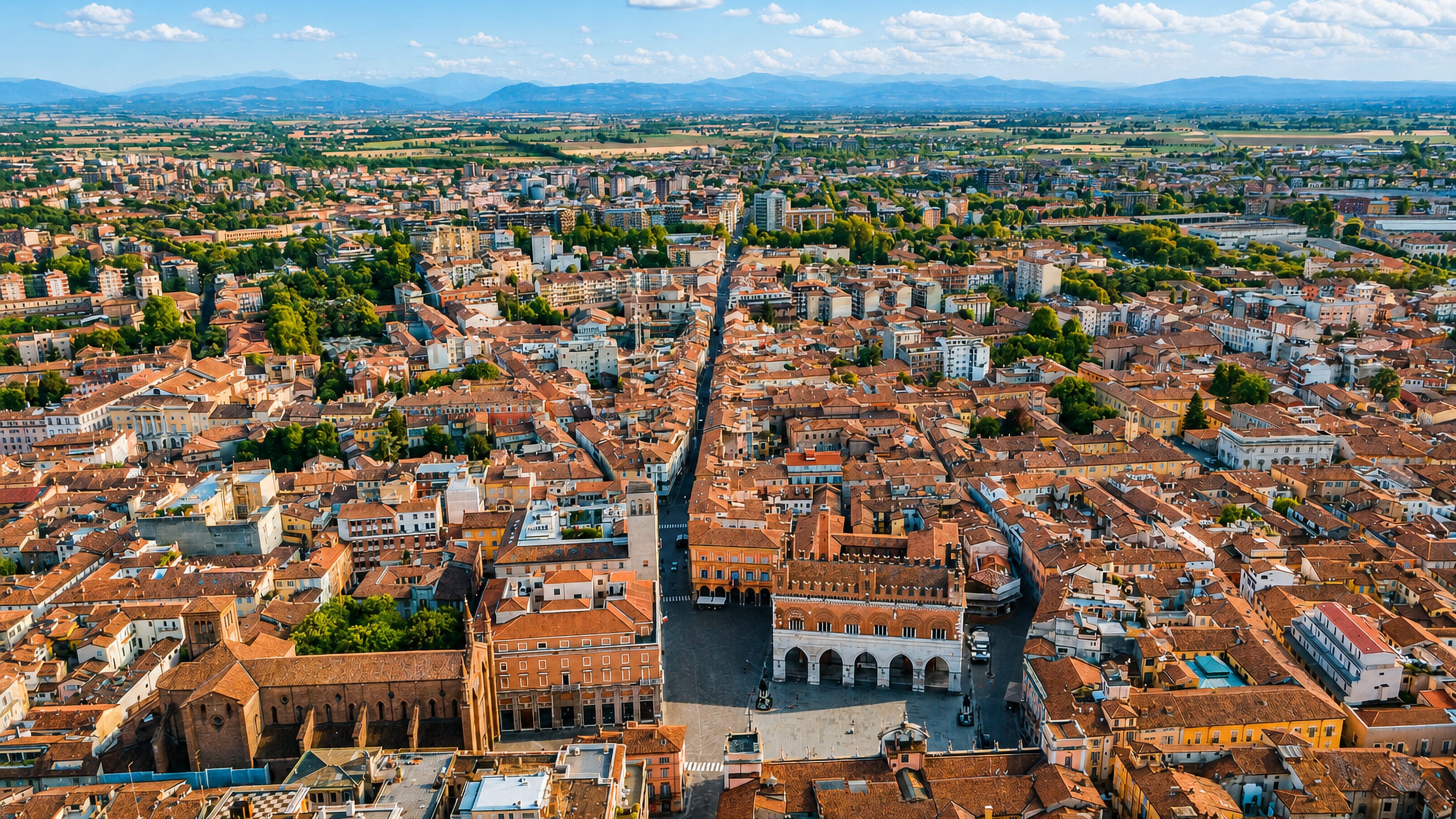
Piacenza heads its own province. Piacenza Cathedral, the Horses of Mochi and the Galleria d'arte moderna Ricci Oddi head the list.
Hotel links are affiliate links: booking through them may earn us a commission, at no extra cost to you. It never affects how places are ranked. How this works


Where to stay in Piacenza
How the choice of base plays out on the ground.
Piacenza Cathedral is the natural anchor. Rooms near it put Kronos, the Piacenza Civic Museum and the church list within reach on foot, and they leave the Galleria d'arte moderna Ricci Oddi a short walk off rather than an expedition. San Sisto marks the other pole.
A stay pitched toward it, or toward the Basilica di Santa Maria di Campagna, puts the far end of the church list at the door and the cathedral within the same morning. Sant'Agostino and San Giovanni in Canale sit among the names a second day picks up. The province decides the rest.
Piacenza is the capital of it, so a room in the city doubles as the base for the country around it. The Gazzola Institute belongs to the same civic centre of the city. The indoor collections make the case for the centre.
If you want the Galleria d'arte moderna Ricci Oddi, the Natural History Civic Museum of Piacenza and the Horses of Mochi in a single afternoon, stay where the streets between them are short. The Monumento alla Lupa and Sant'Eufemia fall on the same round through the centre.
Find hotels in Piacenza
Direct booking searches for these neighbourhoods.
Around Piacenza Cathedral
Piacenza Cathedral and its own museum stand at this end, with the Piacenza Civic Museum and the Horses of Mochi on the same short round.Find hotels in Around Piacenza Cathedralthe far end of the church list, from San Sisto to Santa Maria di CampagnaToward San Sisto
San Sisto and the Basilica di Santa Maria di Campagna give this side its own set of doorways, with the cathedral still inside a morning's walk.Find hotels in Toward San Sistomodern painting first and the older dedications afterwardsBy the Galleria d'arte moderna Ricci Oddi
The Ricci Oddi gallery and the Natural History Civic Museum of Piacenza put the indoor collections nearest, which suits a stay made in poor weather.Find hotels in By the Galleria d'arte moderna Ricci OddiHotel links are affiliate links: booking through them may earn us a commission, at no extra cost to you. It never affects how places are ranked. How this works
Things to do in Piacenza
Ranked by global recognition; descriptions from Wikidata (CC0).
Museums & Galleries
3- Galleria d'arte moderna Ricci Oddi Heritage
- Piacenza Civic Museum Heritage
- Gazzola Institute, Piacenza
Churches & Religious Sites
8- Piacenza Cathedral Heritage
- San Sisto, Piacenza Heritage
- Basilica di Santa Maria di Campagna Heritage
- San Giovanni in Canale, Piacenza Heritage
- San Donnino Church Heritage
Show 3 more →
- San Rocco, Piacenza Heritage
- San Bartolomeo Heritage
- Sant'Agostino, Piacenza Heritage
Castles & Historic Sites
2- Horses of Mochi Heritage
- Monumento alla Lupa Heritage
worth knowingacross 3 categories in Piacenza
About Piacenza
The cathedral is the reference.
What is Piacenza known for?
Piacenza Cathedral stands at the head of a long church list, and Kronos, the cathedral museum, puts the fabric of that building into rooms a visitor can walk through. Two monuments hold the open air. The Horses of Mochi and the Monumento alla Lupa stand among the city's public pieces, while the Galleria d'arte moderna Ricci Oddi covers modern painting and the Piacenza Civic Museum takes the civic collections.
What are the main landmarks in Piacenza?
Piacenza Cathedral leads, with Kronos attached to it as a museum of its fabric. San Sisto, Sant'Agostino, San Giovanni in Canale, Sant'Eufemia and the Basilica di Santa Maria di Campagna carry the weight of the church list. Sculpture stands outside.
The Horses of Mochi and the Monumento alla Lupa hold their ground in the open, while the Galleria d'arte moderna Ricci Oddi, the Piacenza Civic Museum and the Natural History Civic Museum of Piacenza take the indoor collections.
What is the history of Piacenza?
Piacenza has no recorded founding date. The oldest thread that can be followed here is ecclesiastical, and it is long: Piacenza Cathedral at the head of it, then San Sisto, Sant'Eufemia, San Giovanni in Canale, San Donnino Church, Santa Brigida and San Dalmazio, each a foundation with its own patron and century of work. Some of it has lapsed.
The ex Chiesa di San Nazzaro e Celso keeps a prefix that records a building no longer used for worship, and Kronos turns the cathedral's own fabric into a museum. The city is the capital of the province that carries its name. Institutions gathered with it, from the Gazzola Institute to the Piacenza Civic Museum and the Natural History Civic Museum of Piacenza.
Public monuments record the same habit. The Horses of Mochi and the Monumento alla Lupa were both put up to be seen in public, and the Oratory of San Cristoforo and the Chiesa di San Fermo mark the smaller devotions that ran alongside them. Modern art arrived last.
The Galleria d'arte moderna Ricci Oddi carries a later name into the same street plan as the older dedications, which is the shortest way to describe how the city's layers sit together.
Where is Piacenza?
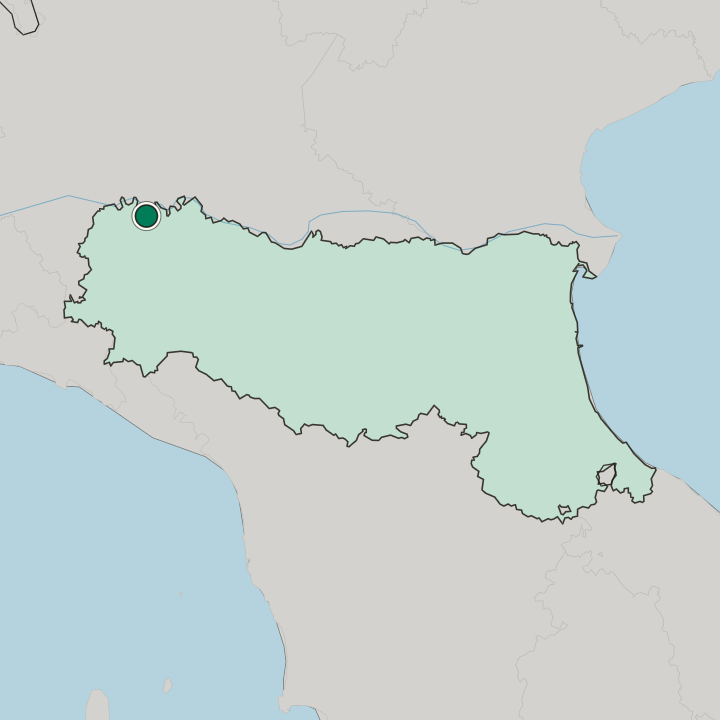
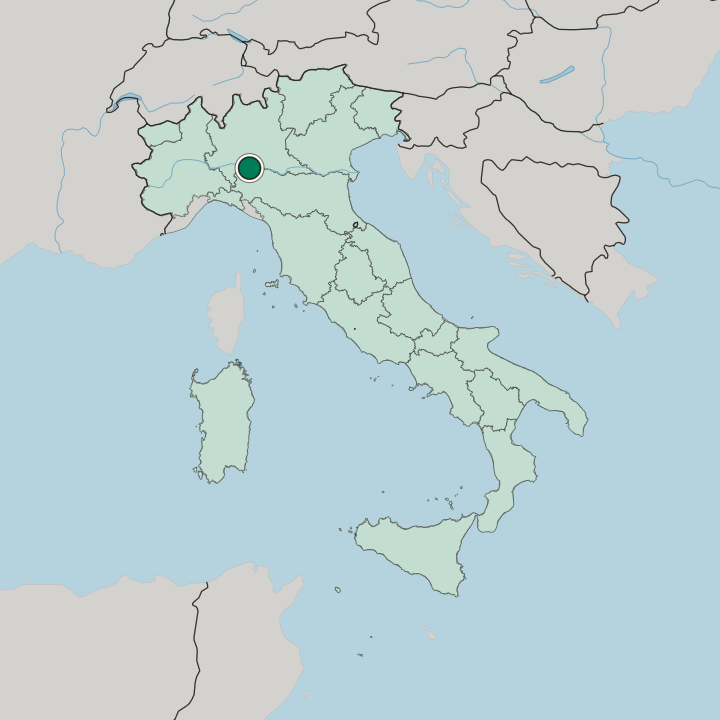
City and province share the one name. Piacenza is its capital, which makes the built-up centre the reference point for a spread of country that reaches well past the last streets of the comune. The list of names is long.
Piacenza Cathedral, San Sisto, Sant'Eufemia and the Basilica di Santa Maria di Campagna give the street plan its fixed points, and the Galleria d'arte moderna Ricci Oddi and the Natural History Civic Museum of Piacenza fill in between them.
What is the climate of Piacenza?
Seasons run the ordinary temperate course. The middle of the year brings the warm months, the far ends of it the cold ones, and Piacenza takes both in full. Stone holds the difference.
Piacenza Cathedral and San Sisto keep their own temperature through the warm weeks, and the same walls make the winter walk between them a brisk one.
How do you get to Piacenza?
Piacenza is the province's seat. Everything administrative in the province of Piacenza refers back to the city, and a visit that starts at Piacenza Cathedral has the Piacenza Civic Museum, Kronos and the Horses of Mochi inside the same set of streets. The rest is Emilia-Romagna.
Roads out of the comune cross the province in every direction, and San Sisto or the Basilica di Santa Maria di Campagna make useful markers for anyone finding their way back in.
Common questions
What is the best area to stay in Piacenza?
Around Piacenza Cathedral: the cathedral, Kronos and the church list covered on foot. Toward San Sisto: the far end of the church list, from San Sisto to Santa Maria di Campagna. By the Galleria d'arte moderna Ricci Oddi: modern painting first and the older dedications afterwards.
Good for
More cities in Emilia-Romagna
Updated October 2026