Italy · Emilia-Romagna
Where to Stay in Parma, Emilia-Romagna
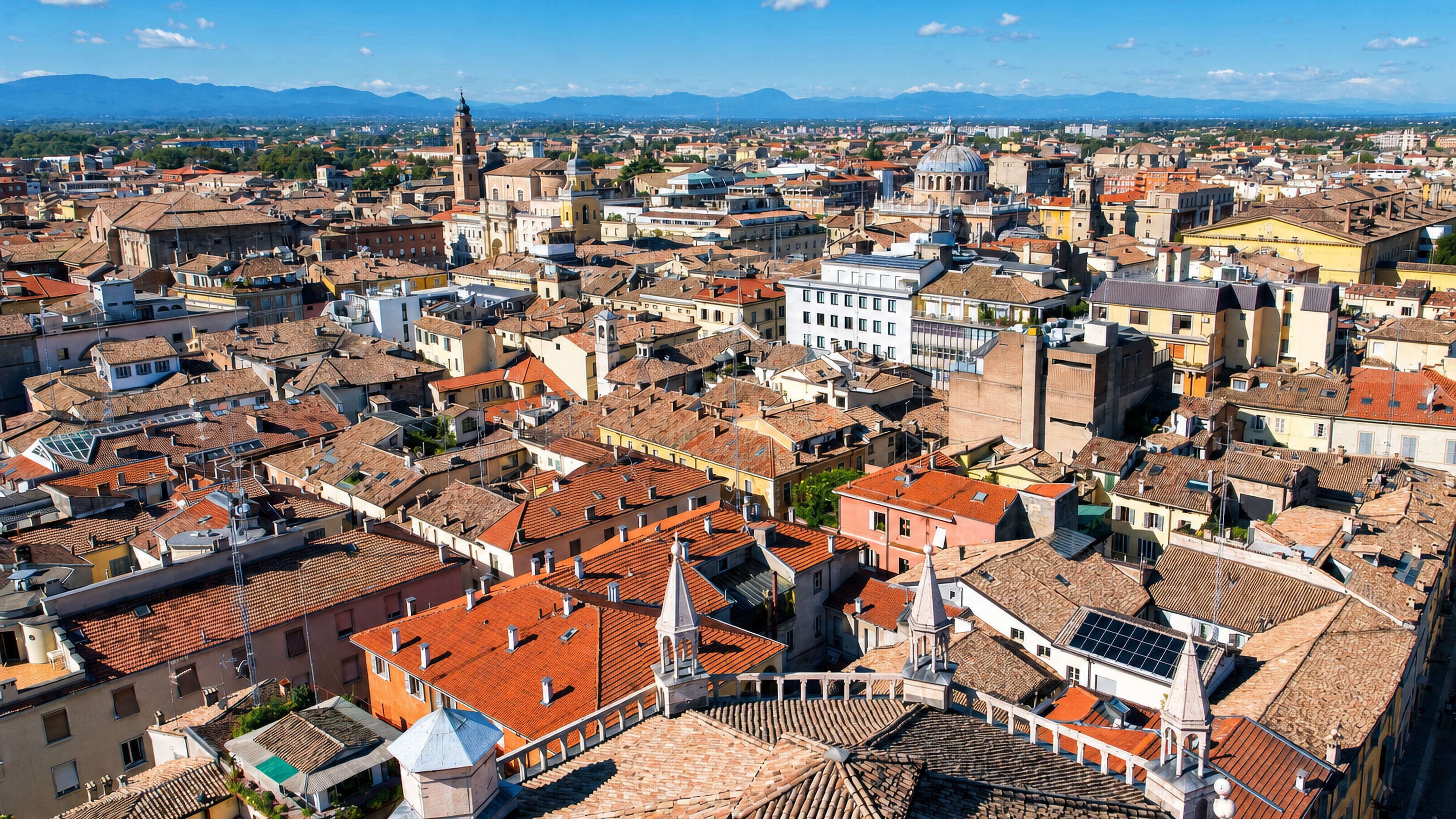
The Parma stream splits the city. Parmigiano Reggiano, Prosciutto di Parma and the Teatro Farnese carry the name beyond Emilia-Romagna.
Hotel links are affiliate links: booking through them may earn us a commission, at no extra cost to you. It never affects how places are ranked. How this works


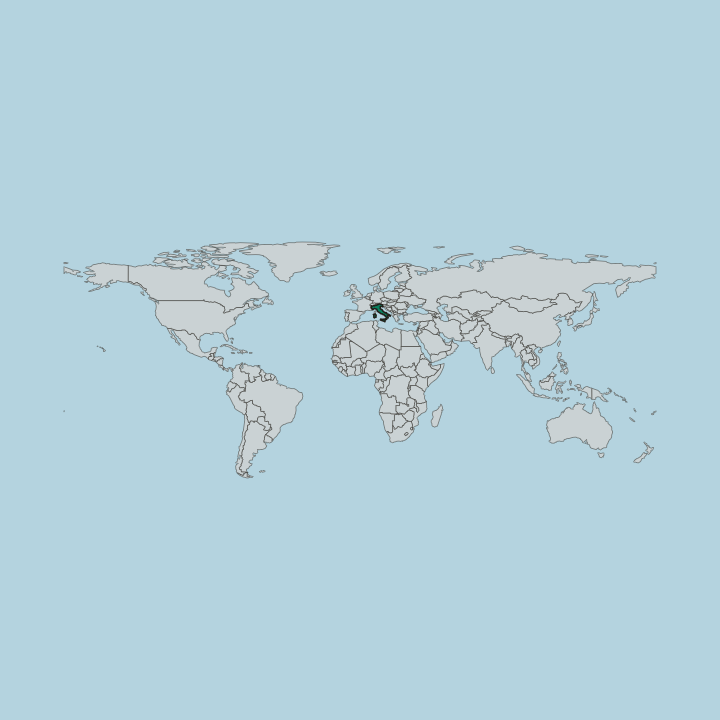
Where to stay in Parma
Where visitors usually base themselves, and why.
The stream sets the two options. On the centre side, rooms sit within a short walk of the Baptistery of Parma, the Palazzo della Pilotta and the Galleria nazionale di Parma, which makes a day of the collections possible without ever using transport. Oltretorrente is the other bank.
Its name says exactly where it is, and a stay there trades the immediate reach of the Teatro Farnese for a shorter list of sights and a crossing each morning. San Francesco al Prato and Santa Maria del Quartiere sit among the churches that a longer stay eventually reaches. The university changes the mix.
The University of Parma keeps a student presence through the teaching year, and the Conservatorio Arrigo Boito adds musicians to the same streets. Term dates matter more than the season. Food decides many trips here.
If you have come for Parmigiano Reggiano and Prosciutto di Parma rather than for the Sanctuary of Santa Maria della Steccata, a base near the centre still works, since the province of Parma is reached from it in either direction. The Botanical Garden of Parma and the Museo Glauco Lombardi fill the gaps between meals.
Find hotels in Parma
Direct booking searches for these neighbourhoods.
The centre by the Baptistery of Parma
The baptistery, the Pilotta and the national gallery stand within one short walk, which puts most of a Parma visit inside a single quarter.Find hotels in The centre by the Baptistery of Parmaa base on the far bank, with the crossing built into each morningOltretorrente
The quarter's name states its position, the other side of the stream, and the Palazzo della Pilotta is a short walk once the water is behind you.Find hotels in Oltretorrenteconcert nights and the teaching year at the University of ParmaBy the Conservatorio Arrigo Boito
The conservatory and the university put music and term-time trade into these streets, which suits a stay pitched at performances rather than at museums.Find hotels in By the Conservatorio Arrigo BoitoHotel links are affiliate links: booking through them may earn us a commission, at no extra cost to you. It never affects how places are ranked. How this works
Things to do in Parma
Ranked by global recognition; descriptions from Wikidata (CC0).
Museums & Galleries
3- Teatro Farnese Heritage
- Galleria nazionale di Parma Heritage
- Museo Glauco Lombardi Heritage
Churches & Religious Sites
8- Baptistery of Parma Heritage
- Certosa di Parma Heritage
- Sanctuary of Santa Maria della Steccata Heritage
- San Giovanni Evangelista Heritage
- San Francesco al Prato Heritage
Show 3 more →
- Santissima Annunziata, Parma Heritage
- Santa Croce Heritage
- San Sepolcro Heritage
Castles & Historic Sites
2- Palazzo della Pilotta Heritage
- Monument to Ercole and Anteo
Nature & Outdoors
1- Botanical Garden of Parma Heritage
worth knowingacross 4 categories in Parma
About Parma
Food carries the name furthest.
What is Parma known for?
Parmigiano Reggiano and Prosciutto di Parma are made under the city's name, and the gastronomic tradition behind them sits beside a reputation for architecture, music and art rather than replacing it. The Teatro Farnese and the Conservatorio Arrigo Boito hold the second half of that. The Galleria nazionale di Parma and the Palazzo della Pilotta hold the art between them, and the University of Parma, one of the oldest in the world, gives the streets a student presence through the teaching year.
What are the main landmarks in Parma?
The Baptistery of Parma heads the list. Palazzo della Pilotta and the Teatro Farnese take the palace end, the Galleria nazionale di Parma and the Museo Glauco Lombardi take the collections, and the Bodoni Museum sits on the same list. Churches crowd the rest of the city.
San Giovanni Evangelista, the Sanctuary of Santa Maria della Steccata, San Francesco al Prato, San Sepolcro and Santa Maria del Quartiere carry the older dedications, and the Monument to Ercole and Anteo stands among them.
What is the history of Parma?
The name comes from a shield. Parma was an Etruscan word before Romans adapted it to describe a round shield, and the city has carried the same two syllables through everything since. The University of Parma came early.
It is counted among the oldest universities in the world, and teaching, collecting and music run through its institutions from the Conservatorio Arrigo Boito to the Bodoni Museum and the Galleria nazionale di Parma. Religious foundations fill the middle centuries. San Giovanni Evangelista, San Sepolcro, Santa Croce, Ognissanti and the Certosa di Parma each mark a community that built and endowed its own ground.
The Palazzo della Pilotta and the Teatro Farnese belong to the courtly layer above them, and the Galleria nazionale di Parma and the Museo Glauco Lombardi keep what that layer collected. Two halves grew either side of the water. Oltretorrente took its name from the position, and the rest of Parma spread on the other bank, so a walk across the stream is still the plainest way to read the city.
Food came out of the country around it. Parmigiano Reggiano and Prosciutto di Parma carry the name of a place rather than of any single maker.
Where is Parma?
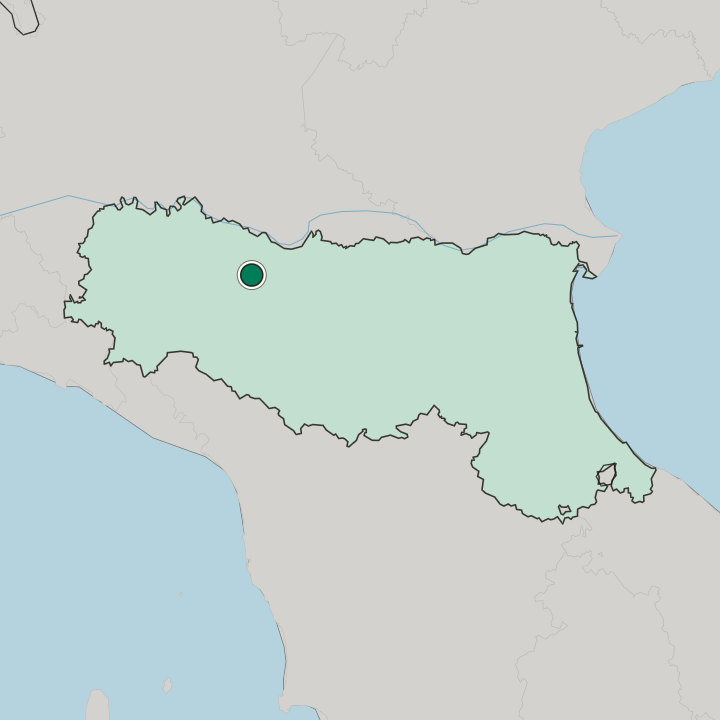
The stream does the dividing. Parma sits on both banks of the watercourse that shares its name, and the quarter on the west side is called Oltretorrente, a name that means nothing more complicated than the other side of the stream. The split is easy to read.
The Botanical Garden of Parma keeps a green enclosure inside that plan, and the province of Parma carries the same name outward into the country around it.
What is the climate of Parma?
The Botanical Garden of Parma keeps the calendar. Its planting year follows the temperate northern pattern, a warm middle and a cold close, with the growing weeks concentrated between them. Winter shortens the evenings.
Daylight goes early then, and the walk between the Baptistery of Parma and San Giovanni Evangelista is made in the dark more often than not, while the stream that divides the city runs through the same months.
How do you get to Parma?
Two banks and one crossing. The Baptistery of Parma and the Palazzo della Pilotta anchor the centre, Oltretorrente lies across the water, and moving between them is the only internal navigation a visit really needs. The province opens out from there.
Anyone travelling for Parmigiano Reggiano and Prosciutto di Parma leaves the built-up ground for the country of the province of Parma, and Bologna sits further off as the capital of Emilia-Romagna.
Common questions
What is the best area to stay in Parma?
The centre by the Baptistery of Parma: collections at the Palazzo della Pilotta and the Galleria nazionale di Parma on foot. Oltretorrente: a base on the far bank, with the crossing built into each morning. By the Conservatorio Arrigo Boito: concert nights and the teaching year at the University of Parma.
Good for
More cities in Emilia-Romagna
Updated October 2026