Italy · Lazio · Rome
Castro Pretorio, Rome — Area Guide & Where to Stay
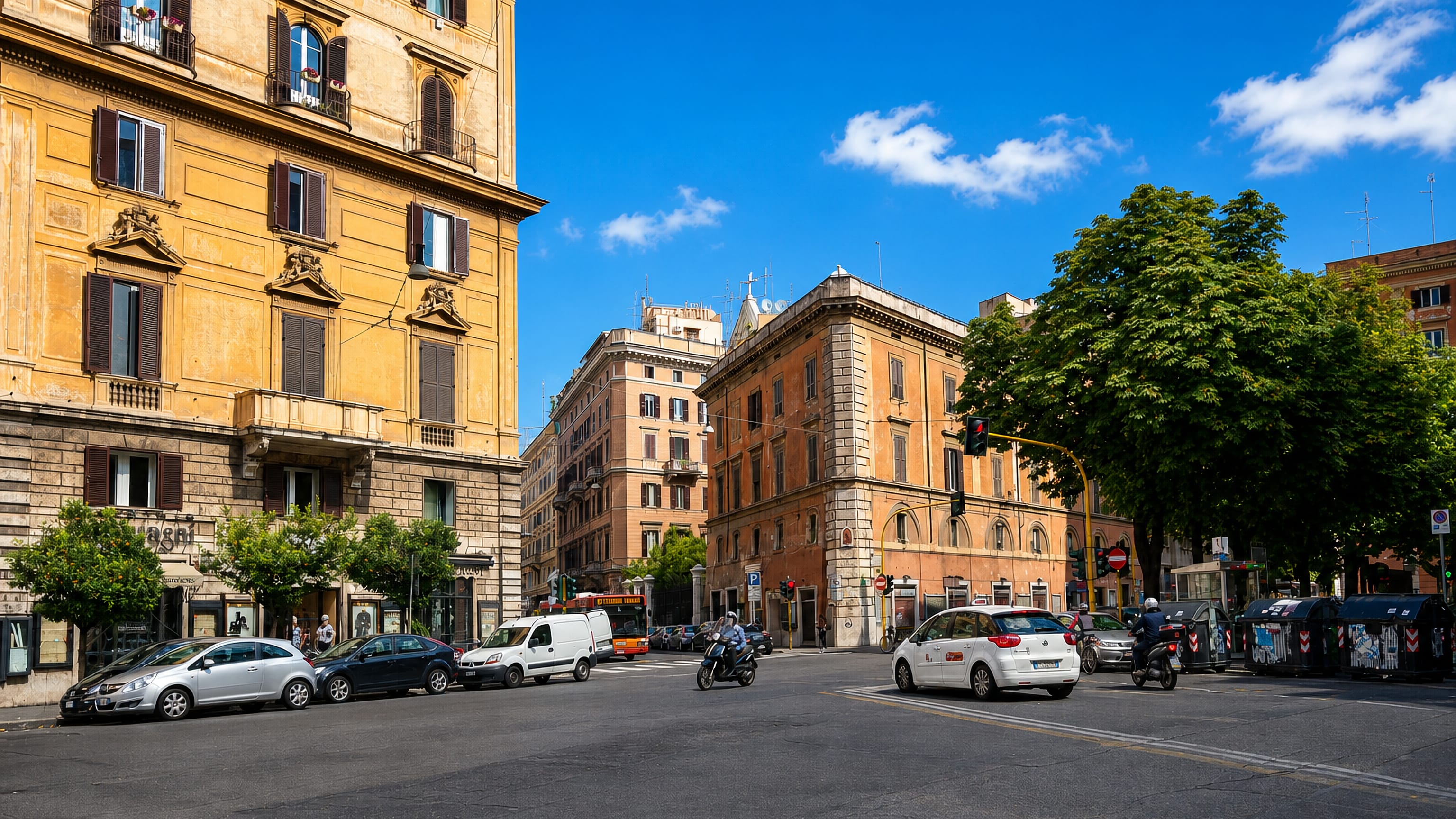
Castro Pretorio is a rione of central Rome built around the Castra Praetoria, the Praetorian Guard's barracks, beside the Baths of Diocletian.
Hotel links are affiliate links: booking through them may earn us a commission, at no extra cost to you. It never affects how places are ranked. How this works



Where to stay in Castro Pretorio
How the choice of base plays out on the ground.
Most visitors stay here for the trains. Hotels gather between the Baths of Diocletian and Porta Pia, a band of business addresses, guesthouses, and small B&Bs within walking reach of Roma Termini and the Museo Nazionale Romano. The streets run straight and busy.
You will find it practical for early departures, museum mornings, and onward connections rather than for evening wandering.
Find hotels in Castro Pretorio
Direct booking searches for these neighbourhoods.
Around the Baths of Diocletian
Hotels face the Baths of Diocletian and the Museo Nazionale Romano, a few minutes from the station concourse.Find hotels in Around the Baths of Diocletianlonger, calmer stays near the wallsToward Porta Pia
Quieter blocks climb toward the city gate of Porta Pia, set back from the station crowds.Find hotels in Toward Porta Piawalkers bound for Sallustiano and TreviBy San Bernardo alle Terme
Small hotels sit around San Bernardo alle Terme, with Santa Maria della Vittoria toward Sallustiano.Find hotels in By San Bernardo alle TermeHotel links are affiliate links: booking through them may earn us a commission, at no extra cost to you. It never affects how places are ranked. How this works
Things to do in and around Rome
Ranked by global recognition; descriptions from Wikidata (CC0).
Museums & Galleries
2- Museum of Contemporary Art of Rome Heritage
- Museo Nazionale Romano
Churches & Religious Sites
6- Santa Maria della Vittoria Heritage
- Santa Prassede Heritage medieval church
- Santa Pudenziana Heritage
- St Paul's Within the Walls Heritage
- Santa Bibiana Church Heritage
Show 1 more →
- San Camillo de Lellis Heritage
Castles & Historic Sites
8- Baths of Diocletian Heritage ancient Roman bath, a landmark of Rome
- Palazzo Massimo alle Terme Heritage historic building
- Servian Wall defensive barrier around the ancient city of Rome
- Castra Praetoria Roman fort
- Aqua Alexandrina Roman aqueduct
Show 3 more →
- Aqua Anio Vetus archeological site
- Aqua Julia Roman aqueduct built in 33 BC by Agrippa under Augustus to supply the city of Rome, repaired and expanded by Augustus from 11–4 BC
- Aqua Tepula ancient Roman aqueduct
worth knowingacross 3 categories in and around Rome
About Castro Pretorio
What are the main landmarks in Castro Pretorio?
The monuments are dense here. The Baths of Diocletian spread across the rione's southern edge, their halls holding the Museo Nazionale Romano, while the Palazzo Massimo alle Terme stands close by with its Roman frescoes and sculpture. Churches line the western streets: San Bernardo alle Terme stands here, with Santa Maria della Vittoria toward Sallustiano and San Carlo alle Quattro Fontane toward Trevi.
Porta Pia closes the northern end. Older still are the Castra Praetoria and the fragments of the Servian Wall.
What is the history of Castro Pretorio?
The name comes from the army. The Castra Praetoria, raised in the early empire as the camp of the Praetorian Guard, fixed a military quarter on the city's eastern hills, while the Horti Sallustiani spread their gardens to the west, toward Sallustiano. For centuries the ground lay half-emptied behind the walls.
Rome made it a formal rione in 1921, the eighteenth of the city's numbered quarters. The railway and the ministries did the rest.
Where is Castro Pretorio?
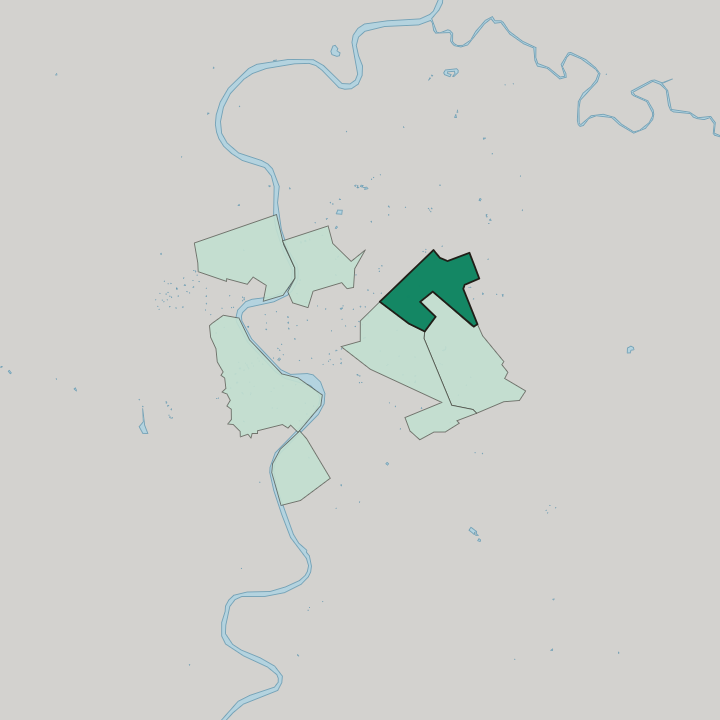
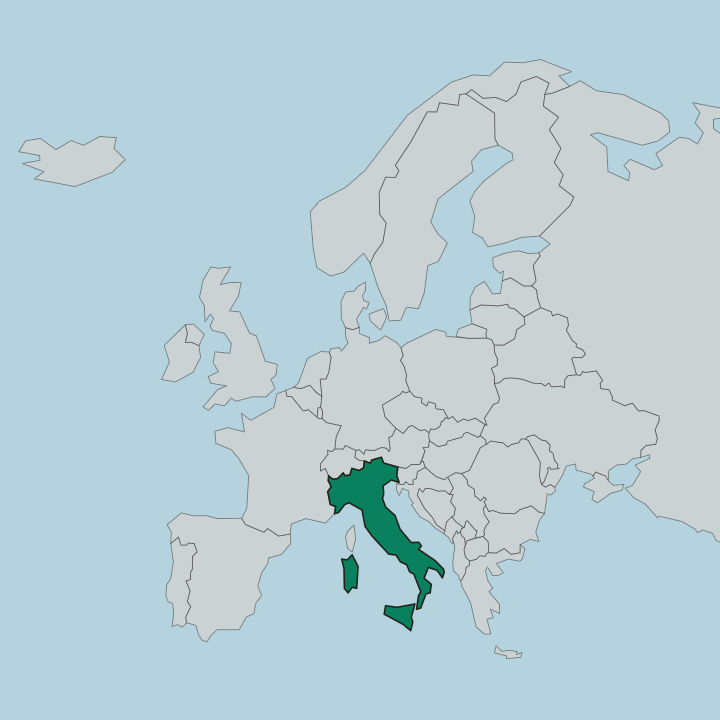
Castro Pretorio occupies the high ground east of central Rome, wrapped around the Castra Praetoria and reaching the old city gate of Porta Pia.
Common questions
What is the best area to stay in Castro Pretorio?
Around the Baths of Diocletian: museum mornings before an early train. Toward Porta Pia: longer, calmer stays near the walls. By San Bernardo alle Terme: walkers bound for Sallustiano and Trevi.
Good for
More areas in Rome
Updated October 2026