Italy · Lazio · Rome
Ponte, Rome — Area Guide & Where to Stay
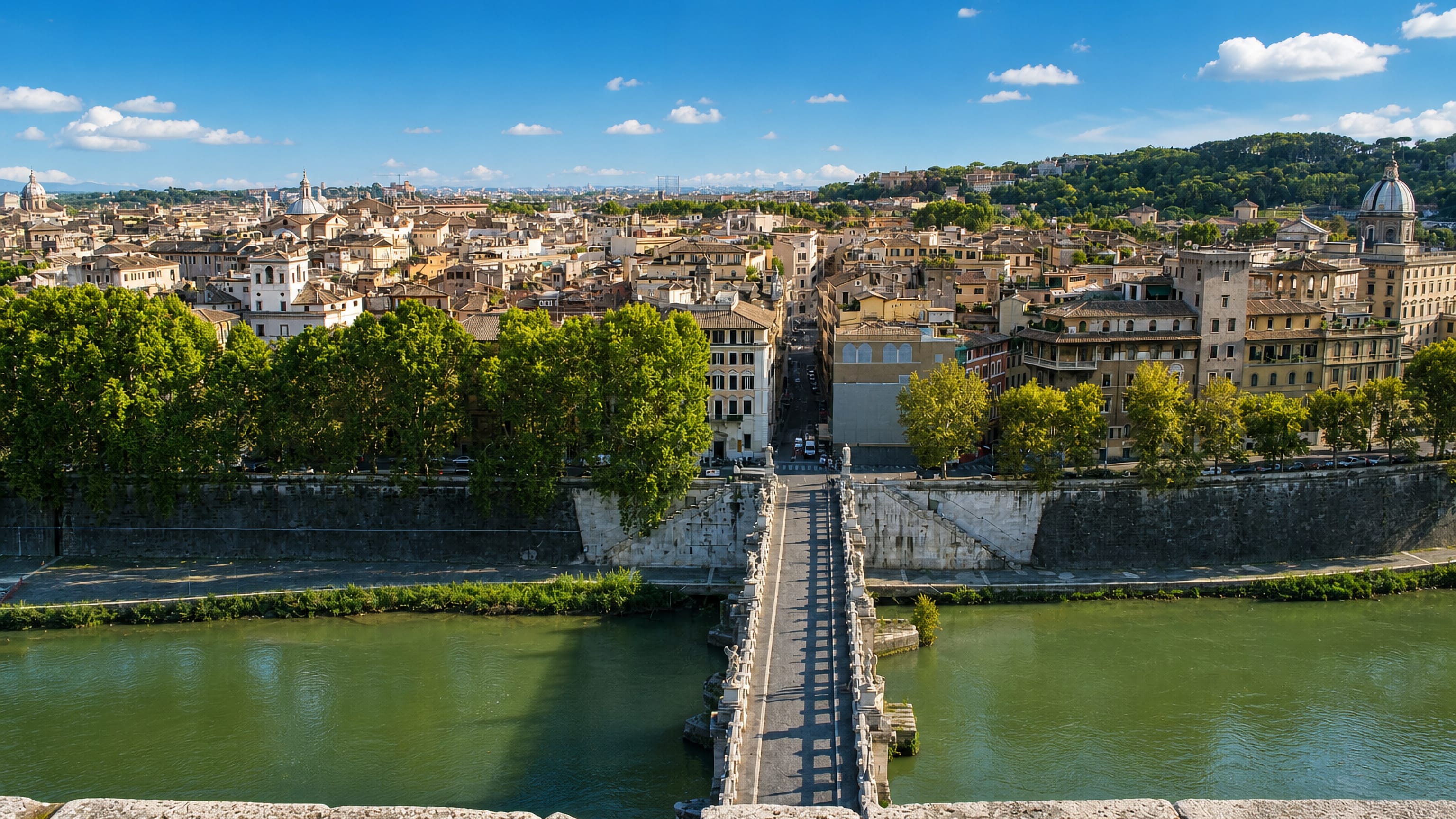
Ponte is the fifth rione of Rome, named for Ponte Sant'Angelo, a bridge that later passed to neighbouring Borgo but still fills its arms.
Hotel links are affiliate links: booking through them may earn us a commission, at no extra cost to you. It never affects how places are ranked. How this works


Where to stay in Ponte
The practical side of choosing where to sleep.
The rione is walkable throughout. Most rooms occupy converted floors on the lanes between San Salvatore in Lauro and the Basilica of San Giovanni dei Fiorentini, a pocket of courtyards and short streets a few paces from the approach to Ponte Sant'Angelo. Guests who intend to walk everywhere gain the most, since Borgo lies just across the rione line.
You will find the lanes narrow and the night noise moderate.
Find hotels in Ponte
Direct booking searches for these neighbourhoods.
By San Giovanni dei Fiorentini
Converted floors near the Basilica of San Giovanni dei Fiorentini set a large church square between the rooms and the traffic.Find hotels in By San Giovanni dei Fiorentinistays that prefer a courtyard entrance to a lobbyAround San Salvatore in Lauro
Courtyards behind San Salvatore in Lauro hide small guest houses on lanes too narrow for through traffic.Find hotels in Around San Salvatore in Lauroearly walkers crossing into Borgo on footNear Ponte Sant'Angelo
Addresses closest to Ponte Sant'Angelo give up some calm for a two-minute crossing into Borgo.Find hotels in Near Ponte Sant'AngeloHotel links are affiliate links: booking through them may earn us a commission, at no extra cost to you. It never affects how places are ranked. How this works
About Ponte
What are the main landmarks in Ponte?
Churches carry the rione: the Basilica of San Giovanni dei Fiorentini at one end, San Salvatore in Lauro deeper in among the lanes, and Santi Celso e Giuliano close to the old bridgehead. Smaller doorways repay attention. San Biagio della Pagnotta and Santa Maria del Suffragio stand along the same street line, easy to walk past without noticing either.
Sant'Onofrio rounds out the named churches.
What is the history of Ponte?
Hadrian raised Ponte Sant'Angelo in 134 to link his mausoleum with the rest of the city, and that crossing gave the quarter both its name and the bridge that fills its coat of arms. Sixtus V later redrew the rione limits, moving the bridge itself into Borgo, though Ponte kept the name it had carried since 1300. Municipio I governs the ground.
Later builders left the churches, among them the Basilica of San Giovanni dei Fiorentini and San Salvatore in Lauro.
Where is Ponte?
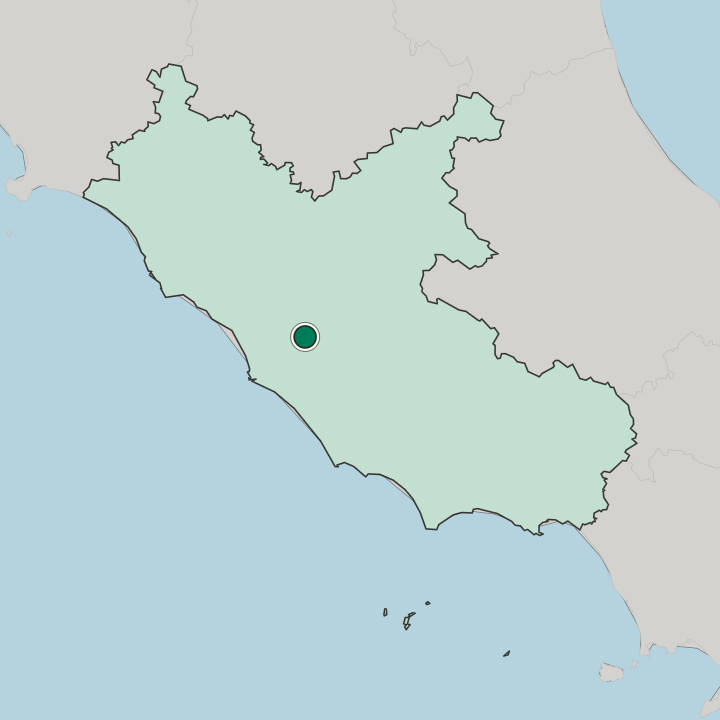
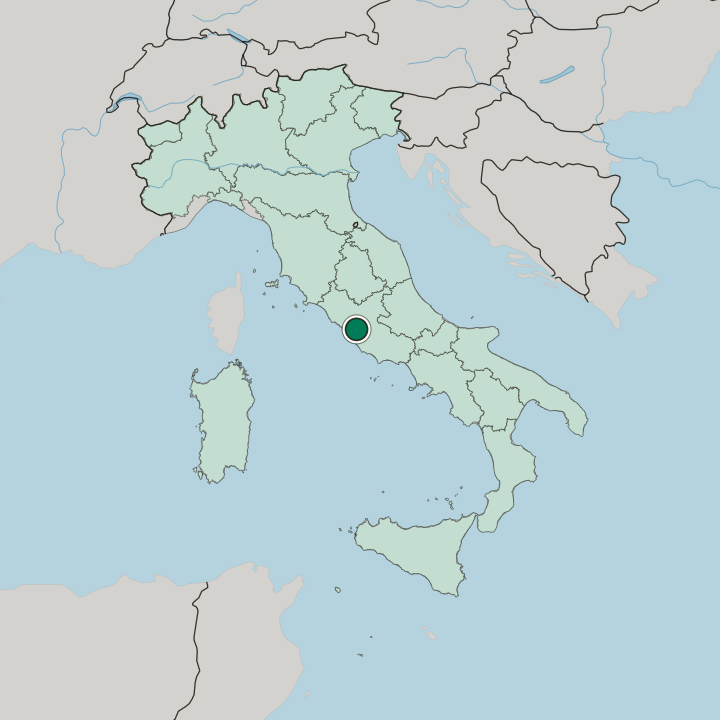
Ponte fills a compact block of Municipio I, its lanes gathering at the approach to Ponte Sant'Angelo and the square of San Giovanni dei Fiorentini.
Common questions
What is the best area to stay in Ponte?
By San Giovanni dei Fiorentini: quiet nights beside the rione's largest church. Around San Salvatore in Lauro: stays that prefer a courtyard entrance to a lobby. Near Ponte Sant'Angelo: early walkers crossing into Borgo on foot.
Good for
More areas in Rome
Updated October 2026