Italy · Lazio · Rome
San Saba, Rome — Area Guide & Where to Stay
San Saba is a rione of Rome named for the Basilica of San Saba, a quiet slice of Municipio I edged by the Aurelian Walls.
Hotel links are affiliate links: booking through them may earn us a commission, at no extra cost to you. It never affects how places are ranked. How this works


Where to stay in San Saba
The practical side of choosing where to sleep.
Beds are thin on the ground in San Saba, and most of what exists is small, a handful of guest houses and apartments on the streets between the Baths of Caracalla and the Aurelian Walls. Quiet comes as standard, since through traffic keeps to the perimeter and the evenings empty early. You trade nightlife for calm.
Anyone here for the archaeology gains a considerable head start each morning.
Find hotels in San Saba
Direct booking searches for these neighbourhoods.
Beside the Baths of Caracalla
The few guest houses facing the Baths of Caracalla put the ruins and the Mithraeum at the Baths of Caracalla within a five-minute walk. Lodging is scarce in this area; reserve in advance.Find hotels in Beside the Baths of Caracallawalkers following the line of the wallsAlong the Aurelian Walls
Rooms near the Museo delle Mura sit against the Aurelian Walls, where the gate museum reads the brickwork outside the window. Rooms are few around here — worth securing early.Find hotels in Along the Aurelian Wallslate starts at the rione's church endToward Porta Latina
The lanes around San Giovanni a Porta Latina and San Giovanni in Oleo hold the stillest addresses in the rione. Few places to stay nearby — book ahead.Find hotels in Toward Porta LatinaHotel links are affiliate links: booking through them may earn us a commission, at no extra cost to you. It never affects how places are ranked. How this works
Things to do in and around Rome
Ranked by global recognition; descriptions from Wikidata (CC0).
Museums & Galleries
1- Baths of Caracalla Heritage
Churches & Religious Sites
4- San Giovanni a Porta Latina Heritage
- San Cesareo in Palatio Heritage
- chiesa dei Santi Nereo e Achilleo Heritage
- chiesa di S. Cesareo de Appia Heritage
Castles & Historic Sites
3- Aurelian Walls Heritage
- Tomb of the Scipios
- Arch of Drusus
worth knowingacross 3 categories in and around Rome
About San Saba
What are the main landmarks in San Saba?
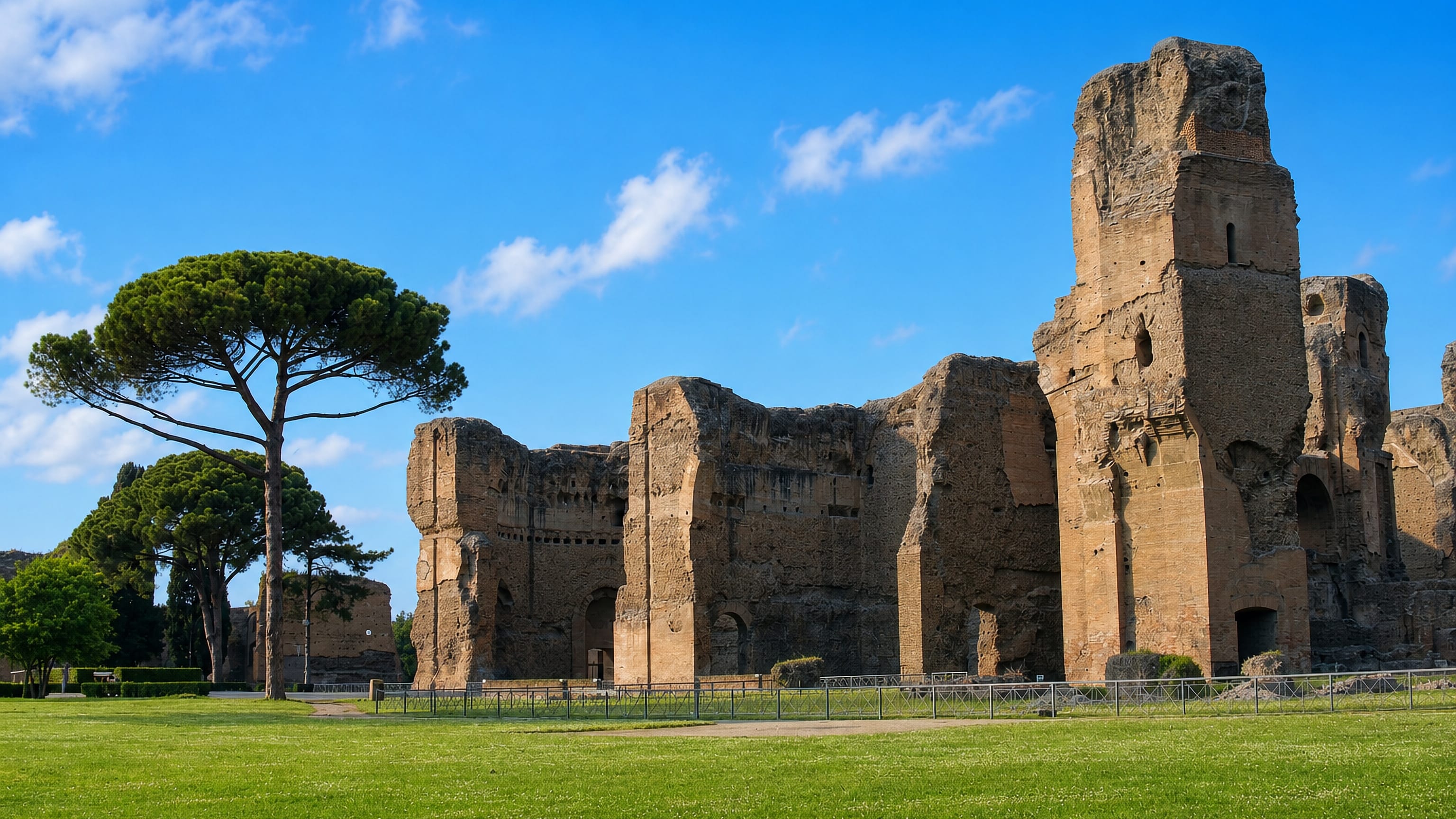
Antiquity sits close to the surface. The Baths of Caracalla dominate, their bulk sheltering the Mithraeum at the Baths of Caracalla, while the Aurelian Walls run past with the Museo delle Mura installed inside one of the gates. The Tomb of the Scipios and the Arch of Drusus mark the old road out of the city, and the Domus Cilonis and Horti Galateae survive as excavated ground.
Churches hold the rest: San Cesareo in Palatio, San Giovanni a Porta Latina, San Giovanni in Oleo. Beneath San Cesareo lies another Roman house. Santi Nereo e Achilleo closes the group.
What is the history of San Saba?
Rome made San Saba a rione only in 1921, though the ground it covers had been walked since antiquity, when the road out of the city ran past the Tomb of the Scipios and the Arch of Drusus. Its name came from the basilica. Emperors built here first, and the Baths of Caracalla remain the largest thing that period left standing.
The Aurelian Walls closed the edge, and Municipio I takes in the whole rione.
Where is San Saba?
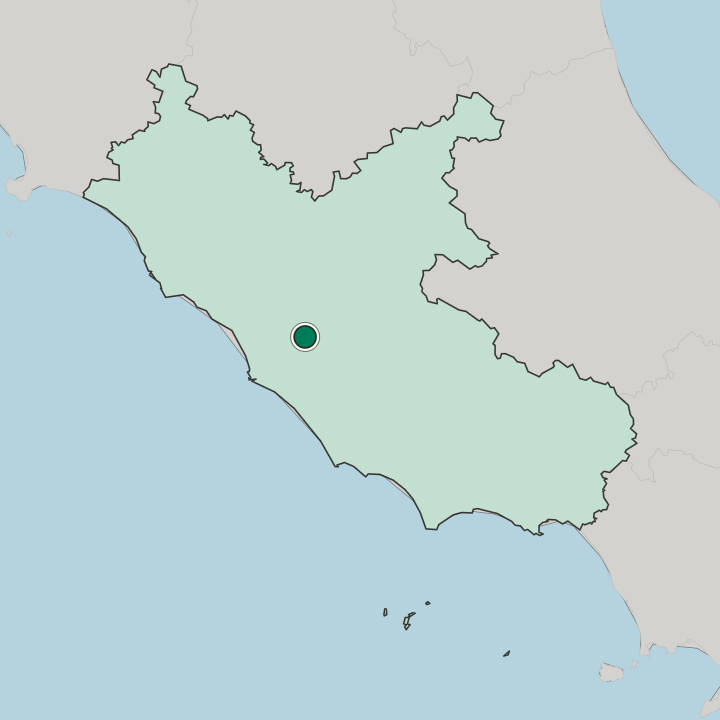
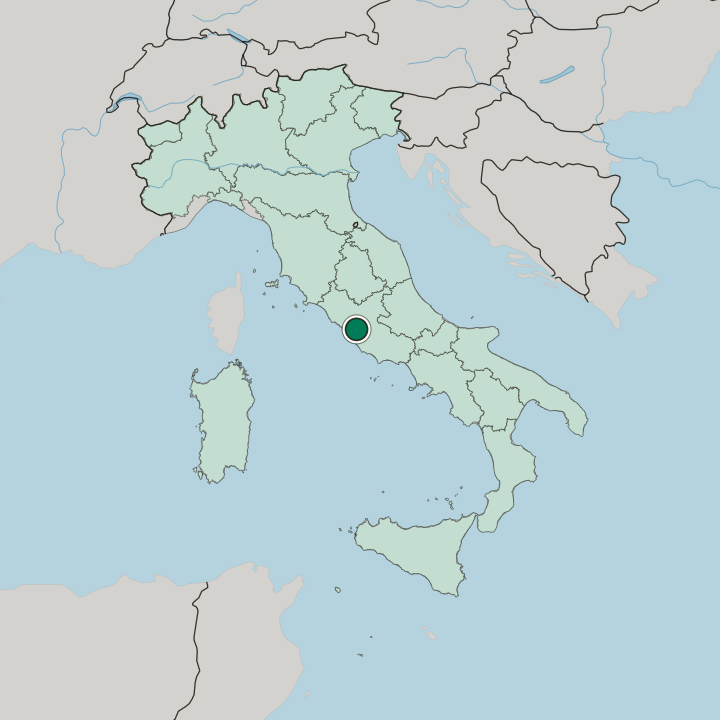
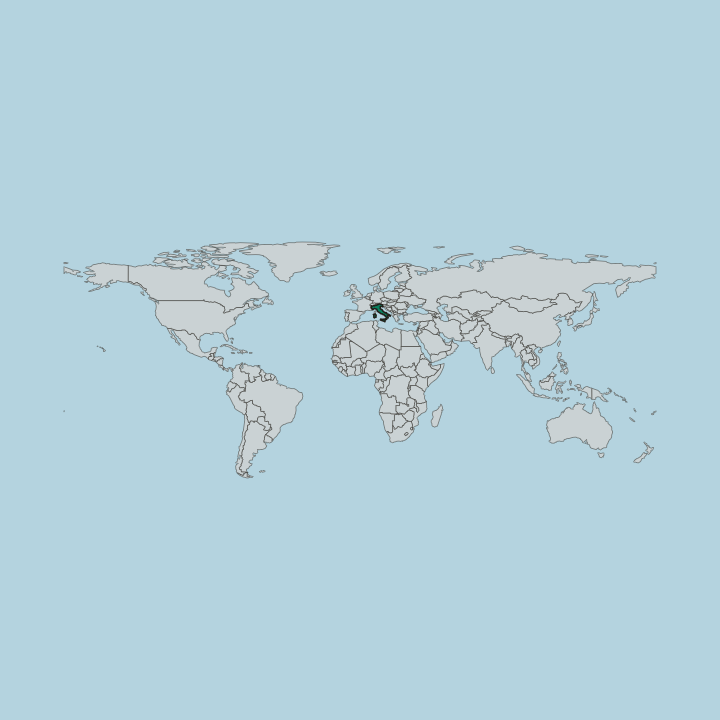
San Saba covers a broad, low-built stretch of Municipio I, held between the Aurelian Walls and the open ground of the Baths of Caracalla.
Common questions
What is the best area to stay in San Saba?
Beside the Baths of Caracalla: mornings that open at the Caracalla ruins. Along the Aurelian Walls: walkers following the line of the walls. Toward Porta Latina: late starts at the rione's church end.
Good for
More areas in Rome
Updated October 2026