Italy · Lazio · Rome
Pigna, Rome — Area Guide & Where to Stay
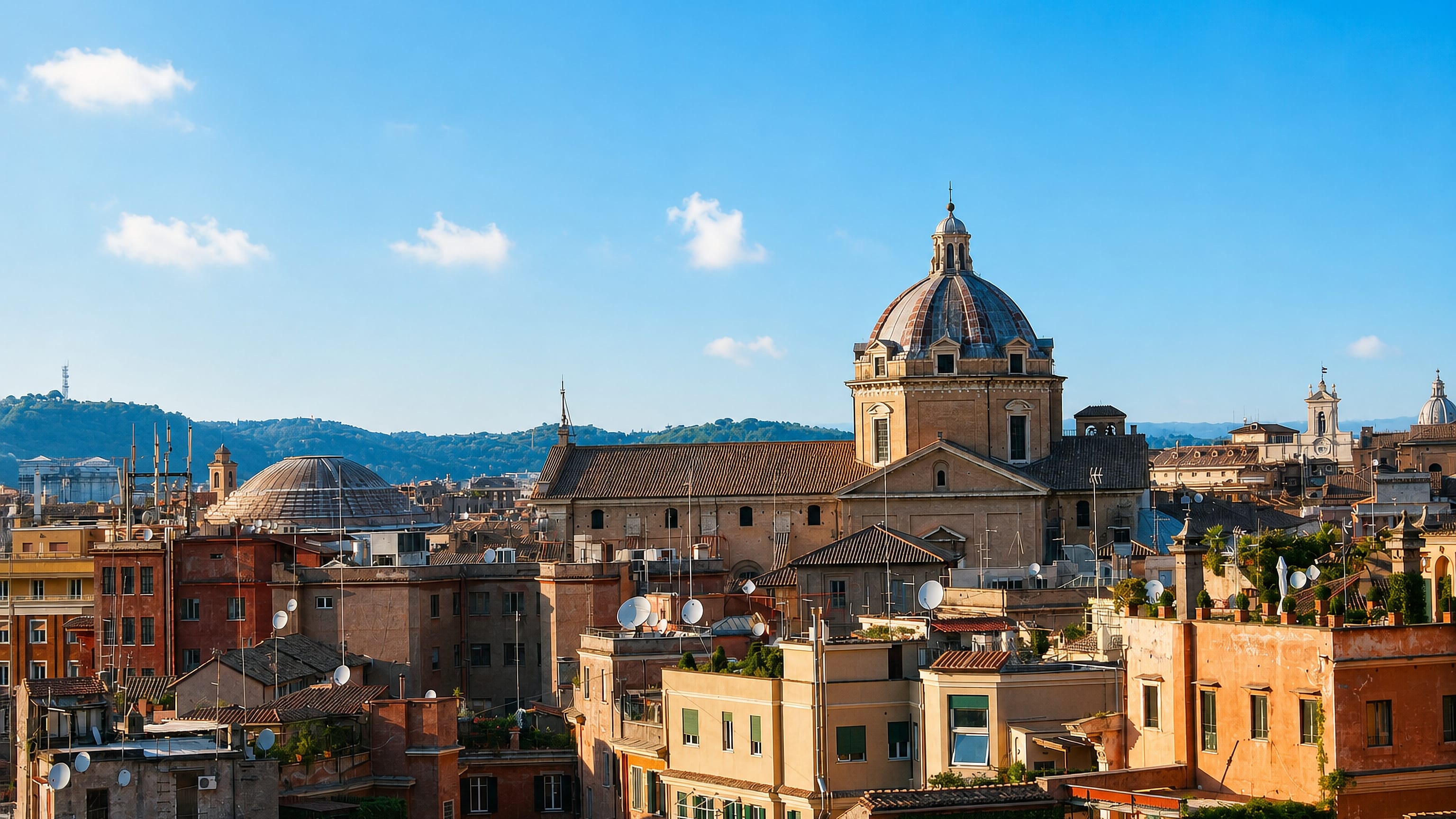
Pigna is the ninth rione of Rome, named for the colossal bronze pine cone that became the quarter's symbol and stood in its fountain.
Hotel links are affiliate links: booking through them may earn us a commission, at no extra cost to you. It never affects how places are ranked. How this works


Where to stay in Pigna
How the choice of base plays out on the ground.
Stays in Pigna put the Imperial fora on one side and the shopping streets by San Marcello al Corso on the other, with hotels worked into the upper floors of old palazzi rather than purpose-built blocks. Rooms run small here. The compensation is an address that reaches Trajan's Market, the Altare della Patria and Galleria Doria Pamphilj on foot.
You will want this if sightseeing outranks quiet.
Find hotels in Pigna
Direct booking searches for these neighbourhoods.
Around Palazzo Colonna
Upper-floor rooms hide behind the frontages by Palazzo Colonna and Santi Vincenzo e Anastasio a Trevi.Find hotels in Around Palazzo Colonnashopping days that end in the Doria Pamphilj roomsBy San Marcello al Corso
The blocks at San Marcello al Corso mix shopping frontage with the entrance to Galleria Doria Pamphilj.Find hotels in By San Marcello al Corsosightseeing weekends at the forum endToward the Altare della Patria
Rooms near the Altare della Patria open onto the approach to Trajan's Market and the Imperial fora.Find hotels in Toward the Altare della PatriaHotel links are affiliate links: booking through them may earn us a commission, at no extra cost to you. It never affects how places are ranked. How this works
Things to do in and around Rome
Ranked by global recognition; descriptions from Wikidata (CC0).
Museums & Galleries
3- Galleria Doria Pamphilj Heritage
- Palazzo Colonna Heritage
- Palazzo Nuovo
Churches & Religious Sites
7- Basilica of St. Mark the Evangelist Heritage
- San Marcello al Corso Heritage
- Santi Luca e Martina Heritage
- Santi Vincenzo e Anastasio a Trevi Heritage
- Santa Maria di Loreto Heritage
Show 2 more →
- San Giuseppe dei Falegnami Heritage
- Santissimo Nome di Maria al Foro Traiano Heritage
Castles & Historic Sites
3- Forum of Caesar Heritage
- Imperial fora
- Arch of Septimius Severus (Roman Forum)
worth knowingacross 3 categories in and around Rome
About Pigna
What are the main landmarks in Pigna?
The ancient core begins here. Ruins of the Imperial fora fill the ground with the Forum of Caesar, Trajan's Market and the Basilica Ulpia, while the Arch of Septimius Severus, the rostra and the Umbilicus urbis Romae mark the old civic centre of the city. The Tabularium, the Curia Hostilia, the Temple of Concord, the Temple of Venus Genetrix and the Temple of Juno Moneta belong to the same layer, with the Baths of Constantine and Porta Fontinalis further out.
Above it stands the Altare della Patria, with Palazzo Nuovo alongside. Churches include Santi Luca e Martina, Santa Maria di Loreto, Santissimo Nome di Maria al Foro Traiano, San Giuseppe dei Falegnami and the Basilica of Saint Mark the Evangelist. Palazzo Colonna and Galleria Doria Pamphilj keep the painting collections.
What is the history of Pigna?
The name means pine cone. A colossal bronze pine cone stands at the centre of the fountain that shares the quarter's name, a fountain first placed in the Baths of Agrippa and later fitted into a wall niche facing the Cortile della Pigna in Vatican City. Rome has counted Pigna among its rioni since 1300, and Municipio I holds it.
Around that late-medieval boundary the ancient city had already left the Imperial fora and the Tabularium, built over in turn by palaces and churches.
Where is Pigna?
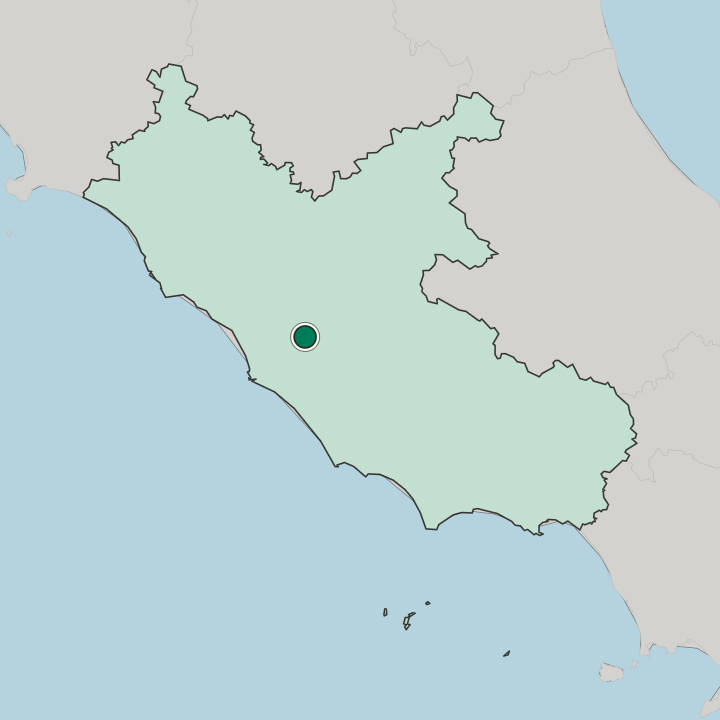
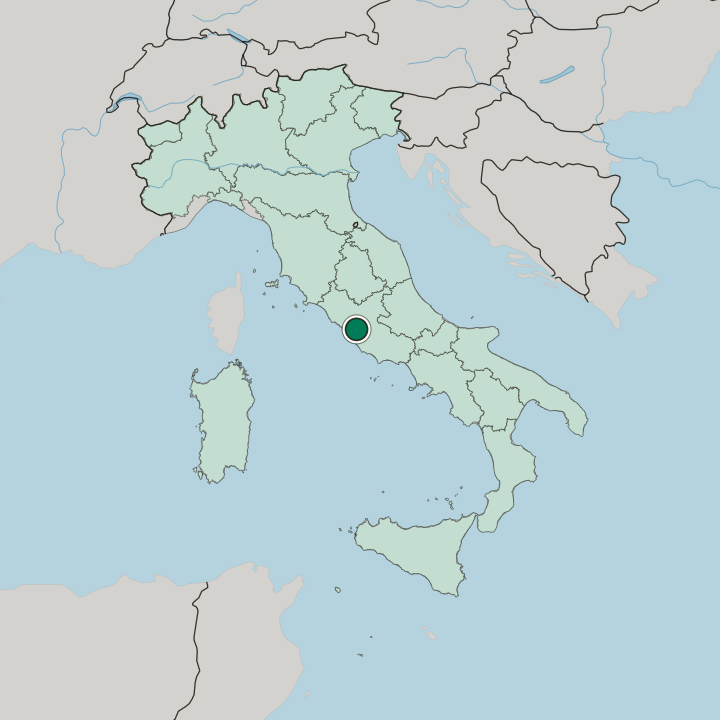
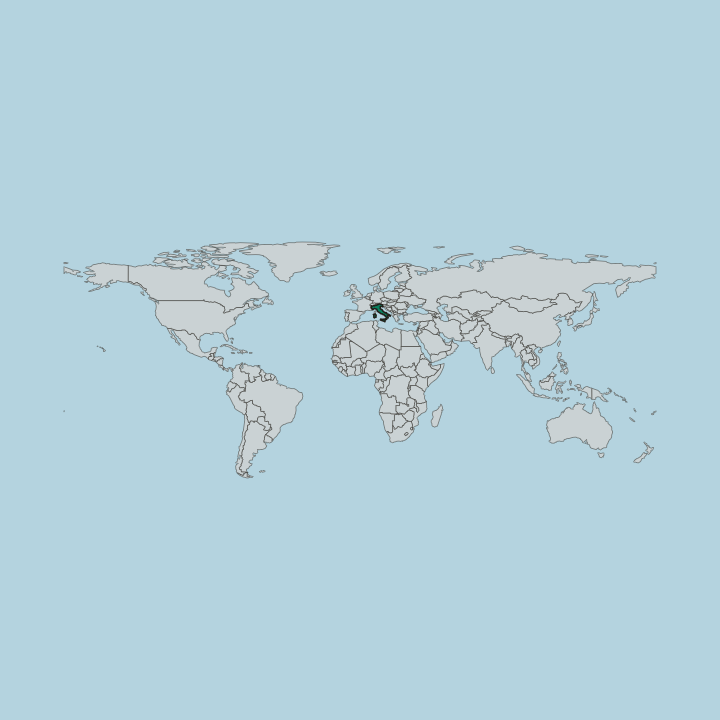
Pigna takes up a small, densely built patch of Municipio I, wedged between the Imperial fora and the streets around San Marcello al Corso.
Common questions
What is the best area to stay in Pigna?
Around Palazzo Colonna: guests who want a palace gallery two doors away. By San Marcello al Corso: shopping days that end in the Doria Pamphilj rooms. Toward the Altare della Patria: sightseeing weekends at the forum end.
Good for
More areas in Rome
Updated October 2026