South Korea · Gyeonggi-do
Where to Stay in Ansan-si, Gyeonggi-do
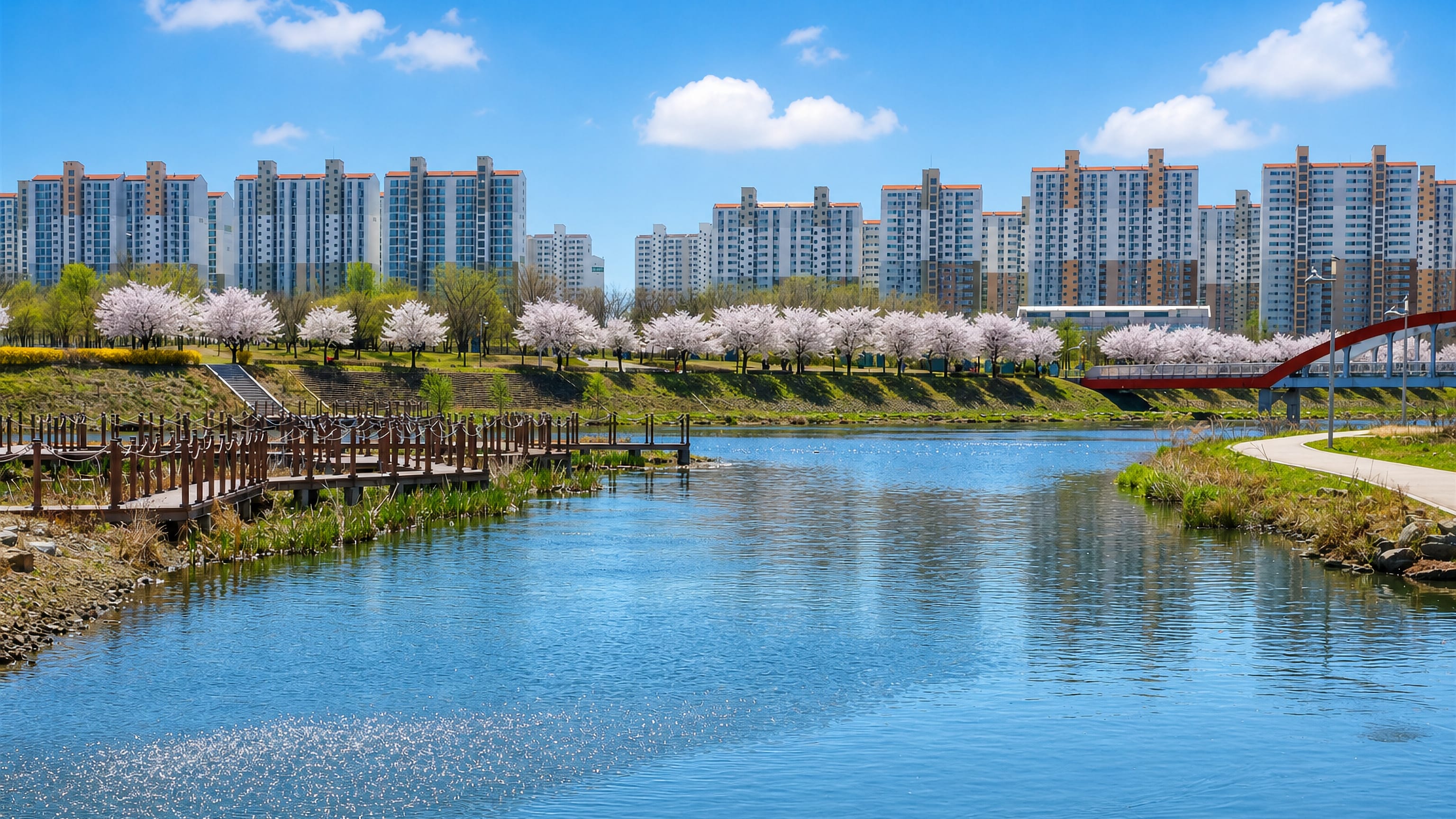
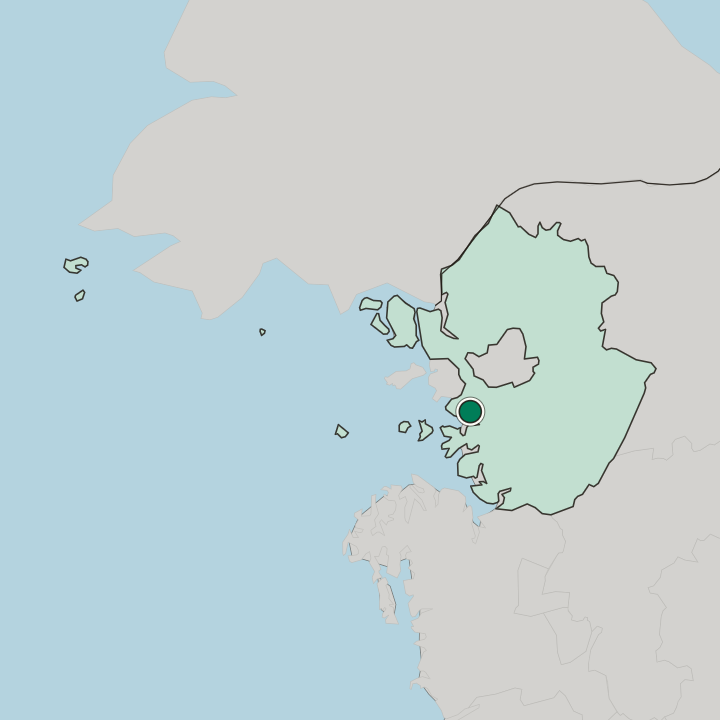
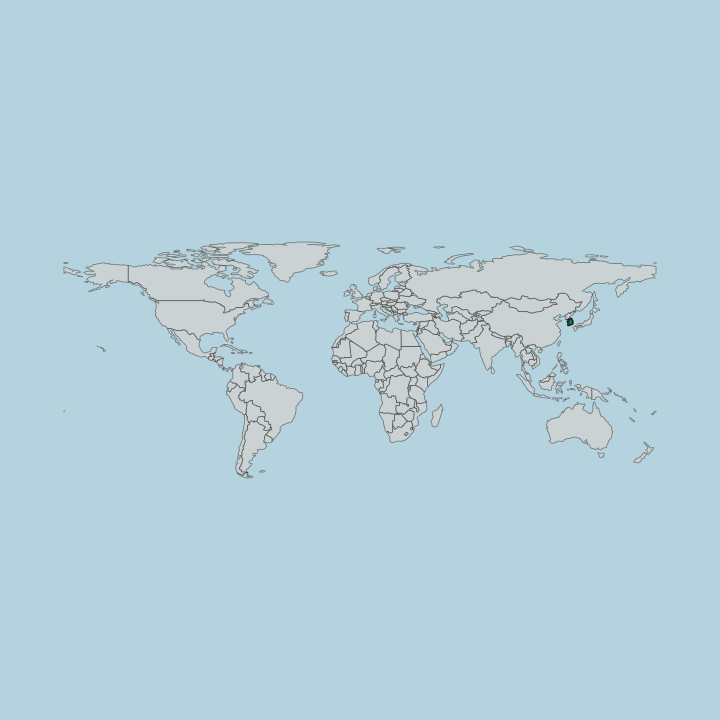
Ansan meets the Yellow Sea southwest of Seoul, a Gyeonggi city whose jurisdiction reaches offshore to the island of Daebudo.
Hotel links are affiliate links: booking through them may earn us a commission, at no extra cost to you. It never affects how places are ranked. How this works


Where to stay in Ansan-si
Where visitors usually base themselves, and why.
The choice runs between Seoul Subway Line 4 and Daebudo. Rooms in the built-up core sit near Ansan Cultural Center and the Gyeonggi Museum of Art, and the line threading that ground is what most visitors are really booking, because it turns Seoul into a single ride rather than a day's undertaking. Line 4 wins most arguments.
Byeolmangseongji and Ansan Eupseong and Gwanaji lie on older ground within the same half of the city, close enough that a stay in the core reaches them without a car. The island rewrites the arithmetic. Beds out on Daebudo answer the Daebudo Tidal Flat and the Yellow Sea instead of the subway, and anyone who wants the flats at first light gains an hour or two by sleeping there rather than crossing from the mainland districts in the dark.
Sport makes the third case. Ansan Wa Stadium, the Ansan Wa Auxiliary Stadium and Ansan Youth Sports Town cluster tightly enough that a fixture or a tournament settles the question of where to stay before any other consideration is raised. Four neighbours border the land side. Gunpo lies east and Anyang northeast, with Siheung north and Hwaseong south, so a date that fills Ansan's own rooms still leaves plenty within a short hop.
Find hotels in Ansan-si
Direct booking searches for these neighbourhoods.
The Line 4 core
The everyday middle of Ansan, holding Ansan Cultural Center and the Gyeonggi Museum of Art within walking reachFind hotels in The Line 4 coreFirst light on the Daebudo Tidal FlatDaebudo
Island ground inside Ansan's jurisdiction, where the Yellow Sea uncovers the flats a short walk from the bed. Lodging is scarce in this area; reserve in advance.Find hotels in DaebudoFixtures at Ansan Wa Stadium and Ansan Youth Sports TownThe Wa sports quarter
The block that gathers Ansan Wa Stadium, the Ansan Wa Auxiliary Stadium and Ansan Youth Sports Town side by sideFind hotels in The Wa sports quarterHotel links are affiliate links: booking through them may earn us a commission, at no extra cost to you. It never affects how places are ranked. How this works
Things to do in Ansan-si
Ranked by global recognition; descriptions from Wikidata (CC0).
Museums & Galleries
2- Gyeonggi Museum of Art
- Ansan Cultural Center
Stadiums & Sports
3- Ansan Wa Stadium
- Ansan Youth Sports Town
- Ansan Wa Auxiliary Stadium
worth knowingacross 2 categories in Ansan-si
About Ansan-si
Sport and salt water share the billing.
What is Ansan-si known for?
Ansan Wa Stadium and the Ansan Wa Auxiliary Stadium stand in one complex alongside Ansan Youth Sports Town, while the Gyeonggi Museum of Art gives the city a gallery that pulls visitors from well beyond its own blocks. Daebudo is the other draw. The island falls inside the city's jurisdiction, and the Daebudo Tidal Flat lays bare a wide band of the Yellow Sea floor each time the water withdraws.
What are the main landmarks in Ansan-si?
Three threads run through the list. Ansan Wa Stadium, the Ansan Wa Auxiliary Stadium and Ansan Youth Sports Town carry the sporting one, the Gyeonggi Museum of Art and Ansan Cultural Center the cultural one, and Byeolmangseongji together with Ansan Eupseong and Gwanaji the walled and administered ground that predates both. Daebudo Tidal Flat keeps its own timetable.
No opening hours govern it, because the Yellow Sea decides when the flat can be walked and when it cannot.
What is the history of Ansan-si?
Ansan is a young municipality. The city dates from 1986, well after the ground beneath it was first walled and administered, which is the reversal a visitor notices when the oldest sites here turn out to sit inside one of the newer cities of Gyeonggi. Two of those sites survive.
Ansan Eupseong and Gwanaji preserves a walled administrative seat, and Byeolmangseongji marks a second piece of fortified ground, each of them older than the municipal boundary drawn around it. Rail settled the rest. Seoul Subway Line 4 binds Ansan into the Seoul Metropolitan Area, and that link explains why a coastal city facing the Yellow Sea reads as part of the capital's working field rather than as a separate town along the shore.
The land side meets four neighbours. Gunpo sits east, Anyang northeast, Siheung north and Hwaseong south, while the western edge belongs to the water and to Daebudo, the largest of the islands under Ansan's jurisdiction. Gyeonggi Museum of Art and Ansan Cultural Center belong to this later chapter, not to the walled one, and the Daebudo Tidal Flat predates every date the record carries.
Where is Ansan-si?
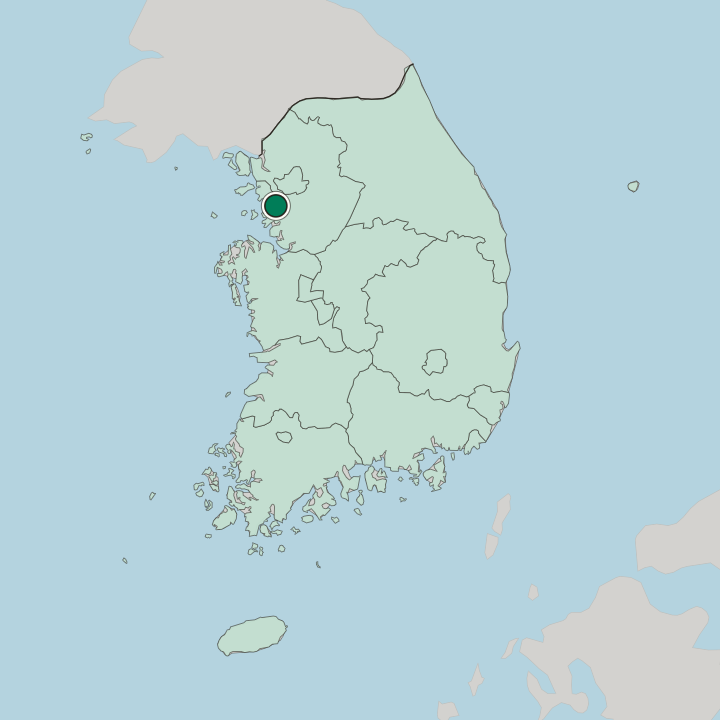
The Yellow Sea takes the whole western side. Ansan's jurisdiction runs off the mainland and across the water to a scatter of islands, of which Daebudo is the largest and the best known, and the Daebudo Tidal Flat marks where the seabed comes uncovered. Four municipalities ring the rest.
Gunpo lies east of the city and Anyang northeast, with Siheung to the north and Hwaseong to the south, and Seoul sits beyond that ring of Gyeonggi neighbours.
What is the climate of Ansan-si?
The Yellow Sea sets the terms here. Wind off the water is the first thing the shore registers, so Daebudo and its tidal flat sit in weather that the inland blocks around Ansan Wa Stadium feel a degree more gently. Temperate is the short answer.
Walking the Daebudo Tidal Flat turns on the state of the water as much as on the sky, and a day the sea or the rain closes is the day the Gyeonggi Museum of Art and Ansan Cultural Center earn their keep.
How do you get to Ansan-si?
Seoul Subway Line 4 does the work. The line runs into Ansan from Seoul, which makes rail the default approach for anyone coming from the capital and leaves the road to handle the coast and the islands beyond it. Daebudo needs wheels.
Reaching the Daebudo Tidal Flat means carrying on west past the end of the rail, while Gunpo, Anyang, Siheung and Hwaseong all border Ansan closely enough that arriving from any of them is a local hop rather than a journey.
Common questions
What is the best area to stay in Ansan-si?
The Line 4 core: Days that end with a Seoul Subway Line 4 ride back. Daebudo: First light on the Daebudo Tidal Flat. The Wa sports quarter: Fixtures at Ansan Wa Stadium and Ansan Youth Sports Town.
Good for
More cities in Gyeonggi-do
Updated September 2026