South Korea · Gyeonggi-do
Where to Stay in Uijeongbu-si, Gyeonggi-do
Uijeongbu-si is a compact city in Gyeonggi Province beside Bukhansan, holding Uijeongbu Cathedral, the Onggi Folk Museum and Hoeryongsa Ocheungseoktap.
Hotel links are affiliate links: booking through them may earn us a commission, at no extra cost to you. It never affects how places are ranked. How this works


Where to stay in Uijeongbu-si
Where the beds are, and what that means for the visit.
Uijeongbu-si is small enough to cross. The whole city covers a compact area, so a bed anywhere in it puts Uijeongbu Cathedral, the Onggi Folk Museum and Hoeryongsa Ocheungseoktap inside the same short set of journeys. Bukhansan changes that.
Walkers who come for the mountain want the side of Uijeongbu-si nearest it, and Suraksan Sports Town carries the name of another mountain. Seoul names several of the sites on the list. Sport decides a fair number of stays, since Baekseok Sports Park, Godeok Sports Park, Daragwon Sports Park, Changgol Football Field and Jikdong Football Field all sit within reach of the same beds.
Nowon Madeul Stadium is another of them. Museums make the indoor answer, with the Onggi Folk Museum in the city and the Photography Seoul Museum of Art among the nearby names, and the Seoul Banghak-dong Jeon Hyeong-pil house preserving a house under a Seoul address. Nohae Neighborhood Park is listed with them.
The April 19th National Cemetery is the one site with a fixed date attached to it, and a visit there is a different kind of morning from a football field. Stay wherever Uijeongbu Cathedral and the Onggi Folk Museum are an easy walk if the city itself is the point, and toward Bukhansan if the mountain is.
Find hotels in Uijeongbu-si
Direct booking searches for these neighbourhoods.
Toward Bukhansan
Bukhansan is the mountain Uijeongbu-si stands beside, and a bed on that side saves the crossing before a walk. Beds are limited here, so book early.Find hotels in Toward BukhansanUijeongbu Cathedral and the Onggi Folk Museum on footNear Uijeongbu Cathedral
Uijeongbu Cathedral and the Onggi Folk Museum are the two indoor fixtures the city is named for, and a compact municipality keeps them close.Find hotels in Near Uijeongbu CathedralFixtures at Baekseok Sports Park and the football fieldsThe Baekseok Sports Park side
Baekseok Sports Park, Changgol Football Field and Jikdong Football Field give this part of the city a fixture list of its own.Find hotels in The Baekseok Sports Park sideThe April 19th National Cemetery and Nohae Neighborhood ParkToward the April 19th National Cemetery
The April 19th National Cemetery is the one site here with a date in its name, and Nohae Neighborhood Park is another of the quiet entries on the same list. Beds are limited here, so book early.Find hotels in Toward the April 19th National CemeteryHotel links are affiliate links: booking through them may earn us a commission, at no extra cost to you. It never affects how places are ranked. How this works
About Uijeongbu-si
Sports grounds outnumber everything else.
What is Uijeongbu-si known for?
Baekseok Sports Park, Godeok Sports Park, Daragwon Sports Park and Suraksan Sports Town are all recorded around Uijeongbu-si, along with Changgol Football Field, Jikdong Football Field and Nowon Madeul Stadium. Uijeongbu Cathedral and Hoeryongsa Ocheungseoktap stand for the older kind of landmark, one Christian and one a five-storey stone pagoda. The Onggi Folk Museum keeps the pottery side.
Bukhansan is the mountain on the list.
What are the main landmarks in Uijeongbu-si?
Bukhansan tops the list. Uijeongbu Cathedral and Hoeryongsa Ocheungseoktap follow, one a church and the other a five-storey stone pagoda. The Onggi Folk Museum keeps the earthenware side, and the April 19th National Cemetery is a memorial ground.
Sports grounds fill most of the remainder, with Baekseok Sports Park, Godeok Sports Park, Daragwon Sports Park, Suraksan Sports Town, Nowon Madeul Stadium, Changgol Football Field and Jikdong Football Field all recorded. Nohae Neighborhood Park, the Seoul Banghak-dong Jeon Hyeong-pil house and the Photography Seoul Museum of Art complete it, the last two carrying Seoul in their names.
What is the history of Uijeongbu-si?
Records give Uijeongbu-si no year of birth. The oldest thing on its list is Hoeryongsa Ocheungseoktap, a five-storey stone pagoda from the temple whose name it carries, and everything else in the record comes a long way after it. Pottery kept its own history.
The Onggi Folk Museum exists because onggi earthenware had a tradition worth a museum, which is the sort of continuity a city with no charter date can still show. One house is kept under a collector's name, the Seoul Banghak-dong Jeon Hyeong-pil house. The modern city is written in memorials and playing fields.
The April 19th National Cemetery fixes a date in the calendar and gives the city a national role that none of its other sites carry. Uijeongbu Cathedral belongs to the same modern layer. Sport takes up the newest part of the record, with Baekseok Sports Park, Godeok Sports Park, Daragwon Sports Park, Suraksan Sports Town, Nowon Madeul Stadium, Changgol Football Field and Jikdong Football Field all built into a municipality of no great size.
Bukhansan predates all of it. The mountain stood over this ground before any of the names recorded on it, and it is the one entry on the list that owes nothing to a decision.
Where is Uijeongbu-si?
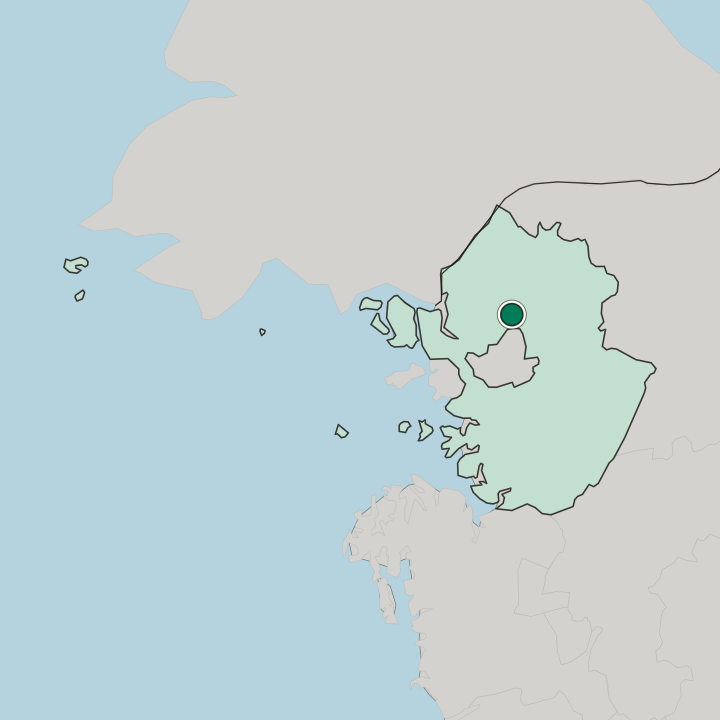
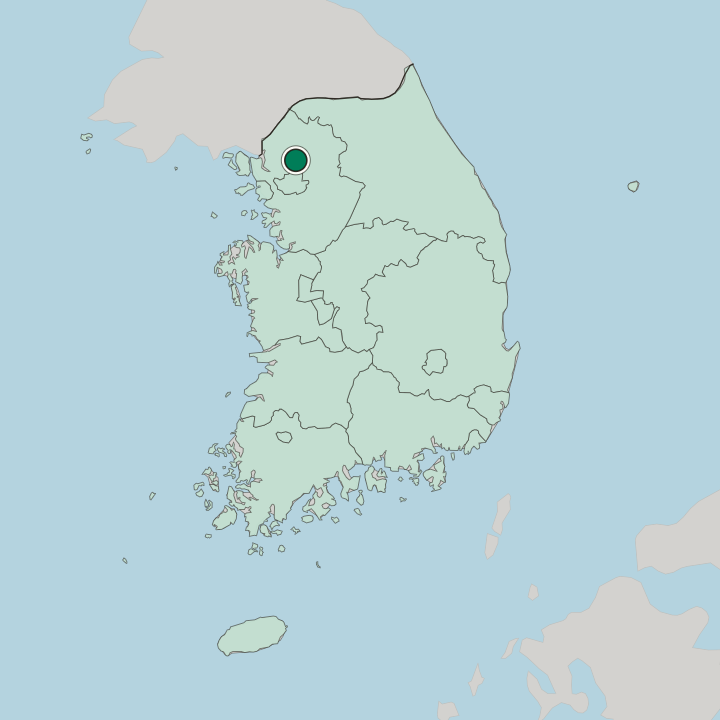
Bukhansan is the largest natural feature named with Uijeongbu-si, and the city's own ground covers a small area next to it. Uijeongbu-si stays small on the map. Everything the city lists, Uijeongbu Cathedral, the Onggi Folk Museum, Hoeryongsa Ocheungseoktap, the April 19th National Cemetery and a long row of sports parks, fits inside that small compass without much distance between any two of them.
Suraksan Sports Town names higher ground.
What is the climate of Uijeongbu-si?
Bukhansan sets the terms for anyone planning outdoor time in Uijeongbu-si, because a mountain decides more about a walking day than the streets below it ever do. Height changes the conditions. Baekseok Sports Park, Godeok Sports Park and Daragwon Sports Park are open ground at the city's own level, so what suits them will not always suit the climb toward Suraksan Sports Town.
The Onggi Folk Museum and Uijeongbu Cathedral answer for the days that are not for walking.
How do you get to Uijeongbu-si?
Uijeongbu-si is small, which is the main thing to know about moving around it. Nothing on its list is far from anything else, so Uijeongbu Cathedral, the Onggi Folk Museum and Hoeryongsa Ocheungseoktap can be taken in a single day without much planning. Bukhansan is the exception.
The mountain takes a day of its own, and the sports grounds at Suraksan Sports Town and Godeok Sports Park are spread wide enough that a fixture decides the route rather than the map. Seoul names two of the nearby sites, the Seoul Banghak-dong Jeon Hyeong-pil house and the Photography Seoul Museum of Art.
Common questions
What is the best area to stay in Uijeongbu-si?
Toward Bukhansan: Walking days on Bukhansan. Near Uijeongbu Cathedral: Uijeongbu Cathedral and the Onggi Folk Museum on foot. The Baekseok Sports Park side: Fixtures at Baekseok Sports Park and the football fields. Toward the April 19th National Cemetery: The April 19th National Cemetery and Nohae Neighborhood Park.
Good for
More cities in Gyeonggi-do
Updated October 2026