South Korea · Gyeonggi-do
Where to Stay in Yangju, Gyeonggi-do
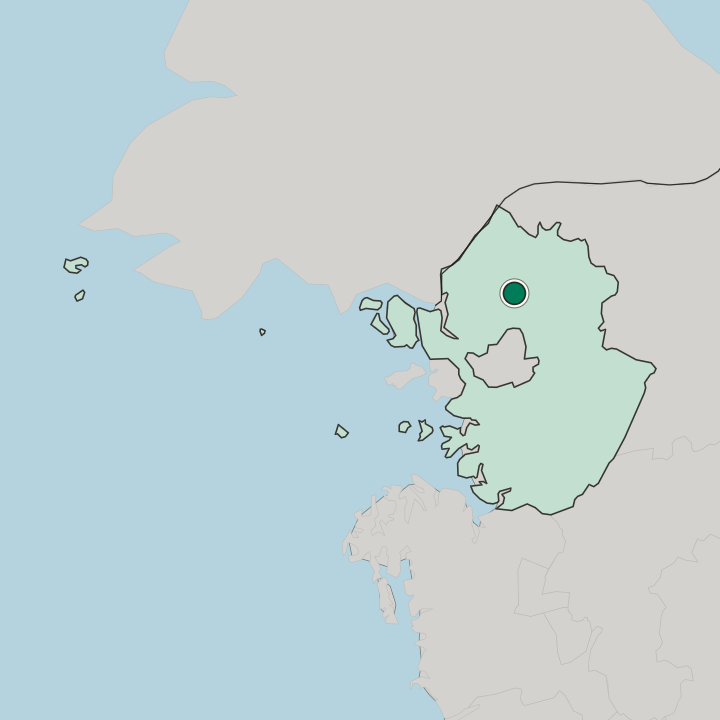
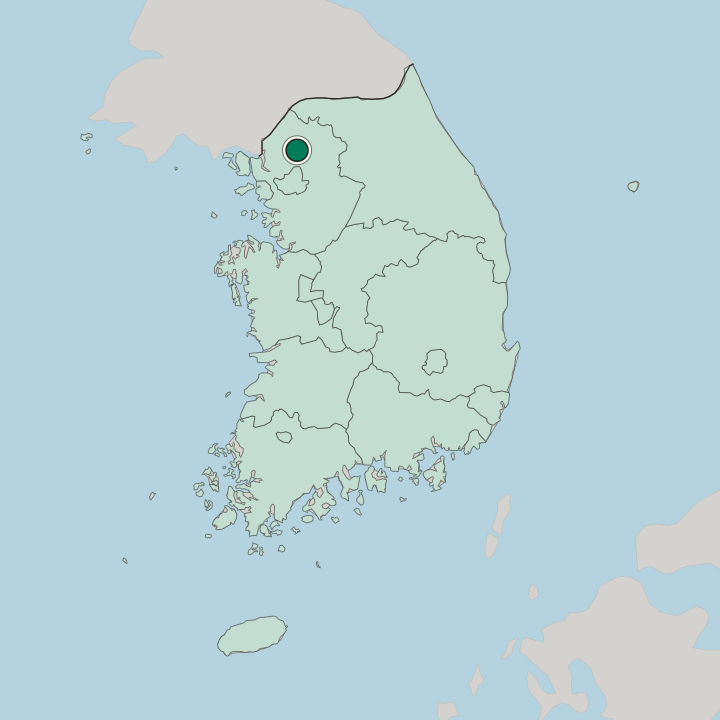
Yangju is a Gyeonggi Province city south of Dongducheon and north of Uijeongbu, holding Bukhansan National Park and the Hoeamsa temple ground.
Hotel links are affiliate links: booking through them may earn us a commission, at no extra cost to you. It never affects how places are ranked. How this works


Where to stay in Yangju
The practical side of choosing where to sleep.
Yangju is big. The municipality runs to roughly 310 square kilometres, far more ground than a single centre can cover, so a bed here sits closer to one of the mountains than to all of them. Bukhansan National Park pulls one way.
Hoeamsaji and the temple ruins pull another, and the Jangheung attractions form a third cluster that has little to do with either. Godeok Sports Park and Baekseok Sports Park sit on the civic side of the city, useful markers for anyone who wants a bed near everyday facilities instead of near the ruins. Neighbouring cities widen the field.
Dongducheon lies to the north and Uijeongbu to the south, both close enough that a room in either can serve a Yangju itinerary when the city's own stock runs thin. Seoul is not far. Anyone treating Bulgoksan, Gamaksan and Cheonbosan as the point of the trip will still want to be inside Yangju rather than commuting to it, since the peaks sit inside the municipality itself.
The performances are the exception. Yangju Byeoldae Nori and Yangju Sonori-gut are scheduled traditions rather than places, so proximity to a fixed address matters less for them than for Hoeamsa or Olleung.
Find hotels in Yangju
Direct booking searches for these neighbourhoods.
The Bukhansan National Park reach
The part of Yangju where the Bukhansan National Park boundary crosses into the municipalityFind hotels in The Bukhansan National Park reachStays centred on Hoeamsa and the monument recorded as Yangju Hoeamsaji Muhak DaesabiThe Hoeamsaji ground
The temple-ruin quarter of Yangju, with Olleung as the second protected site on the same sideFind hotels in The Hoeamsaji groundDay plans built around the Jangheung attractions rather than the peaksThe Jangheung side
The stretch of the municipality where the Jangheung attractions are grouped, away from the temple ruinsFind hotels in The Jangheung sideFallback beds when Yangju's own rooms are shortDongducheon and Uijeongbu
The two neighbouring cities north and south of Yangju, near enough to work as a substitute baseFind hotels in Dongducheon and UijeongbuHotel links are affiliate links: booking through them may earn us a commission, at no extra cost to you. It never affects how places are ranked. How this works
About Yangju
Mountains, first.
What is Yangju known for?
Bukhansan National Park reaches into the municipality, and Bulgoksan, Gamaksan and Cheonbosan give Yangju three more named peaks alongside the Jangheung attractions the city counts among its own. Hoeamsa is the other draw. Yangju Byeoldae Nori and Yangju Sonori-gut carry the intangible side of the same inheritance, performed traditions listed among the city's cultural properties rather than built ones.
What are the main landmarks in Yangju?
Hoeamsa anchors the list. The temple ground at Hoeamsaji carries the monument recorded as Yangju Hoeamsaji Muhak Daesabi, and Olleung stands as a third protected site within the same municipality. Bukhansan rises at the edge.
Godeok Sports Park and Baekseok Sports Park are the civic counterweight, municipal ground built for use rather than for heritage, set apart from the temple ruins and the mountain.
What is the history of Yangju?
Hoeamsa came before the city. What survives at Hoeamsaji is a temple ground rather than a working temple, and the monument recorded as Yangju Hoeamsaji Muhak Daesabi stands there as the most particular relic Yangju keeps. Yangju's own beginning went unrecorded.
Olleung completes the built inheritance, a protected site whose presence says more about the area's standing than any charter would. Godeok Sports Park and Baekseok Sports Park mark a much later phase of building, civic work that carries no comparable weight of record but shows what the municipality became. The performed record runs alongside it.
Yangju Byeoldae Nori and Yangju Sonori-gut are listed among the city's intangible cultural properties, which means part of what Yangju has preserved exists only when someone performs it. Geography kept the place in between. Dongducheon to the north and Uijeongbu to the south have long framed Yangju's position, and the proximity of Seoul has shaped what a Gyeonggi Province city of this size becomes.
The mountains stayed out of it. Bukhansan, Bulgoksan, Gamaksan and Cheonbosan held the ground that neither settlement nor administration reached, and the national park later formalised what the terrain had already decided.
Where is Yangju?
Roughly 310 square kilometres of mountain country. Yangju sits between Dongducheon and Uijeongbu with Seoul not far off, and inside its bounds Bukhansan, Bulgoksan, Gamaksan and Cheonbosan account for most of its relief. Bukhansan National Park covers part of that.
The Jangheung attractions sit within the same bounds, and the temperate northern-hemisphere setting gives the whole municipality a green season long enough to matter for its scenery.
What is the climate of Yangju?
Height does most of the work. Bukhansan, Bulgoksan, Gamaksan and Cheonbosan raise a large share of Yangju above the valley floor, so the temperate northern-hemisphere pattern of a warm middle and cold ends arrives unevenly across the municipality. Scenery follows the season.
Bukhansan National Park and the Jangheung attractions read very differently in the green months than in the bare ones.
How do you get to Yangju?
Dongducheon and Uijeongbu bracket the approach. Yangju lies between them, with Uijeongbu on the Seoul side, so arrivals from the capital pass Uijeongbu before the municipality begins. Seoul is close.
Getting to Bukhansan National Park, Hoeamsaji or the Jangheung attractions means moving within Yangju after that, since the sites spread across roughly 310 square kilometres rather than clustering at one gate.
Common questions
What is the best area to stay in Yangju?
The Bukhansan National Park reach: Walkers whose whole reason for coming is the Bukhansan ridge. The Hoeamsaji ground: Stays centred on Hoeamsa and the monument recorded as Yangju Hoeamsaji Muhak Daesabi. The Jangheung side: Day plans built around the Jangheung attractions rather than the peaks. Dongducheon and Uijeongbu: Fallback beds when Yangju's own rooms are short.
Good for
More cities in Gyeonggi-do
Updated September 2026