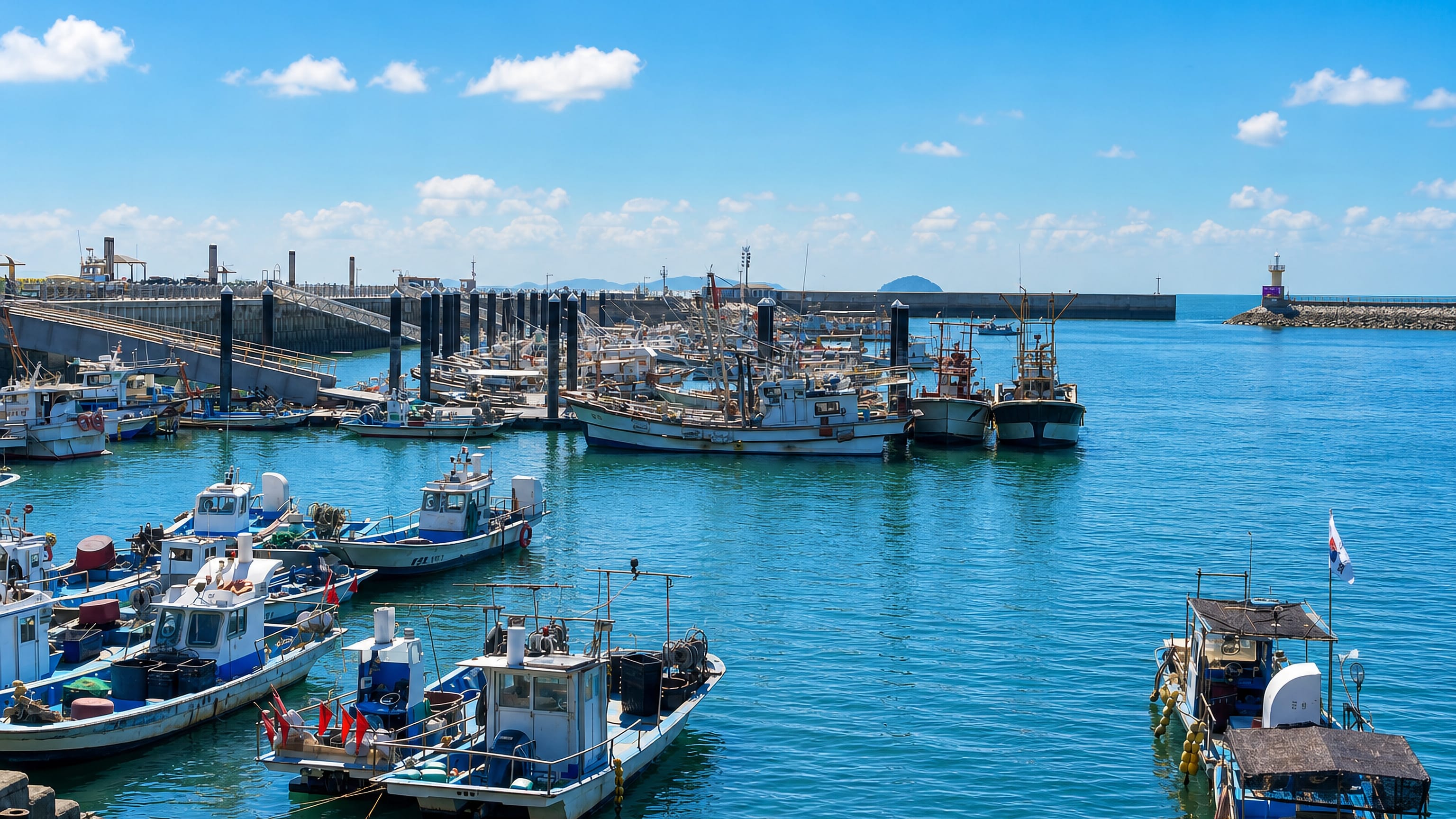
South Korea · Gyeonggi-do
Where to Stay in Hwaseong-si, Gyeonggi-do
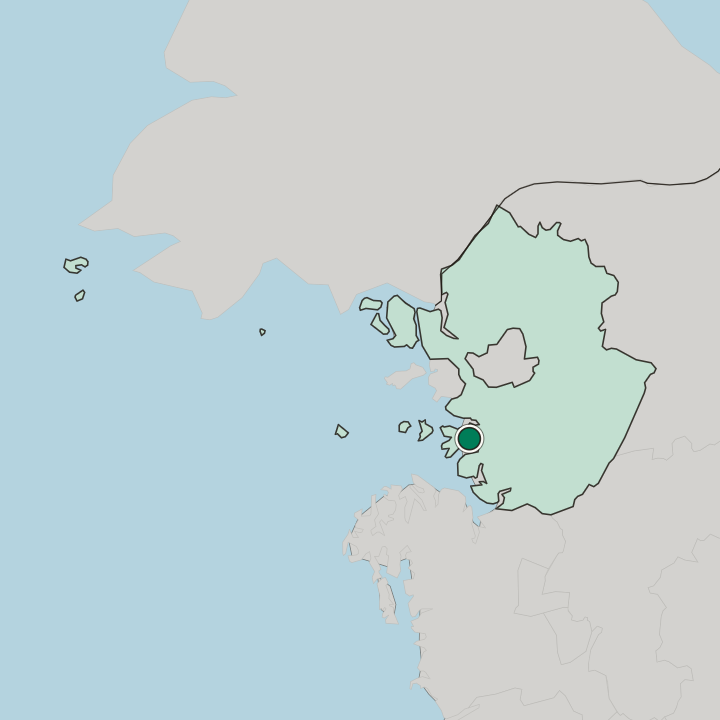
Hwaseong-si reaches from the Yellow Sea inland over the largest farmland area in Gyeonggi Province, and holds the tombs of Yungneung and Geolleung.
Hotel links are affiliate links: booking through them may earn us a commission, at no extra cost to you. It never affects how places are ranked. How this works


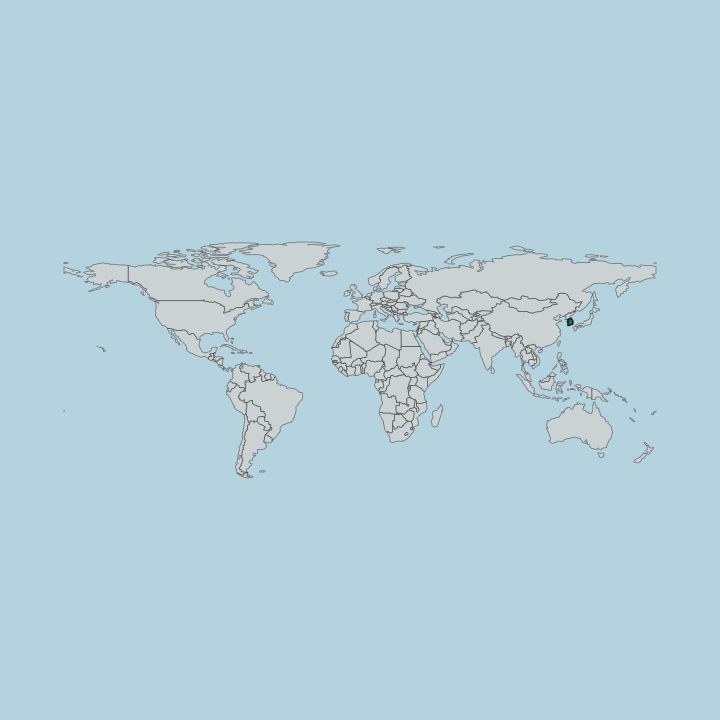
Where to stay in Hwaseong-si
Where visitors usually base themselves, and why.
Byeongjeom Station decides a lot here. Seoul Subway Line 1 stops there, which makes the ground around it the practical base for anyone who wants Hwaseong-si by day and the capital's line within easy reach at night. Eocheon Station answers the other line.
The Suin-Bundang Line calls there, and a room near it puts a different set of the city's spread-out sights within a shorter run. Dongtan Central Park marks the built-up side. Farmland fills most of the rest, more of it than any other city or county in Gyeonggi Province carries, and rooms thin out among the fields.
The Yellow Sea takes the coast. Yungneung and Geolleung, Hwaseong Geumsansa Temple and the Gojeongri dinosaur's egg fossil area are scattered widely enough that a car does more for a visit than any single base can. Hwaseong Sports Town, the Hwaseong Sports Town Auxiliary Stadium and Dowon Sports Park give the city a run of sports grounds, and a stay near them is a choice made for a fixture rather than for sightseeing.
Nothing in Hwaseong-si is close to anything else. Base yourself at Byeongjeom Station if you are coming and going from Seoul, and near Dongtan Central Park if you want the built-up side of the city around you.
Find hotels in Hwaseong-si
Direct booking searches for these neighbourhoods.
Byeongjeom Station
Seoul Subway Line 1 stops at Byeongjeom Station, the one address in the city with that link to the capital.Find hotels in Byeongjeom StationThe built-up quarter around Dongtan Central ParkDongtan
Dongtan Central Park sits in the most built-up part of Hwaseong-si, well away from the fields that cover the rest of the municipality.Find hotels in DongtanThe Suin-Bundang Line and the farmland sideEocheon Station
Eocheon Station puts the Suin-Bundang Line at the door on the side of Hwaseong-si where fields outnumber streets. Rooms are few around here — worth securing early.Find hotels in Eocheon StationRoyal tombs, Hwaseong Geumsansa Temple and the Gojeongri fossilsThe Yungneung and Geolleung side
Yungneung and Geolleung, Hwaseong Geumsansa Temple and the Gojeongri dinosaur's egg fossil area lie apart from the stations, so a car matters more than a platform. Lodging is scarce in this area; reserve in advance.Find hotels in The Yungneung and Geolleung sideHotel links are affiliate links: booking through them may earn us a commission, at no extra cost to you. It never affects how places are ranked. How this works
About Hwaseong-si
What is Hwaseong-si known for?
Farmland covers more of Hwaseong-si than of any other city or county in Gyeonggi Province, and the Yellow Sea closes the seaward side. Yungneung and Geolleung bring most visitors. Beyond the tombs the city keeps a wide spread of listed things, from the Gojeongri dinosaur's egg fossil area to Hwaseong Geumsansa Temple and the wooden seated Amitābha at Bongnimsa temple.
Sport takes up ground too, with Hwaseong Sports Town, the Hwaseong Sports Town Auxiliary Stadium and Dowon Sports Park among the built facilities. Dongtan Central Park carries the name of its district.
What are the main landmarks in Hwaseong-si?
Yungneung and Geolleung are the best-known monuments in Hwaseong-si, two royal burial grounds set apart from the working farmland around them. Temples follow. Hwaseong Geumsansa Temple, the wooden seated Amitābha at Bongnimsa temple and the Hwaseong Yongjusa Temple gilt-bronze incense burner are among the listed religious objects and buildings, and Hwaseong Bongnimsa Temple votive documents from the wooden seated Amitabha Buddha is listed with it.
Older ground turns up in odd forms, from the Gojeongri dinosaur's egg fossil area to the site at Mannyeonje Reservoir and the graves at Tomb of Baek Cheonjang and Nojak Hong Sa-yong's tomb. Gyegabillok and its related documents is a documentary entry on the same list.
What is the history of Hwaseong-si?
The record here starts long before people. Eggs laid in the Gojeongri dinosaur's egg fossil area put the oldest chapter of Hwaseong-si well outside human time, and the human record follows a long way behind. Yungneung and Geolleung hold royal burials, the grandest thing the city keeps. the Hwaseong Yongjusa Temple gilt-bronze incense burner, the wooden seated Amitābha at Bongnimsa temple and Hwaseong Bongnimsa Temple votive documents from the wooden seated Amitabha Buddha come from the temple side of that same past, and Hwaseong Geumsansa Temple is listed with them.
Mannyeonje Reservoir is another entry from that stretch. Graves carry the more recent names. Tomb of Baek Cheonjang and Nojak Hong Sa-yong's tomb mark individuals rather than dynasties, and Gyegabillok and its related documents preserves a written record alongside them.
Hwaseong-si is young as an administrative unit, taking city status in 2001, though the farmland it governs still covers more ground than that of any other city or county in Gyeonggi Province. Dongtan Central Park and the Suwon Samsung Bluewings Football Club Club House belong to the newer city, as do Hwaseong Sports Town and Dowon Sports Park. Seoul Subway Line 1 stops at Byeongjeom Station, and the Suin-Bundang Line at Eocheon Station.
The Yellow Sea closes the seaward side.
Where is Hwaseong-si?
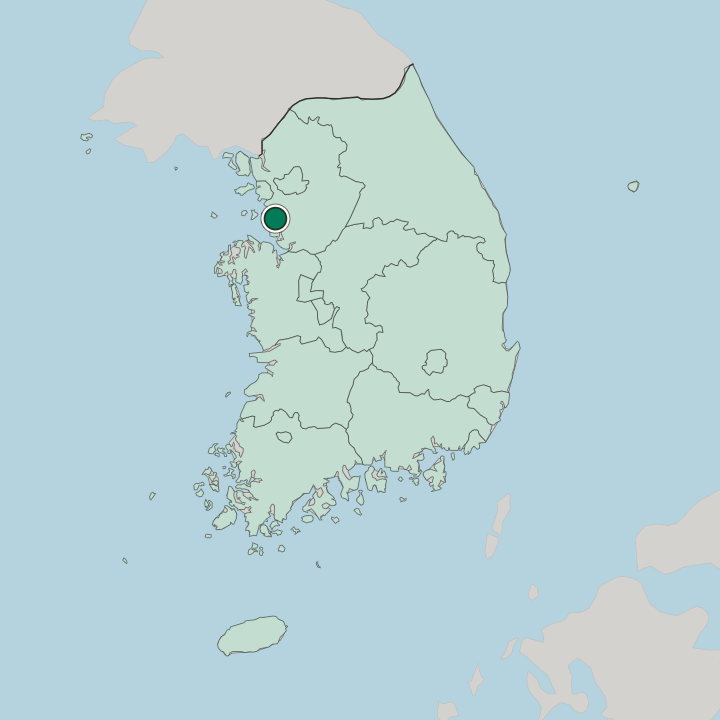
The Yellow Sea gives Hwaseong-si its coast, and inland the ground opens into the largest area of farmland of any city or county in Gyeonggi Province. Fields dominate. Dongtan Central Park and Hwaseong Sports Town belong to the built-up part, and Yungneung and Geolleung and the Gojeongri dinosaur's egg fossil area to the open country.
It is a wide municipality.
What is the climate of Hwaseong-si?
The Yellow Sea works on Hwaseong-si's weather from the coast, moderating a temperate year that the inland farm districts feel in a sharper form. Farming sets the calendar. The fields that cover most of the municipality are worked through a temperate year in the northern half of the world, with the growing season and the harvest set by it.
Seasons are clearly marked.
How do you get to Hwaseong-si?
Two rail lines run into Hwaseong-si. Seoul Subway Line 1 passes through and calls at Byeongjeom Station, which is the link most visitors use coming out of the capital. The Suin-Bundang Line crosses the city as well, stopping at Eocheon Station, and between the two lines the built-up districts are reachable without a car even though the farmland is not.
Yungneung and Geolleung, Hwaseong Geumsansa Temple and the coast itself sit well away from either platform. Crossing the city takes real time.
Common questions
What is the best area to stay in Hwaseong-si?
Byeongjeom Station: Riding Seoul Subway Line 1 in and out of Hwaseong-si. Dongtan: The built-up quarter around Dongtan Central Park. Eocheon Station: The Suin-Bundang Line and the farmland side. The Yungneung and Geolleung side: Royal tombs, Hwaseong Geumsansa Temple and the Gojeongri fossils.
Good for
More cities in Gyeonggi-do
Updated September 2026