South Korea · Gyeonggi-do
Where to Stay in Anyang-si, Gyeonggi-do
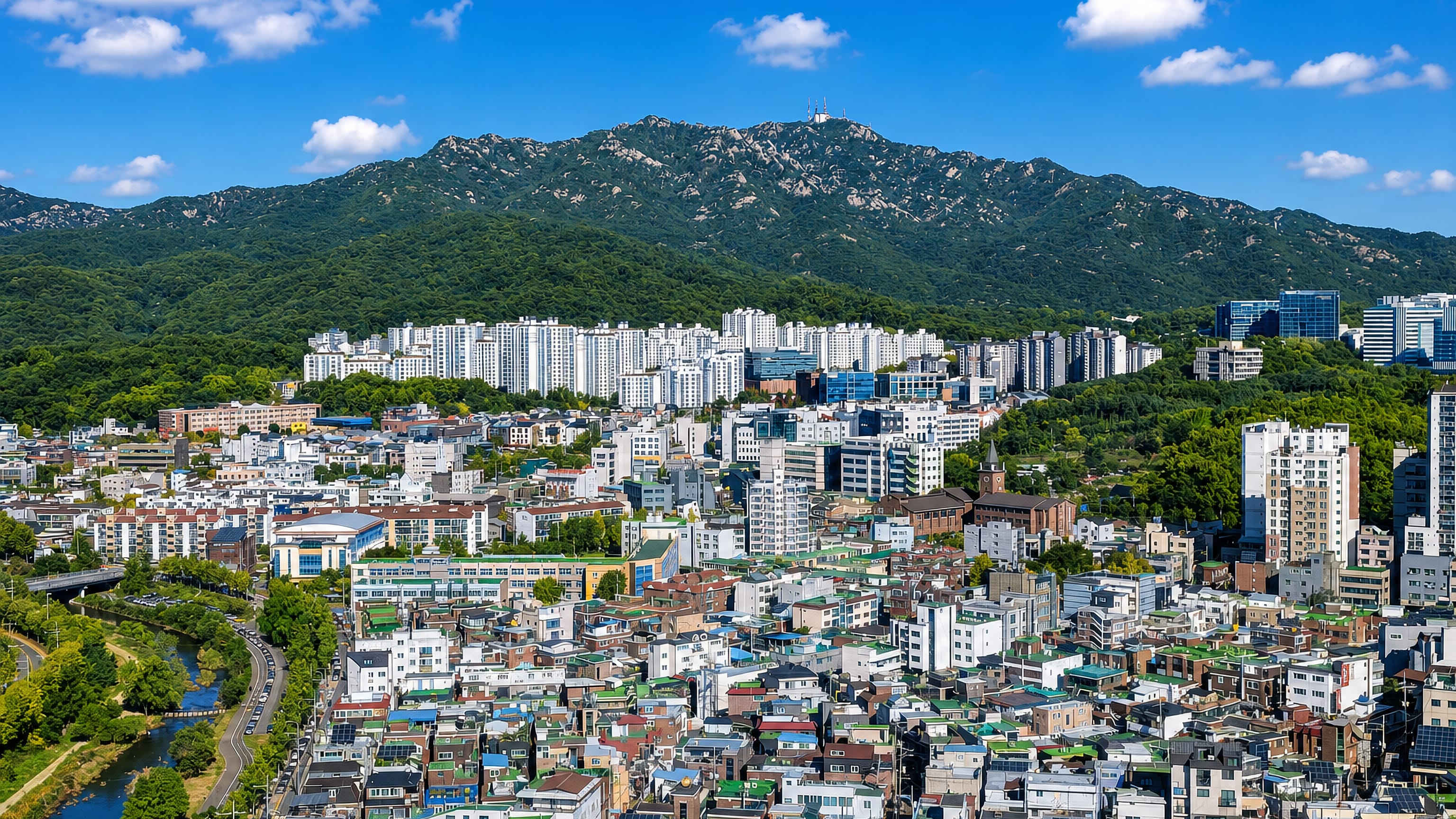
Anyang is a compact Gyeonggi-do city built around Pyeongchon Jayu Park, the Anyang Sports Complex and two museums of its own.
Hotel links are affiliate links: booking through them may earn us a commission, at no extra cost to you. It never affects how places are ranked. How this works


Where to stay in Anyang-si
The practical side of choosing where to sleep.
Pyeongchon is the obvious anchor. A room near Pyeongchon Jayu Park puts the city's largest piece of open ground at the end of the street, and for a stay that wants an evening walk and the shops around the park within the same short radius, that side settles the question early. The park does much of the work.
Anyang keeps its two museums well apart from its playing fields, so no single quarter delivers everything, and the base a visitor picks decides which of them costs a journey. Fixtures pull the other way. The Anyang Sports Complex fills its own blocks whenever a match or a meet is on, and a bed inside walking distance is worth more on those dates than any amount of park frontage across the city.
Anyang Museum argues for the middle. Anyone here for Anyang Museum or for the Kimjungeop Architecture Museum does better from a central room than an outlying one, because this is a small municipality and the centre reaches both without much effort. The kiln site is the outlier. the Gunpo Sanbon-dong Joseon white porcelain kiln site sits at Sanbon-dong on the Gunpo side of the boundary, which makes it a short trip out rather than a reason to shift a whole stay.
Find hotels in Anyang-si
Direct booking searches for these neighbourhoods.
Pyeongchon
The open-ground side of Anyang, where the park and the shops along it share one short radiusFind hotels in PyeongchonMatch nights at the Anyang Sports ComplexAround the Anyang Sports Complex
Blocks that fill on fixture dates, near enough that a late finish is a walk back rather than a fareFind hotels in Around the Anyang Sports ComplexAnyang Museum and the Kimjungeop Architecture Museum in one dayCentral Anyang
The middle of a small municipality, from which both of Anyang's museums are reachable without a transferFind hotels in Central AnyangHotel links are affiliate links: booking through them may earn us a commission, at no extra cost to you. It never affects how places are ranked. How this works
About Anyang-si
Open ground and playing fields carry the city.
What is Anyang-si known for?
Pyeongchon Jayu Park supplies the first, spreading across the Pyeongchon side, while the Anyang Sports Complex supplies the second along with the crowds that a fixture brings into the surrounding blocks. Two museums round it out. Anyang Museum keeps the general collection under its Korean name Anyang Museum, and the Kimjungeop Architecture Museum takes the narrower subject, turning on architecture rather than on the city's own account of itself.
What are the main landmarks in Anyang-si?
Five entries make up the list. Pyeongchon Jayu Park and the Anyang Sports Complex account for the open-air pair, and between them they take most of the ground that visitors actually walk on in Anyang. The museums split the indoor half.
Anyang Museum holds the general collection as Anyang Museum, while the Kimjungeop Architecture Museum keeps to architecture, and the Gunpo Sanbon-dong Joseon white porcelain kiln site preserves Joseon white porcelain kilns at Sanbon-dong on the Gunpo side.
What is the history of Anyang-si?
Kilns come first in the sequence. the Gunpo Sanbon-dong Joseon white porcelain kiln site marks the ground at Sanbon-dong where Joseon white porcelain was fired, just over the line on the Gunpo side, and it is the oldest thing anything near Anyang is named for. Everything after it is modern. No charter year attaches to the city itself, which is not unusual among Gyeonggi-do municipalities that grew into their present form without an old walled seat at the middle.
Anyang Museum carries what there is. The collection under the name Anyang Museum is where the city sets out its own account, and a visitor who wants more than the landmarks alone can supply will find the sequence laid out there rather than on the streets. The Kimjungeop Architecture Museum runs a narrower line.
Architecture is its subject, which in a municipality of this vintage means the built fabric is itself most of the exhibit, and the two museums together stand in for the archive a much older town would keep in stone. Pyeongchon Jayu Park and the Anyang Sports Complex belong to the same recent chapter, laid out across the Pyeongchon side as the city filled the ground it now covers.
Where is Anyang-si?
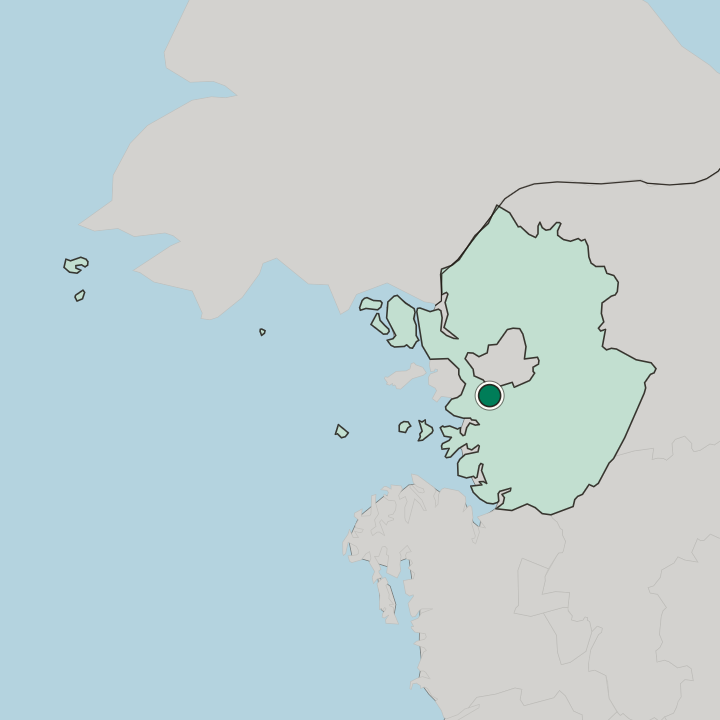
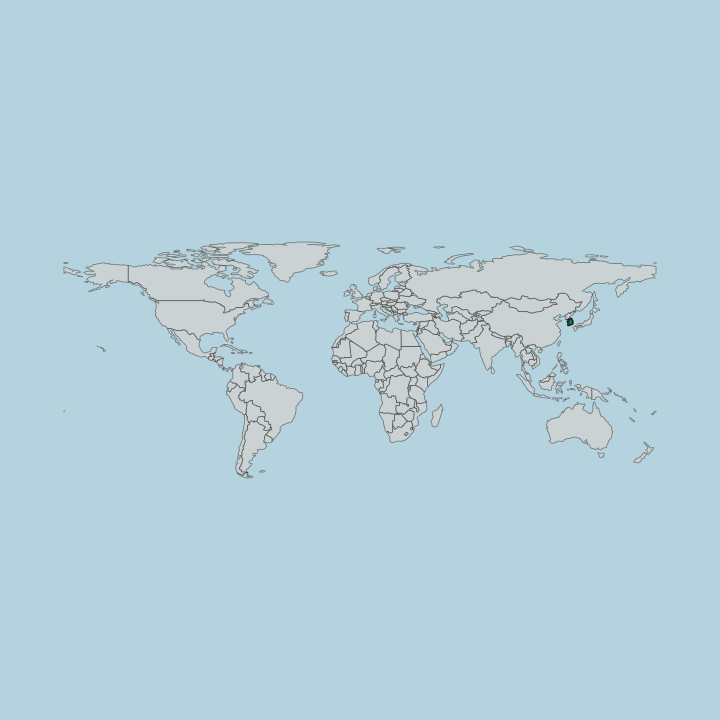
Anyang covers a small footprint. Something under 60 square kilometres of Gyeonggi-do carries the whole municipality, which is why the ground between Pyeongchon Jayu Park and the Anyang Sports Complex reads as an errand rather than a trip. Pyeongchon holds the open half.
The built fabric runs out at the boundary near Sanbon-dong, where the Gunpo Sanbon-dong Joseon white porcelain kiln site sits on the Gunpo side, and past that the urban ground of the province carries on with no visible break.
What is the climate of Anyang-si?
Pyeongchon Jayu Park keeps the calendar. The park is the part of Anyang that visibly changes with the turning year, and the swing between the months that fill its paths and the months that empty them is the clearest seasonal signal the city gives a visitor. Bad weather pushes a visit indoors.
Anyang Museum and the Kimjungeop Architecture Museum absorb the days the park cannot, while the Anyang Sports Complex belongs to whichever season its fixtures happen to fall in.
How do you get to Anyang-si?
Distances inside Anyang are trivial. The municipality holds a small, continuously built stretch of Gyeonggi-do, so whichever edge a visitor enters by, the gap between arrival and a bed near Pyeongchon Jayu Park stays short. Gunpo begins immediately past the line. the Gunpo Sanbon-dong Joseon white porcelain kiln site at Sanbon-dong folds into a day here without a plan of its own, and the Anyang Sports Complex, Anyang Museum and the Kimjungeop Architecture Museum all fall inside the same modest radius.
Common questions
What is the best area to stay in Anyang-si?
Pyeongchon: Evenings that end beside Pyeongchon Jayu Park. Around the Anyang Sports Complex: Match nights at the Anyang Sports Complex. Central Anyang: Anyang Museum and the Kimjungeop Architecture Museum in one day.
Good for
More cities in Gyeonggi-do
Updated October 2026